Partner mit Shuangrui, um die Fertigungskosten zu senken um 30% und die Effizienz zu steigern.

Laserzuschnitt-Dienstleistungen OEM2026-08-13T09:23:45+00:00

Kundenspezifische Laserzuschnitt-Dienstleistungen für OEM-Metallteile

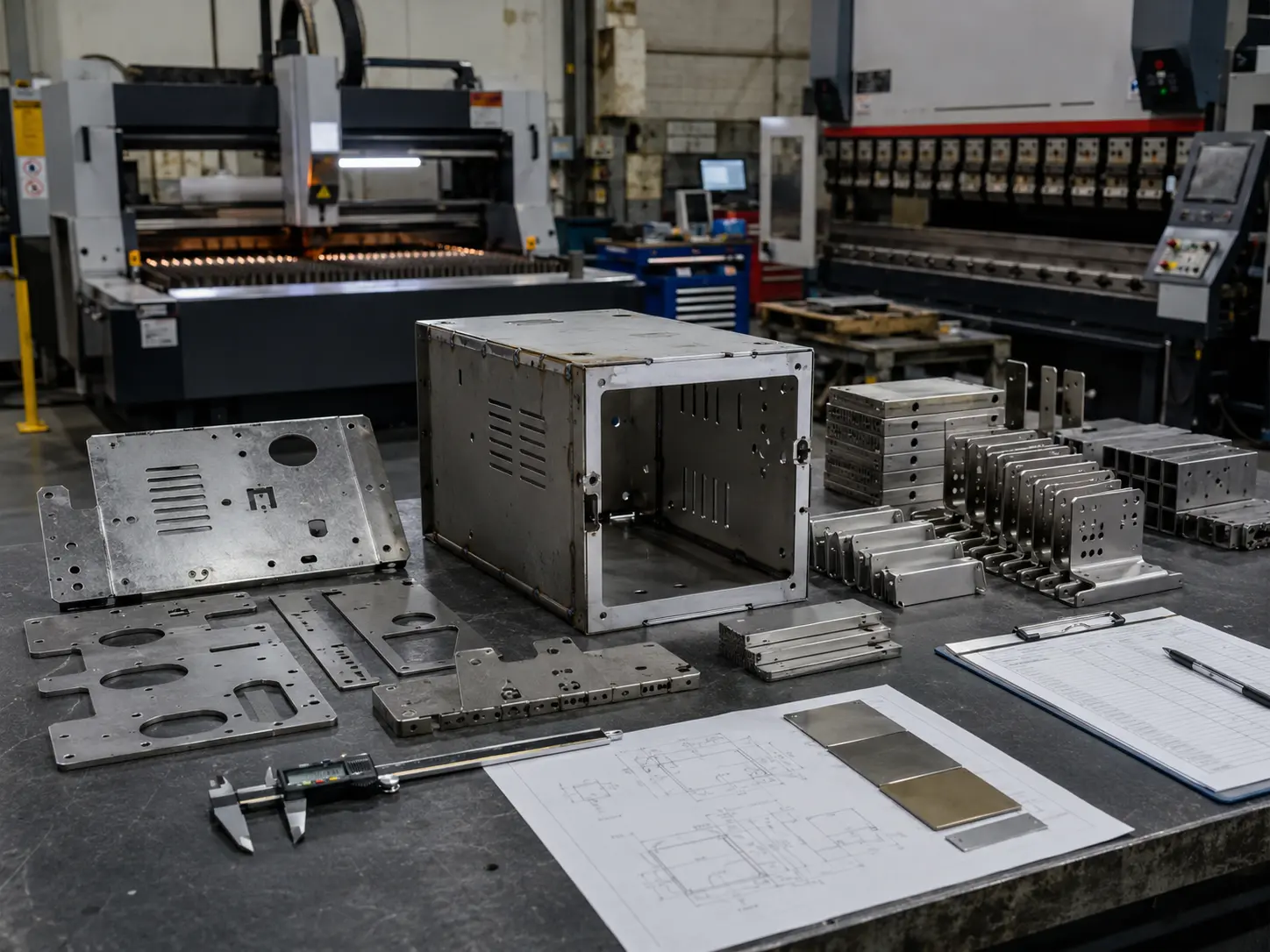
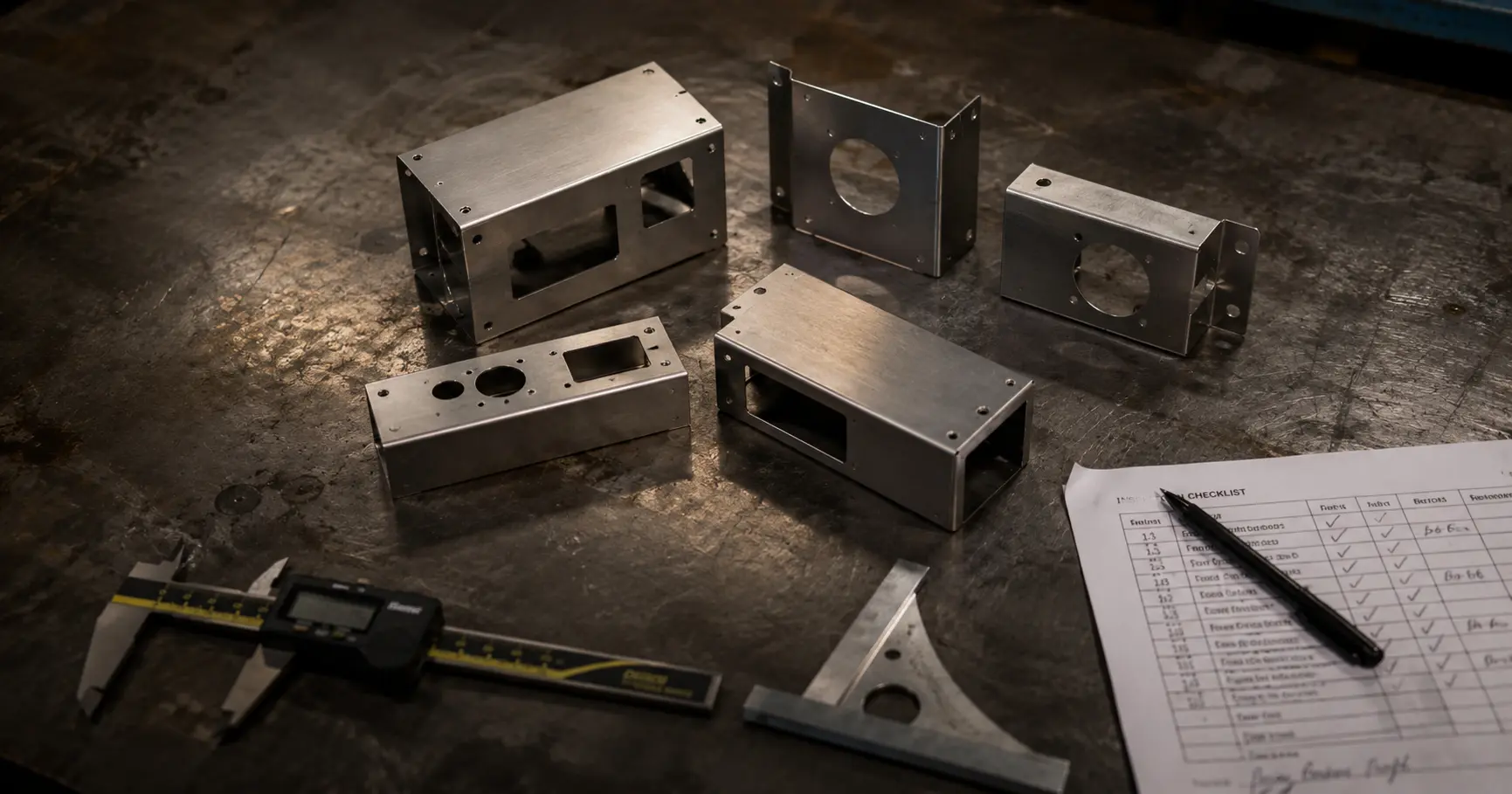
SR MFG bietet Präzisionslaserzuschnitt für kundenspezifische Blechbauteile, Gehäuse, Paneele, Halterungen und Rahmen. Wir unterstützen Prototypen- und Serienfertigung mit sauberen Kanten, engen Profilen und stabiler Wiederholbarkeit.
±
±0,03 mm/m
Positioniergenauigkeit
1500 × 3000 mm
Max. Blechgröße
OEM
Prototyp & Serie
Produktionsunterstützung

Erhalten Sie ein individuelles Angebot in 24 Stunden

Laden Sie Ihre Zeichnungen für die technische Prüfung hoch.

Leeres Formular (#4)

Warum SR MFG für kundenspezifischen Laserzuschnitt wählen?

Vertrauenswürdiger Partner für OEM-Laserzuschnitt- und Blechfertigungsprogramme.

Stainless steel laser cutting parts

Hochpräzisionszuschnitt

±0,03 mm/m Positioniergenauigkeit ermöglicht präzise Profile und komplexe Geometrien.

Stabile Schnittqualität

Fortschrittliche Strahlkontrolle und Echtzeitüberwachung gewährleisten saubere Kanten und stabile Wärmeeinflusszone mit minimaler Abweichung.

Großformatige Kapazität

1500 x 3000 mm große Blechgröße unterstützt eine breite Palette von Paneelen, Gehäusen und Strukturteilen.

Multimaterial-Zuschnitt

Zuschnitt von Kohlenstoffstahl, Edelstahl, Aluminium, Kupfer, verzinktem Blech und mehr mit zuverlässiger Qualität.

SR MFG vs. typische Laserzuschnitt-Lieferanten

Ein praktischer Vergleich von Schnittfähigkeit, Präzision, Kapazität, Lieferzeit und One-Stop-Fertigungsunterstützung.

Dimension SR MFG Vorteil Typische Wettbewerber
Schnittfähigkeit Multimaterial-Zuschnitt mit breitem Dickenbereich Begrenzte Materialien oder Dickenbeschränkungen
Präzision & Qualität Saubere Kanten und stabile Qualität mit fortschrittlicher Ausrüstung Präzision variiert je nach Ausrüstung und Bediener
Produktionskapazität Mehrere Maschinen unterstützen Parallelproduktion Begrenzte Reservekapazität
Lieferzeit Schnelle Muster und skalierbare Serienfertigung Längere Lieferzeit bei Großaufträgen
Komplettfertigung aus einer Hand Zuschnitt, Biegen, Schweißen, Oberflächenbearbeitung und Montage Nur Laserzuschnitt
Qualitätssicherung ISO-zertifizierter Prozess mit Prüfkontrolle Weniger Zertifizierungen oder weniger strukturierte QS
Kosteneffizienz Geringeres Lieferkettenrisiko und bessere Projektkontrolle Fragmentierte Lieferkette und höheres Ausfallrisiko
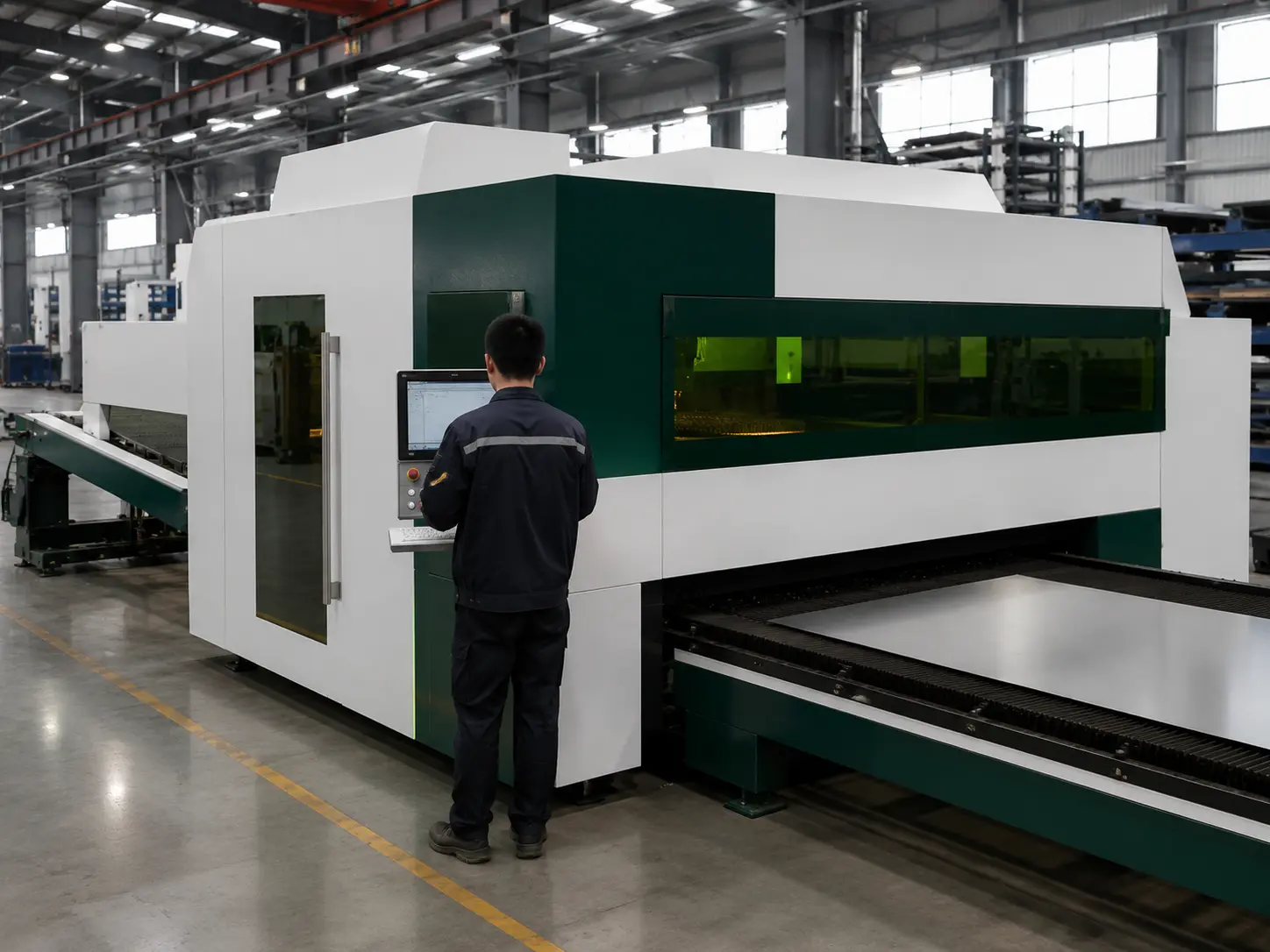
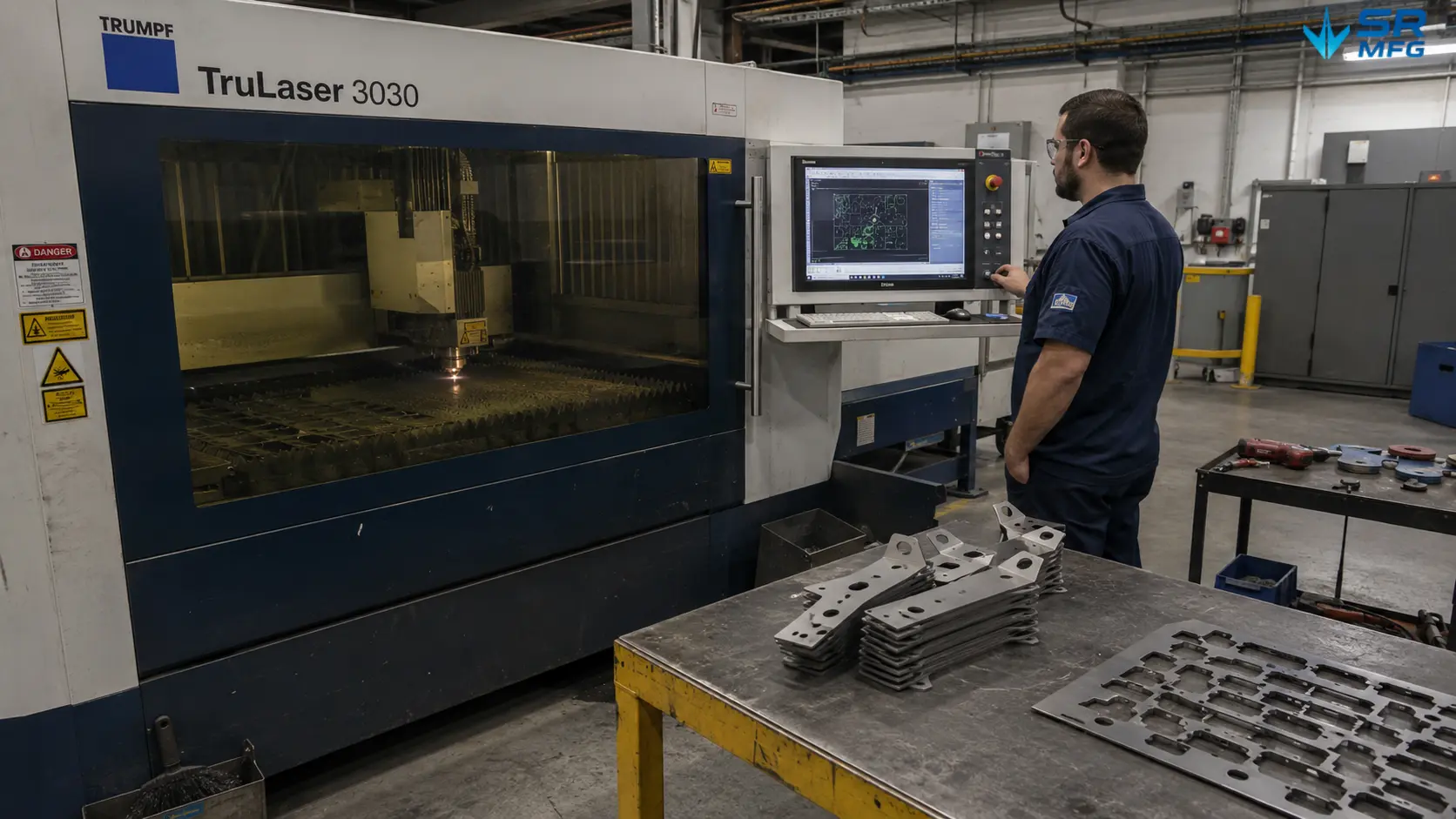
Fiber laser cutting machine cutting steel bracket parts through the protective viewing window, with an operator monitoring the cutting program on the HMI control panel
Fähigkeiten

SR MFG's Präzisions-Laserzuschnitt-Fähigkeiten

SR MFG bietet Präzisionslaserzuschnitt für kundenspezifische Blechbauteile, Gehäuse, Paneele, Halterungen und Rahmen.

Mit kontrollierten Schnittparametern und automatisierter Produktionsausrüstung unterstützen wir sowohl Prototypen- als auch Serienfertigung mit sauberen Kanten und stabiler Wiederholbarkeit.

Saubere Kantenqualität

Reduzierung von Graten, Verformung und Nachbearbeitungsaufwand.

Komplexes Profilschneiden

Schlitze, Bohrungen, Konturen und individuelle Blechprofile schneiden.

Reflektierende Metallbearbeitung

Unterstützung von Aluminium, Kupfer, Messing und anderen reflektierenden Metallen.

Materialauslastungsoptimierung

Verbesserung der Verschachtelungseffizienz und Reduzierung von Blechabfall.

Vertrauenswürdiger OEM-Partner

Fortschrittliche Laser-Schneidanlagen, strenge Prozesskontrolle und ISO-zertifiziertes Qualitätsmanagement gewährleisten gleichbleibende Leistung und langfristige Zuverlässigkeit für jedes Projekt.

SR MFG Laser-Schneidemaschinentypen

CO₂-Laser-Schneidemaschinen

CO₂-Laser-Schneidemaschinen

Obwohl der Großteil der Blechindustrie auf Faserlaser-Schneiden umgestiegen ist, spielen CO₂-Systeme in bestimmten Fällen nach wie vor eine Schlüsselrolle – beispielsweise bei Teilen mit großen Dickenunterschieden, nichtmetallischen Sandwichstrukturen oder Prototypen aus Mischmaterialien. Unsere CO₂-Laser-Schneidsysteme werden für die Blechbearbeitung eingesetzt, wo stabile Schnittqualität und gleichbleibende Kantenleistung gefordert sind – und liefern dabei sanfte Kantenübergänge und feine Details, ohne dass Sie Ihr Design an spezielle Materialeigenschaften anpassen müssen.
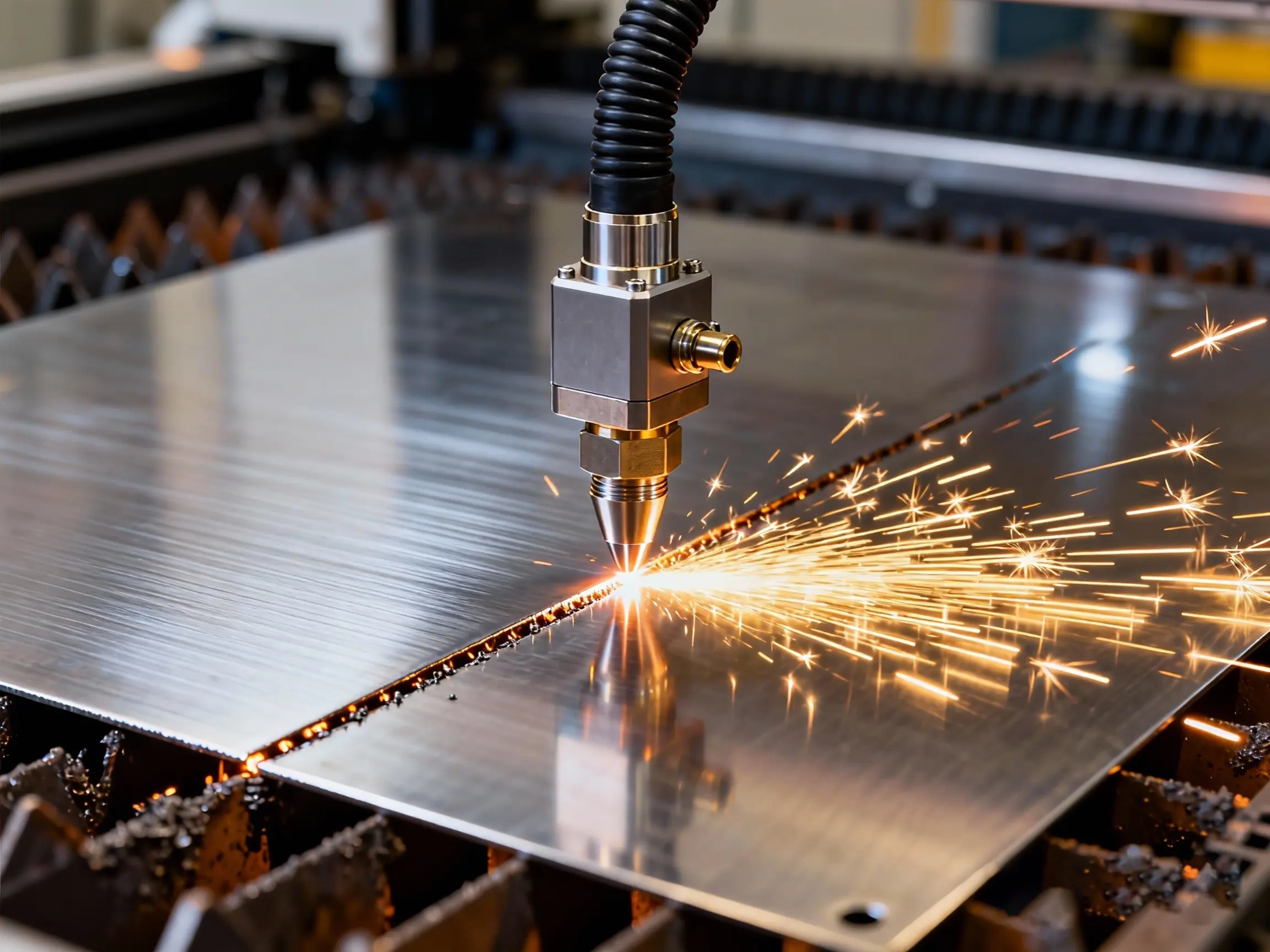
Faserlaser-Schneidemaschinen

Faserlaser-Schneidemaschinen

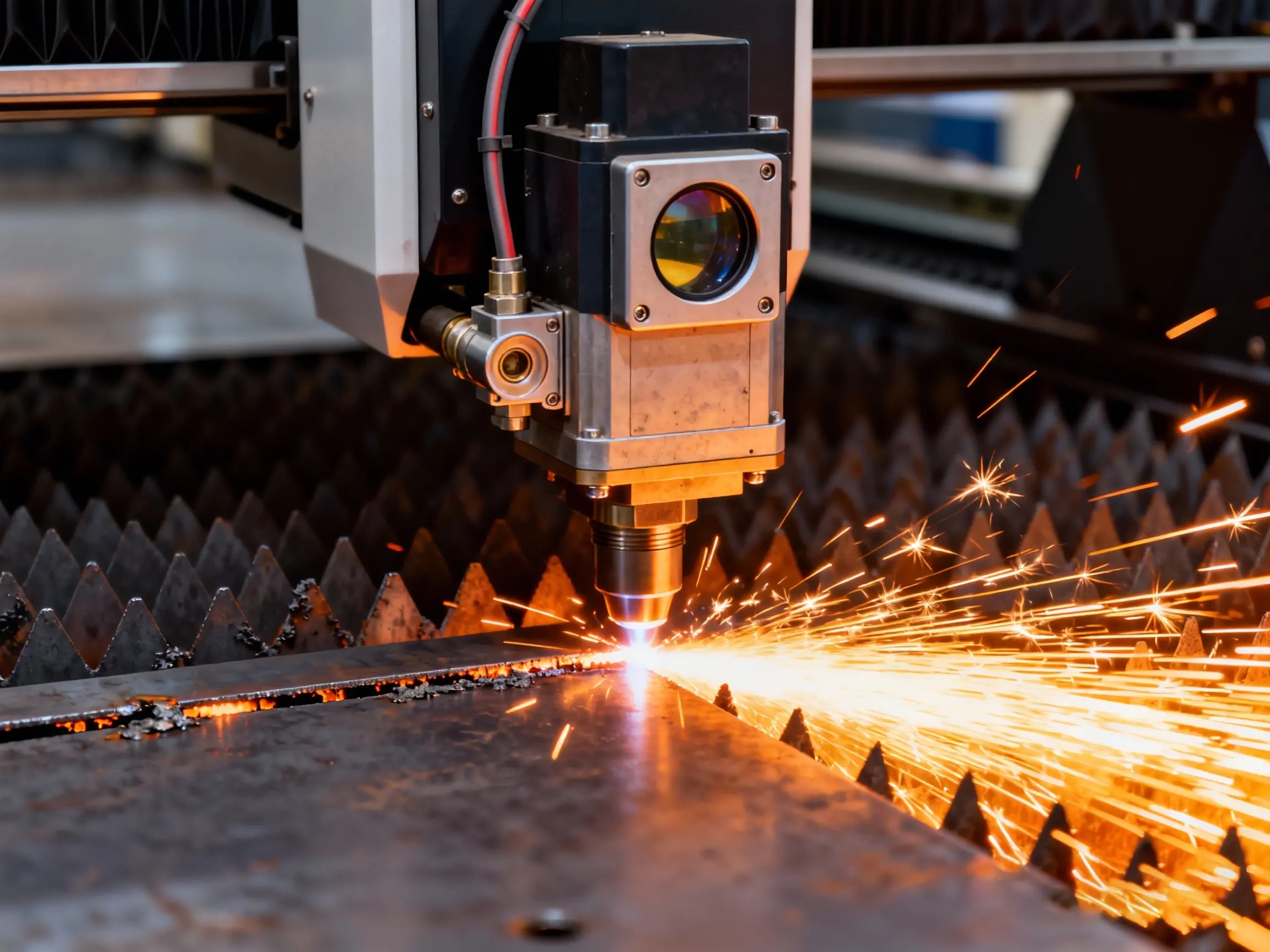
Faserlaser-Schneider bei SR MFG liefern effizientes, hochgeschwindigkeits-Schneiden für sowohl Serien- als auch individuelle Metallteile, einschließlich reflektierender Materialien. Mit 3–5 kW Leistung sowie automatisiertem Be- und Entladen und Racking halten unsere Linien stabile Geschwindigkeit, wiederholbare Genauigkeit und gleichbleibende Strahlqualität – selbst im unbeaufsichtigten oder personalreduzierten Betrieb, wo echte Produktivität aus Stabilität und nicht allein aus Leistung entsteht.

Unsere Laser-Schneidanlagen

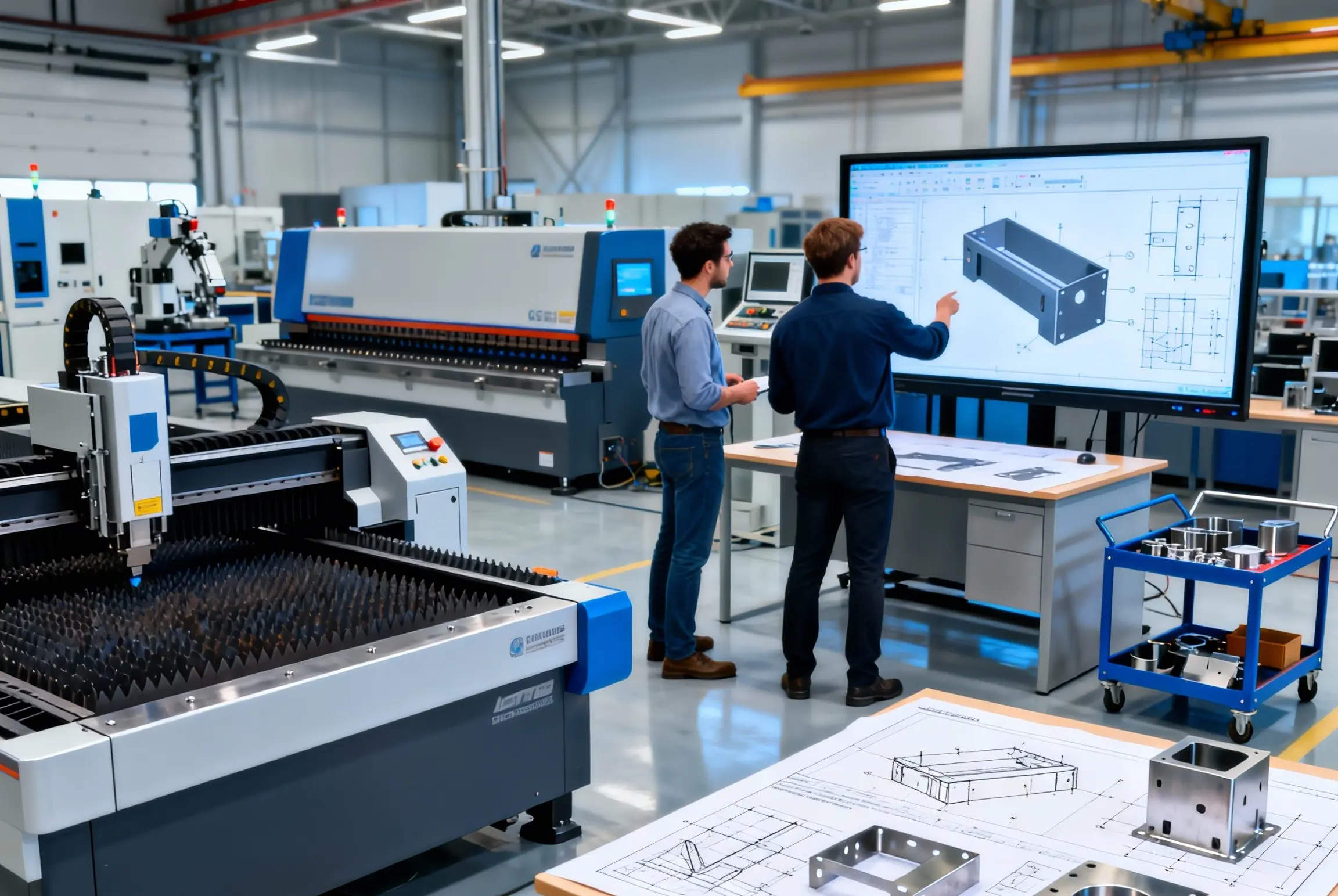
SR MFG verwendet mehrere Laser-Schneidsysteme, um verschiedene Blechmaterialien, Dicken, Teilegrößen und Produktionsmengen zu unterstützen.
Unsere wichtigsten Laser-Schneidsysteme
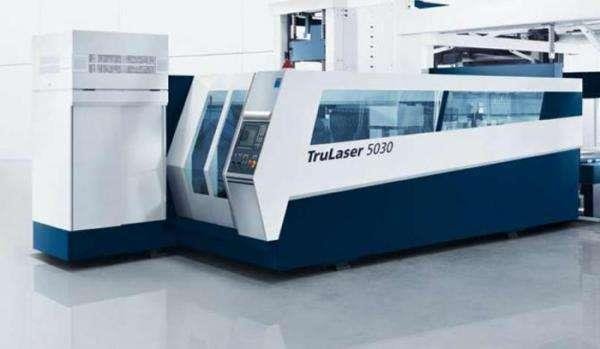
Trumpf TruLaser 5030

Hochleistungs-Präzisionsschneidsystem für großformatige Blechteile und Dickblechanwendungen.

  • Großformatiges Schneiden
  • Hohe Leistungsstabilität
  • Unterstützung von Strukturteilen

Trumpf TruLaser 4030

Vielseitiges CO₂-Laser-Schneidsystem für gleichbleibende Kantenqualität bei verschiedenen Materialien und Dicken.

  • CO₂-Lasertechnologie
  • Gleichbleibende Kantenqualität
  • Unterstützung von Mischmaterialien
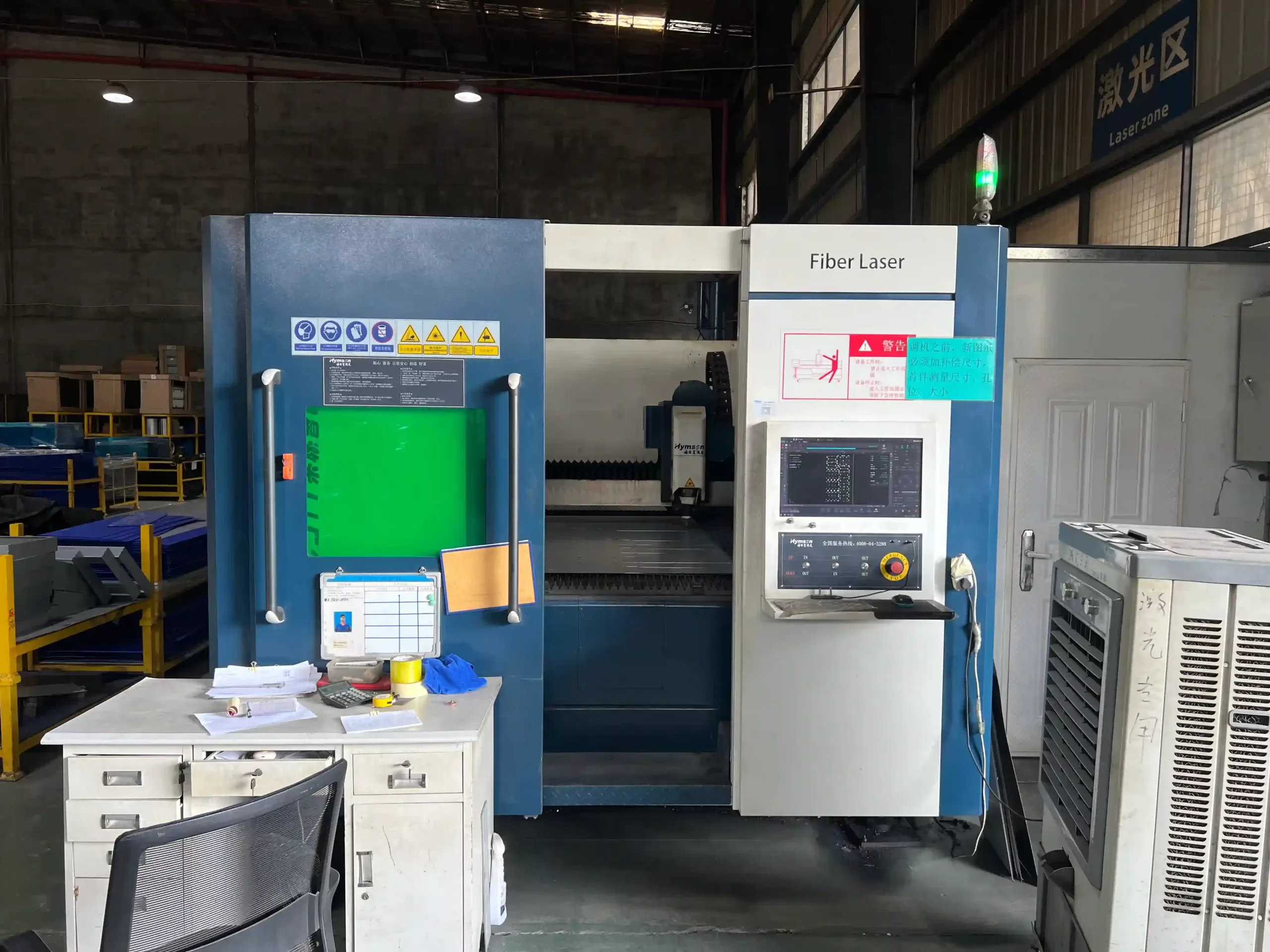
Hymson HF3015B

Hymson HF3015B

Zuverlässiges Faserlaser-Schneidsystem, optimiert für Dünnblechbearbeitung, Serienproduktion und schnelle Lieferung.

  • Dünnblechschneiden
  • Kosteneffizienter Betrieb
  • Schnelle Serienabwicklung
  • Die Maschinenauswahl hängt von Material, Dicke, Toleranz, Geometrie und Auftragsvolumen ab.

Detaillierte Gerätespezifikationen

Laserleistung, Arbeitstischgröße, Schnittdicke, Genauigkeit und Beladeunterstützung.

Gerätemodell Lasertyp / Leistung Arbeitstisch Max. Schnittdicke Positioniergenauigkeit Wiederholbarkeit Automatisches Beladen
Trumpf TruLaser 5030 Faserlaser / 5 kW 3000 × 1500 mm 25 mm Kohlenstoffstahl / 20 mm Edelstahl ±0,03 mm/m ±0,02 mm Unterstützt
Trumpf TruLaser 4030 CO₂-Laser / 4 kW 3000 × 1500 mm 20 mm Kohlenstoffstahl ±0,03 mm/m ±0,02 mm Unterstützt
Hymson HF3015B Faserlaser / 3 kW 3000 × 1500 mm 20 mm Kohlenstoffstahl ±0,03 mm/m ±0,02 mm Unterstützt

Production Capacity Benchmark

Internal capacity reference based on continuous production conditions.

Reference condition: 6 mm carbon steel · Continuous 24-hour, 3-shift operation.
Gerätemodell Cutting Speed Utilization Rate Tagesleistung
(Theoretical Cutting Length)
Typical Part Qty
(per day, based on 1m × 1m sheet parts)
TruLaser 5030 30 m/min 85% 36,720 m ~3,600 parts
TruLaser 4030 15 m/min 85% 18,360 m ~1,800 parts
HF3015B 25 m/min 85% 30,600 m ~3,000 parts
Total daily capacity: over 9,000 thin-sheet parts/day. Actual output depends on part complexity, material thickness, nesting efficiency, material changeover, and machine warm-up or maintenance.

Accuracy, Tolerance & Repeatability

SR MFG focuses on stable,consistent quality in mass production. Our laser cutting process ensures
tight tolerances, smooth edges, and excellent repeatability from prototype to large-scale production.

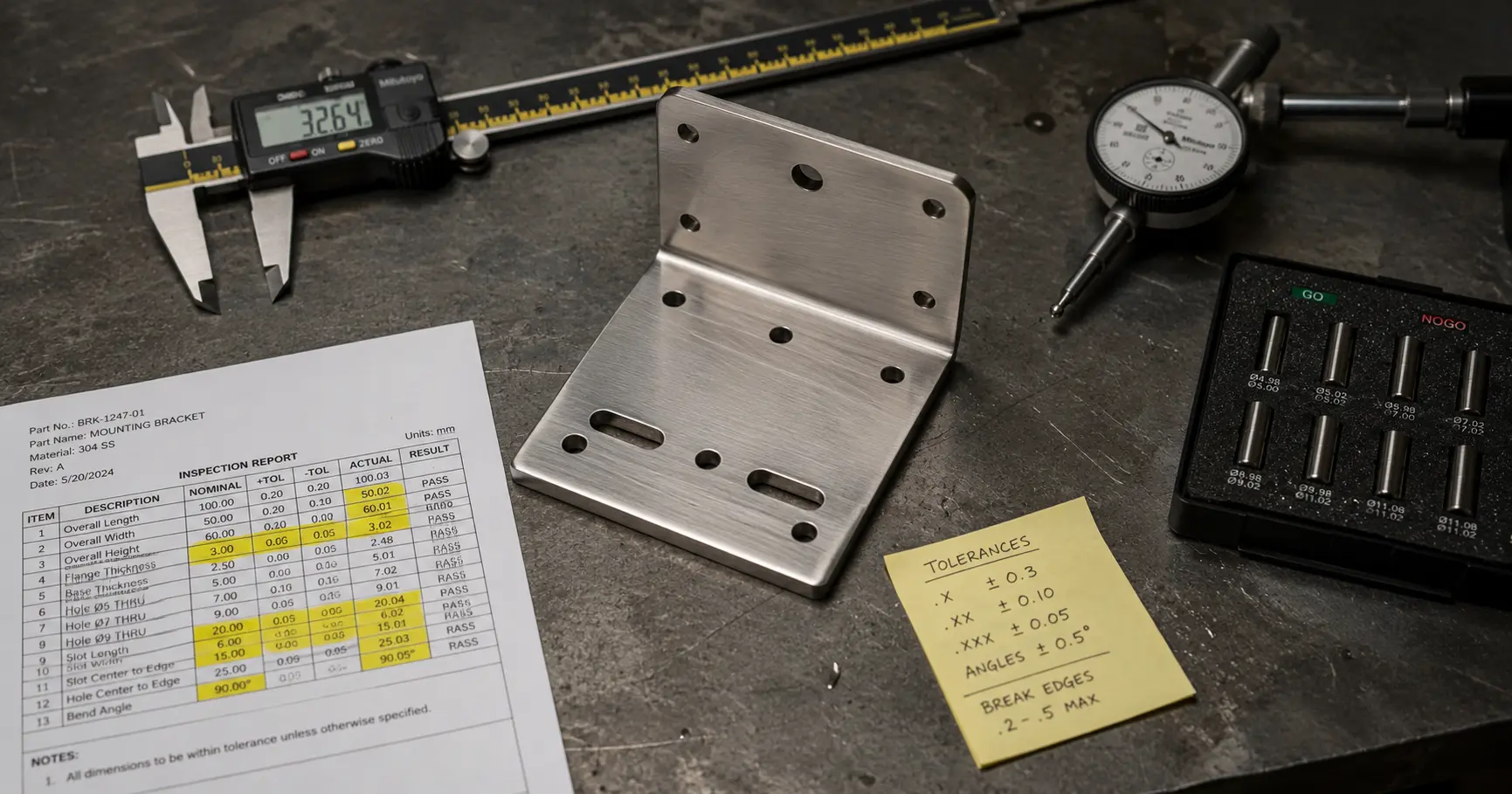
±0.10 mm

Mass Production Tolerance
Consistent tolerance for mostsheet metal parts.

±0,03 mm/m

Positioning AccuracyHigh positioning precision ensuresexcellent dimensional control.

Standard Tolerances for Laser-Cut Metal

View reference tolerance ranges by machine type, thickness, accuracy, roughness, and tolerance grade.

Machine Model Materialstärke Linear Dimensional Tolerance Angular Tolerance
(per 100 mm)
Lochpositionstoleranz
(Hole Diameter ≤ 50 mm)
Surface Roughness Ra
(μm)
Tolerance Grade
TRUMPF 5030
(Fiber Laser)
≤ 3 mm ±0,05 mm ±0.1° ±0,05 mm 1.6–3.2 IT8
3–6 mm ±0.10 mm ±0.1° ±0.10 mm 1.6–3.2 IT9
6–12 mm ±0.15 mm ±0.1° ±0.10 mm 3.2–6.3 IT9
12–20 mm ±0.20 mm ±0.2° ±0.15 mm 3.2–6.3 IT10
> 20 mm ±0.30 mm ±0.2° ±0.15 mm 6.3–12.5 IT10
TRUMPF 4030
(CO₂ Laser)
≤ 3 mm ±0.08 mm ±0.1° ±0.08 mm 3.2–6.3 IT8
3–6 mm ±0.15 mm ±0.1° ±0.12 mm 3.2–6.3 IT9
6–12 mm ±0.20 mm ±0.2° ±0.15 mm 6.3–12.5 IT9
12–20 mm ±0.25 mm ±0.2° ±0.20 mm 6.3–12.5 IT10
> 20 mm ±0.35 mm ±0.3° ±0.20 mm 12.5–25 IT10
Hymson HF3015B
(Fiber Laser)
≤ 3 mm ±0.06 mm ±0.1° ±0.06 mm 1.6–3.2 IT8
3–6 mm ±0.12 mm ±0.1° ±0.10 mm 1.6–3.2 IT9
6–12 mm ±0.18 mm ±0.2° ±0.12 mm 3.2–6.3 IT9
Hinweis: For conventional steel and aluminum thin-sheet parts, SR MFG can typically maintain mass-production tolerance around ±0.1 mm. Final tolerances depend on material, thickness, part geometry, contour complexity, and inspection requirements.

Small Holes & Complex Contours

For small holes, sharp corners, narrow slots, and complex contours, SR MFG adjusts piercing strategy, beam mode, and cutting path to maintain stable edge quality and dimensional accuracy.

  • Optimized initial piercing strategy
  • Beam mode adjustment for fine features
  • Step-cutting for complex contours
  • Micro-joints added when needed for stability
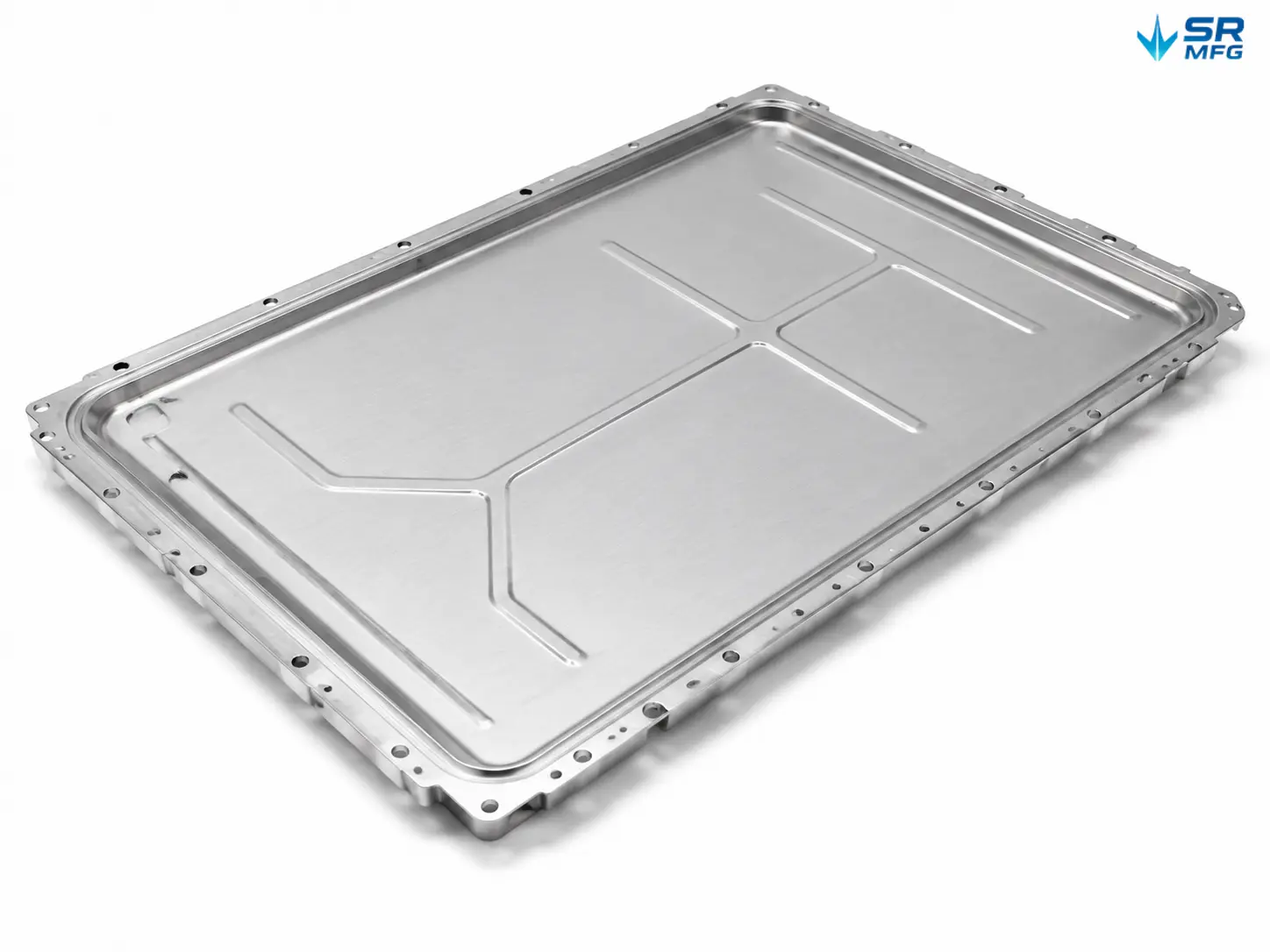
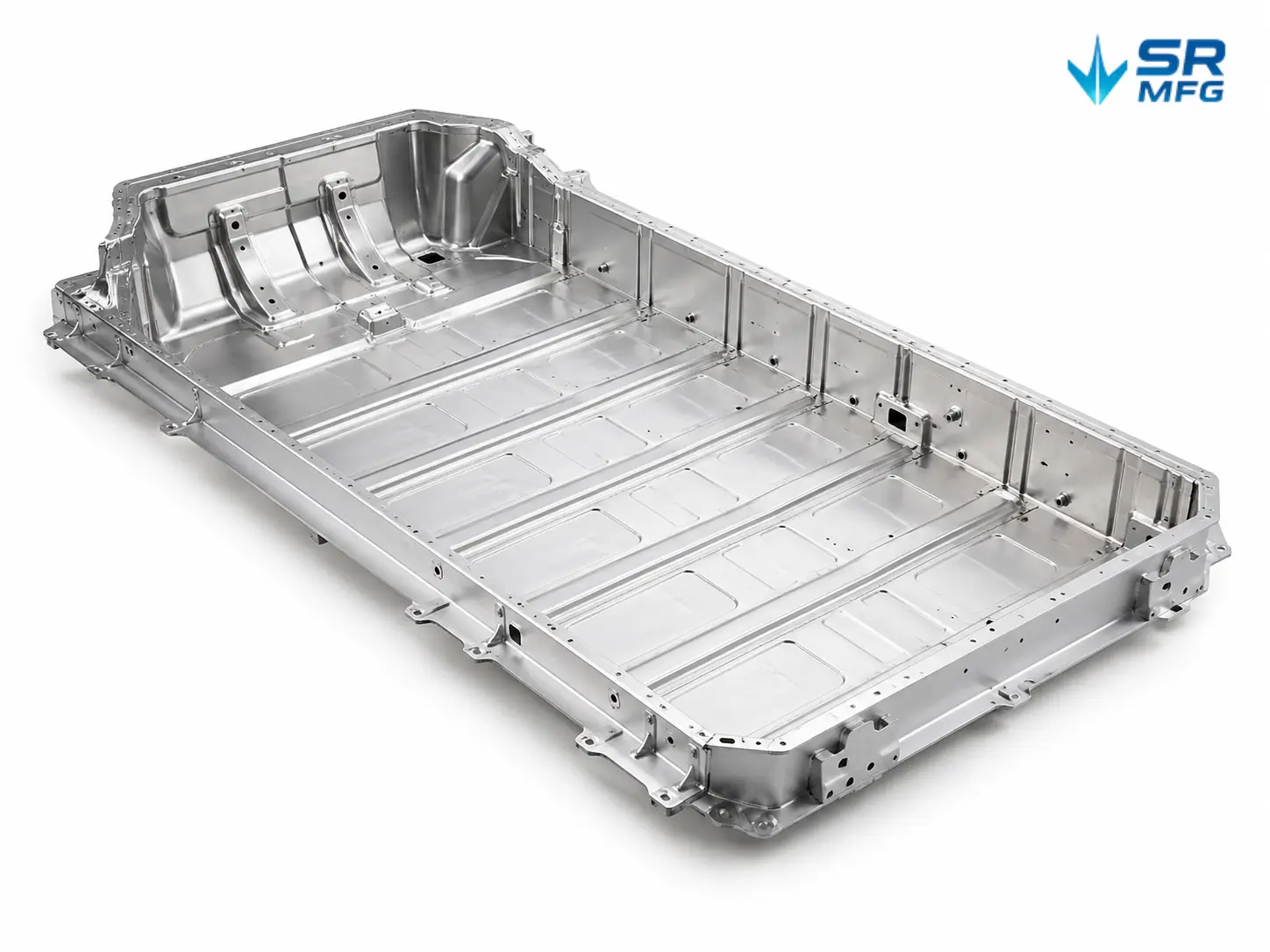
Result: Complex parts such as electronic housings, brackets, and battery trays can remain stable from prototype samples to repeat production batches.

HAZ & Edge Quality Control

Edge quality affects later bending, welding, coating adhesion, and assembly. SR MFG controls heat input, assist gas pressure, and cutting paths to reduce burrs, overheating, and deformation.

  • Low-heat input path optimization
  • Assist gas pressure control
  • Segmented toolpaths to avoid localized overheating
  • Edge condition review before bending or finishing
Result: Parts are closer to a “ready for next process” condition, reducing heavy rework and improving overall laser cutting quality.

Repeatability & Batch Consistency

For batch production, the key challenge is not only making one accurate part, but keeping dimensions consistent across different shifts, machines, and repeat orders.

  • Standardized cutting parameters
  • Consistent sheet clamping method
  • Unified toolpath offset settings
  • Nozzle and head wear monitoring across batches
Result: Centralized process parameters help maintain dimensional consistency from prototype validation to large-volume production.
  • For special requirements or tighter tolerances, contact our engineering team. We willreview feasibility and provide the best solution

From Prototype to Mass Production

SR MFG supports laser-cut sheet metal projects from rapid samples to repeat batch production.
Prototype Rapid Sample Lead Time

Prototype Samples

Rapid samples for fit, function, anddesign validation.

  • 3-7 day sample lead time

  • DFM review and program setup

  • Sample validation and quick feedback

Mass-Production Capability

Small & Medium Batch

Flexible batch production forvalidated sheet metal parts.

  • 100-5,000 pcs typical range

  • Standard process parameters

  • Controlled inspection and fast changeover

SR MFG's production volume range for laser-cut parts 1 piece →100,000+ pieces

Massenproduktion

Repeatable production with controlled quality and delivery.

  • 5,000-100,000+ pcs capability

  • Multi-machine capacity

  • Batch traceability and process control

Common Laser Cutting Materials & Grades

SR MFG supports stable, mass-production-ready laser cutting for commonly used sheet metal materials. If you are not sure which grade is suitable, our team can recommend the right material based on thickness, performance, and application requirements.

Carbon Steel and Low Alloy Steel

Batch cutting thickness: 3–20 mm

Maximum cutting thickness: 22 mm
Assist gas: Oxygen
Typische Anwendungen: Building structural parts, equipment bases

View Q235/B carbon steel guide →

Batch cutting thickness: 3–18 mm

Maximum cutting thickness: 20 mm
Assist gas: Oxygen
Typische Anwendungen: Bridge brackets, factory machinery components

View hot-rolled steel guide →

Batch cutting thickness: 2–15 mm

Maximum cutting thickness: 18 mm
Assist gas: Oxygen
Typische Anwendungen: Drive shafts, gear blanks

Batch cutting thickness: 0.5–12 mm

Maximum cutting thickness: 15 mm
Assist gas: Oxygen
Typische Anwendungen: Precision electronic housings, automotive parts

View SPCC cold-rolled steel guide →

Batch cutting thickness: 0.5–10 mm

Maximum cutting thickness: 12 mm
Assist gas: Air
Typische Anwendungen: Precision electronic housings, cabinets, home appliance casings

View SGCC galvanized steel guide →

Edelstahl

Batch cutting thickness: 1–15 mm

Maximum cutting thickness: 18 mm
Assist gas: Nitrogen
Typische Anwendungen: Medical equipment, food machinery

View 304 stainless steel guide →


Batch cutting thickness: 1–12 mm

Maximum cutting thickness: 15 mm
Assist gas: Nitrogen
Typische Anwendungen: Marine engineering, chemical containers

View 316L stainless steel guide →

Batch cutting thickness: 1–18 mm

Maximum cutting thickness: 20 mm
Assist gas: Air
Typische Anwendungen: Decorative parts, home appliance panels

View 430 stainless steel guide →

Batch cutting thickness: 1–10 mm

Maximum cutting thickness: 12 mm
Assist gas: Nitrogen
Typische Anwendungen: Blades, valve cores

Aluminum and Aluminum Alloys

Batch cutting thickness: 1–8 mm

Maximum cutting thickness: 10 mm
Assist gas: Nitrogen
Typische Anwendungen: Fuel tanks, marine accessories

View 5052-H32 aluminum guide →

Batch cutting thickness: 1–6 mm

Maximum cutting thickness: 8 mm
Assist gas: Nitrogen
Typische Anwendungen: Mechanical frames, electronic heat dissipation parts

View 6061-T6 aluminum guide →

Batch cutting thickness: 0.5–5 mm

Maximum cutting thickness: 6 mm
Assist gas: Nitrogen
Typical applications: Appearance parts, electrical components, conductive parts

View 1060 pure aluminum guide →

Batch cutting thickness: 1–4 mm

Maximum cutting thickness: 5 mm
Assist gas: Nitrogen
Typische Anwendungen: Aerospace structural parts, drone structural components, high-strength supports

View 7075-T6 aluminum guide →

Other Special Materials

Batch cutting thickness: 1–5 mm

Maximum cutting thickness: 6 mm
Assist gas: Nitrogen
Typische Anwendungen: Electrical connectors, bathroom hardware

View H62 brass guide →

Batch cutting thickness: 1–4 mm

Maximum cutting thickness: 5 mm
Assist gas: Nitrogen
Typische Anwendungen: Busbars, heat sinks

View T2 copper guide →

Batch cutting thickness: 1–8 mm

Maximum cutting thickness: 10 mm
Assist gas: Argon
Typische Anwendungen: Structural components, connectors, frames, aircraft load-bearing parts, medical implants

View TC4 titanium alloy guide →

  • Material Compatibility Notes

To ensure consistent cutting quality and stable mass production, we use a simple compatibility guide based on tested thickness ranges for each material on our 3–5 kW fiber and CO₂ laser systems.

  • For best results, keep designs within the recommended batch-production thickness range; performance may decrease near the maximum thickness limit.
  • If your parts include small holes, sharp corners, long narrow slots or other high-difficulty features, please let us know in advance.
  • Different materials and any post-processing (bending, welding, painting, etc.) require specific process windows—share complete drawings so we can run a DFM review and set up the right workflow.

How We Control Laserschneiden Genauigkeit

At SR MFG, “accuracy” is a complete system of parameters, actions, and inspections—not just a nice-looking part in a single run. Our goal is to keep cutting quality stable across different times and batches.

Process Parameter Control

Laser power, cutting speed, focus position, andpiercing parameters are automatically adjustedbased on material type and thickness.

  • Material & thickness specific process window

  • Real-time monitoring and auto compensation

  • Stable cutting quality across different batches

Assist Gas Selection

Appropriate assist gas (N2 / O2/ Air) is selectedaccording to material and surface requirementsto balance edge quality and production efficiency.

  • N₂ for clean edges and oxidation-free surfaces

  • O₂ for carbon steel: faster cutting, better efficiency

  • Air for cost-effective cutting on suitable materials

Kerf & Edge Quality Control

We control kerf width, edge flatness, burr height, and heat-affected zone to ensure parts are ready for bending, welding, and assembly.

  • Typical kerf width: 0.08–0.15 mm (varies by material)

  • Low burr, smooth edge, minimal dross

  • Consistent results for tight-tolerance parts

In-Process Inspection

Key dimensions and critical features are inspected during production to catch issues early and keep quality consistent.

  • Dimensional checks (holes, slots, profiles)

  • Edge quality and burr inspection

  • First-piece & random sampling throughout the run

Laserschneiden Quality Assurance Workflow

To ensure each batch meets the same high standard, SR MFG breaks laser cutting quality control into multiple stages, with traceable data points at each phase, ensuring consistent laser cutting precision und repeatable quality. This ensures that every laser-cut part, from the first to the last, remains consistent.
DFM Review Before Laser Cutting

We don’t just “cut to print.” SR MFG works with you from CAD data to mass production, using DFM and engineering support to reduce redesigns, stabilize quality, and keep costs under control.

CO₂-Laser-Schneidemaschinen

Upfront DFM Review
We review every CAD file for manufacturability, catching issues in holes, slots, ribs, and bend areas before the first sheet is cut.

01.Design Review

Check material, thickness, holes, slots, bend areas, and tolerance risks.

02.Prototype Validation

Use samples to verify fit, function, and process parameters before batch production.

03.Risk Control

Identify warping, burrs, tolerance stack-up, and edge-quality risks early.
Rückverfolgbarkeit

Traceability, Certification & Compliance

Laser-cut parts not only need to meet dimensional requirements but must also form a closed-loop system in terms of material origin, process records, and export compliance. This capability is often not shown directly, but it determines the stability of the supply chain—especially in highly consistency-driven industries such as new energy, data centers, electrical control cabinets, industrial computers, medical equipment, and telecommunications.

The following sections describe our structured approach to traceability and compliance systems.

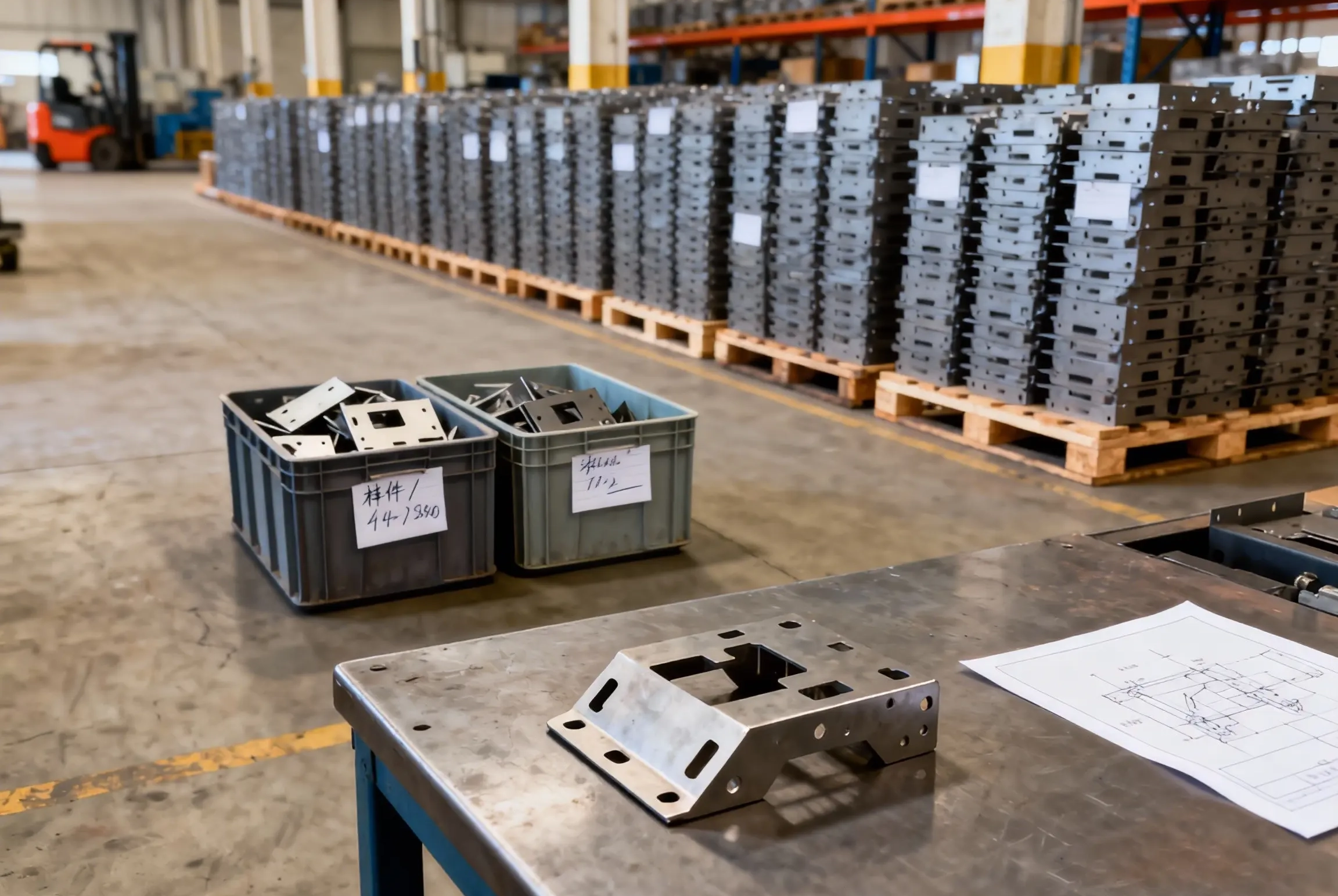
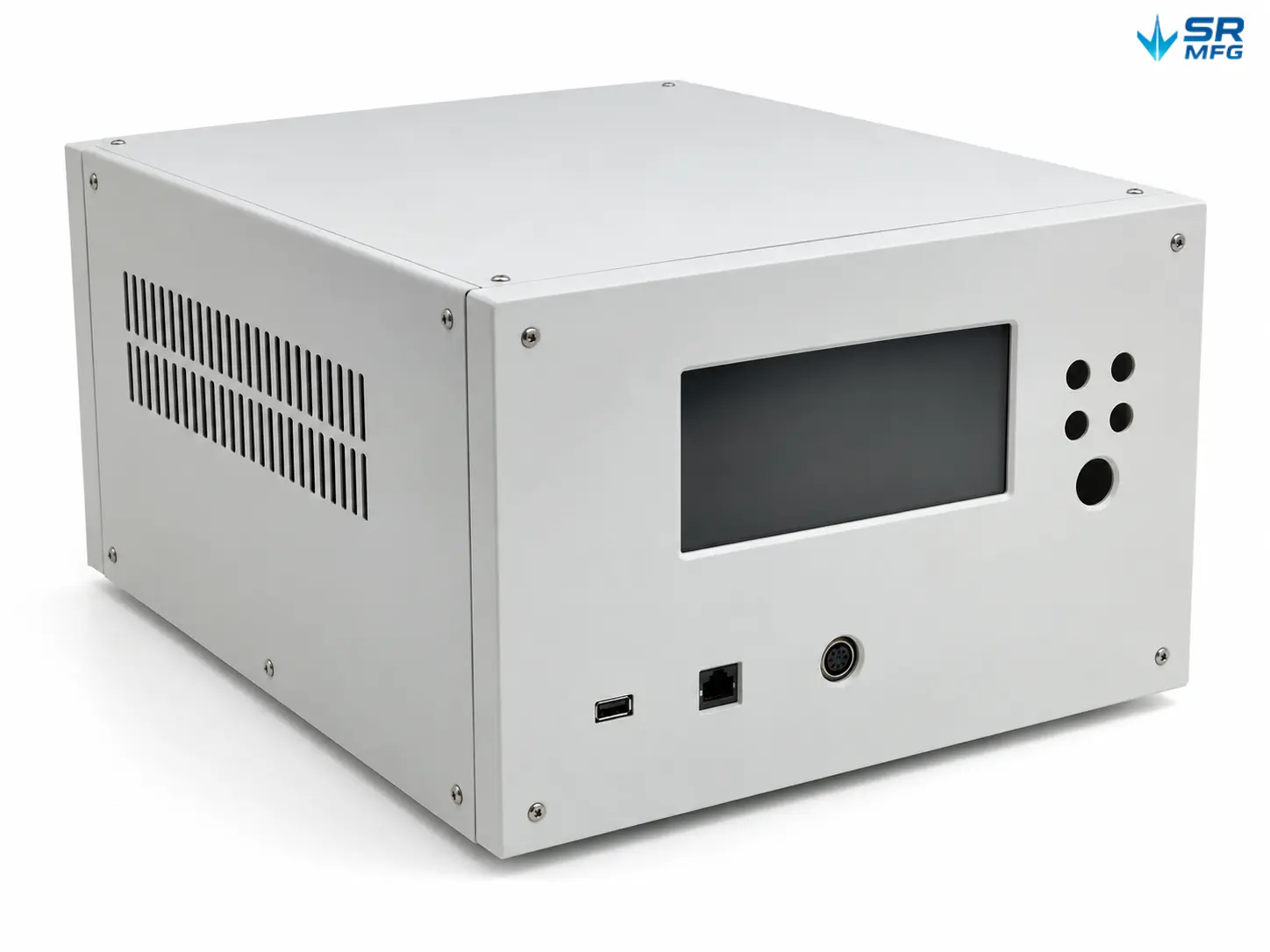
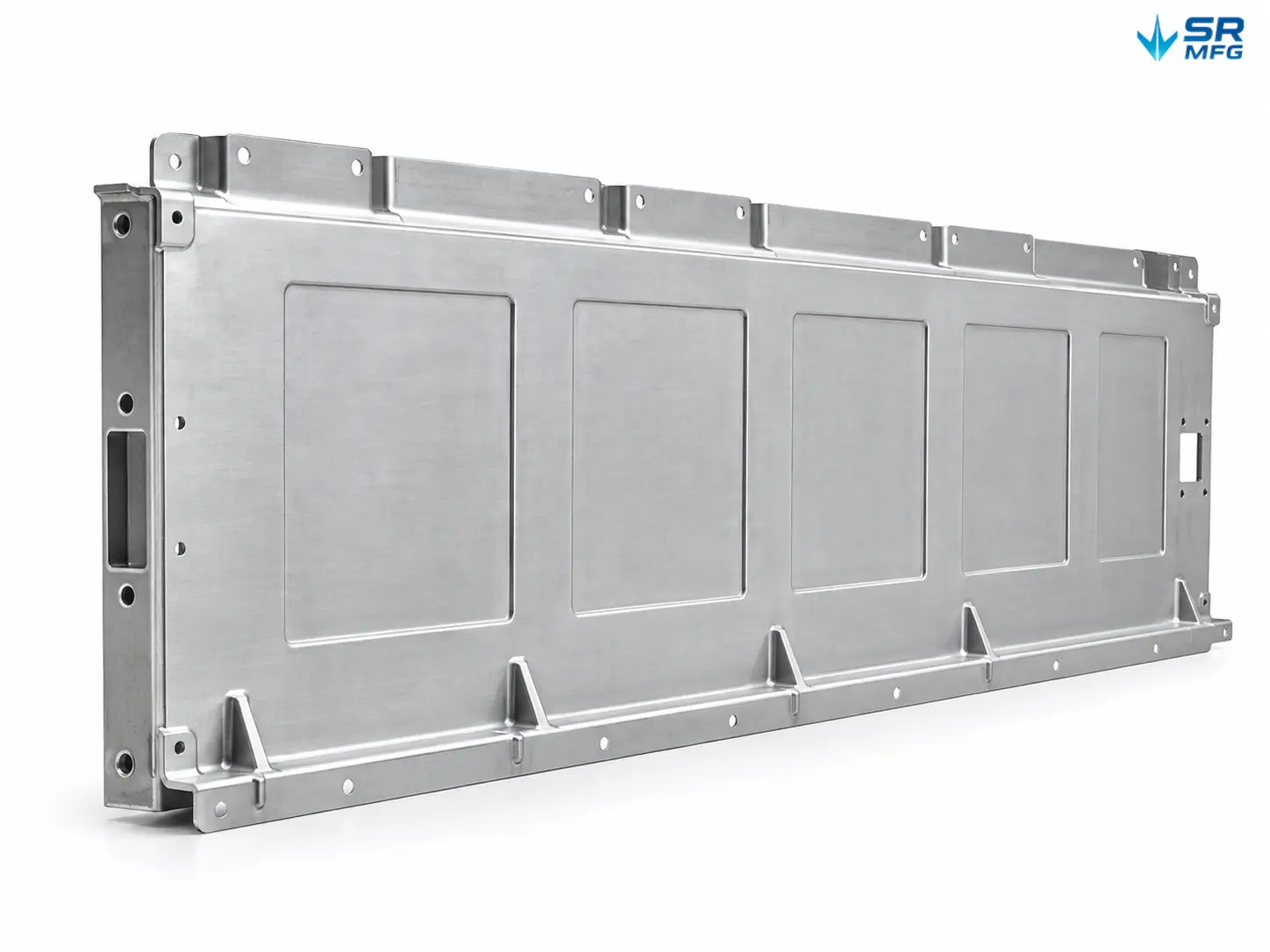
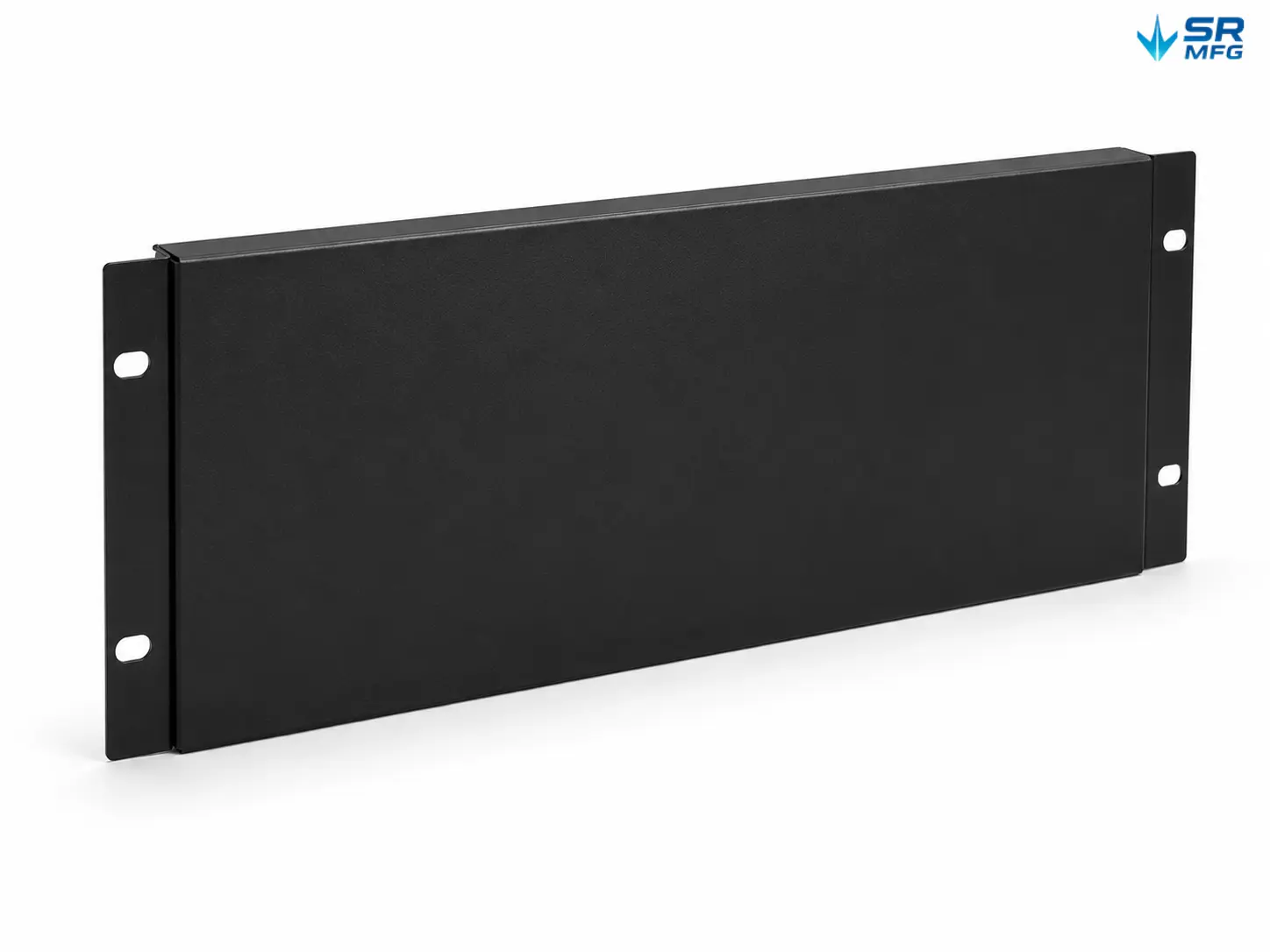
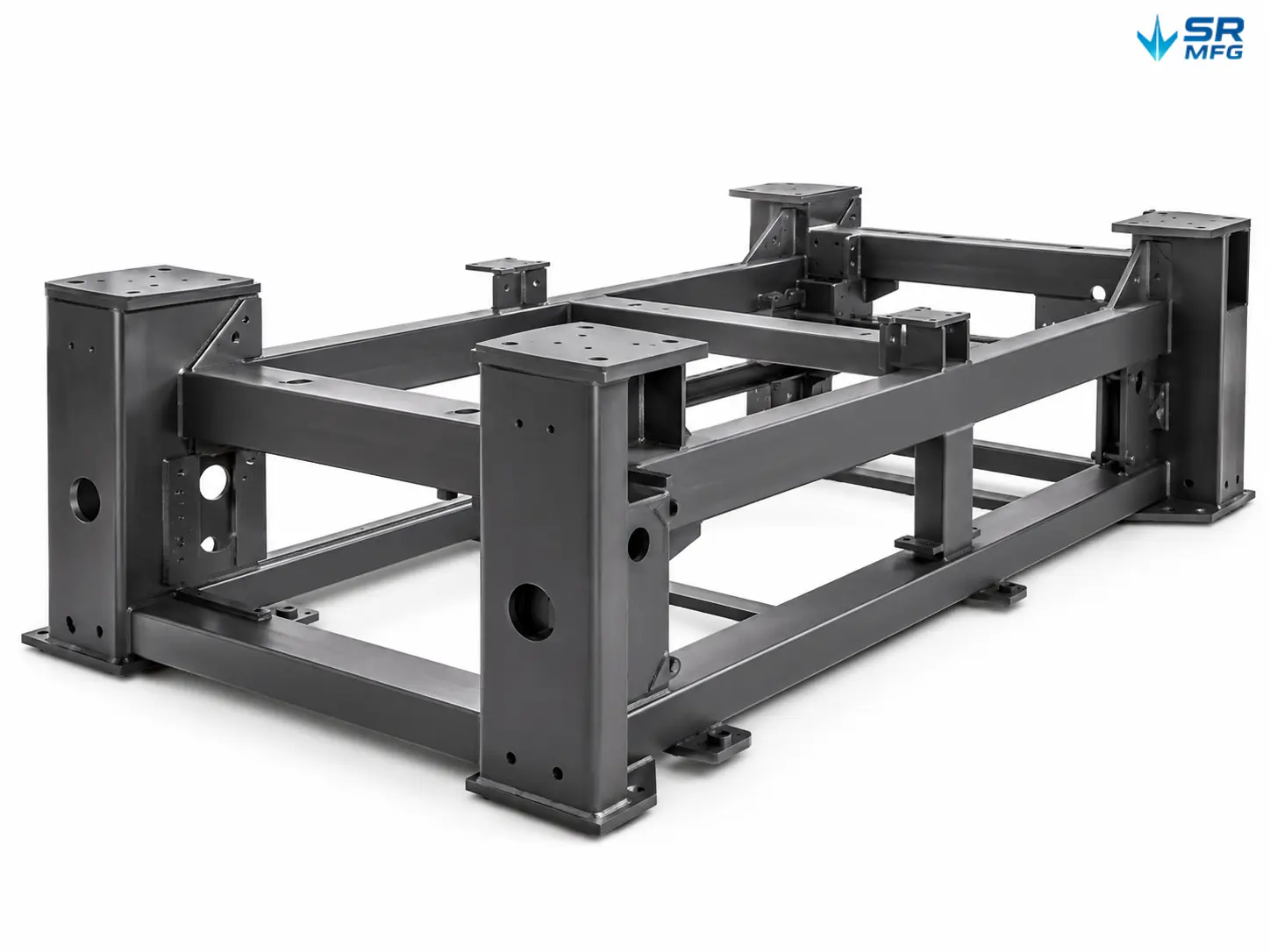
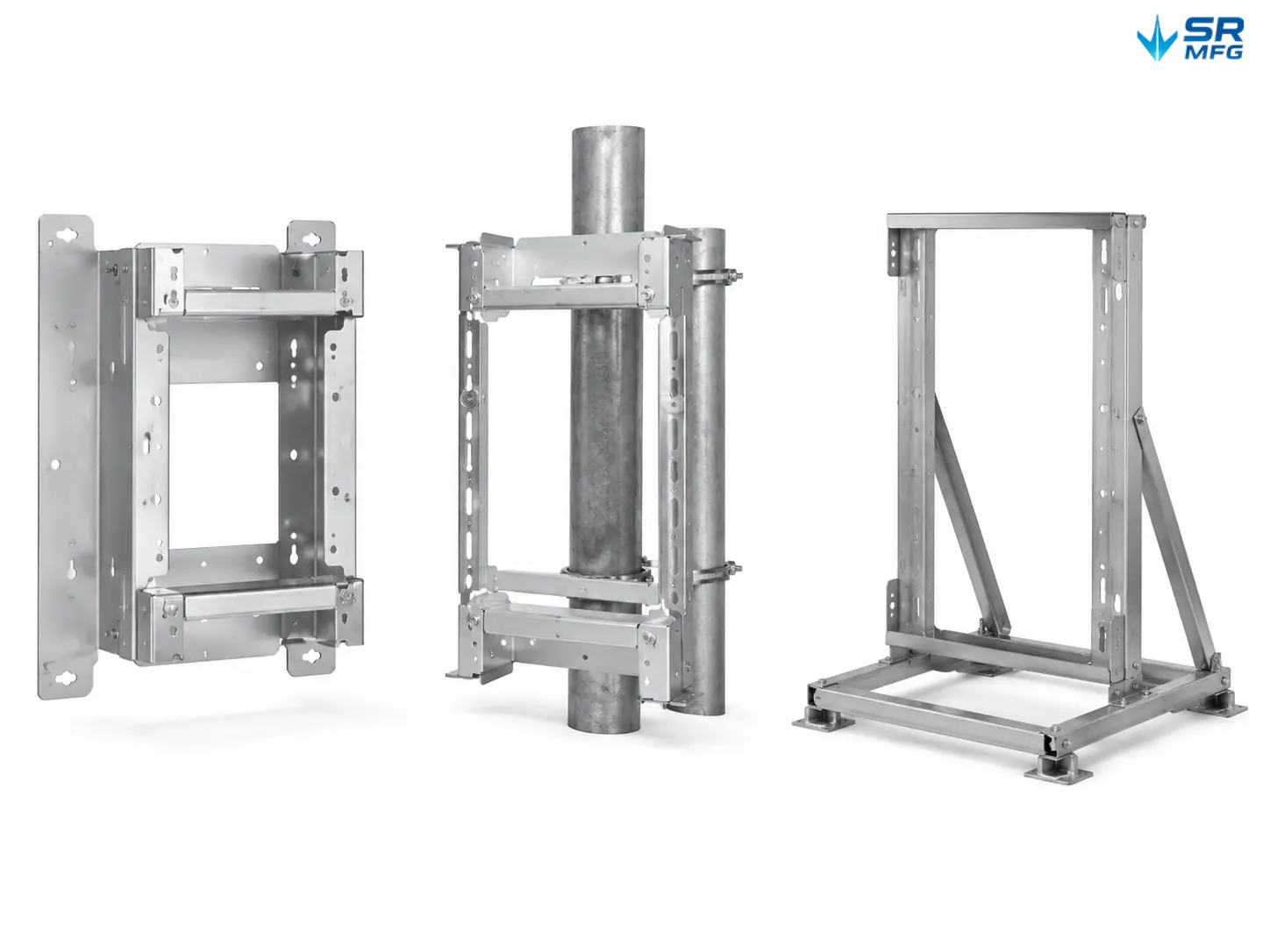
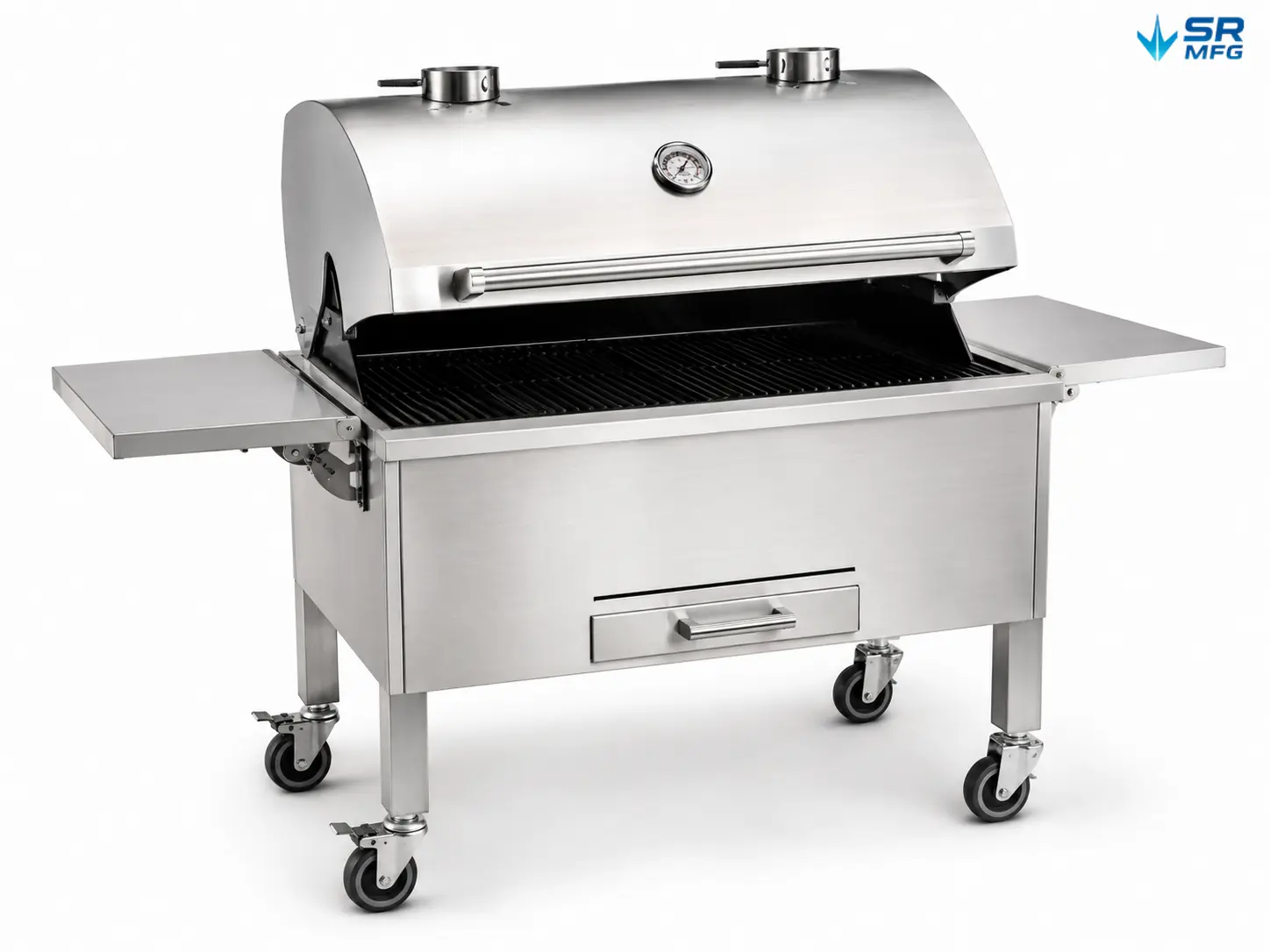
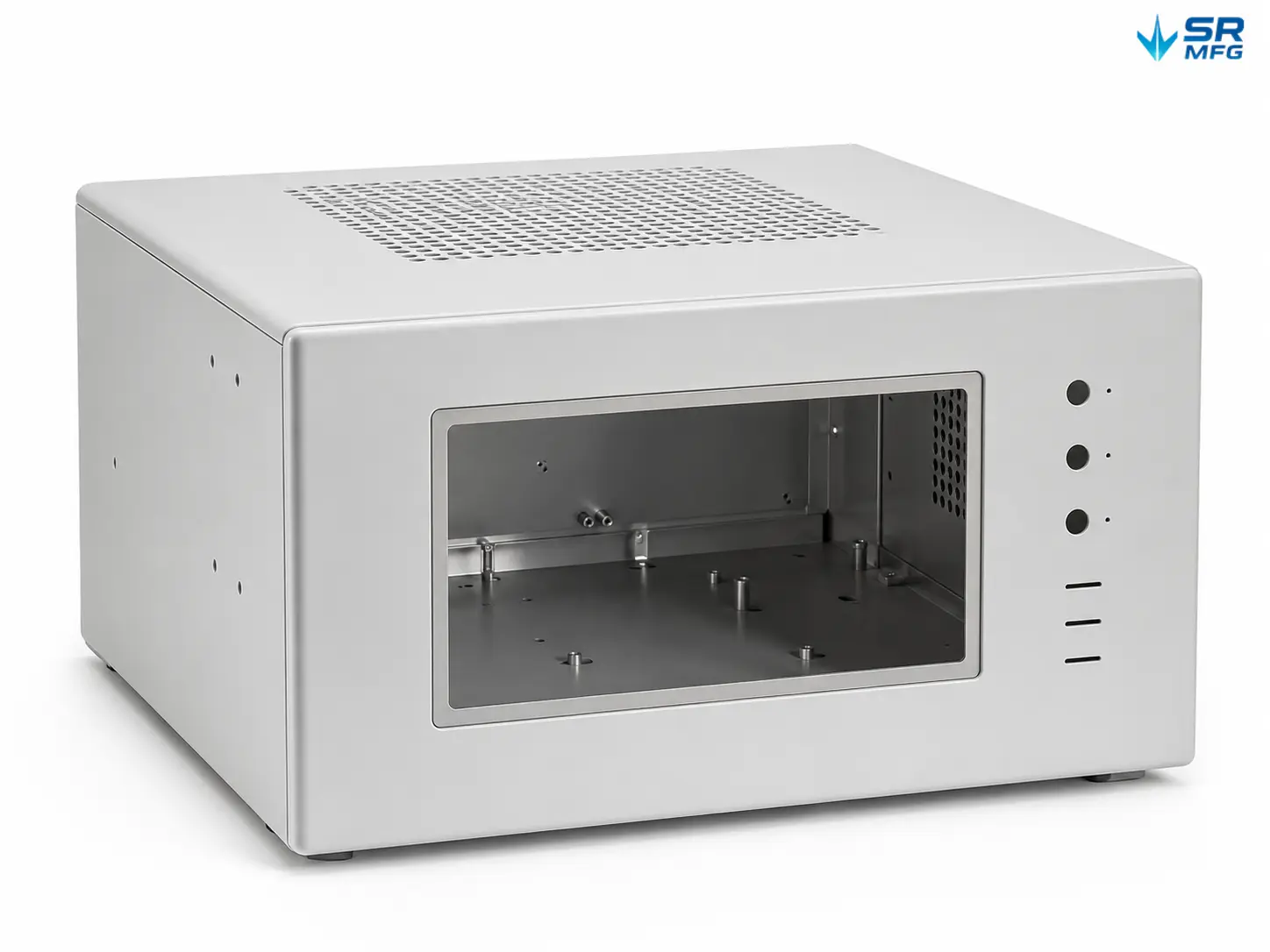
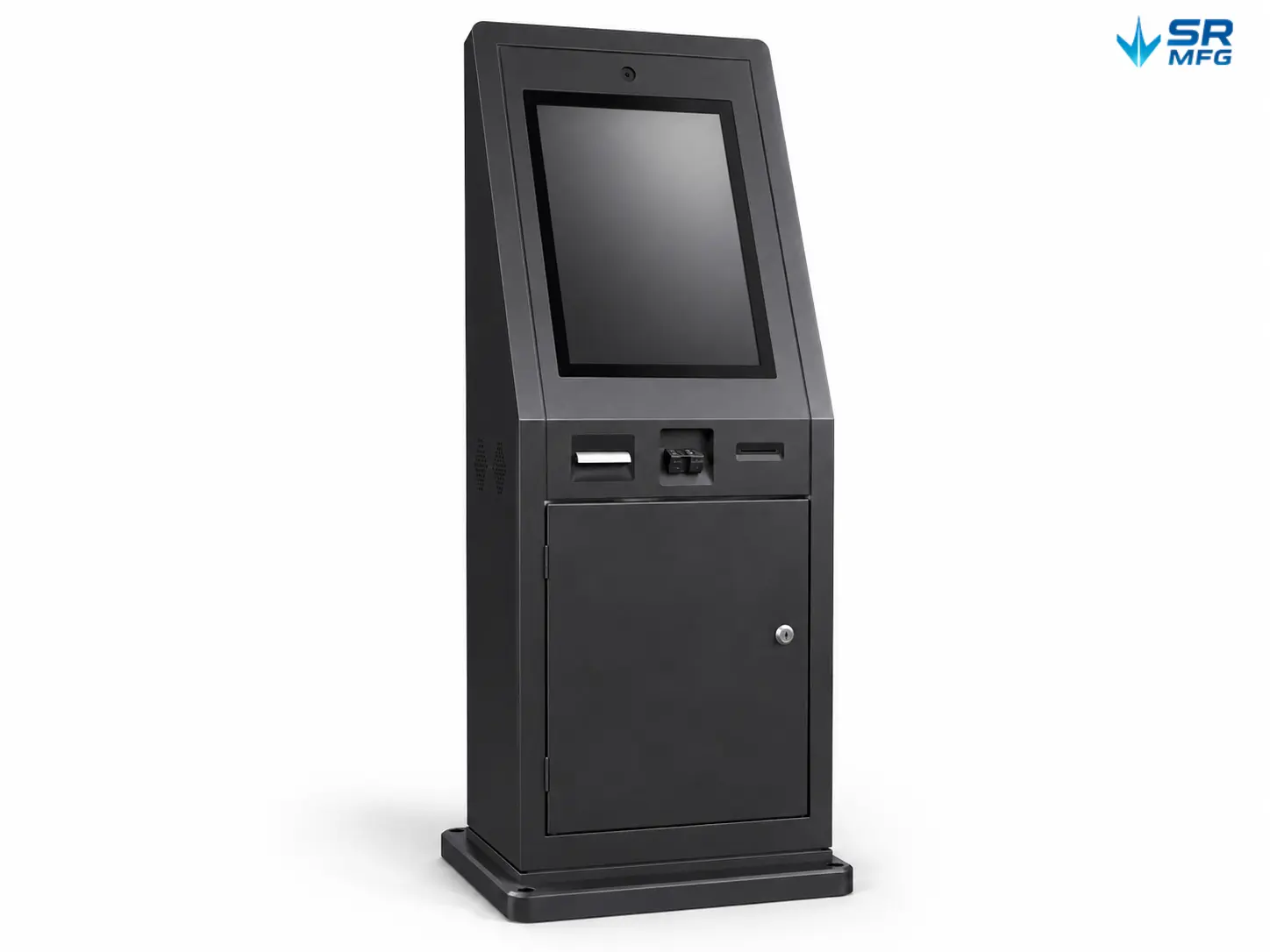
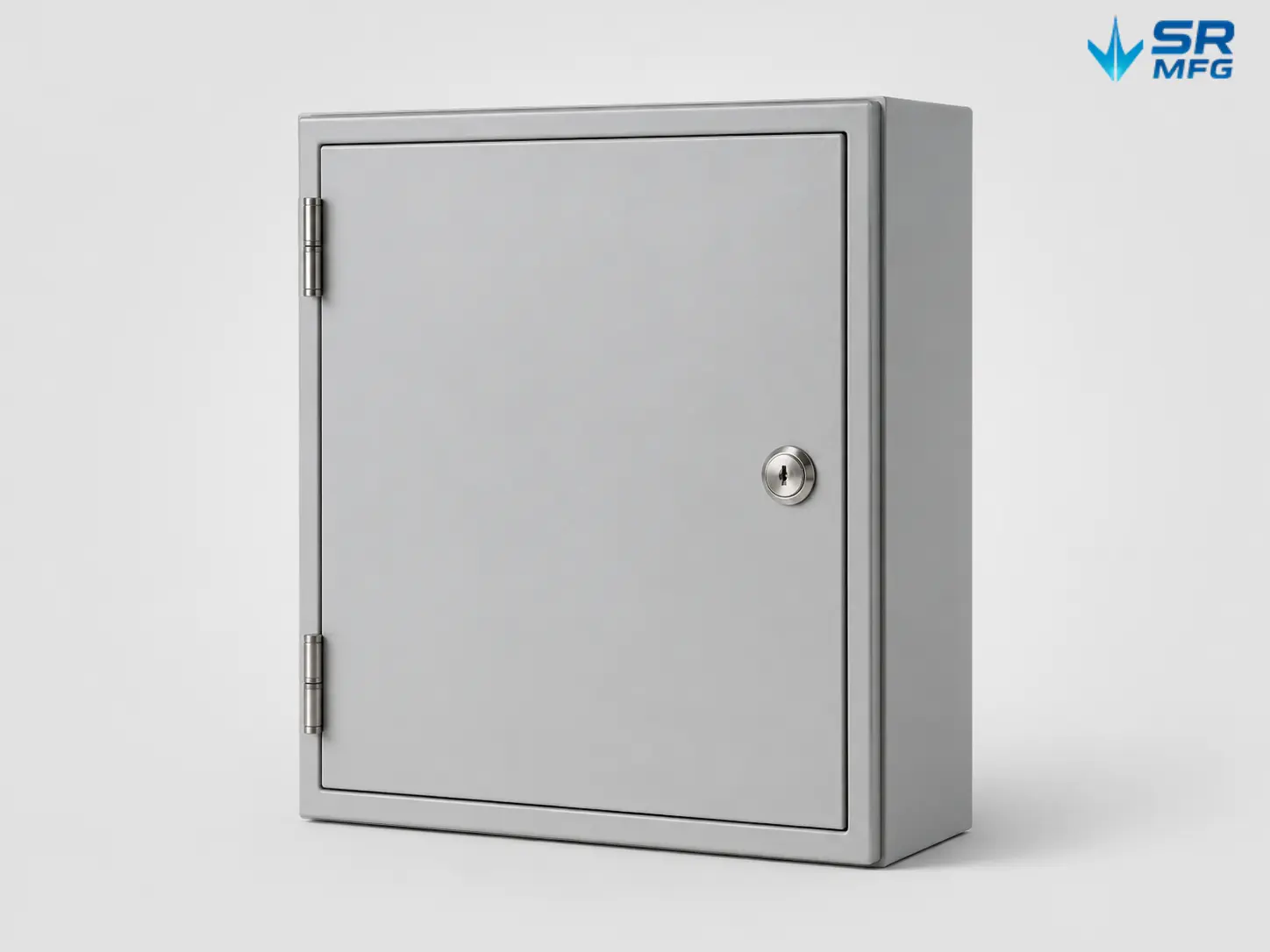
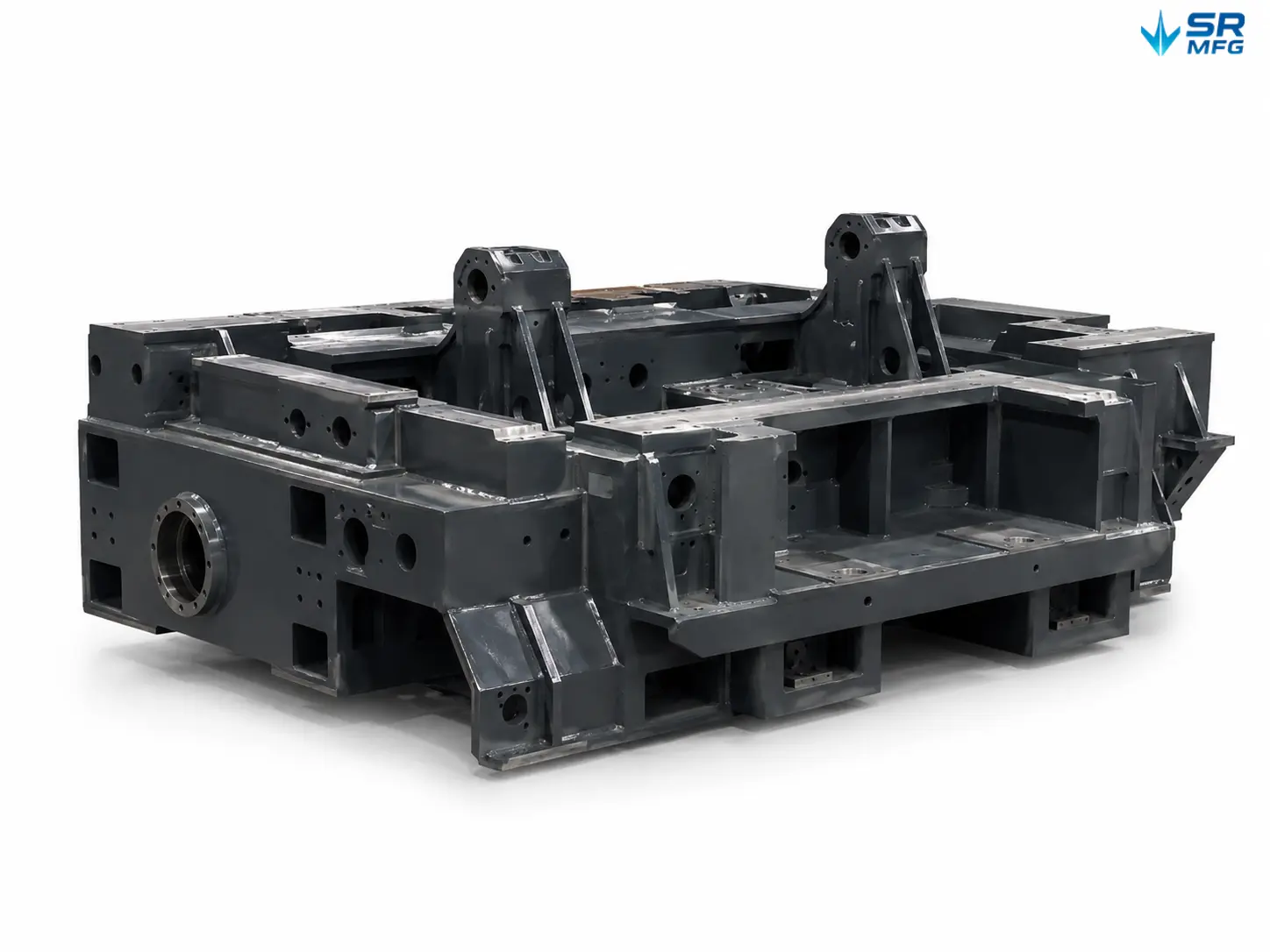
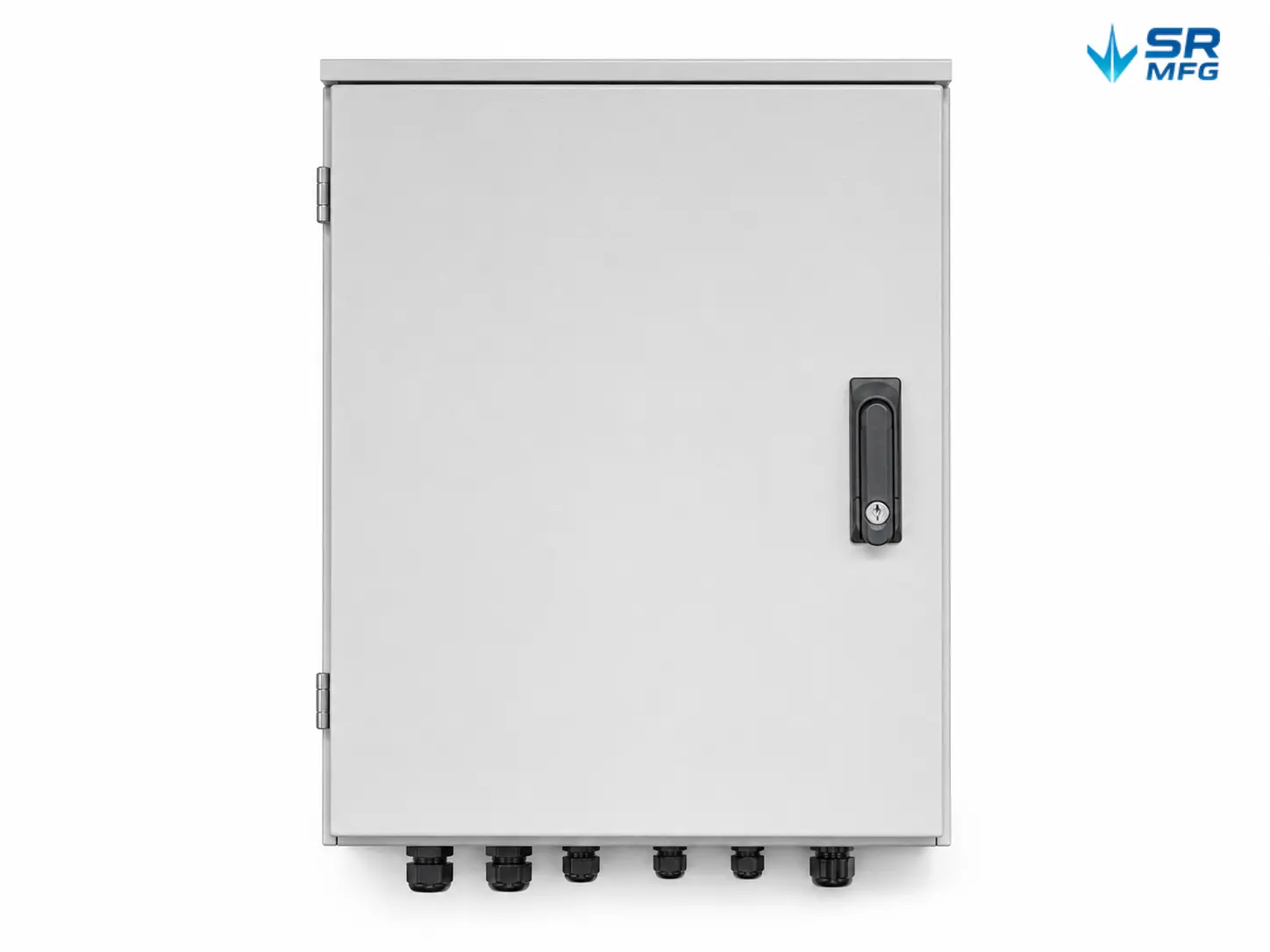
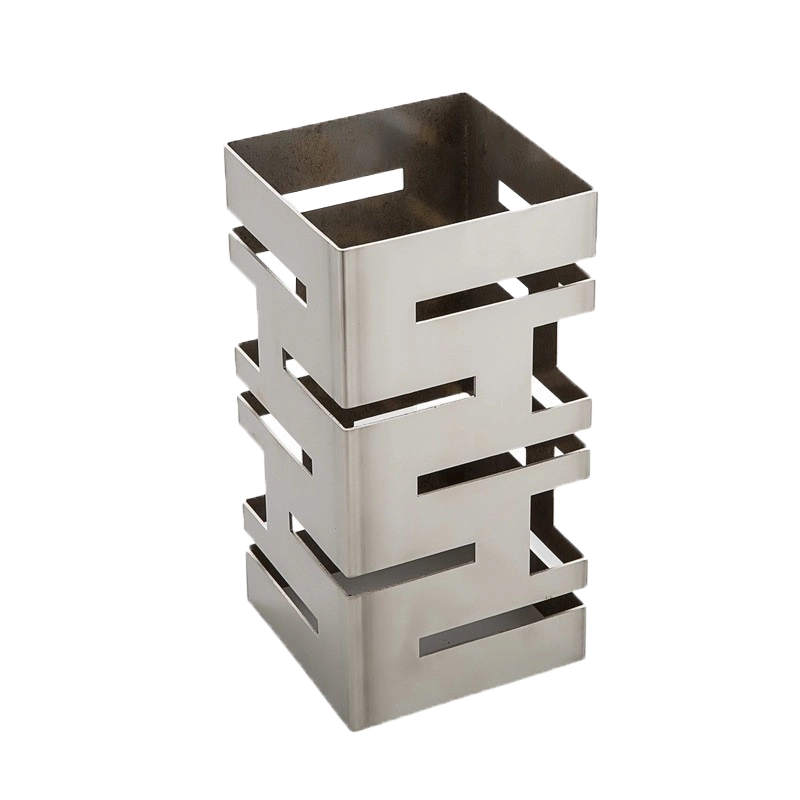
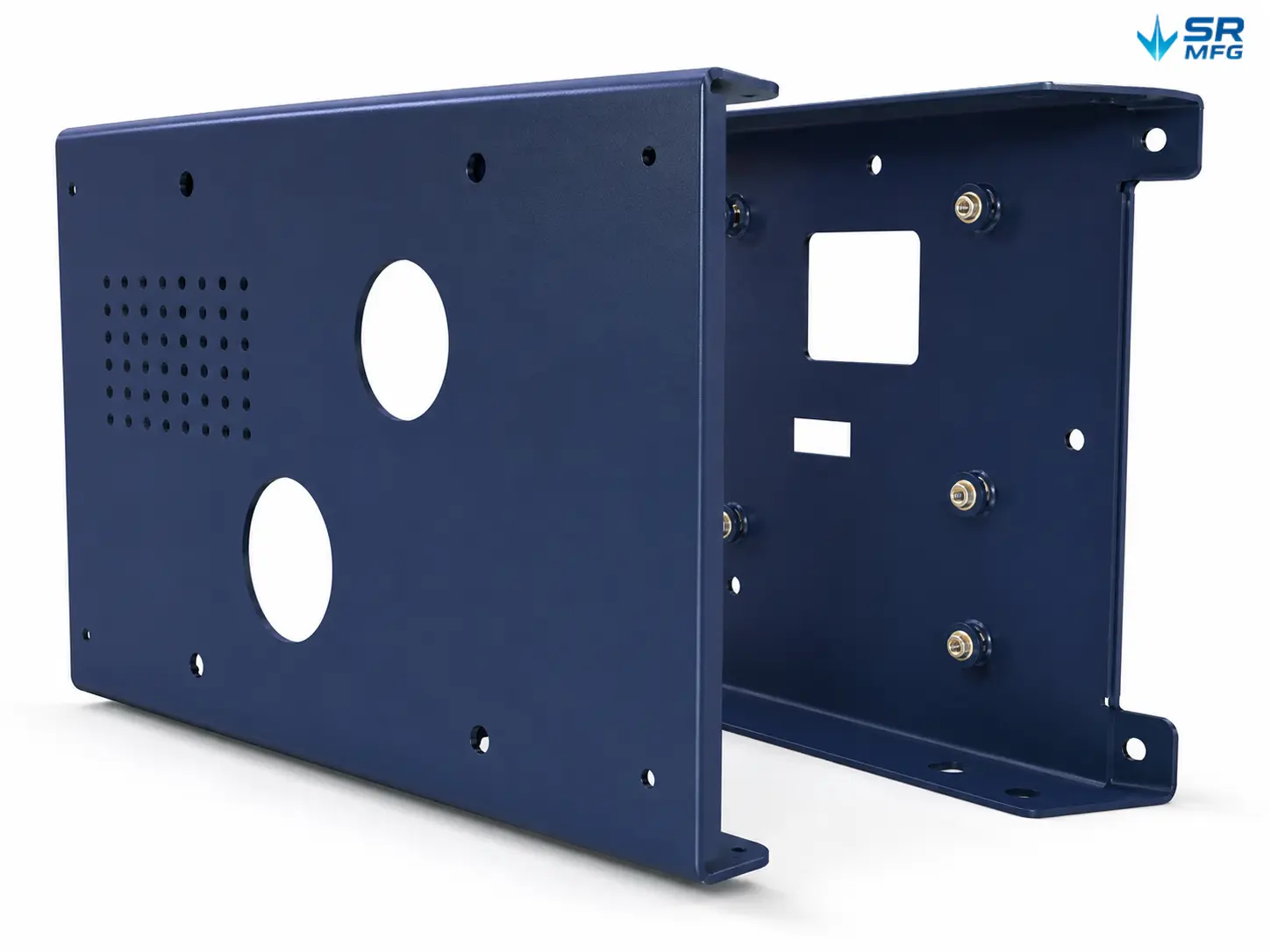
Laser-cut products designed and manufactured by SR MFG

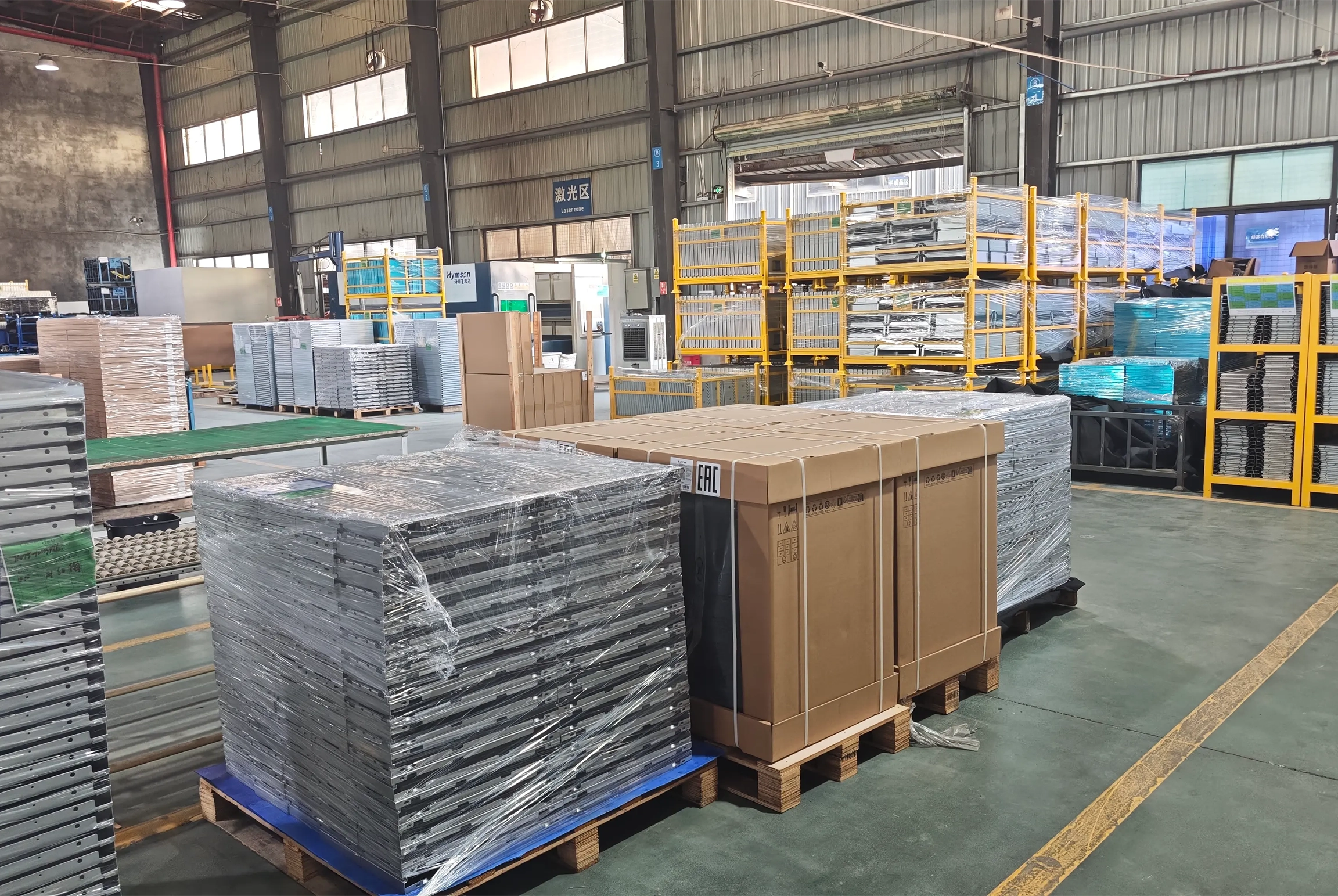
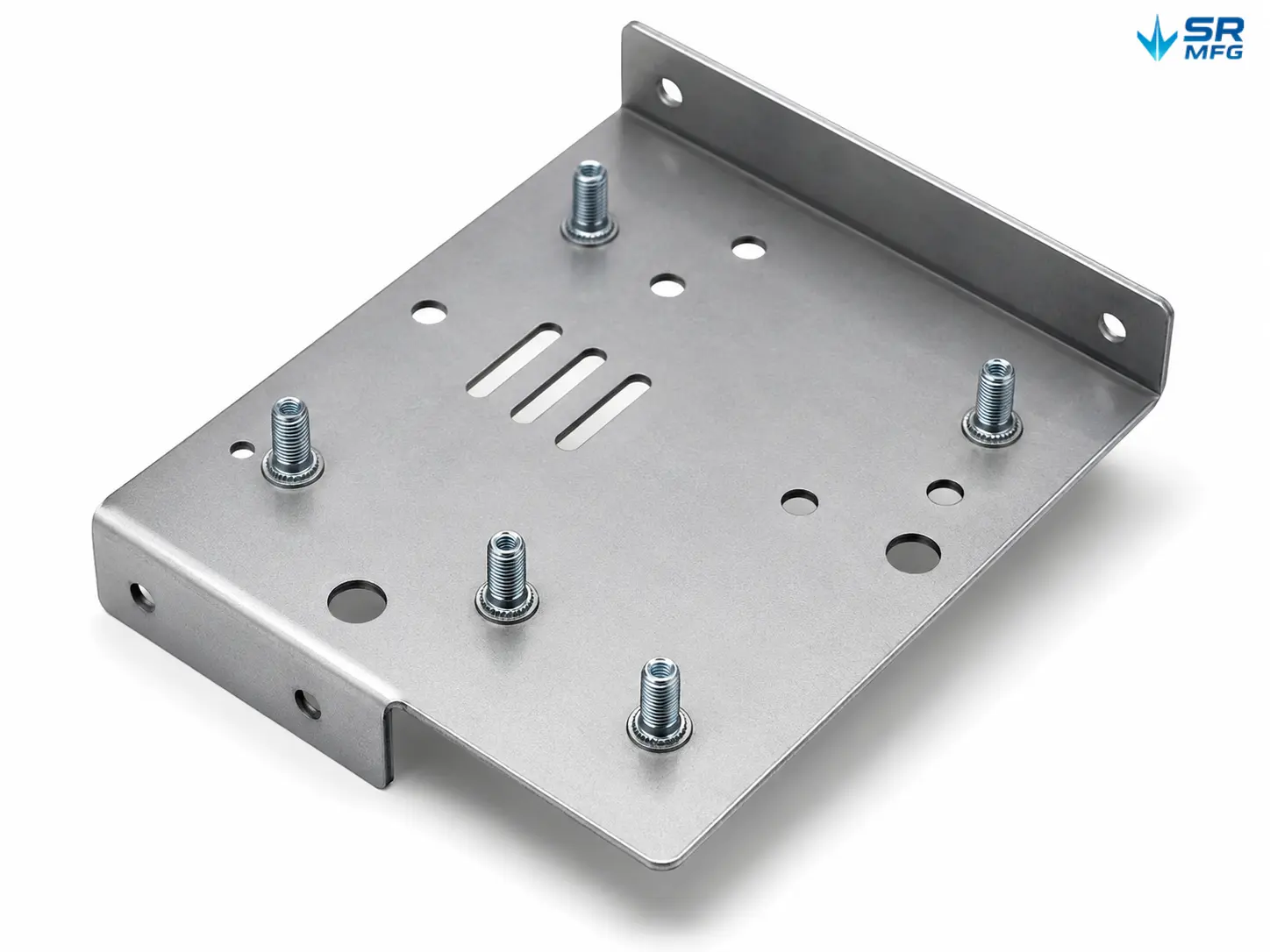
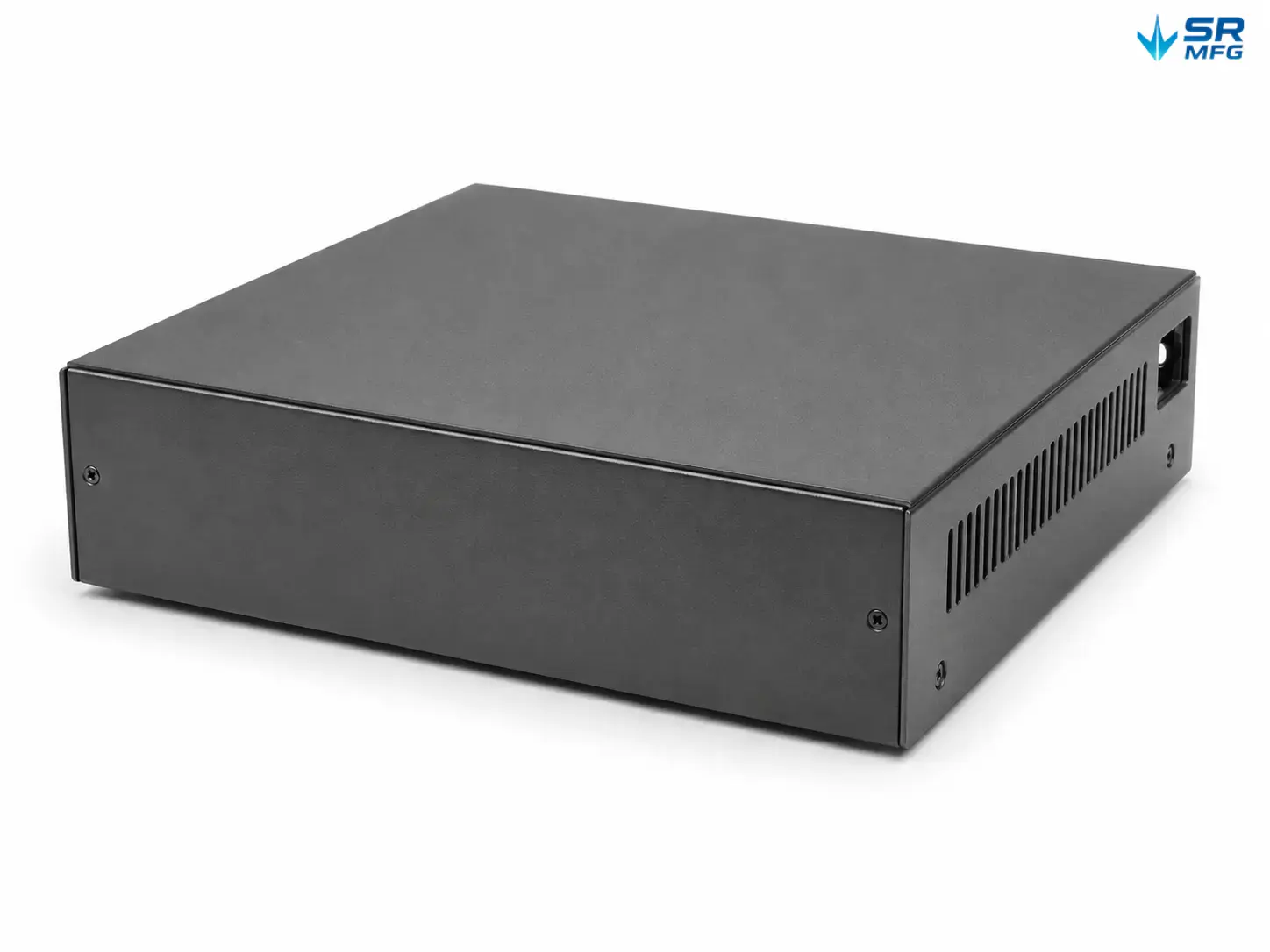
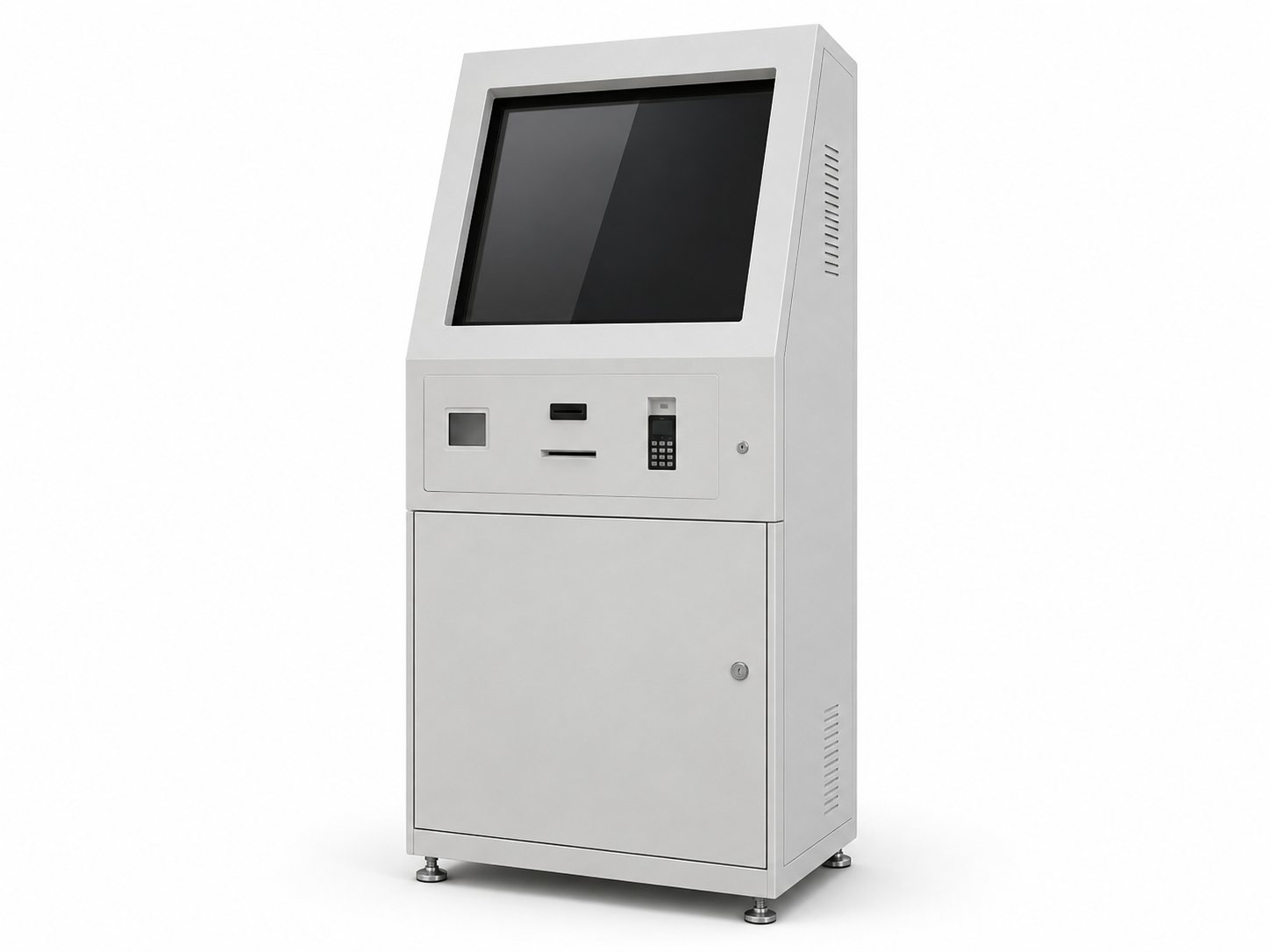
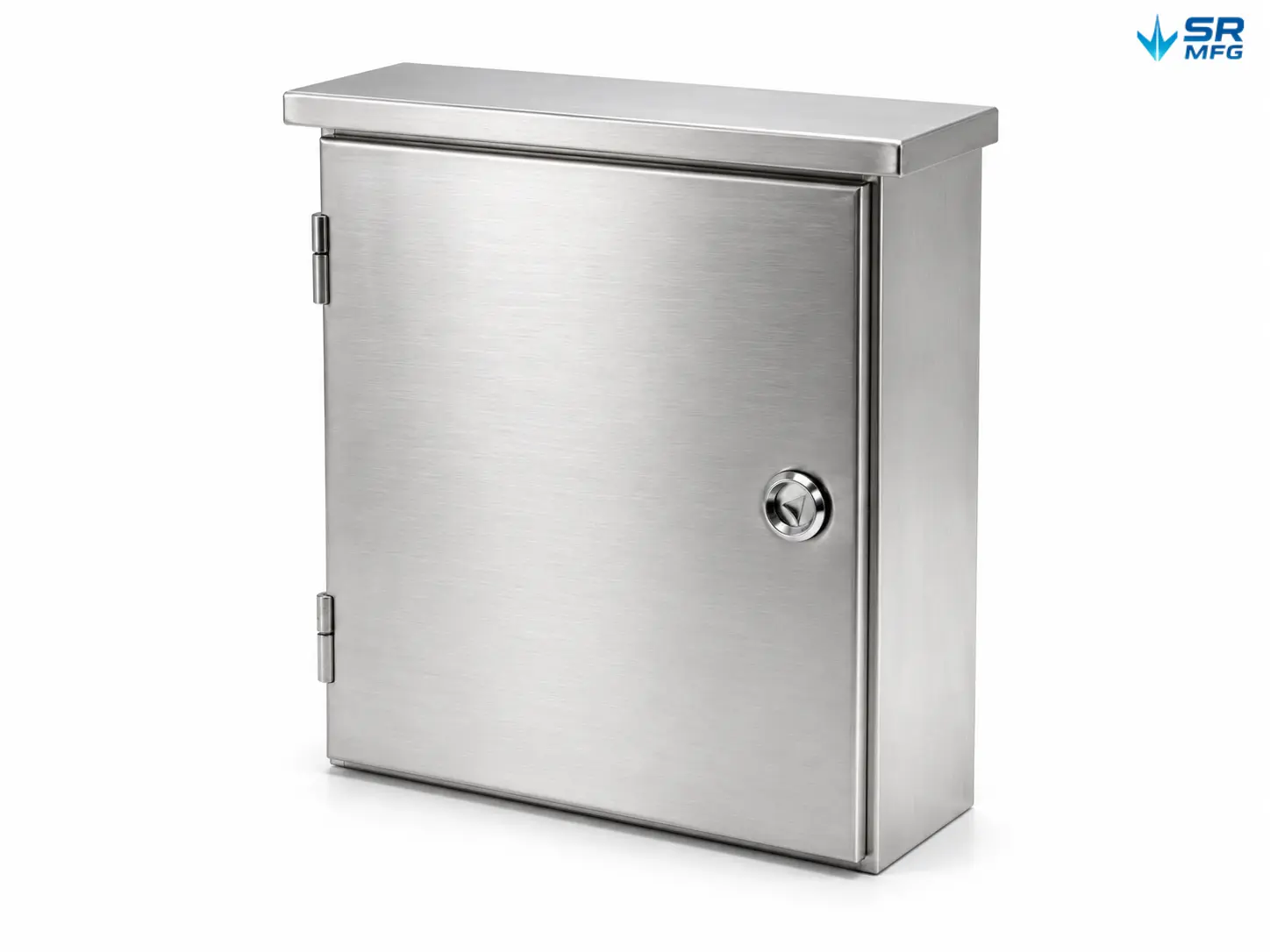
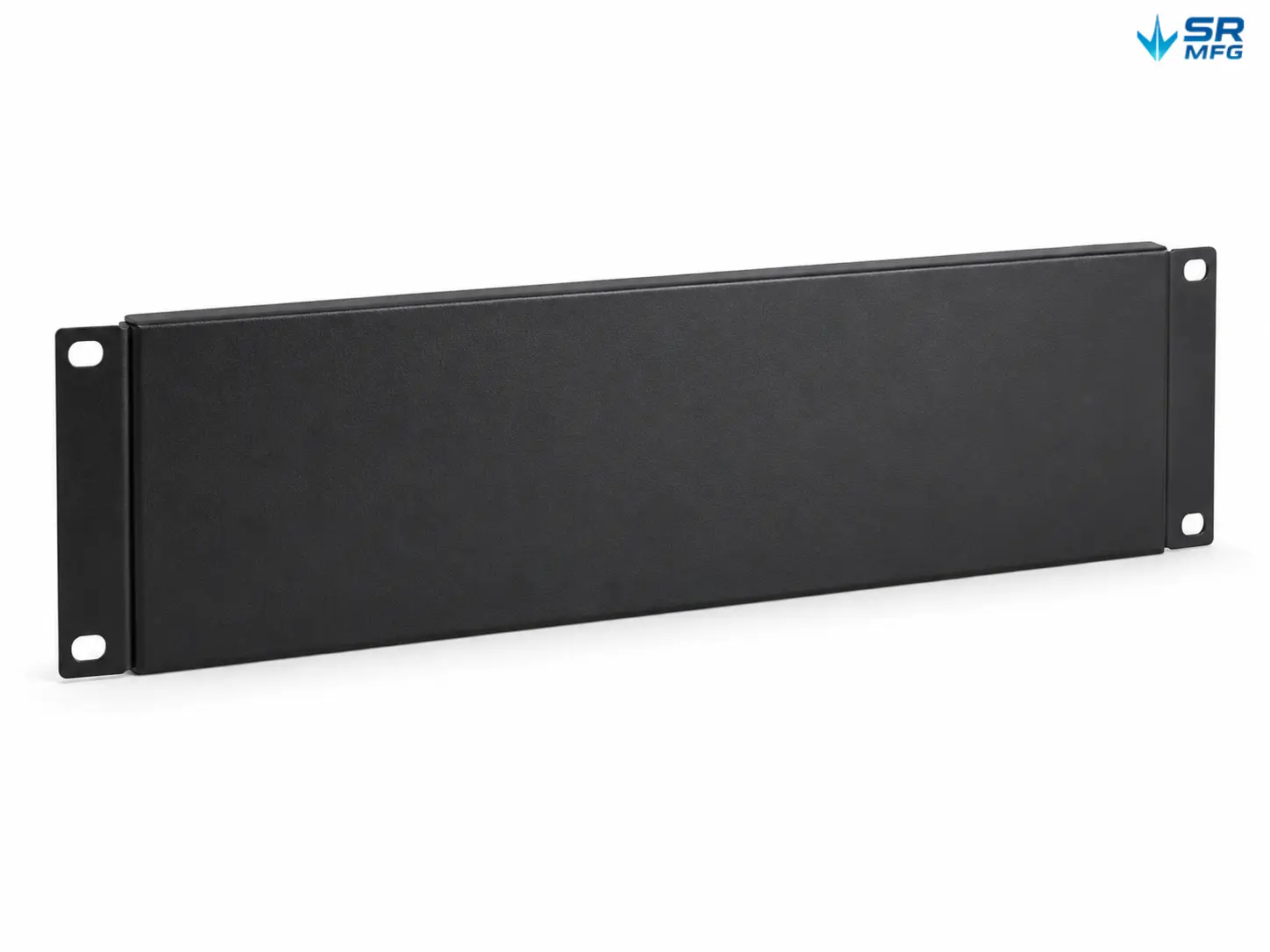
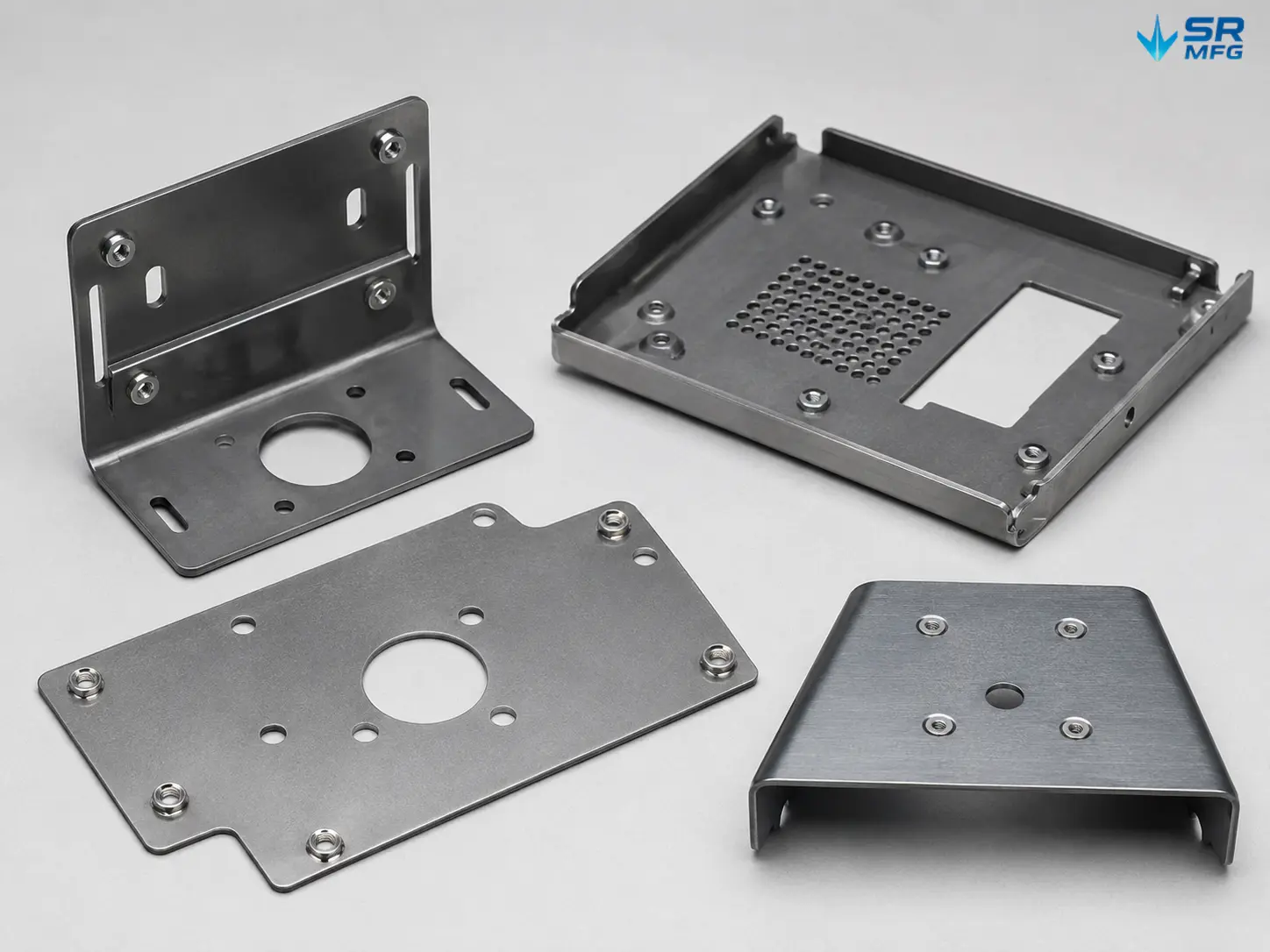
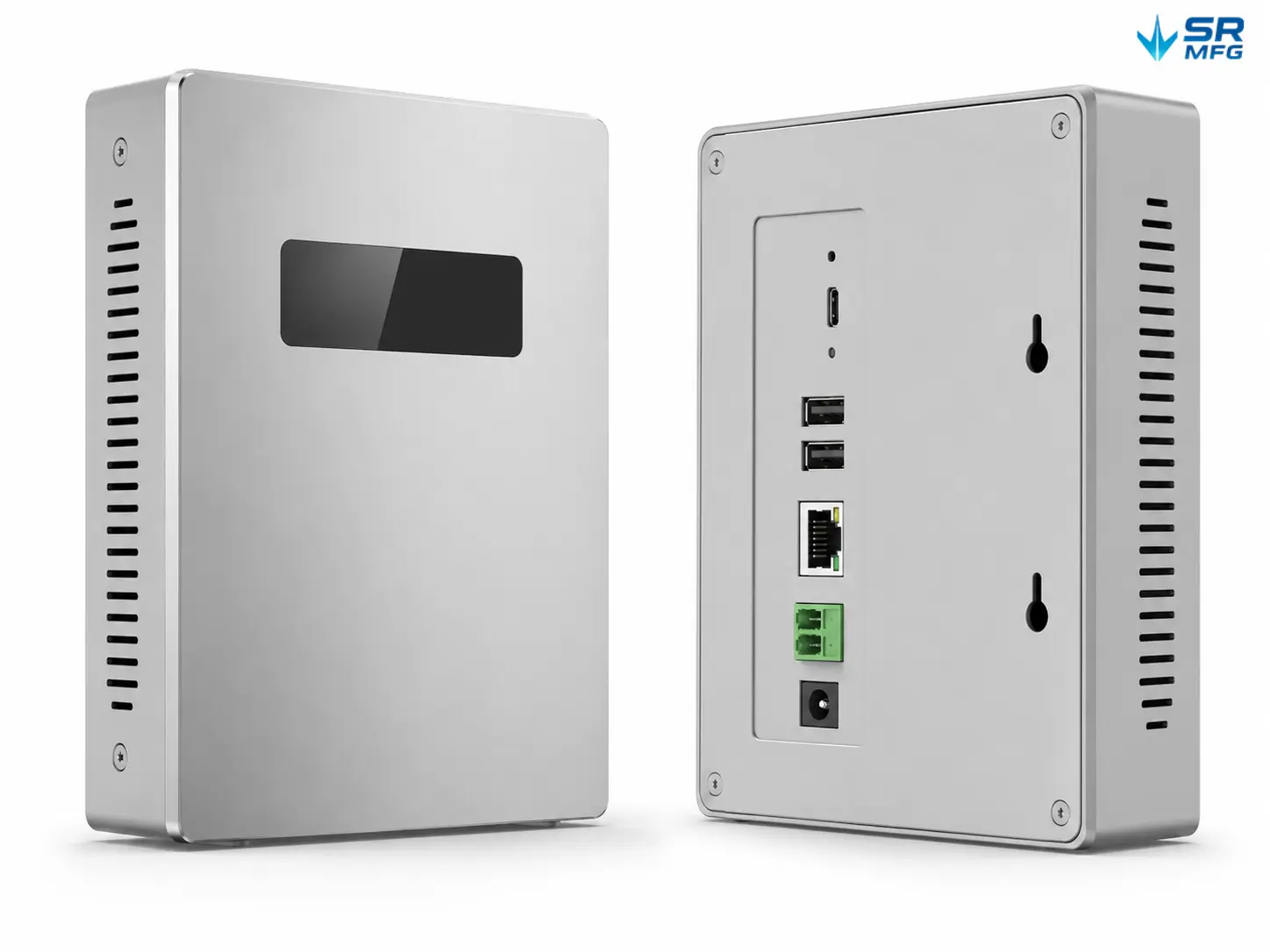
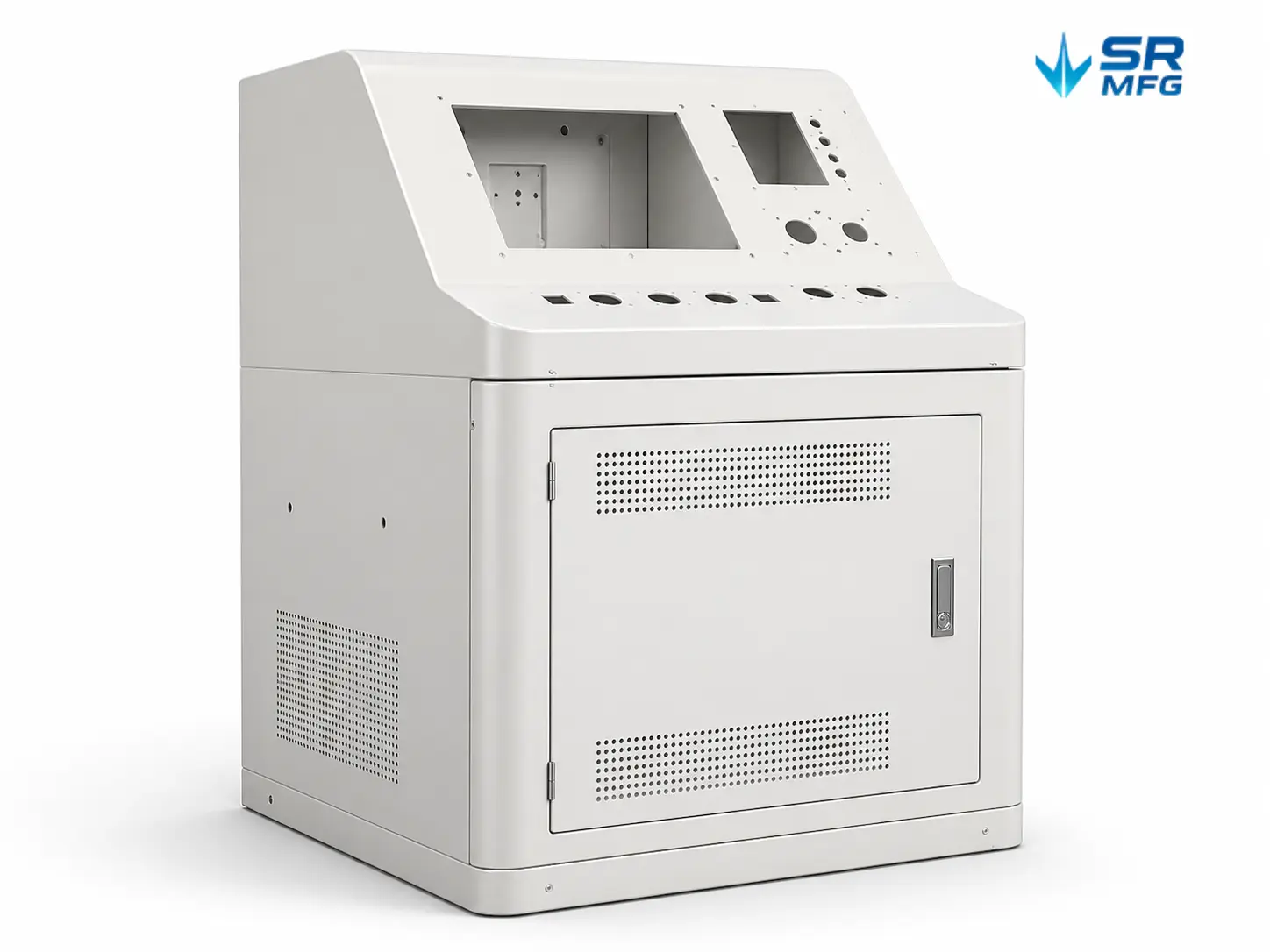
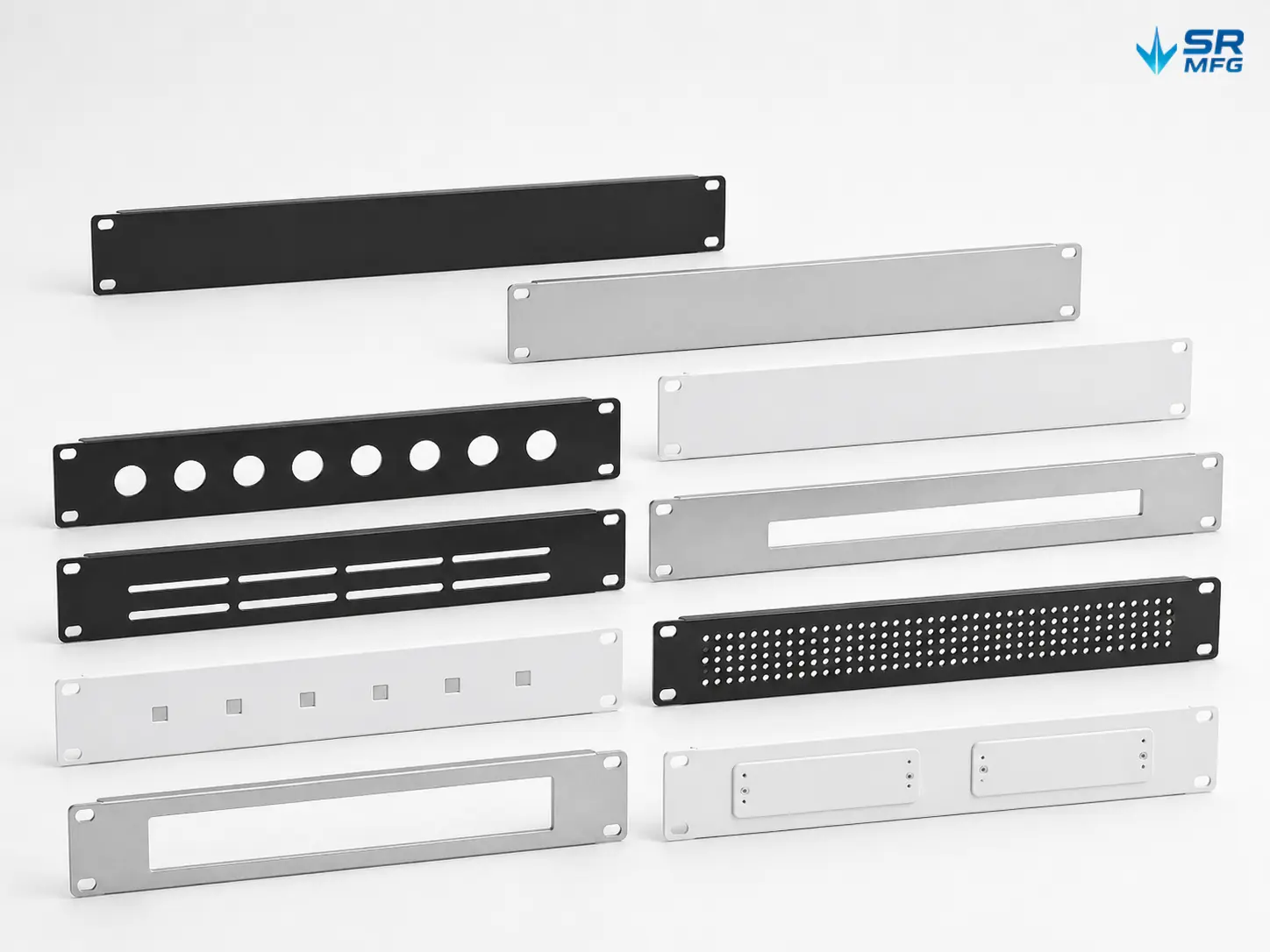
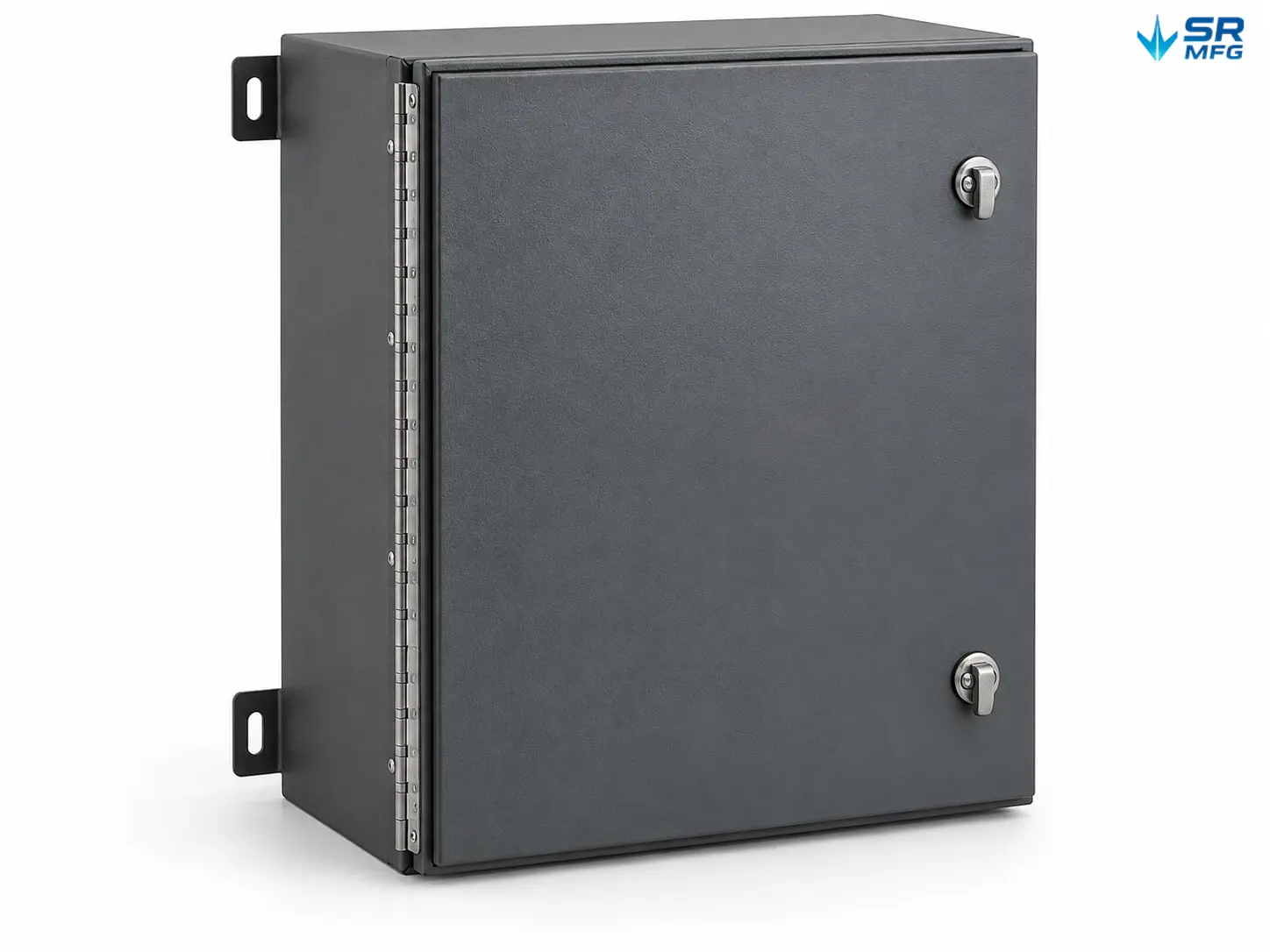
SR MFG has collaborated with global OEMs to co-design and manufacture a variety of custom sheet metal products, covering enclosures, chassis, panels, brackets, and structural components.

FAQs about laser cutting

Our sheet-metal laser cutting process typically maintains ±0,1 mm dimensional accuracy on carbon steel, stainless steel and aluminum parts.

Critical features—such as mounting holes, alignment slots and bending-related edges—are controlled within a tighter internal tolerance window based on material thickness and part geometry.
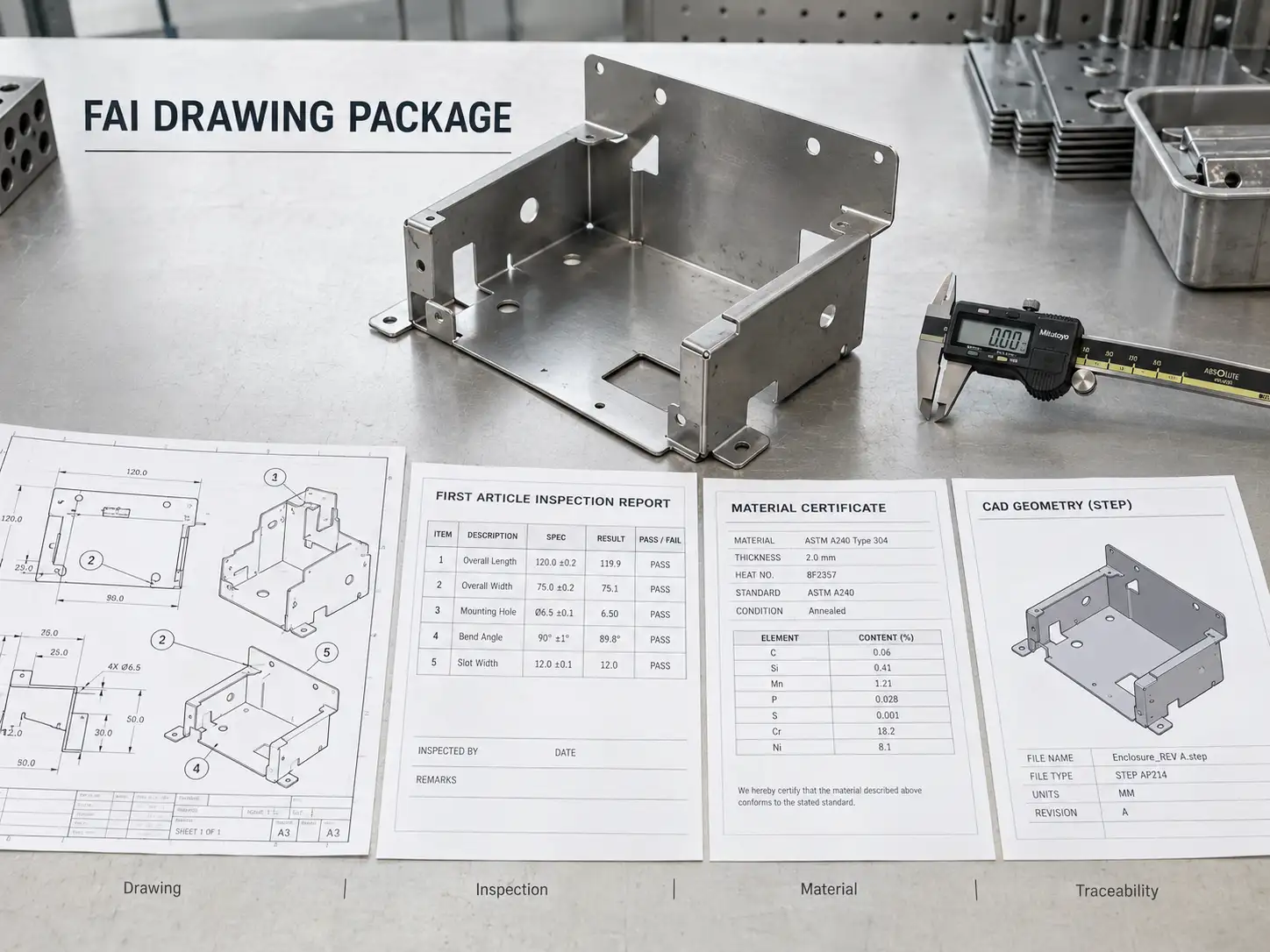
Batch consistency is supported by a controlled process window, FAI + in-process inspection + SPC, ensuring repeatability for long-term OEM production.

  • Prototype laser-cut parts: usually 3–7 working days, depending on part complexity and downstream operations (bending or welding).
  • Mass production orders: standard batch runs ship within 10–20 working days; multi-stage OEM assemblies typically follow a 3–4 week cycle.
    Our workflow is built around predictable lead times, rapid DFM feedback and stable scheduling—important for automation equipment, industrial cabinets and EV component manufacturers.
Laser cutting supports most metals used in OEM fabrication, including steel, stainless steel, aluminum and coated steel.

However, several materials require caution or alternative methods:

  • Highly reflective metals (e.g., copper, pure brass, mirror-finish aluminum) may require special parameters.

  • Composite or sandwich panels have inconsistent heat reactions and may not deliver clean edges.

  • PVC or chlorine-containing materials are unsuitable due to hazardous fumes.
    If material behavior is uncertain, we provide parameter testing before prototype approval.


To ensure accurate and fast processing:
  • DXF / DWG files should have closed profiles, no overlapping lines, and use millimeters as the base unit.

  • STEP (3D) files are recommended when bending, welding or enclosure assembly is required—this allows a complete DFM review and unfolding verification.

  • For bent sheet-metal parts, please provide the formed 3D model and a 2D drawing with critical dimensions, bend directions, and tolerances. SR MFG can develop the flat pattern based on the selected material and bending process.

Yes. Our laser cutting services integrate downstream finishing to support OEM-level consistency:
  • Mechanical deburring

  • Edge rounding

  • Surface brushing / polishing

  • Powder coating, electrophoresis, galvanizing and other protective coatings
    This prevents variation caused by external subcontracting and ensures that laser-cut components enter bending, welding or assembly without additional preparation.

Yes. Our factory is structured for stable, repeatable OEM production:
  • Material batch traceability + MTC + CoC

  • ISO 9001 production control

  • Process parameter library for consistent cutting quality

  • Scalable capacity from 1 pc to high-volume production

  • Repeatability ensured by controlled workflows (FAI, inspection, SPC)
    We support annual demand forecasting, customized packaging for global shipping, and long-term supply programs for automation machinery, electrical cabinets, industrial laser cutting parts, and industrial enclosures.

Laser cutting technology resources

Nach oben