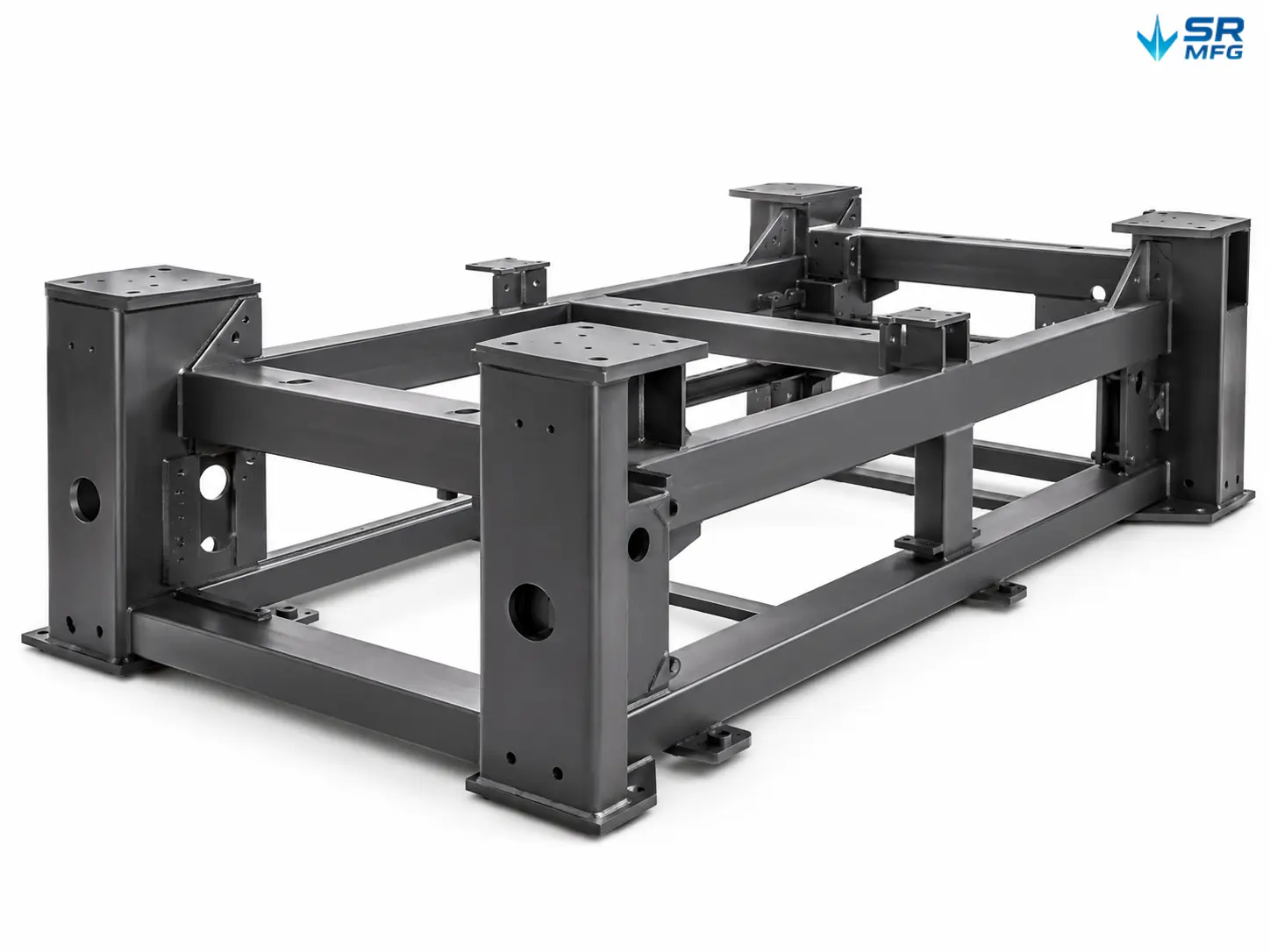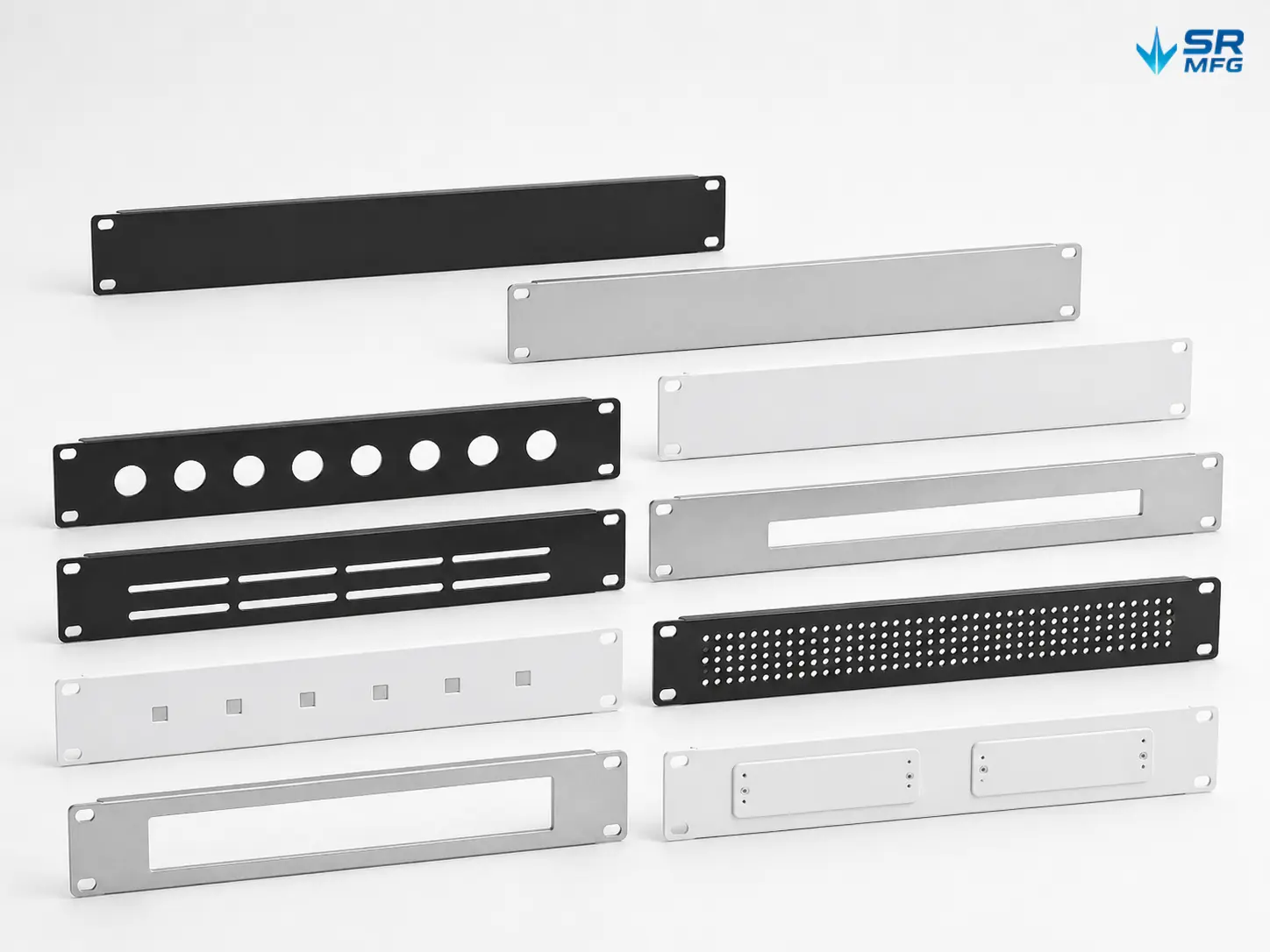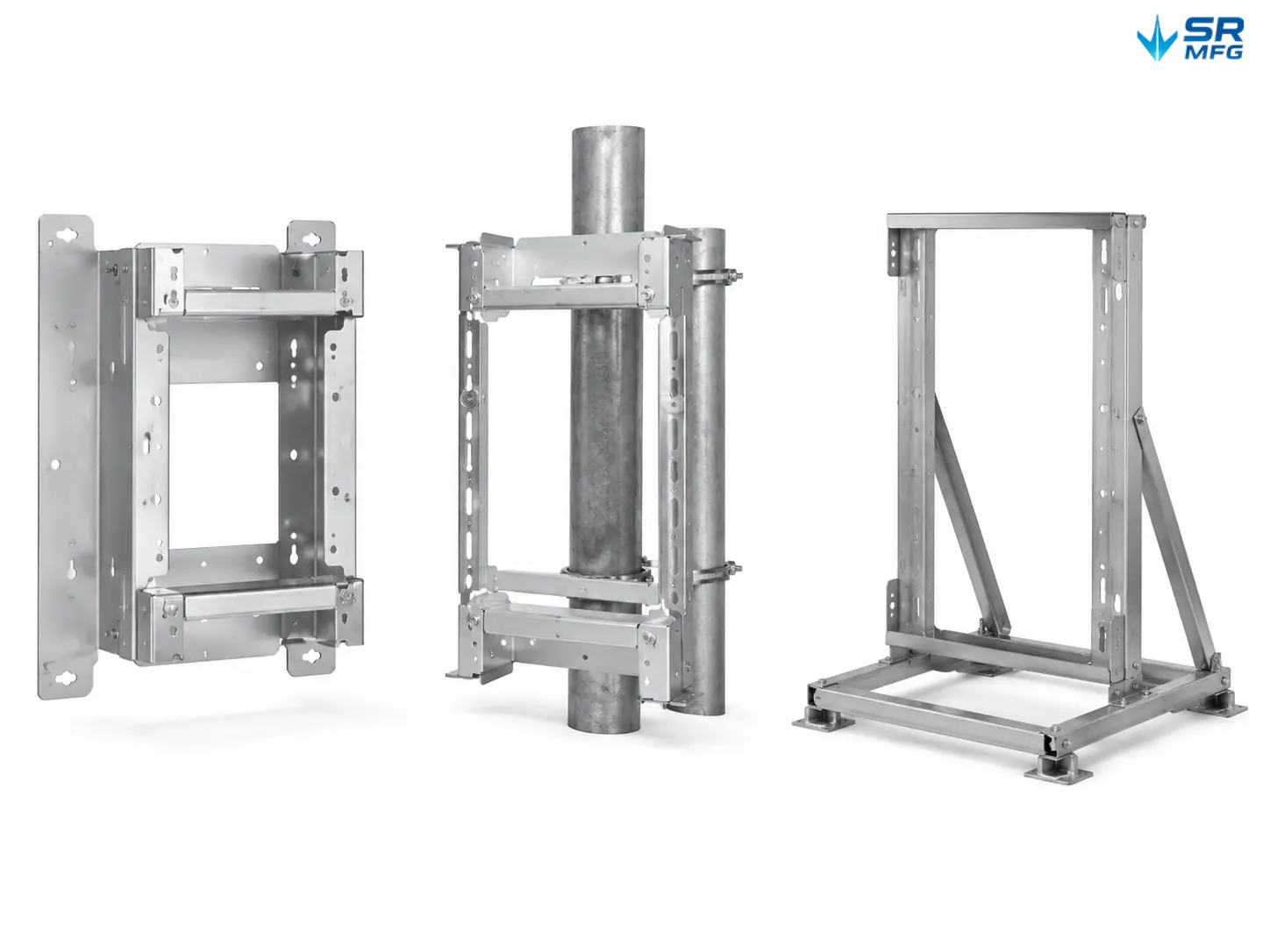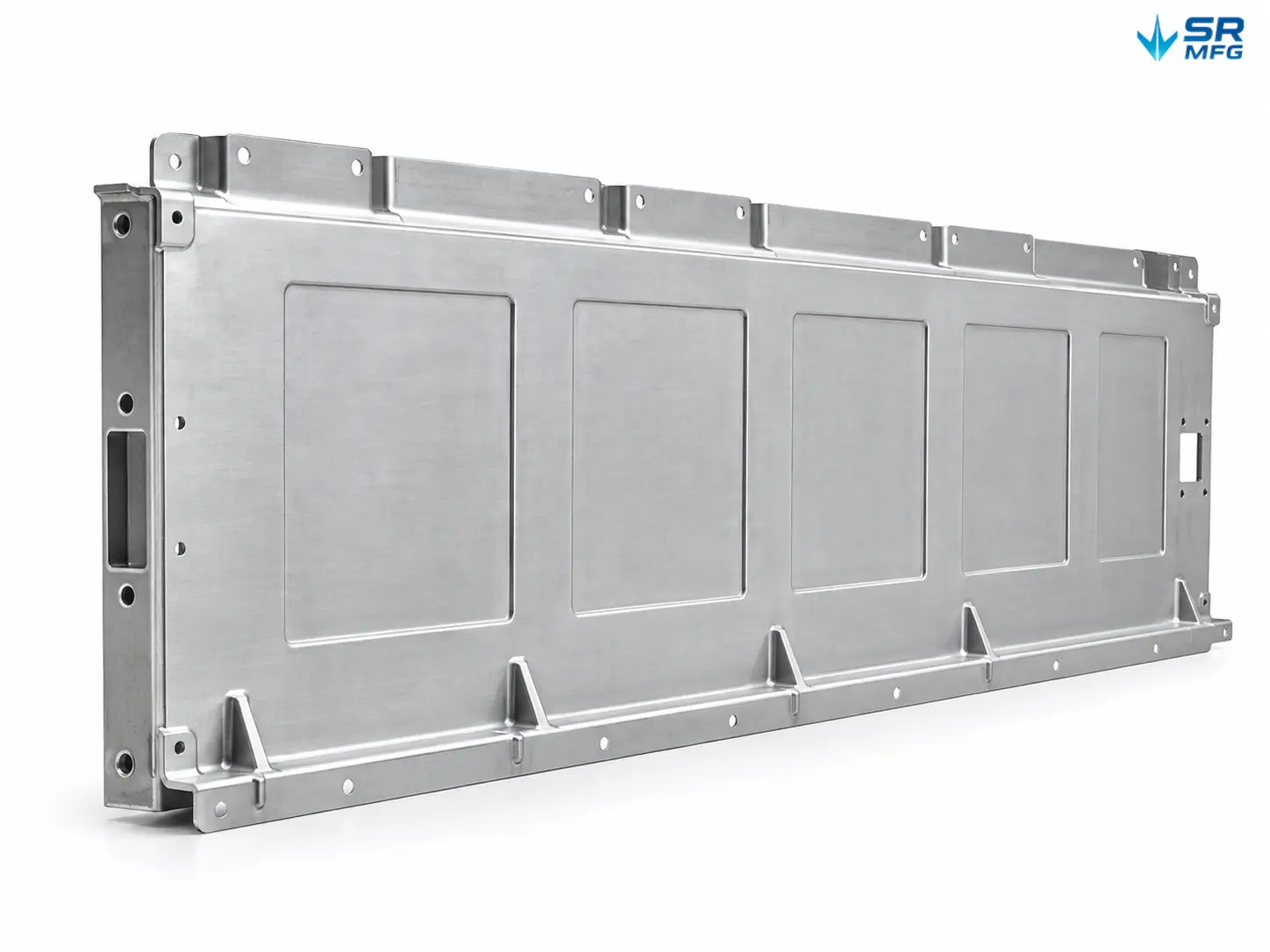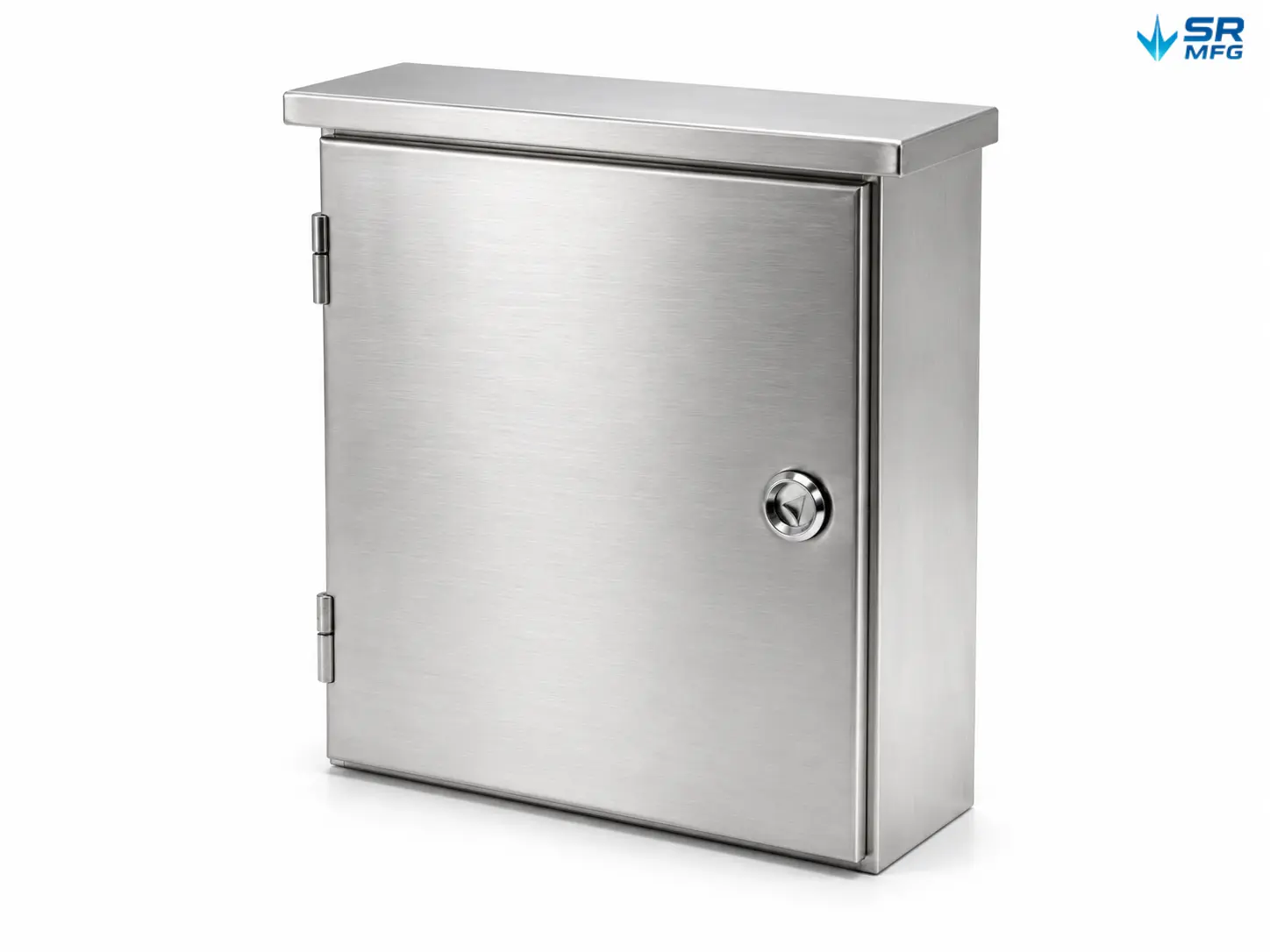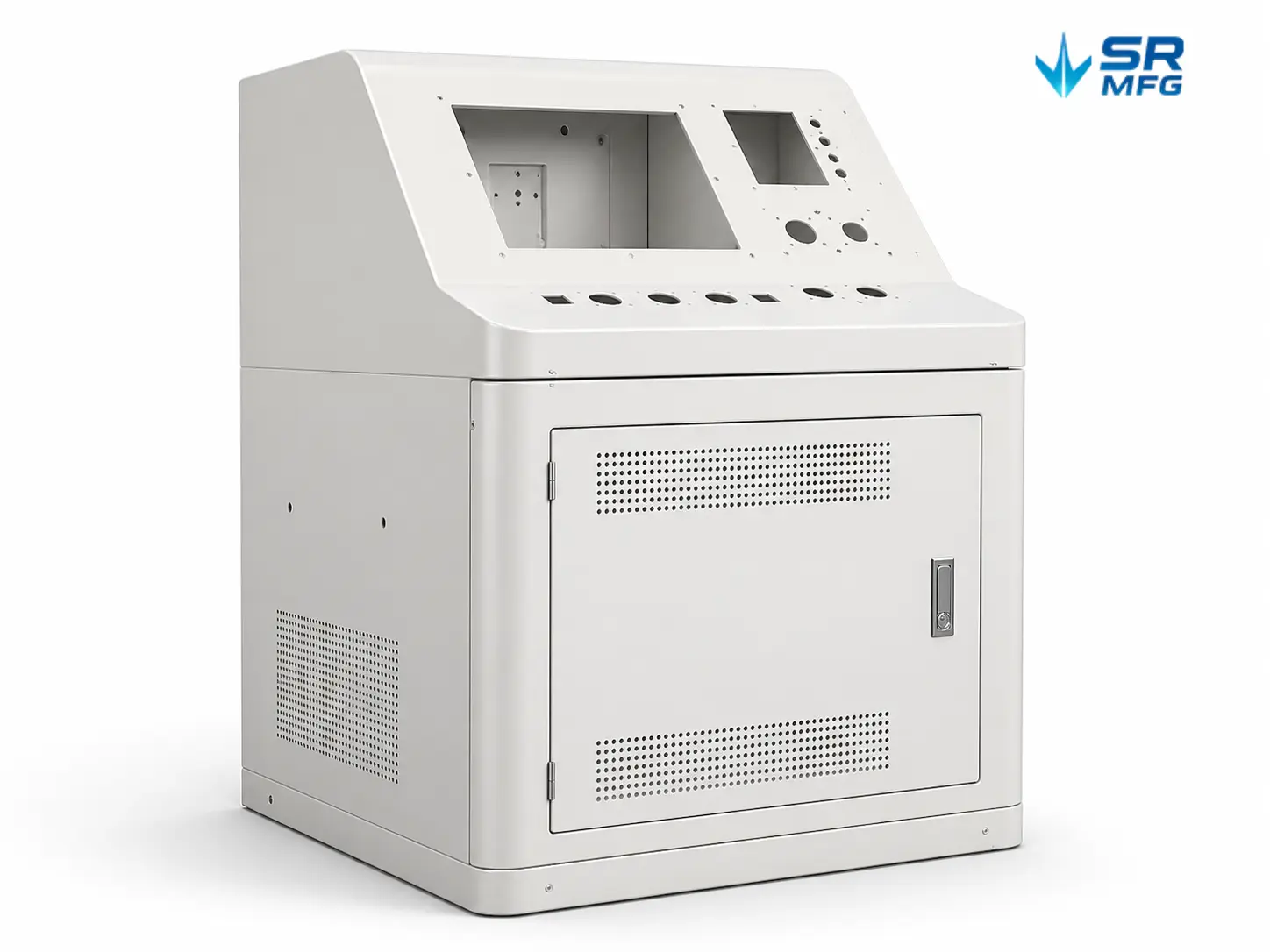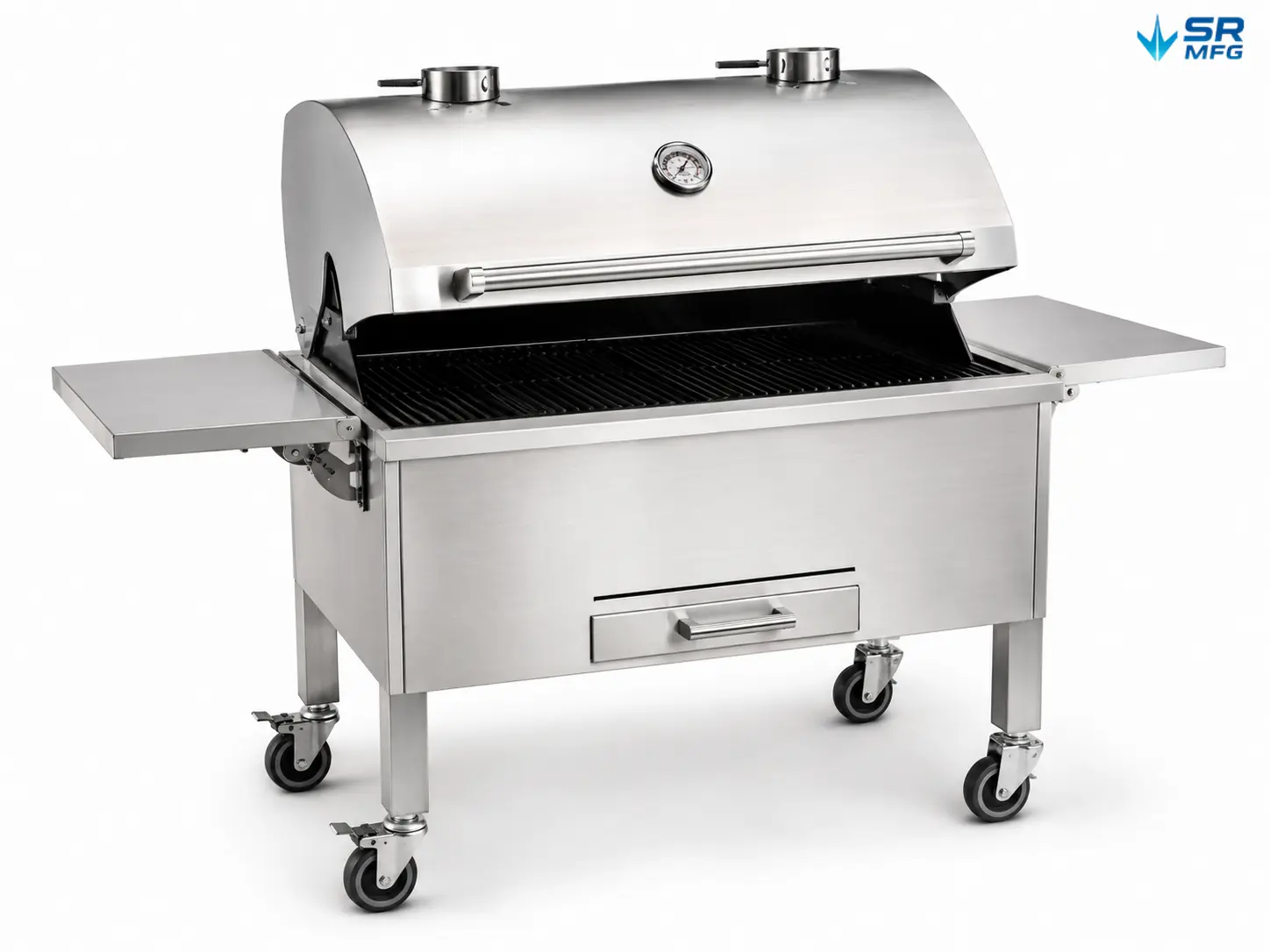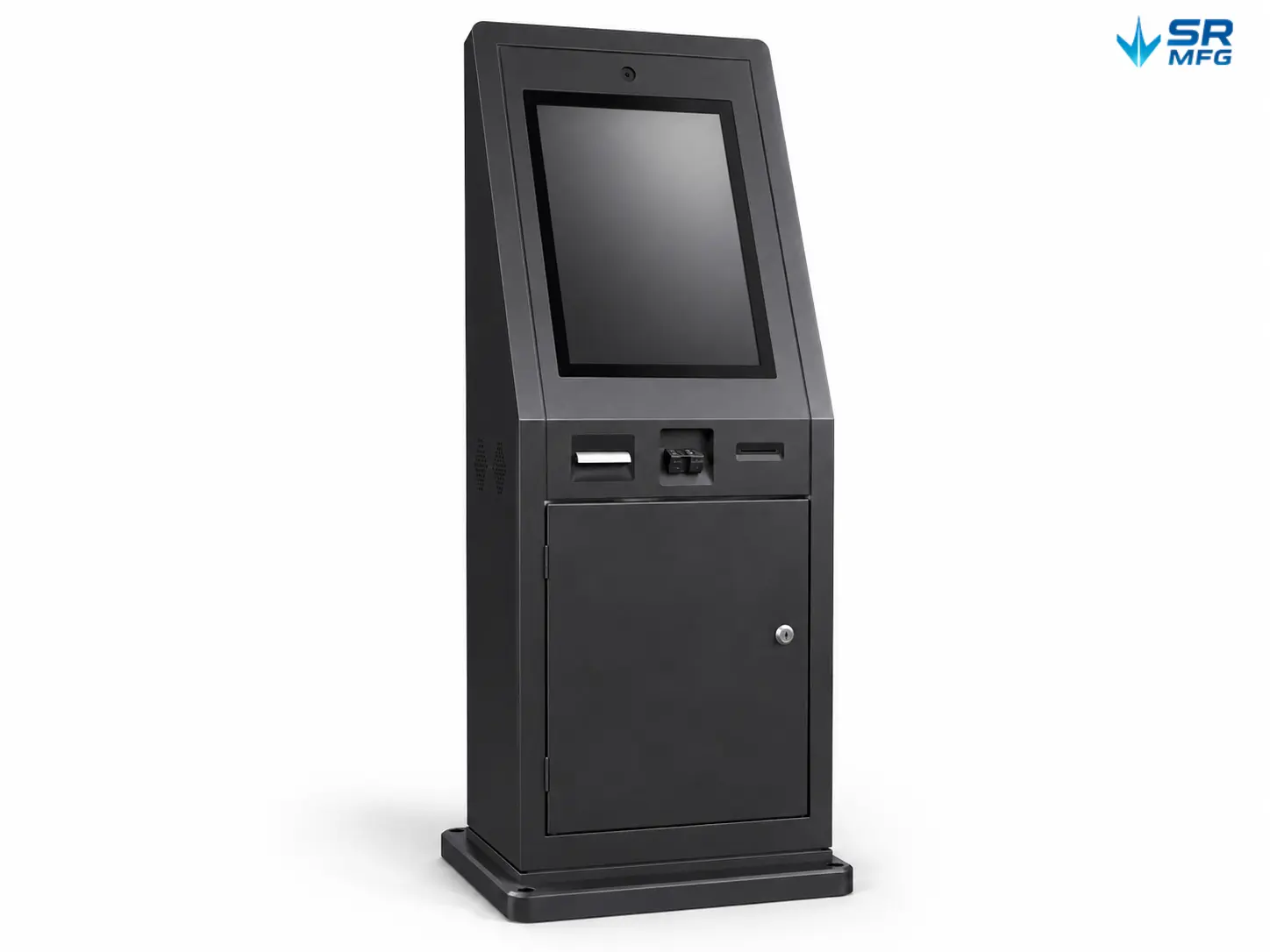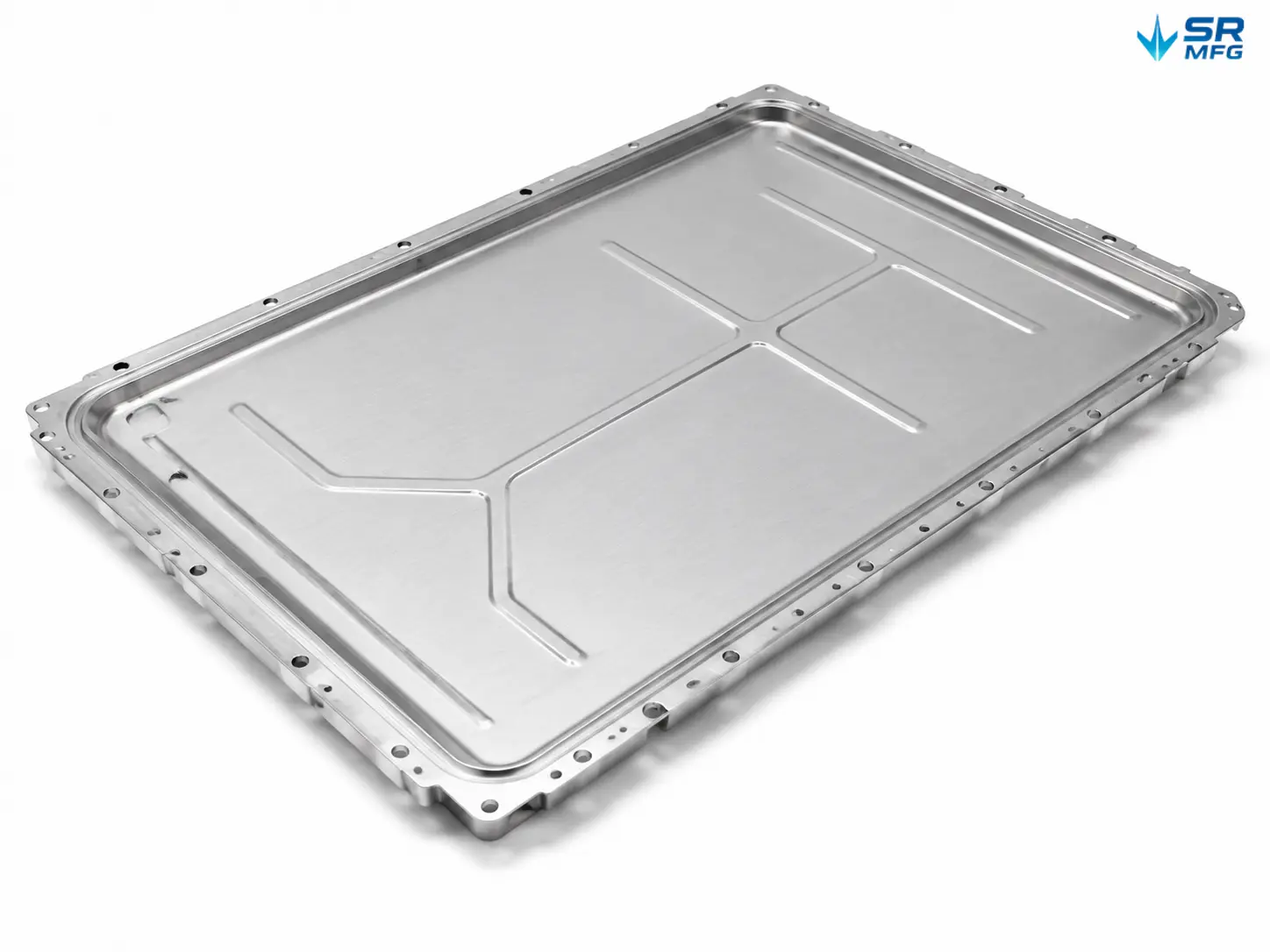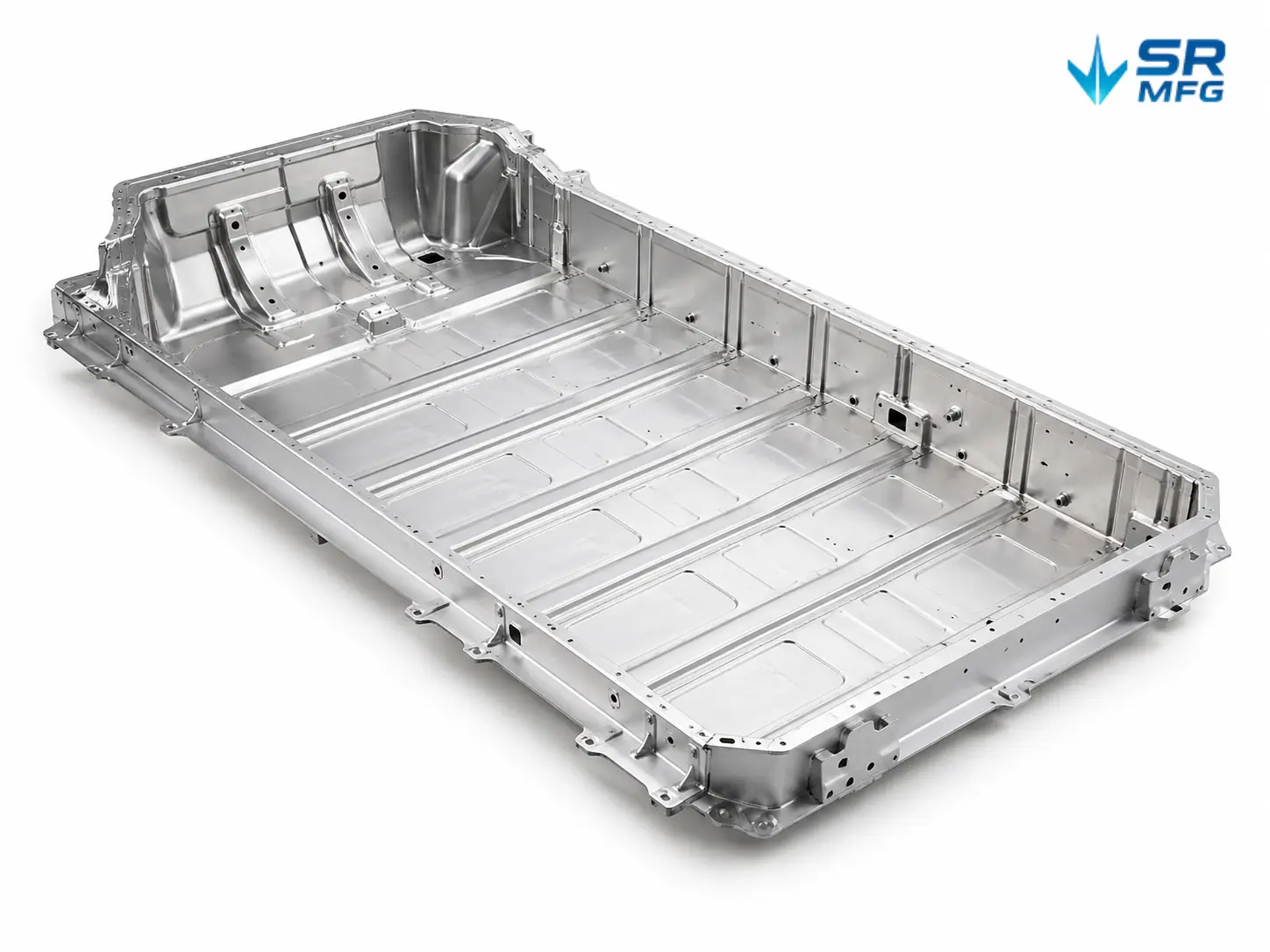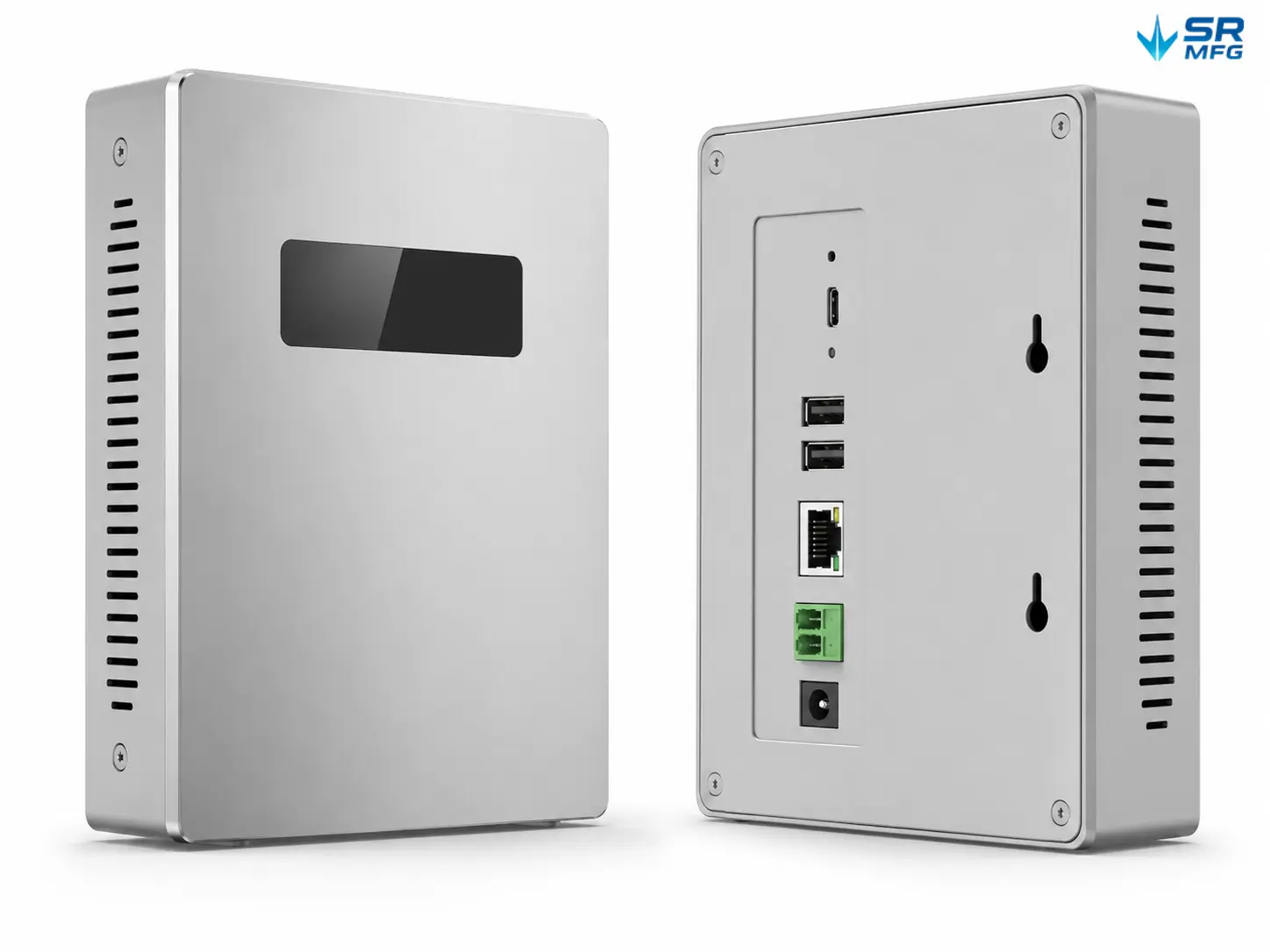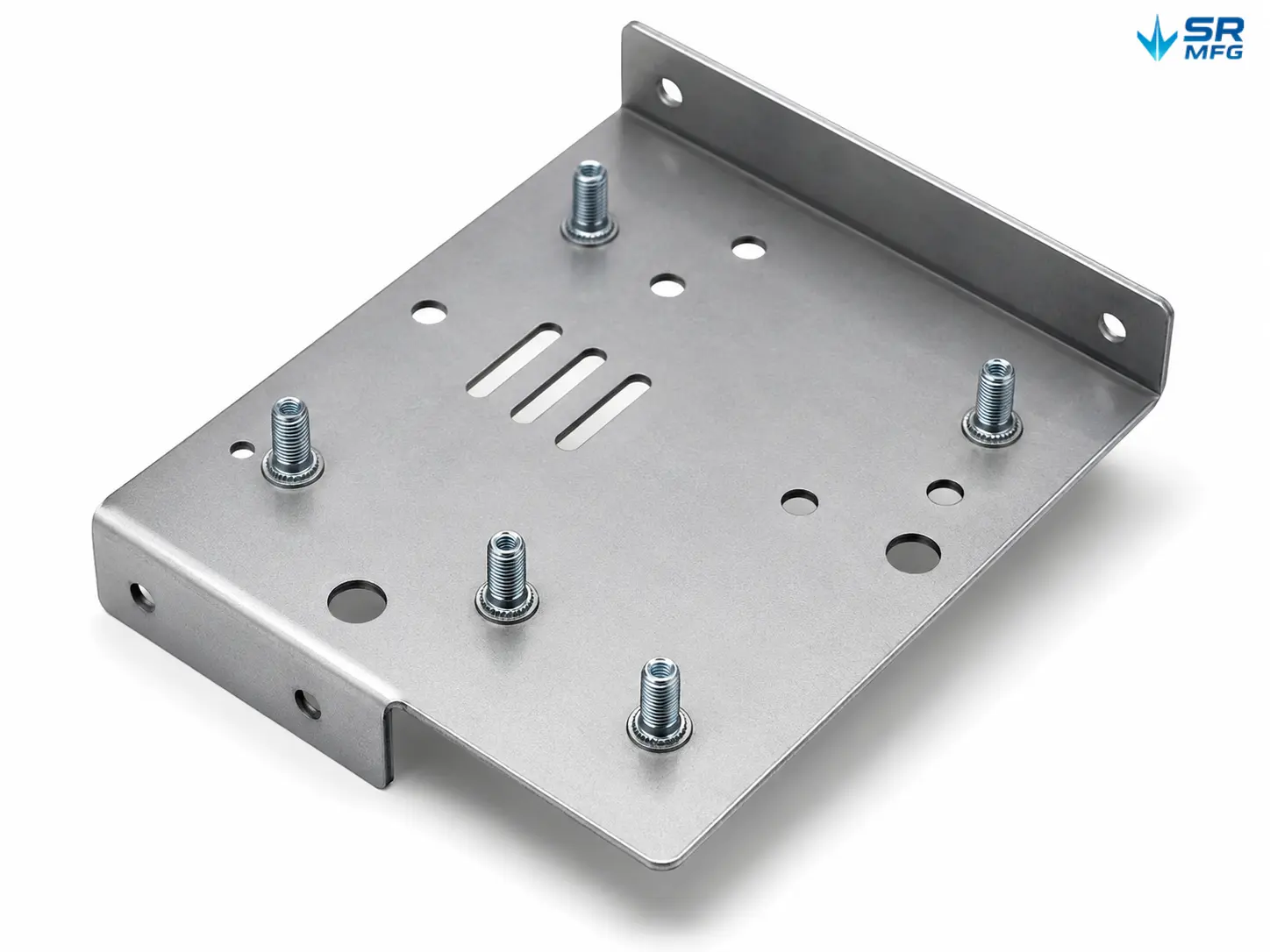
Metallmontage-Dienstleistungen
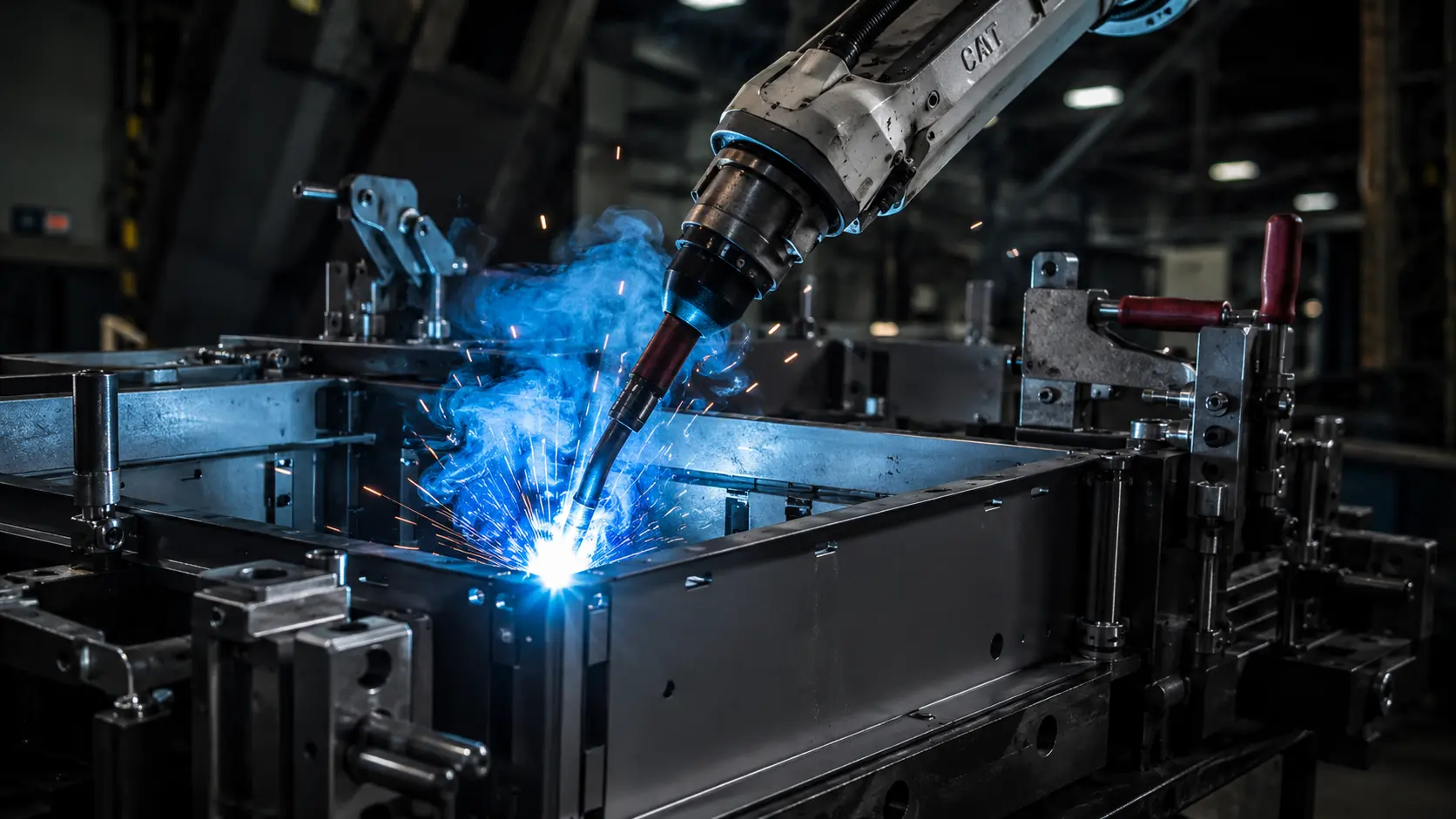
SR MFG bietet End-to-End-Metallmontagedienstleistungen, einschließlich zugekaufter Komponenten, Materialhandling, Befestigung, Schweißen, Nieten, Inspektion, Prüfung, Endverpackung und Versand.
Von Einzelanfertigungen bis hin zu Serienmontagen helfen wir Kunden, den Lieferantenkoordinationsaufwand zu reduzieren, die Montagekonsistenz zu verbessern und einsatzbereite Metallprodukte mit kontrollierter Qualität zu liefern.
MONTAGELIEFERTIEFE
Wie weit kann SR MFG Ihre Montage übernehmen?
Von der einfachen Teilevorbereitung bis zur vollständigen Turnkey-Lieferung – wir skalieren nach Ihren Anforderungen und helfen Ihnen, Lieferantenübergaben und Projektrisiken zu reduzieren.
Stufe 1 — Teile + Grundmontage
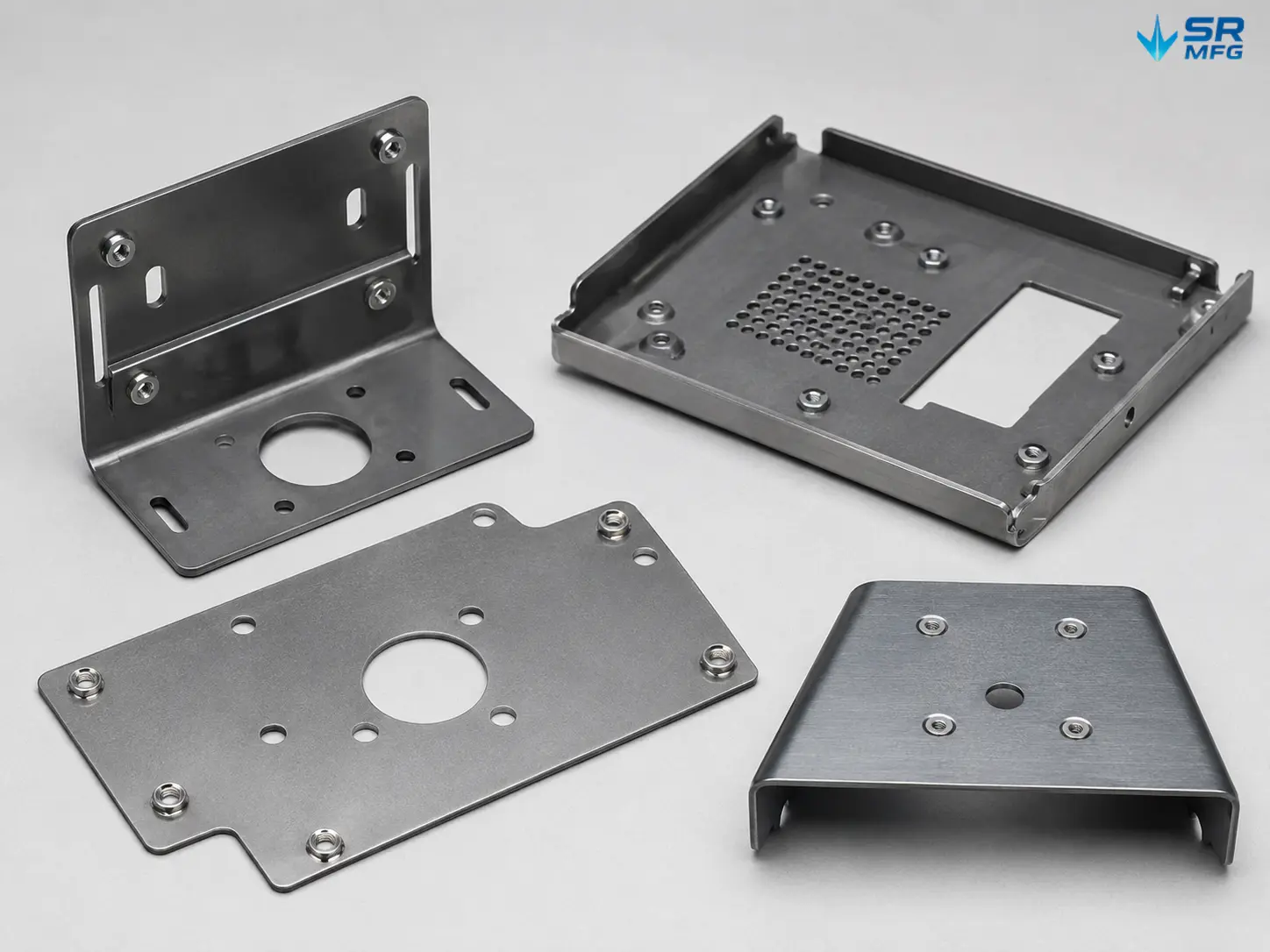
Sie erhalten: Einzelteile mit abgeschlossener Grundmontage, einschließlich Befestigung, Einpressen, Nieten und Hardware-Montage.
Am besten geeignet für: Wenn Sie ein vollständig vorbereitetes “Einzelteil” benötigen, das für Ihre eigene Endmontage bereit ist.
Stufe 2 — Vormontage
Sie erhalten: Vormontage aus mehreren Blech- und Bearbeitungsteilen, bereit für den nächsten Montageschritt.
Am besten geeignet für: Reduzierung von Stationen in Ihrer Linie und Verlagerung des Montagerisikos stromaufwärts.
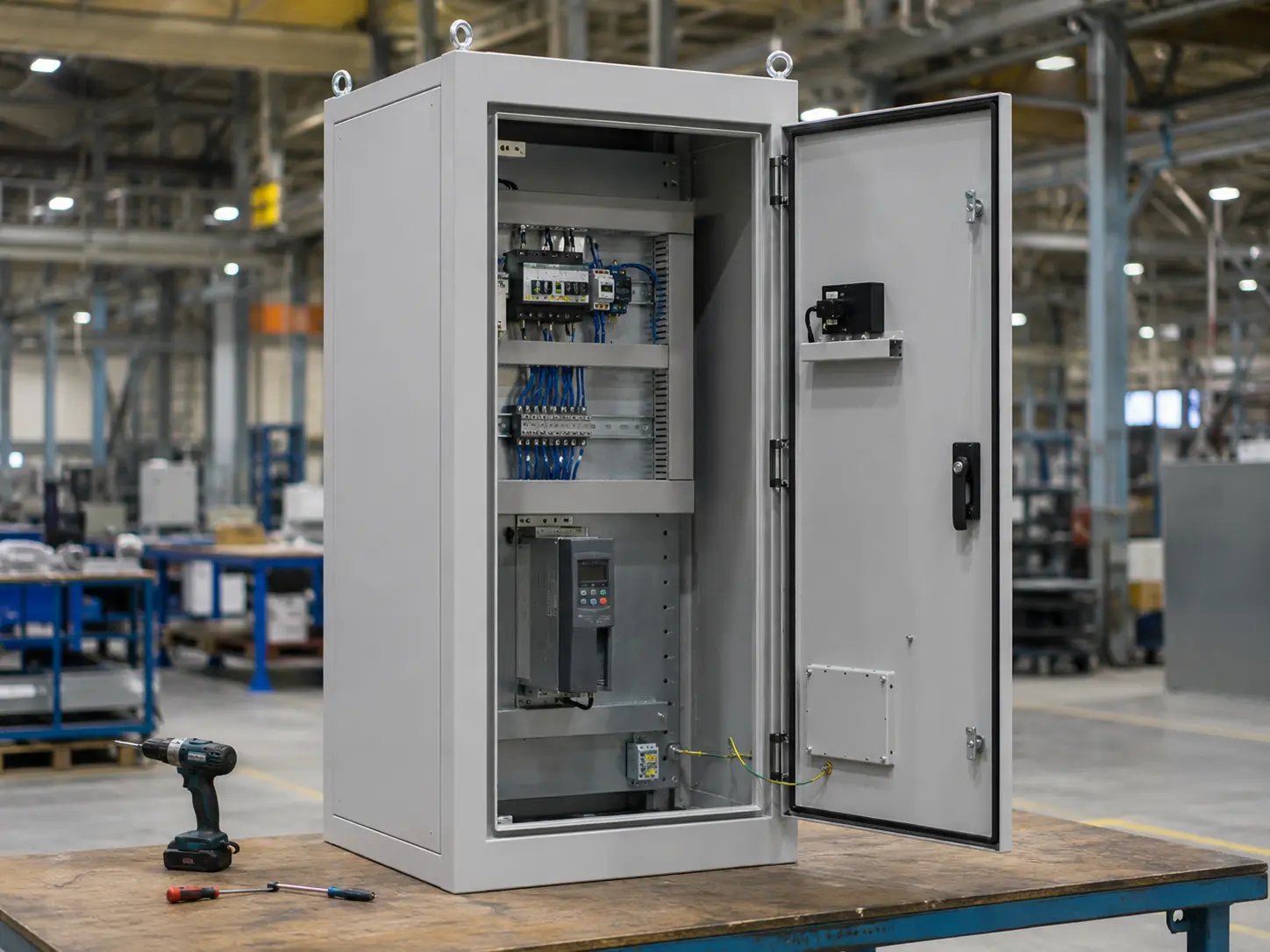
Stufe 3 — Gehäuse- / Schaltschrank- / Rahmenmontage
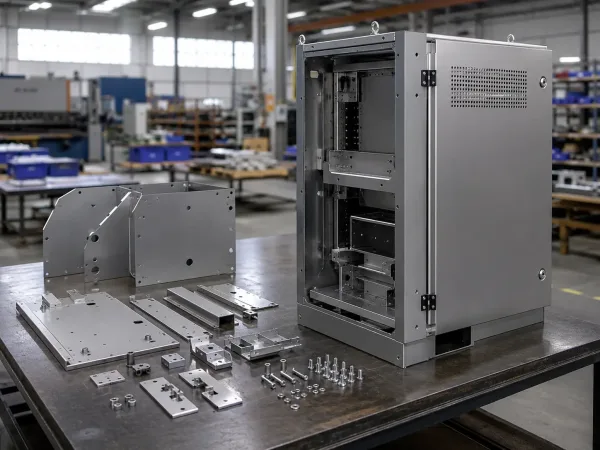
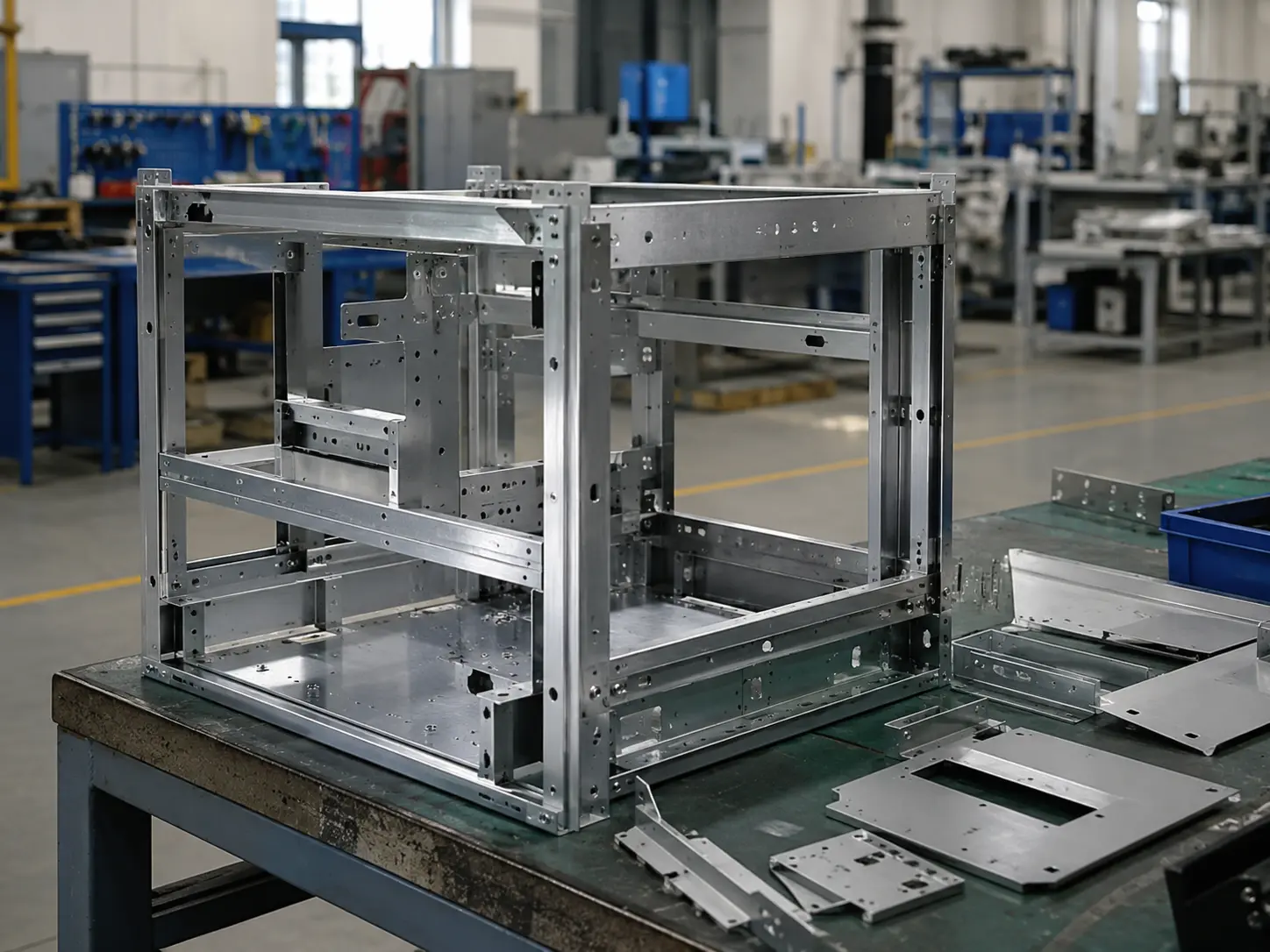
Sie erhalten: Vormontagen und Standard-Hardware in Gehäuse, Schaltschränke oder Rahmen integriert, geliefert als installationsfertige Baugruppen.
Am besten geeignet für: Wenn Sie installationsfertige Baugruppen anstelle von losen Teilen und Bausätzen wünschen.
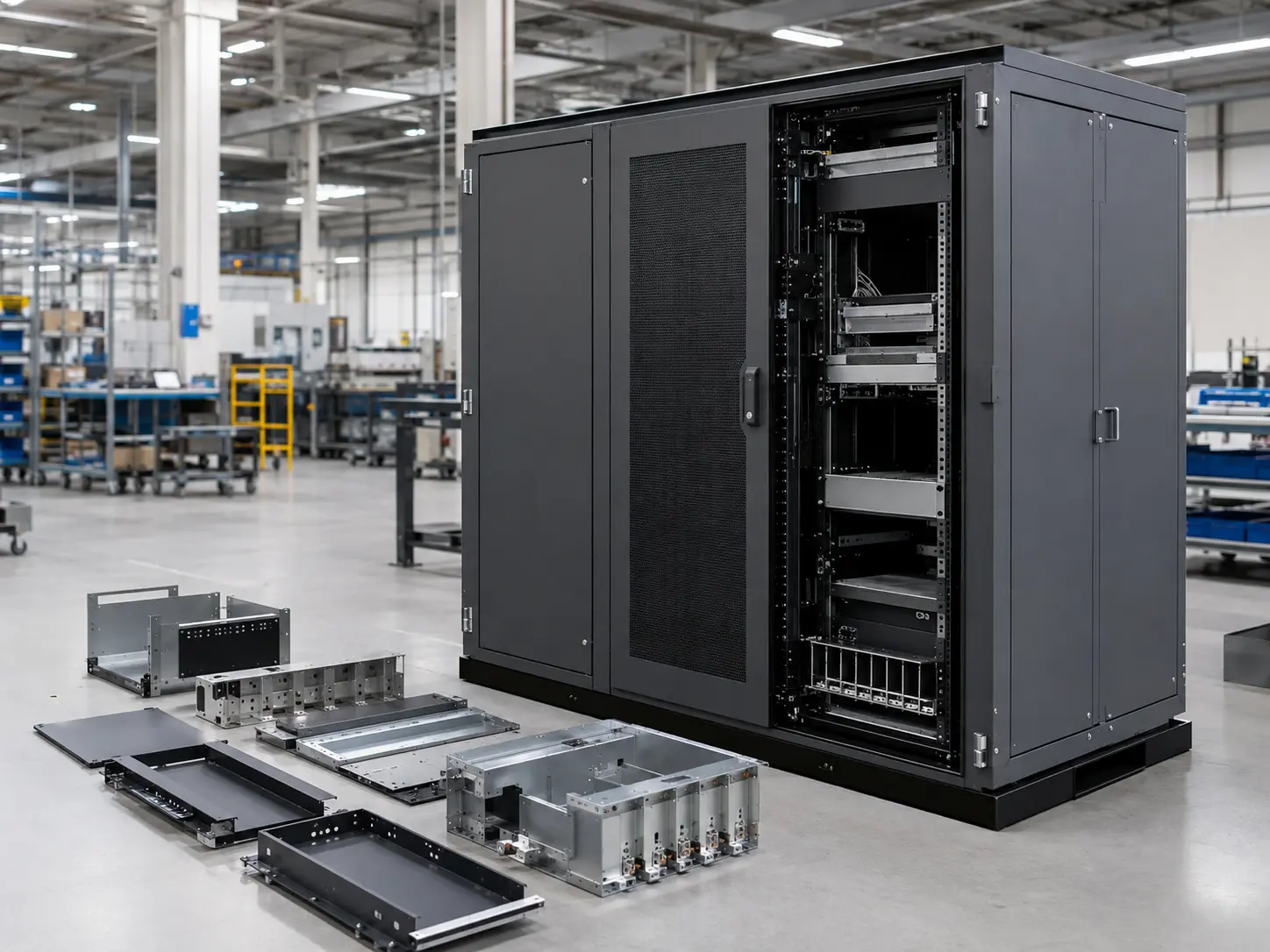
Stufe 4 — Vollständige Turnkey-Montagelieferung
Sie erhalten: Eine vollständig integrierte Lieferung, die Beschaffung, Fertigung, Montage, Prüfung, Verpackung und Versand abdeckt.
Am besten geeignet für: Wenn Sie einen einzigen Lieferanten wünschen, der Zeichnungen, Stücklisten, Schlüsselanforderungen und Lieferkoordination verwaltet.
Lieferantenübergaben
risiko
zeit
& Rückverfolgbarkeit
Ob Sie ein einzelnes montiertes Teil oder ein komplettes, geprüftes und versandbereites Produkt benötigen – SR MFG liefert flexible Montagelösungen auf jedem Niveau.
Wir passen den Leistungsumfang an Ihre Stückliste, Qualitätsanforderungen, Prüfanforderungen, Verpackungsstandards und Lieferbedingungen an.
Methoden der Blechmontage & Auswahlleitfaden
Die richtige Fügemethode beeinflusst Festigkeit, Erscheinungsbild, Durchlaufzeit und Kosten. SR MFG bietet eine breite Palette an Blechmontage-
Technologien, die Ihren Design- und Leistungsanforderungen entsprechen.
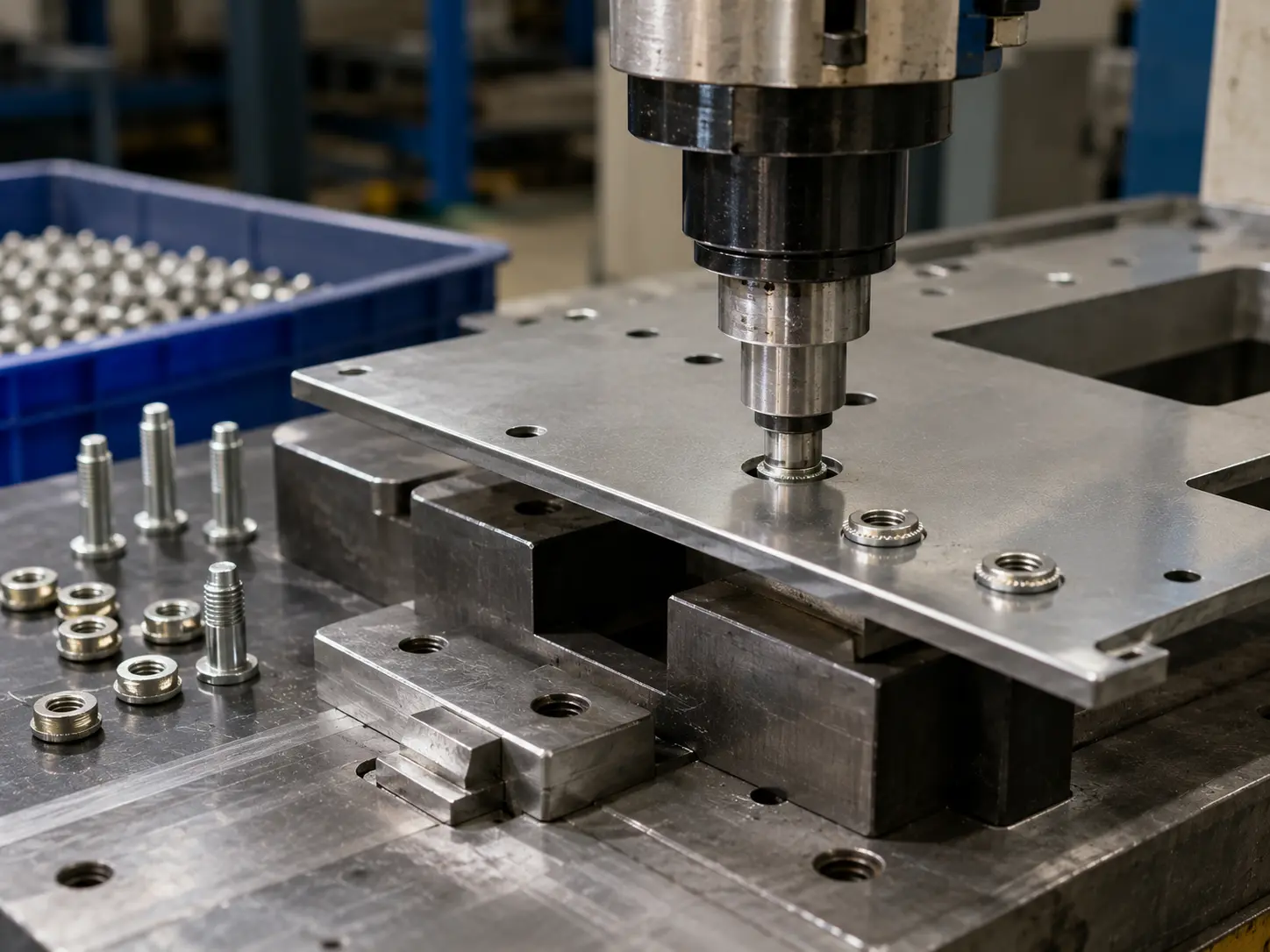
Mechanisch
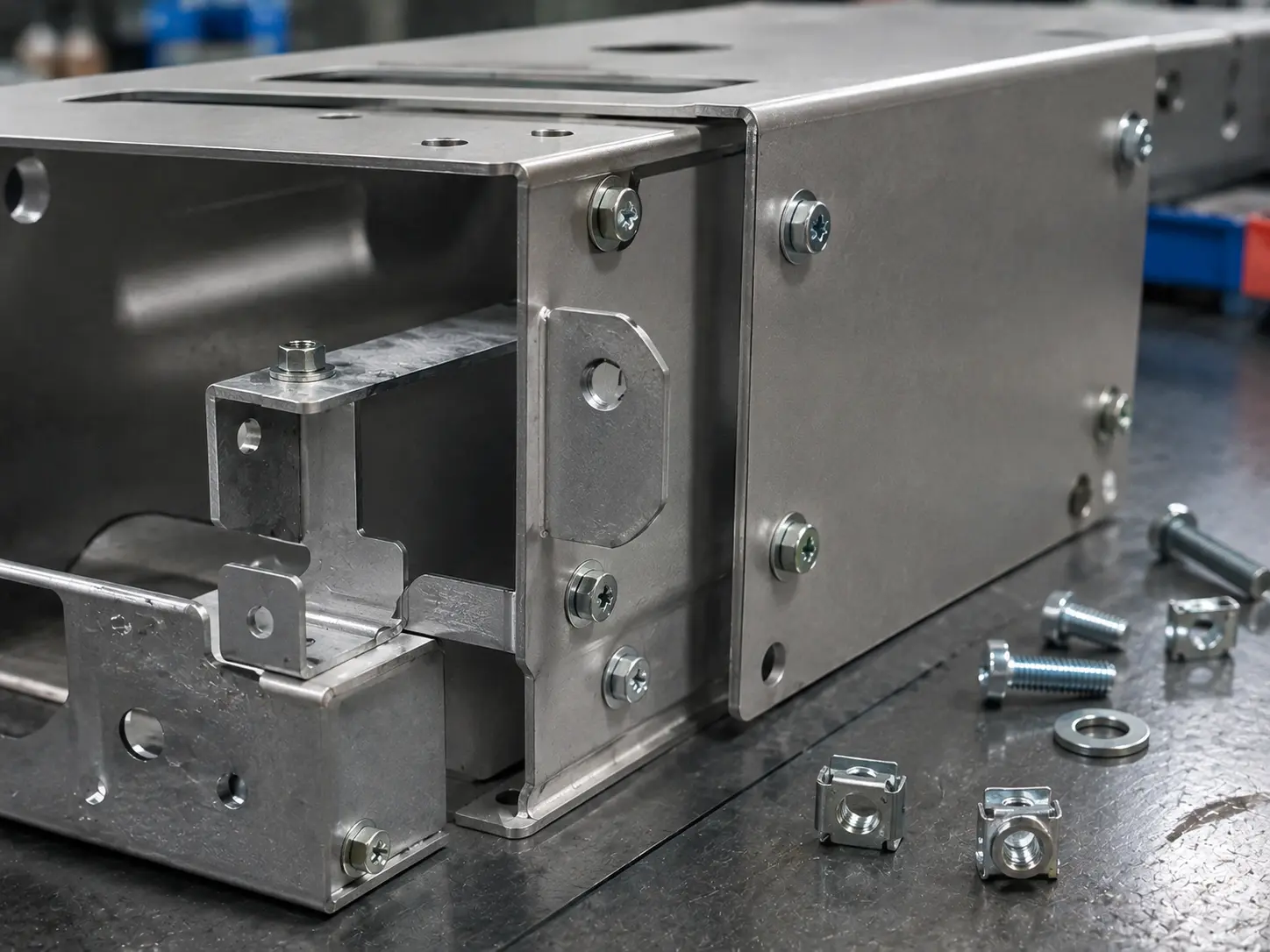
Befestigung
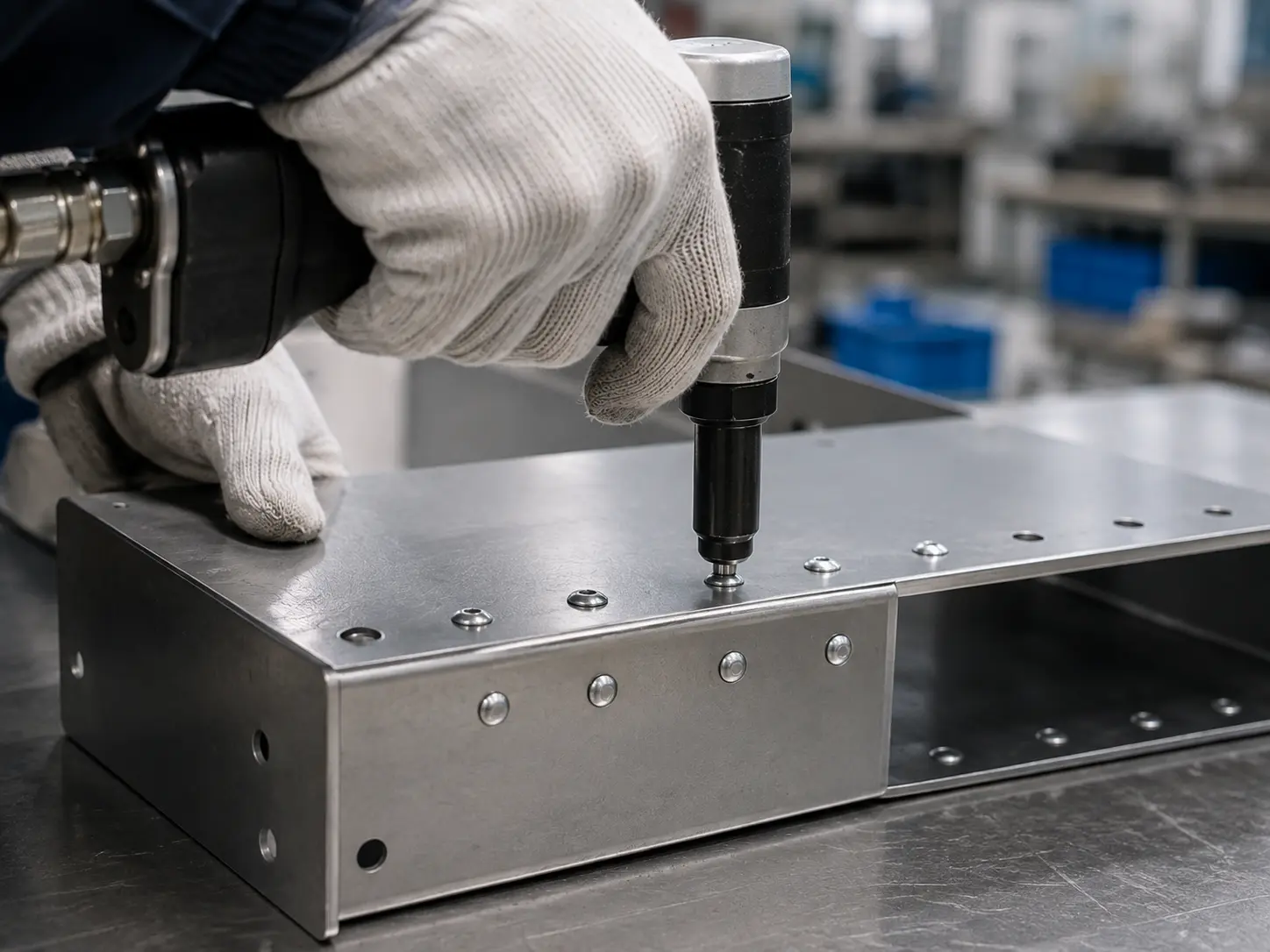
Nieten
Einpressmuttern /
PEM-Befestigungselemente
Beständigkeit
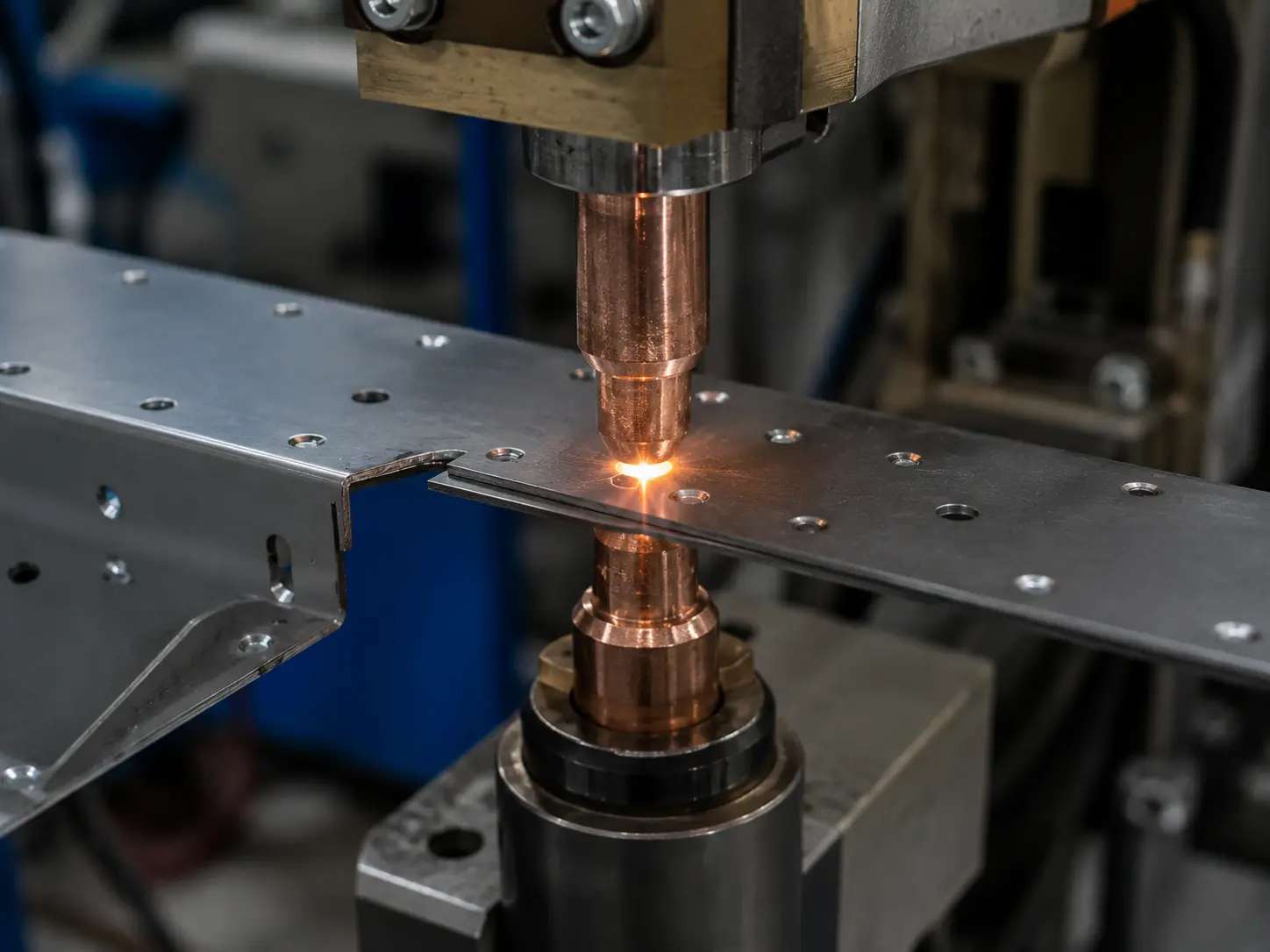
Punktschweißen
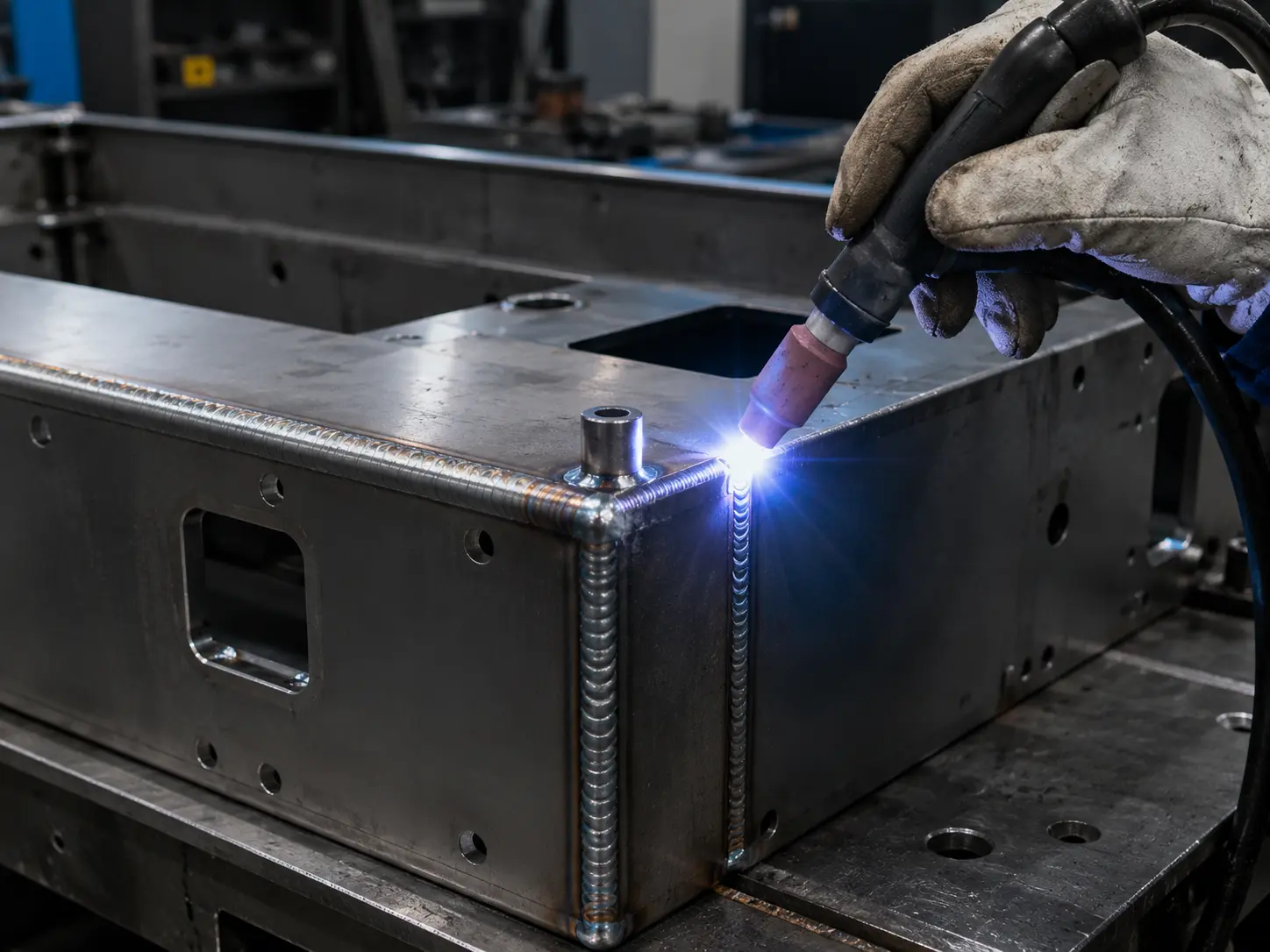
WIG / MIG
Schweißen
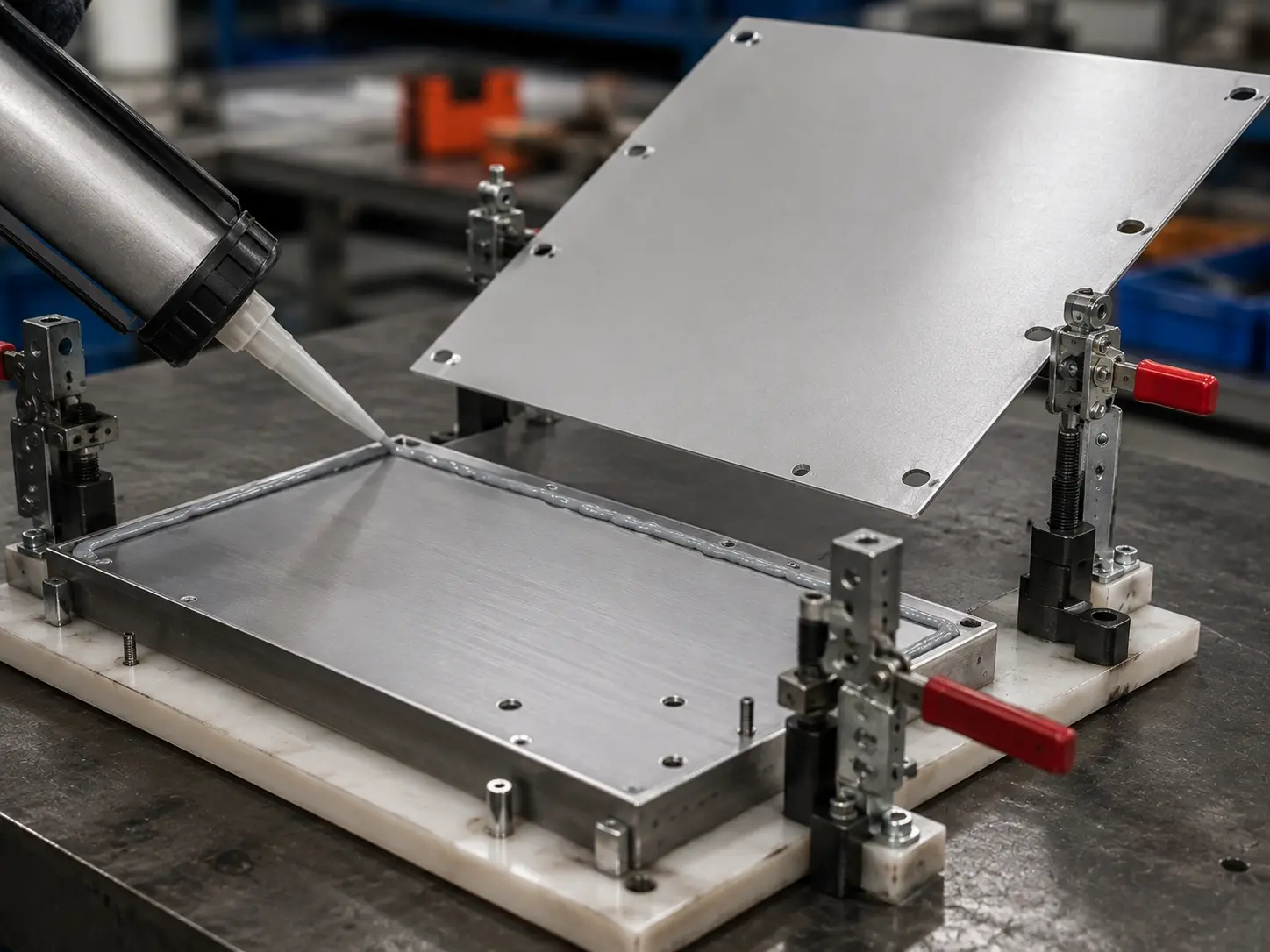
Klebstoff
Klebeverbindung
So wählen Sie die richtige Fügemethode
| Bewertungsschwerpunkt | Empfohlene Methode(n) | Warum sie geeignet ist |
|---|---|---|
|
Hohe Festigkeit / Lasttragend
|
Punktschweißen, strukturelle Blindniete, Bördeln/Flanschnähte | Bietet starke Verbindungen, die höhere Lasten aufnehmen können. |
|
Schutz von Oberflächen (Lack / Beschichtung)
|
Clinchen (TOX®), Klebeverbindung | Geringer oder kein Wärmeeintrag, erhält Beschichtungen und Oberflächen. |
|
Nur einseitiger Zugang
|
Blindniete (Popniete), Nietmuttern / Blindgewindeeinsätze | Ermöglicht die Befestigung, wenn der Zugang zur Rückseite der Baugruppe eingeschränkt oder nicht möglich ist. |
|
Muss abnehmbar sein
|
Schraubbefestigung, Schnappverbindungen / Clips | Leicht zu demontieren für Wartung, Austausch oder Upgrades. |
|
Enger Bauraum / Niedrige Bauhöhe
|
Bördeln, Clinchen, SPR-Stanznieten | Minimiert den Überstand und vermeidet sperrige Befestigungselemente. |
|
Thin Sheet (< 1 mm) with Threads
|
Self-clinching nuts/studs, adhesive bonding | Creates reliable threads without excessive material thickness. |
|
High-Volume Efficiency
|
Spot welding, clinching, snap-fits / clips | Fast cycle times and highly automatable processes. |
|
Mixed Materials / Dissimilar Metals
|
Adhesive bonding, blind rivets or screws with isolation washers | Improves compatibility and manages corrosion effectively. |
Not sure which method is right for your project?
Our engineering team can help you choose the optimal solution.
How SR MFG Controls Sheet-Metal Assembly Quality
Quality is built into the process, not added only at final inspection. SR MFG controls sheet-metal assembly quality through drawing review, in-process control, precise inspection, and functional verification, helping ensure every build meets your requirements for accuracy, strength, appearance, and reliability.
Process First
Control issues in the process, not at final inspection.
Full Verification
Dimensional, surface, welding, function and strength checks.
Documented & Traceable
Records, reports and traceability for every build.
Standards Aligned
Inspect per ISO / ASTM / GB or customer requirements.
Dimensional
Prüfung
Ensure parts and assemblies meet drawing and tolerance requirements.
- Length, width, height
- Hole location & pitch
- Biegewinkel
- Ebenheit
- Parallelism / perpendicularity
Surface & Appearance
Qualität
Maintain clean appearance and protective finish for customer products.
- Burr height control
- Scratch & dent inspection
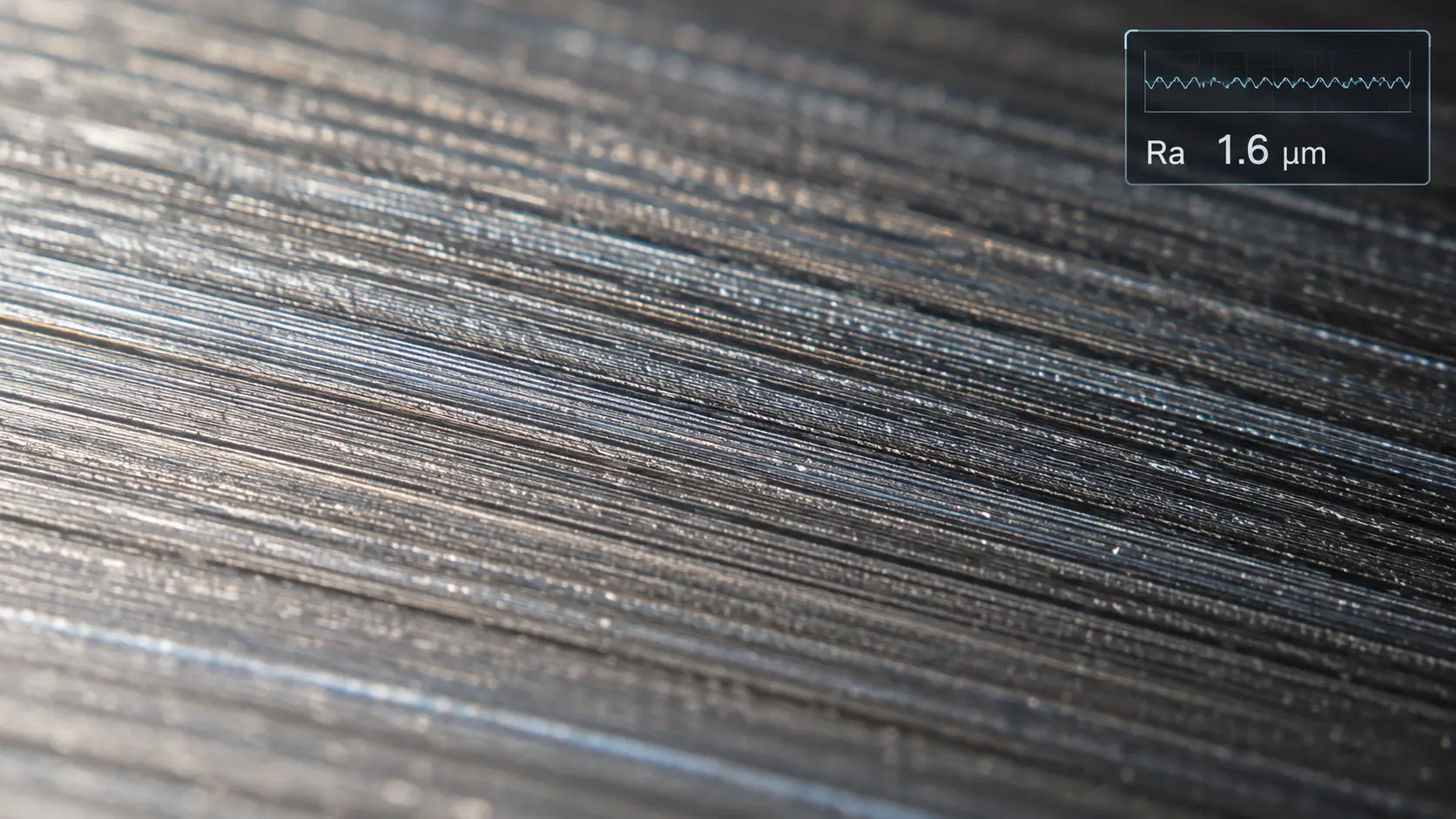
- Oberflächenrauheit
- Schweißnahterscheinungsbild
- Coating adhesion & thickness
Welding & Joining
Defect Control
Prevent defects and ensure strong, stable, and reliable joints.
- Porosity prevention
- Cracking control
- Lack of fusion prevention
- Undercut control
- Distortion control
Functional & Structural
Verification
Verify assembly function, strength and sealing to ensure reliable performance.
- Assembly accuracy & fit
- Fastener torque control
- Load & strength testing
- Operational function checks
- IP / leak testing
| Inspection Item | Typical Tolerance Requirement | Measurement Tools |
|---|---|---|
| Linear dimensions (L/W/H) | ±0.1 to ±0.3 mm (laser-cut blanks) | ±0.2 to ±0.5 mm (after bending) | Calipers, micrometers, CMM |
| Hole location accuracy (pitch, edge distance) | High precision: ±0.05 to ±0.1 mm | Standard: ±0.1 to ±0.2 mm | Calipers, CMM |
| Biegewinkel | ±0.5° to ±1.5° (CNC press brakes can typically hold within ±1°) | Angle gauges, bend-angle tools |
| Ebenheit | ≤0.1 mm (general requirement) | ≤0.3 mm/m (enclosures & housings) | Surface plate, dial indicator, CMM |
| Parallelism / perpendicularity | ≤0.2 mm/m (U-shaped parts formed by multiple bends) | Squares, dial indicator |
| Defect | Common Causes | Preventive Actions |
|---|---|---|
| Porosity | Impure shielding gas, oil/rust/moisture; travel speed too fast | High-purity gas, pre-cleaning, and controlled gas flow |
| Cracking | Excess hydrogen, high restraint stress, excessive heat input | Low-hydrogen consumables, preheat, and post-heat when required |
| Lack of fusion / penetration | Current too low or speed too high; groove angle too small | Adjust current, travel speed, groove angle, and welding parameters |
| Undercut | Current too high, speed too fast, arc voltage too high | Reduce travel speed and control arc voltage |
| Verzug | Uneven heat input; long continuous welds | Use stitch welding, rigid fixturing, and stress relief if needed |
| Kategorie | Norm | Typische Anwendung |
|---|---|---|
| General dimensional tolerances | ISO 2768, GB/T 1804 | Unspecified tolerances |
| Tensile testing | ASTM E8, GB/T 228.1 | Mechanische Eigenschaften |
| Hardness testing | GB/T 230.1, ISO 6507 | Rockwell / Vickers hardness |
| Salt spray testing | GB/T 10125, ASTM B117 | Korrosionsbeständigkeit |
| Coating adhesion | ASTM D3359, GB/T 9286 | Adhesion testing |
| Welding quality | ISO 5817 quality levels for imperfections in fusion-welded joints | Weld inspection and acceptance criteria |
From material to final assembly, SR MFG applies rigorous quality controls and traceable inspections to deliver consistent, reliable results—every time.
Explore the quality management of SR MFG →Standard Metal Assembly Workflow
SR MFG follows a proven end-to-end assembly process that ensures every project is built to specification,
delivered on time, and backed by consistent quality.
Metal Assembly Process (Video Walkthrough)
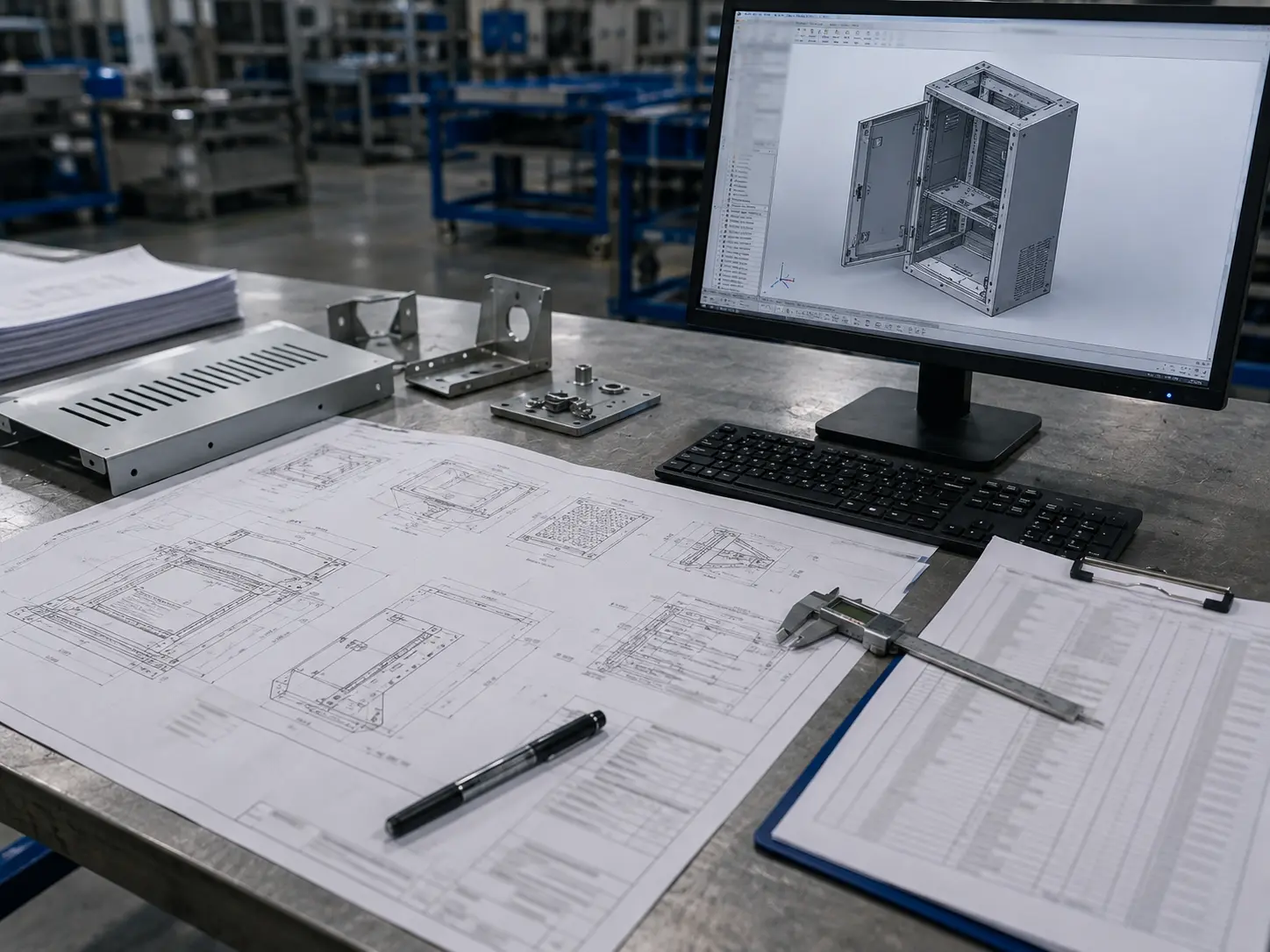
Drawing &
BOM Review
- Review drawings, BOM and technical requirements
- DFM check and risk assessment
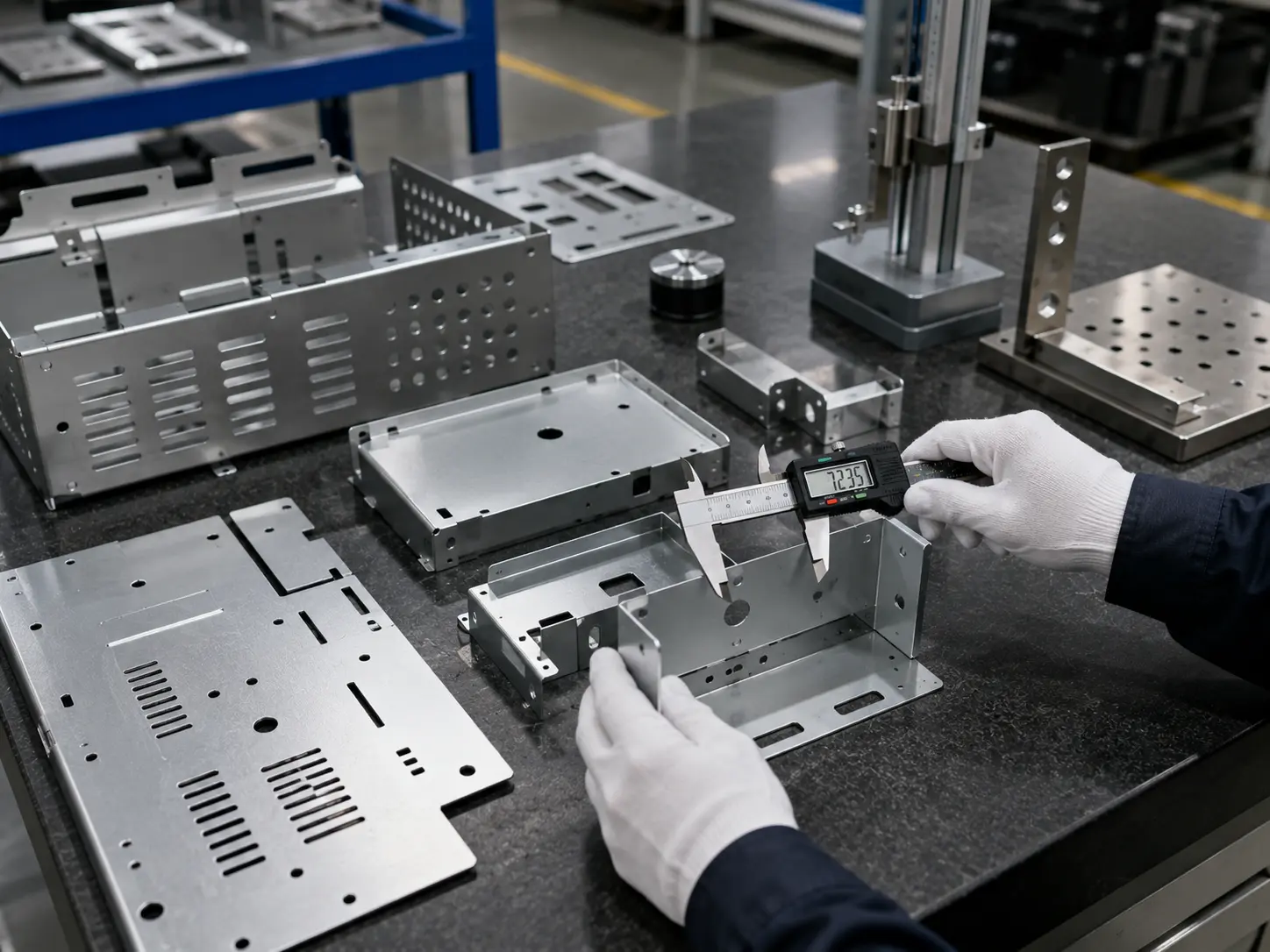
Incoming Parts
Prüfung
- Verify dimensions, materials and surface condition
- Ensure parts meet quality standards
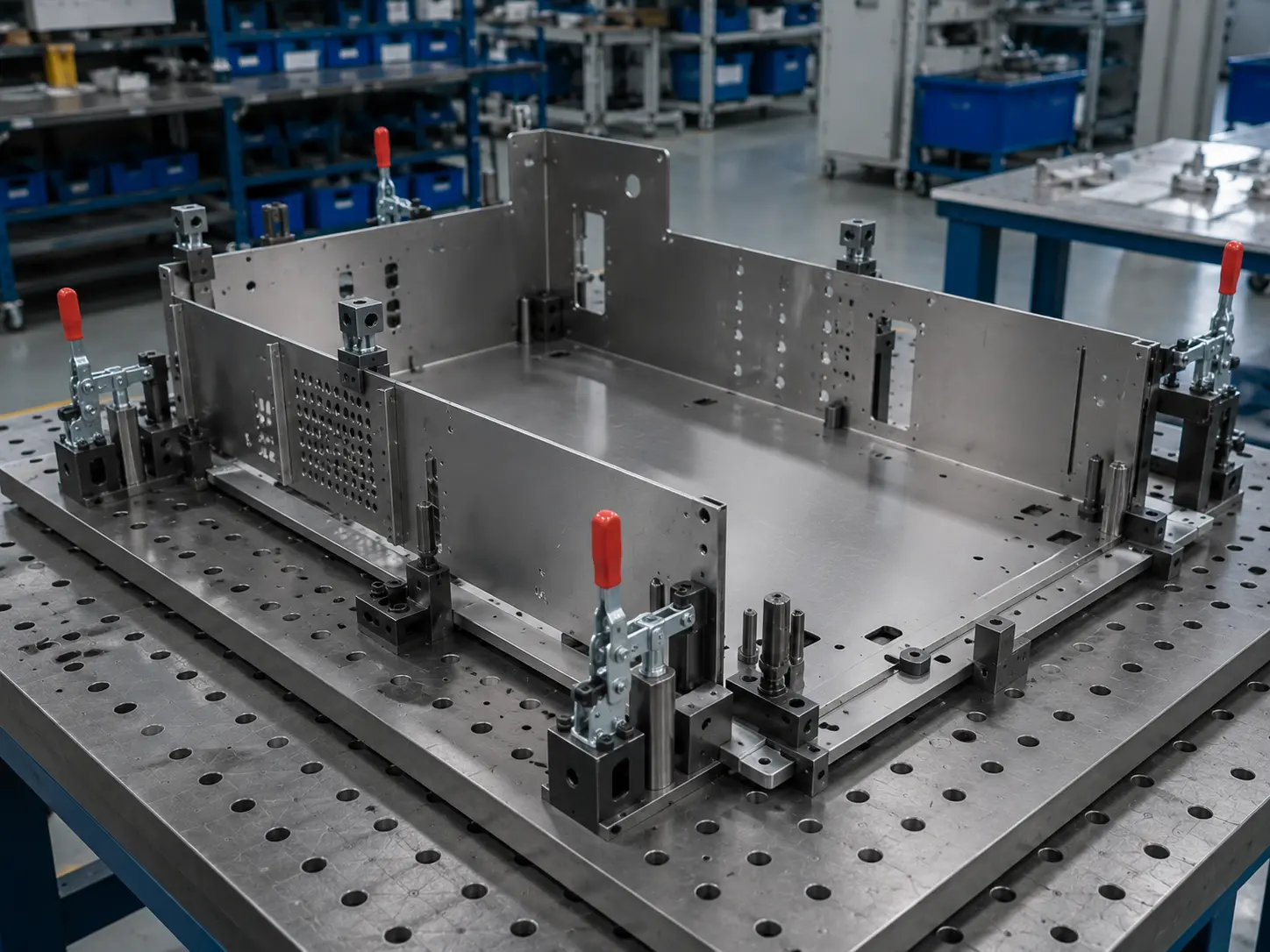
Fixture &
Assembly Setup
- Prepare fixtures and tools
- Confirm assembly sequence and fit-up accuracy
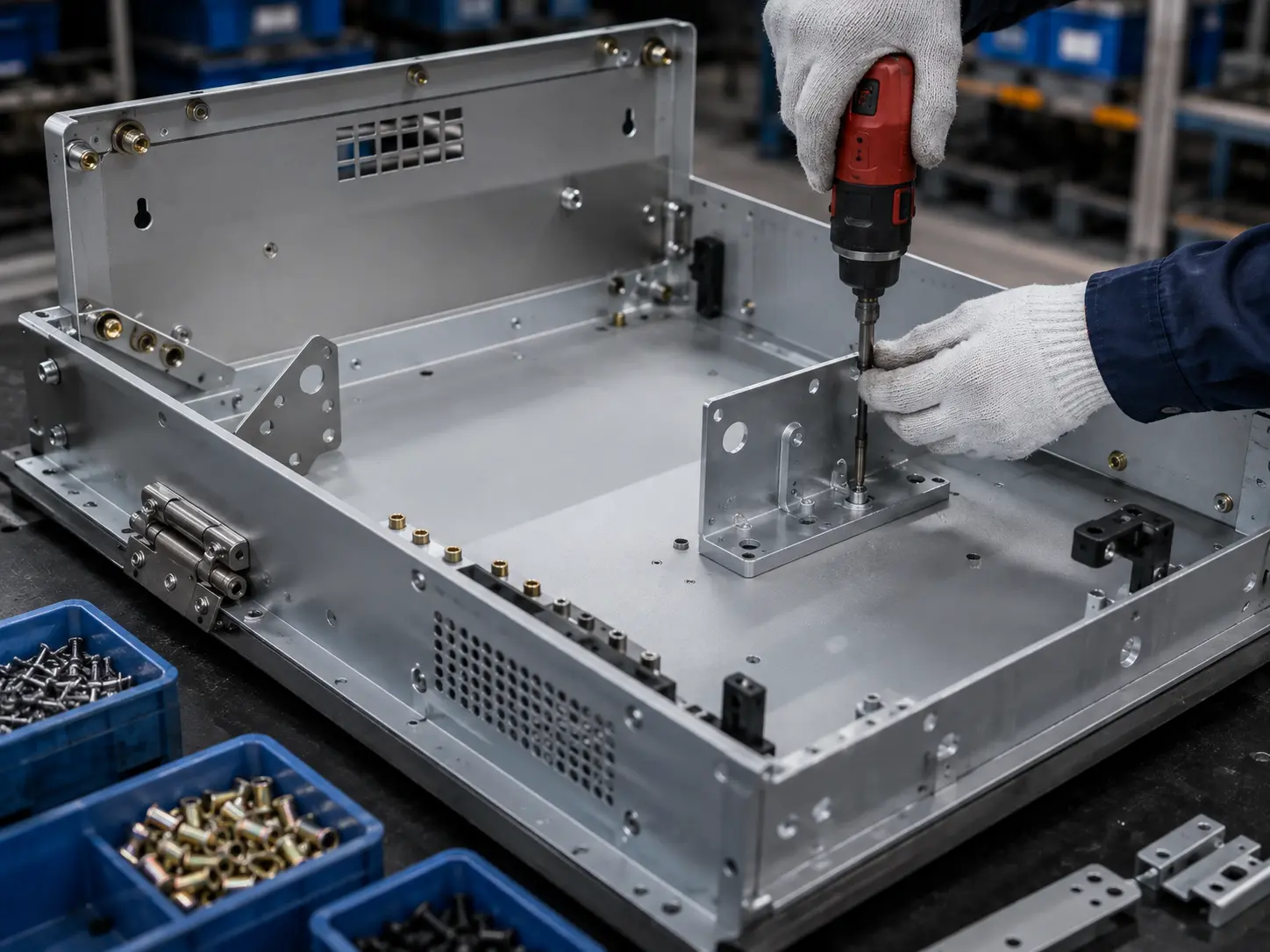
Joining &
Component Installation
- Fastening, clinching, riveting, welding or adhesive bonding
- Install accessories and sub-assemblies
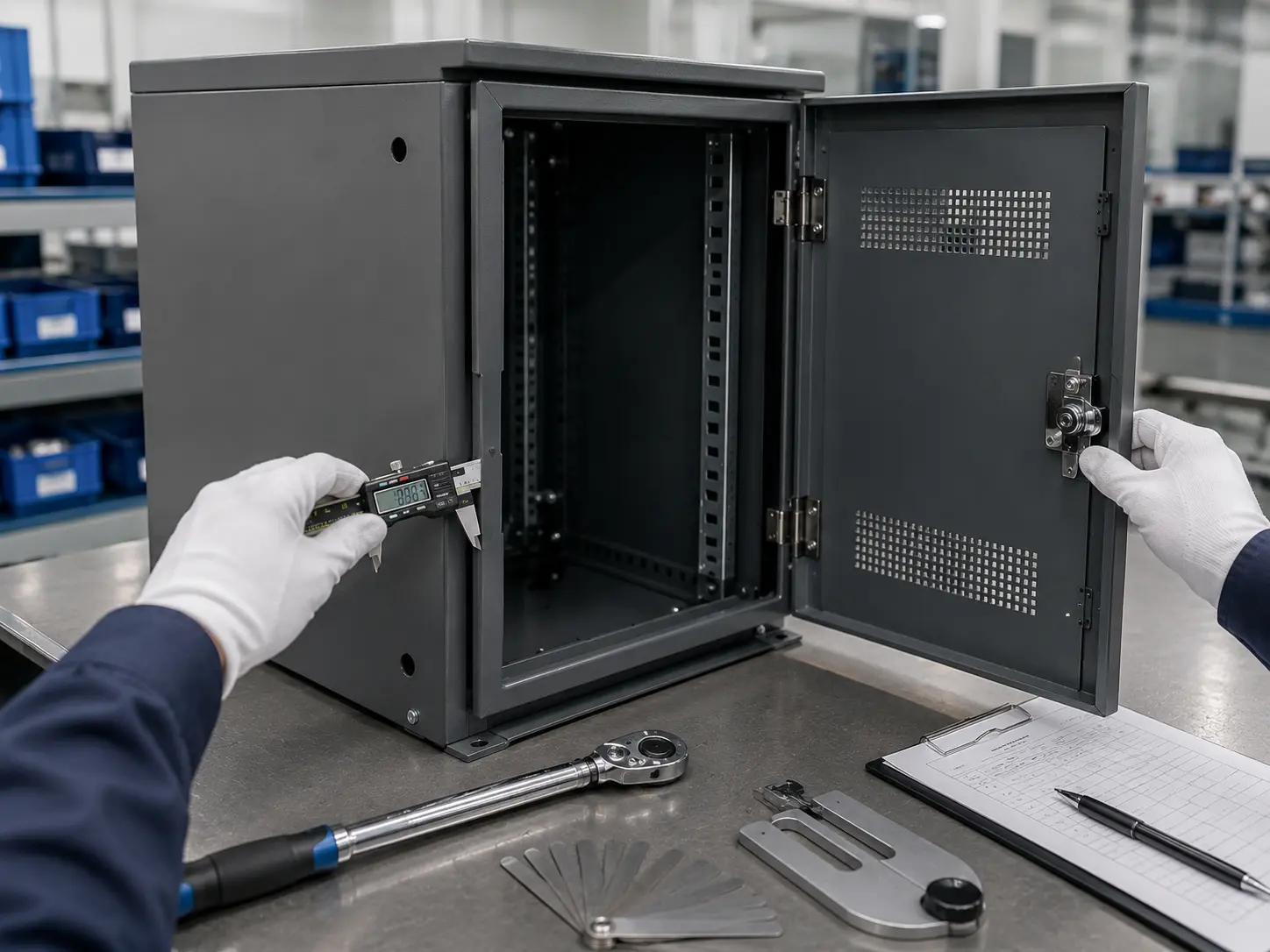
In-Process &
Functional Checks
- Dimensional and appearance inspection
- Functional and performance testing
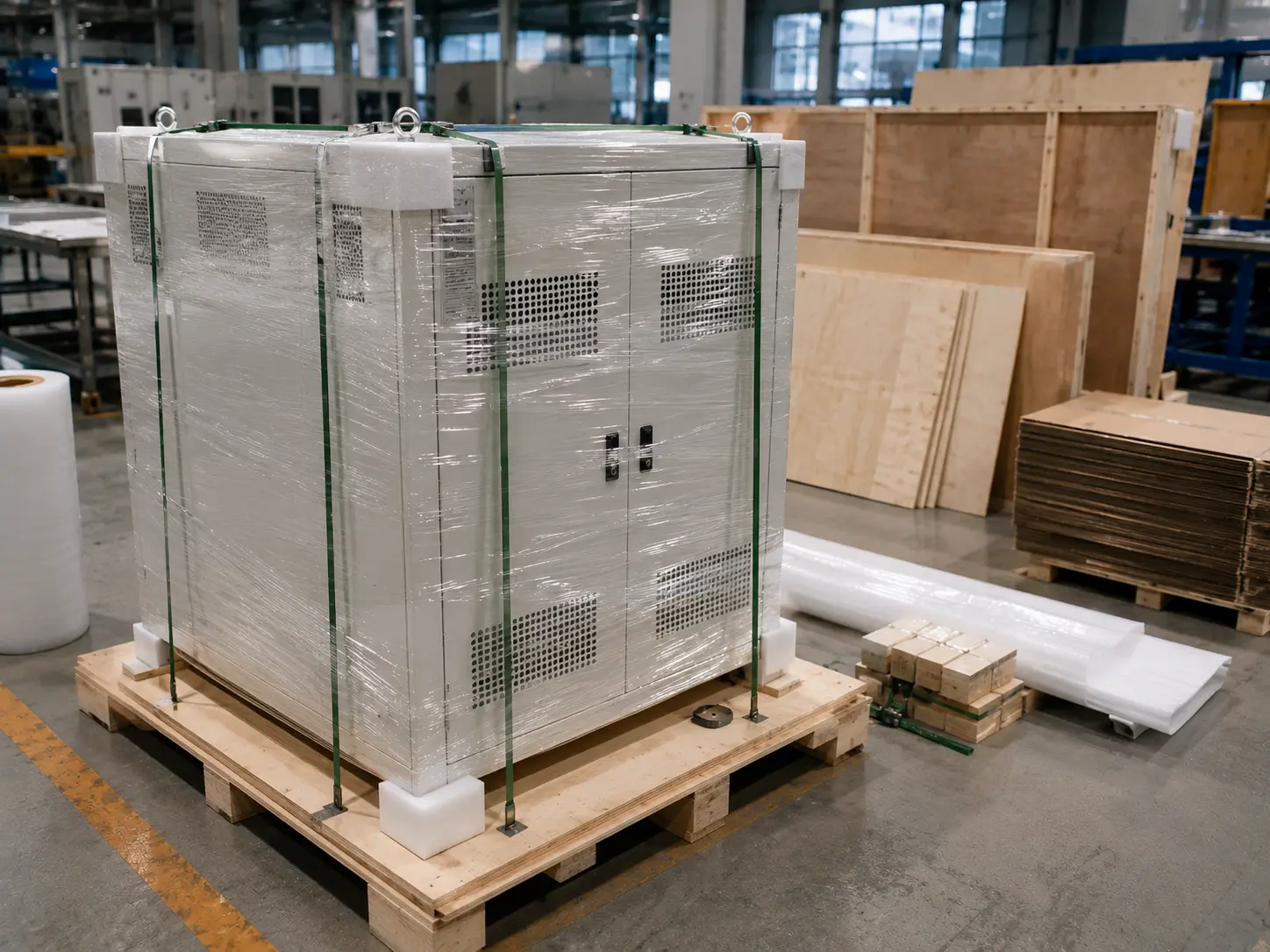
Final Packing
& Shipment
- Final inspection before packing
- Protective packaging, labeling and shipping documentation
Quality Built In
Quality checks at every key stage, not just at the end.
Pünktliche Lieferung
Standardized workflow helps ensure schedule reliability.
Consistent Results
Proven process delivers stable quality across every build.
Klare Kommunikation
Transparent updates and full traceability throughout.
Standards & References
We follow international standards and customer requirements, including ISO 2768, ISO 5817, ASTM, and other applicable specifications.
Note: The process may vary based on project type, materials, and customer requirements.
Ready to Review Your Metal Assembly Requirements?
Send us your drawings, BOM, assembly sequence, joining methods, purchased components, testing requirements, packaging specifications, and acceptance criteria. Our engineering team will review the assembly scope and recommend a suitable production and inspection plan.
Industries & Metal Assembly Applications
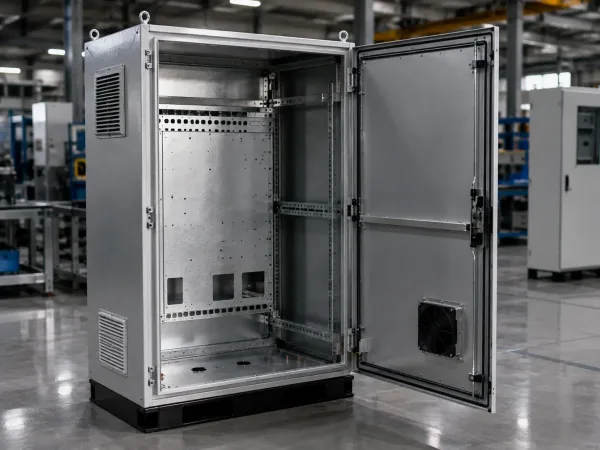
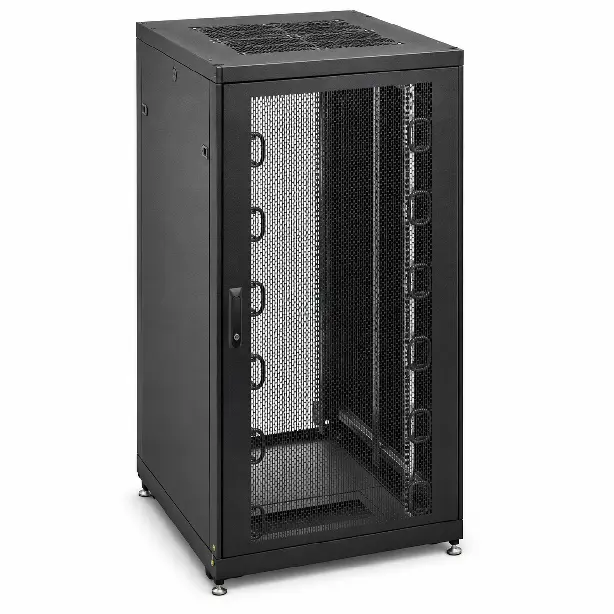
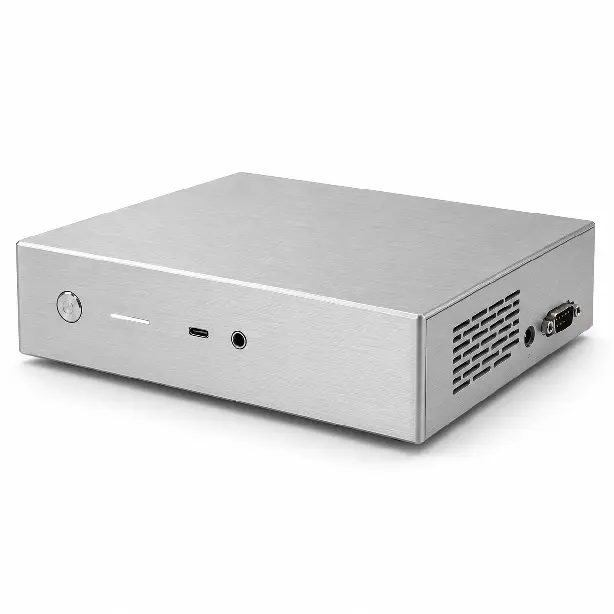
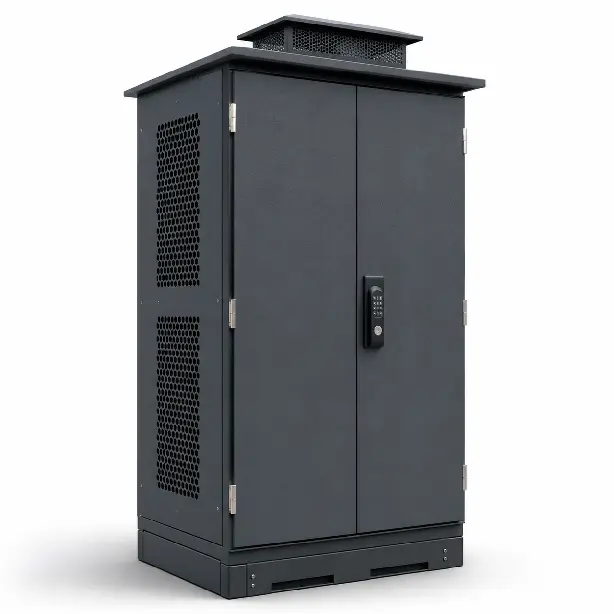
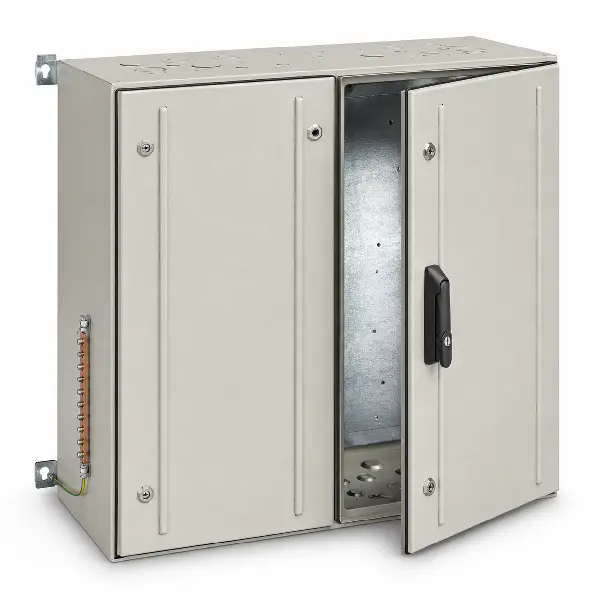
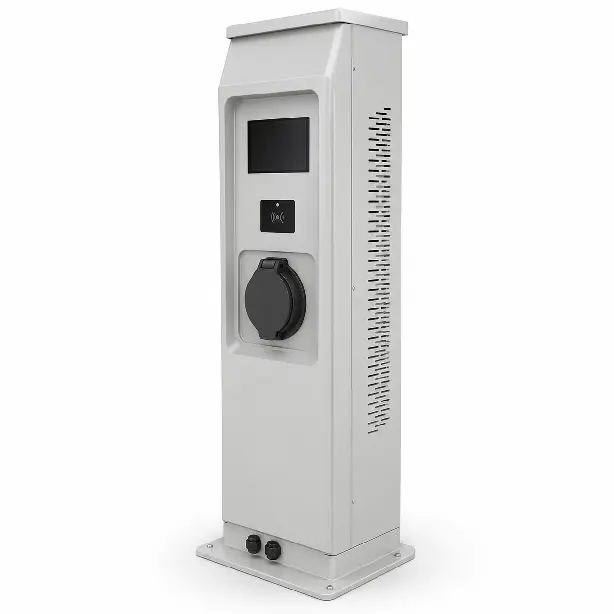
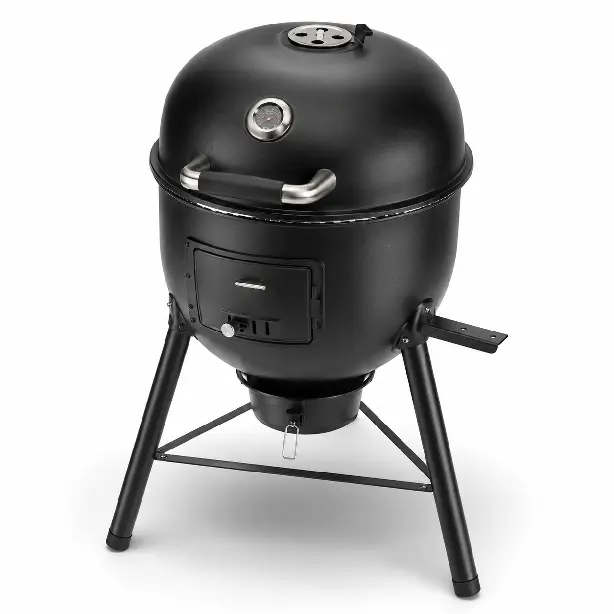
SR MFG provides metal assembly services for sheet metal parts and fabricated components used in data center equipment, consumer electronics, electrical systems, industrial equipment, new energy systems, and outdoor products. Metal assembly helps combine individual cut, bent, welded, machined, or finished parts into complete functional modules or ready-to-install assemblies.
We support both prototype validation and stable batch production for metal assemblies that require fastening, riveting, welding assembly, hardware installation, threaded inserts, hinges, handles, brackets, panels, and enclosure integration.