
Aluminium-Eloxierdienstleistungen für Metallteile
SR MFG bietet verwaltete Eloxierunterstützung für Aluminiumblechteile und bearbeitete Komponenten, einschließlich Typ II und Typ III Eloxieren, Farbanforderungen, Maskierungsplanung, Bestätigung der Versiegelungsmethode, Prüfprotokolle und Dokumentationsunterstützung.
Wir helfen dabei, Eloxiertyp, Dickenklasse, Farbe, Versiegelungsmethode und kritische Oberflächenanforderungen gemäß den Projektanforderungen zu definieren. Normen wie ISO 7599 und MIL-PRF-8625 können bei Bedarf herangezogen werden.
Typ II / Typ III Optionen
Dekorative, schützende und Harteloxieroptionen können je nach Anwendungsanforderungen geprüft werden.
Farb- & Versiegelungskontrolle
Klar, schwarz und ausgewählte Farbeloxierungen können durch Muster, Spezifikation und Versiegelungsmethode bestätigt werden.
Maskierungs- & Prüfunterstützung
Gewinde, Kontaktflächen, Passflächen und Sichtflächen können vor der Produktion geprüft werden.
Erhalten Sie ein individuelles Angebot in 24 Stunden
Laden Sie Ihre Zeichnungen für die technische Prüfung hoch.
Was ist Eloxieren?
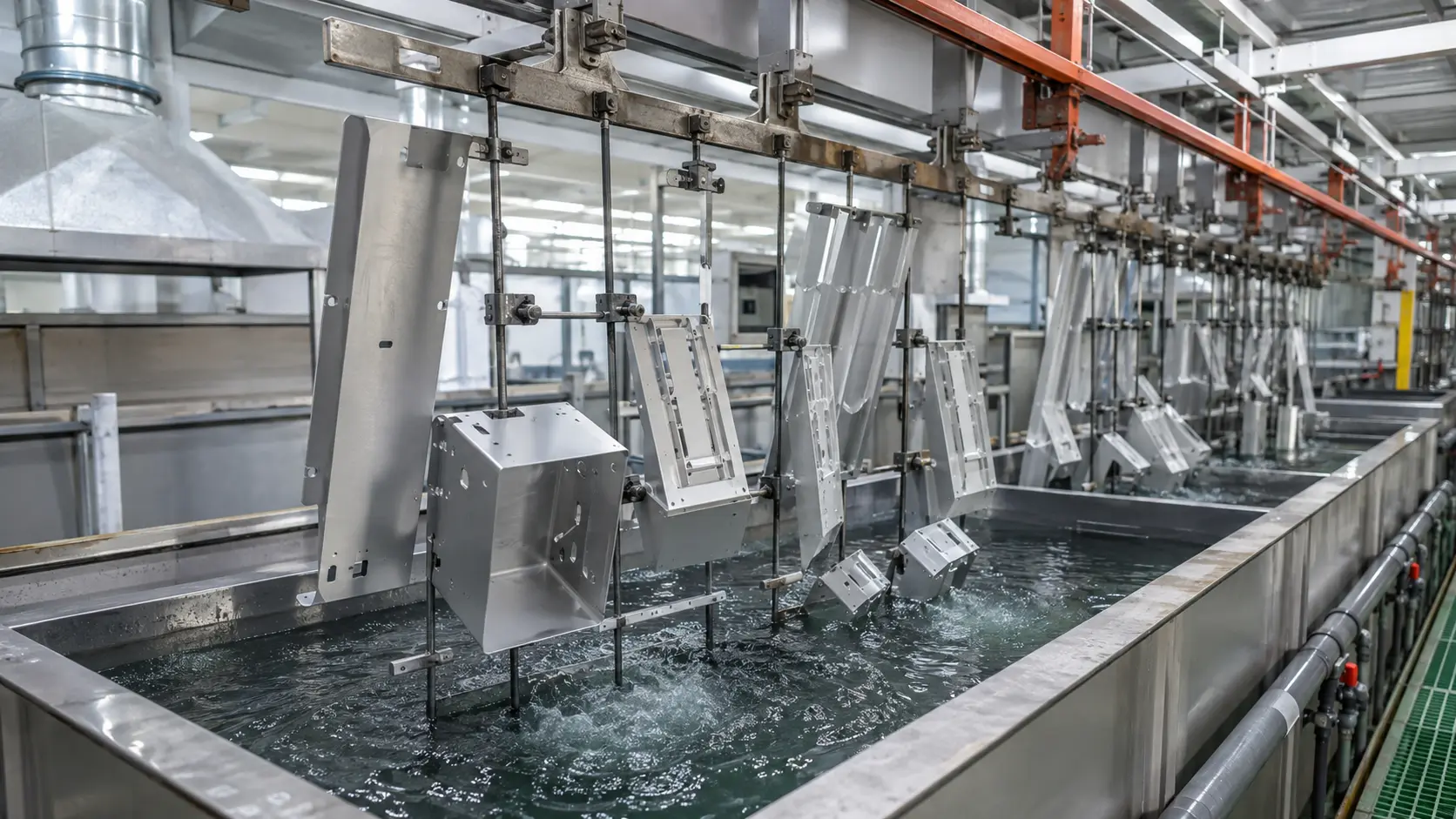
Eloxieren ist eine elektrochemische Oberflächenbehandlung, die hauptsächlich für Aluminium und Aluminiumlegierungen verwendet wird. Sie wandelt die Metalloberfläche in eine dichte Oxidschicht um, die die Korrosionsbeständigkeit, Verschleißfestigkeit, das Aussehen und die Oberflächenhaltbarkeit verbessert.
Vor dem Versiegeln ist die anodische Oxidschicht natürlich porös, was das Einbringen und Einschließen von Farbe ermöglicht. Dies macht das Eloxieren sowohl für schützende als auch für dekorative Aluminiumteile geeignet.
- Färben: Farbe dringt in die Poren ein und wird für dekorative Oberflächen eingeschlossen.
- Elektrolytisches Färben: Metallsalze erzeugen Töne wie Bronze, Grau und Schwarz.
Das endgültige Aussehen sollte stets durch genehmigte Muster bestätigt werden.
Vorteile und Einschränkungen des Eloxierens
Vorteile
- Ausgezeichnete Korrosions- und Verschleißbeständigkeit
- Hochwertig aussehende Oberfläche mit mehreren Farboptionen
- Starke elektrische Isolierung
- Gute Grundlage für Sekundärbeschichtung bei Bedarf
Einschränkungen
- Hauptsächlich geeignet für Aluminium und ausgewählte Leichtmetalle
- Hart, aber weniger duktil nach dem Eloxieren
- Leitfähige Bereiche können selektive Maskierung erfordern
- Farbkonsistenz kann je nach Legierung, Oberflächenbeschaffenheit und Chargenkontrolle variieren
Gängige Eloxieroptionen, die wir spezifizieren helfen
Verschiedene Eloxiertypen bieten unterschiedliche Schichtdicken, Aussehen und Leistung. Wir helfen Ihnen, den richtigen
Eloxiertyp basierend auf Legierung, Funktion, Aussehen und Einsatzumgebung auszuwählen.
Typ II Schwefelsäure-Eloxieren
Am besten für dekorative und schützende Aluminiumteile.
- Klar, schwarz oder ausgewählte Farben
- Gute Korrosionsbeständigkeit
- Dekorative Oberfläche
- Typische Dicke: ~2–25 μm
Typ III Harteloxieren
Am besten für höhere Verschleißfestigkeit und Funktionsteile.
- Dicke Oxidschicht
- Höhere Härte
- Verbesserte Oberflächenhaltbarkeit
- Typische Dicke: ~25–150+ μm
Schwarz / Farbe Eloxieren
Am besten für Kosmetikteile und sichtbare Oberflächen.
- Klar, schwarz und kundenspezifische Farben
- Gleichmäßiges Aussehen
- Versiegelung verbessert die Haltbarkeit
- Farbe nach genehmigten Mustern
Spezielle Eloxalverfahren
Fallweise Prüfung für spezialisierte Anforderungen.
- Chromsäure- / Phosphorsäure-Eloxal
- Schwefelsäure-Weinsäure- / Mischsäure-Eloxal
- MAO / Plasmaelektrolytische Oxidation
- Glänzendes Eloxieren und weitere
Eloxalfarbe & Musterbestätigung
SR MFG bietet eine breite Palette an Eloxalfarben. Die endgültige Farbe kann je nach Legierung, Oberflächenbeschaffenheit, Schichtdicke, Färbeverfahren, Versiegelungsprozess und Chargenbedingungen variieren.
Klar / Natur
Transparente Oberfläche, die das natürliche Erscheinungsbild von.
Schwarz
Klassische schwarze Oberfläche mit starker Korrosionsbeständigkeit und.
Grau / Silber
Neutrale Grau- bis Silbertöne für ein sauberes, professionelles Erscheinungsbild.
Champagner / Gold
Warme Goldtöne für hochwertige dekorative Anwendungen und Luxus.
Blau
Intensive Blautöne mit ausgezeichneter Farbechtheit und Haltbarkeit.
Rot
Lebendige Rottöne zur Steigerung der Produktidentität und visuellen Wirkung.
Sonderfarbe
Abgleich mit Ihrem freigegebenen Muster oder Pantone-Referenz für individuelle Markenanforderungen.
Schichtdickenfähigkeit & Kontrolle der Maßtoleranzen
Die Eloxalschichtdicke beeinflusst direkt die Korrosionsbeständigkeit, das Verschleißverhalten, das Erscheinungsbild und die Maßänderung.
Definieren Sie kritische Passflächen, Abdeckbereiche und Prüfmethoden frühzeitig, um gleichbleibende Passung und Funktion zu gewährleisten.
Typische Dickenbereiche
- Dekoratives Eloxieren: typischerweise 5–15 μm
- Allzweck-Eloxieren: typischerweise 15–25 μm
- Technisches Eloxieren: typischerweise 25–50 μm
- Harteloxieren: typischerweise 50–70 μm
Maßänderung
- Oxidwachstum kann Bohrungen, Gewinde und Passflächen beeinflussen
- Die Maßauswirkung hängt von Legierung, Verfahrensart und Zielschichtdicke ab
- Toleranzempfindliche Teile sollten vor der Produktion geprüft werden
Kontrollziele
- Definieren Sie die Schichtdickenklasse nach Funktion und Einsatzumgebung
- Bestätigen Sie Abdeckbereiche und kritische Merkmale im Voraus
- Verwenden Sie Erstmusterprüfung für kritische Passungen
- Prüfpunkte und Abnahmekriterien sollten vor der Serienproduktion abgestimmt werden
Technische Hinweise
- Harteloxieren wird üblicherweise für verschleißkritische Funktionsteile verwendet
- Dekoratives Eloxieren konzentriert sich stärker auf das Erscheinungsbild und den Basisschutz
- Endgültige Anforderungen sollten der Zeichnung, Spezifikation und Projektvalidierung entsprechen
Die endgültige Maßänderung hängt von Legierung, Eloxalart, Schichtdicke, Abdeckungsdesign und Zeichnungsanforderungen ab. Kritische Passungen sollten während der technischen Prüfung und Erstmustervalidierung bestätigt werden.
Material Suitability for Anodizing
Anodizing performance depends on the base material. Below is a general guide to help you choose the right material
and understand key considerations.
Aluminium &
Aluminiumlegierungen
The most widely used material for anodizing. Suitable for Type II, Type III, clear, black, and selected color anodizing.
Excellent corrosion resistance, wear performance, and aesthetic versatility.
Titanium Alloys
Can be anodized for functional or decorative applications, but color and process requirements should be confirmed case by case.
Good corrosion resistance and biocompatibility; color options are more limited.
Magnesiumlegierungen
May require special surface treatments such as micro-arc oxidation. Feasibility depends on alloy, geometry, and service environment.
Lower corrosion resistance than aluminum; not all alloys are suitable.
Steel & Stainless Steel
Anodizing is not applicable. Alternative finishes such as passivation, plating, painting, powder coating, or e-coating are recommended.
Different surface treatment methods are more suitable for these materials.
Anodizing Process Overview
A controlled multi-step process ensures consistent film quality, color stability, and long-term performance.
Anodizing Process Overview (Video Walkthrough)
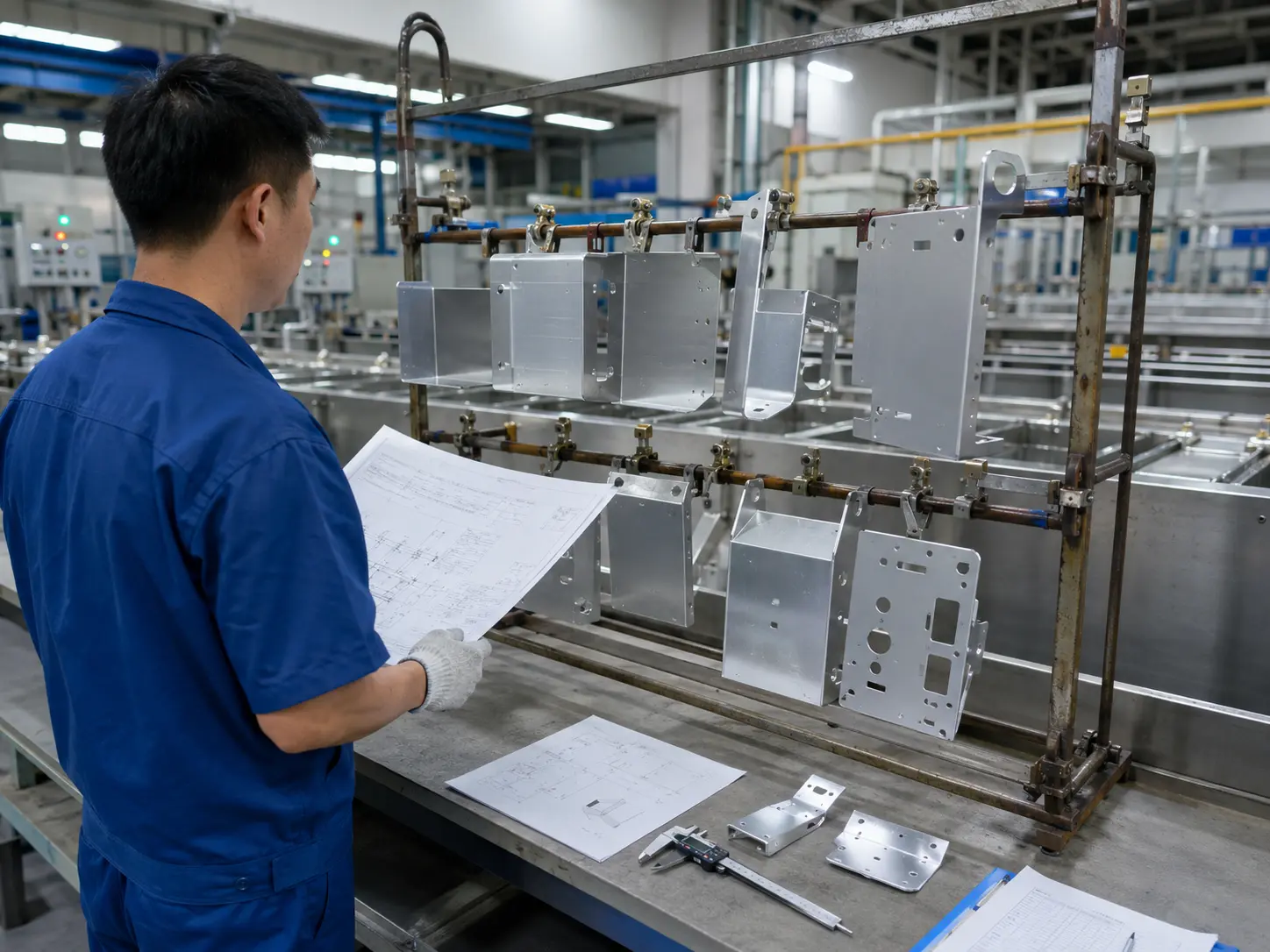
Requirement Review
& Racking
Confirm alloy, surface finish, masking areas, color, thickness, and inspection requirements.
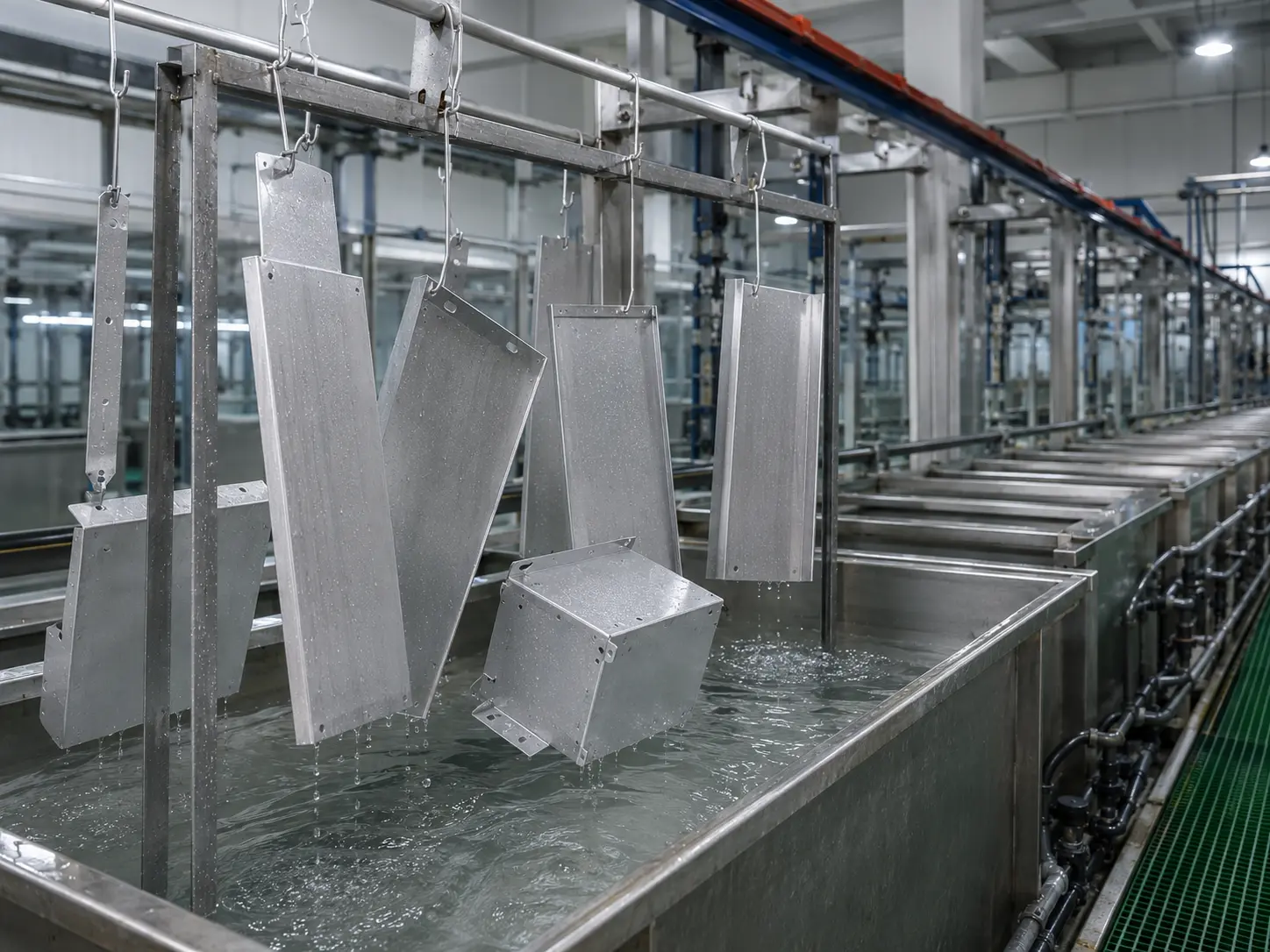
Cleaning &
Vorbehandlung
Remove oil, residue, oxide, and surface contamination before anodizing.
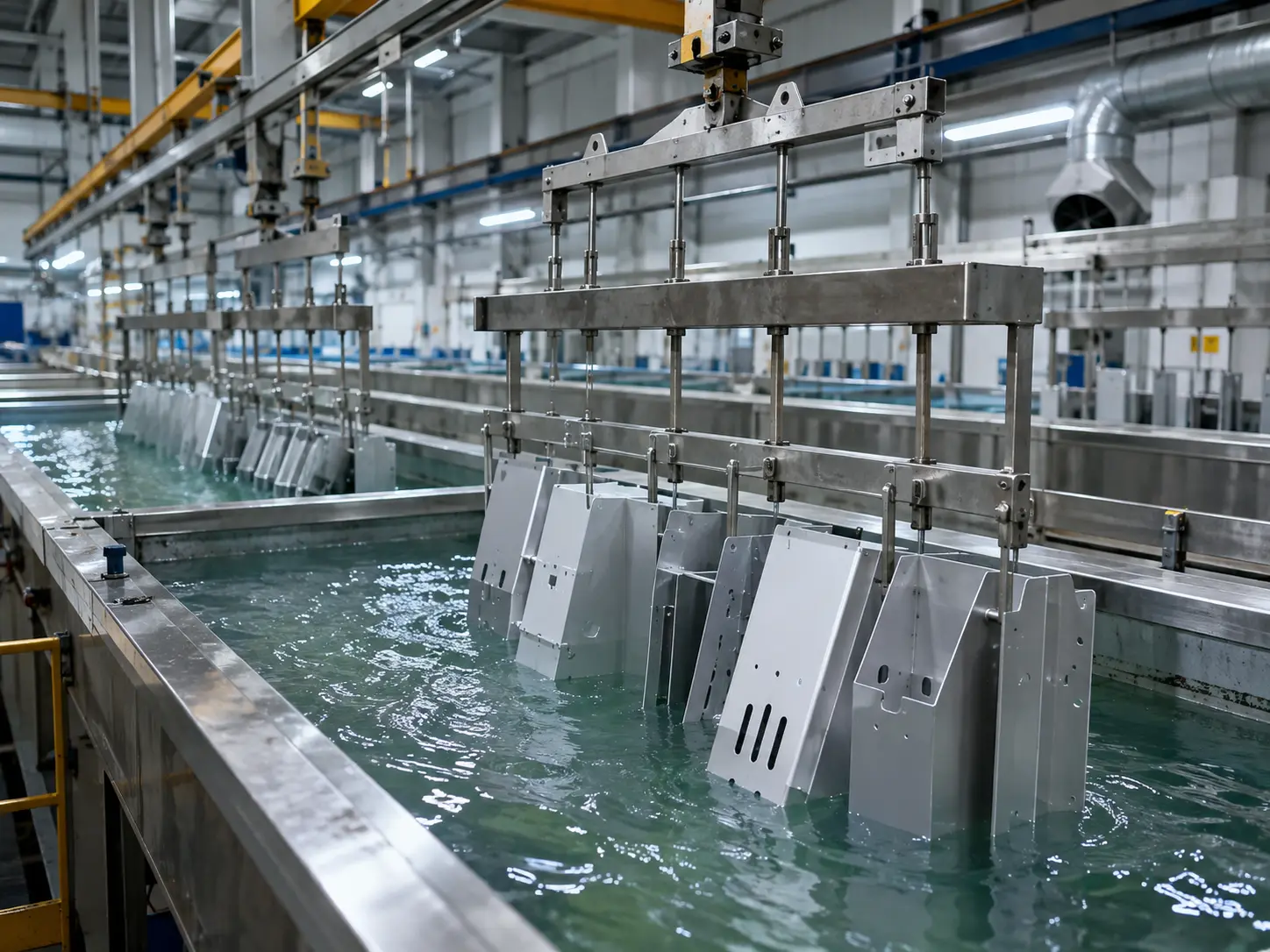
Anodizing Bath
Create the oxide layer under controlled conditions based on thickness and appearance targets.
Optional Coloring
Clear, black, or selected colors can be processed according to approved samples.
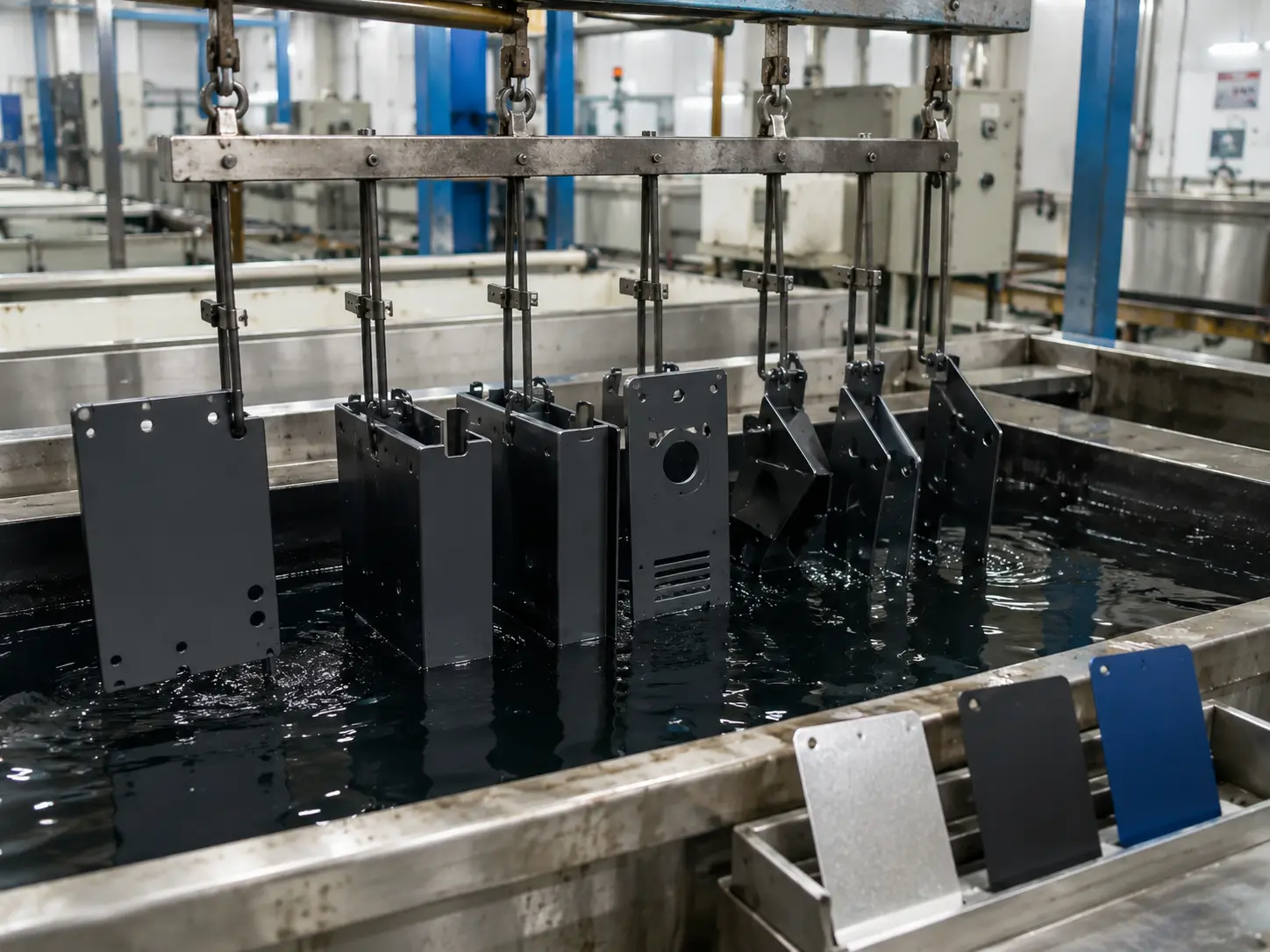
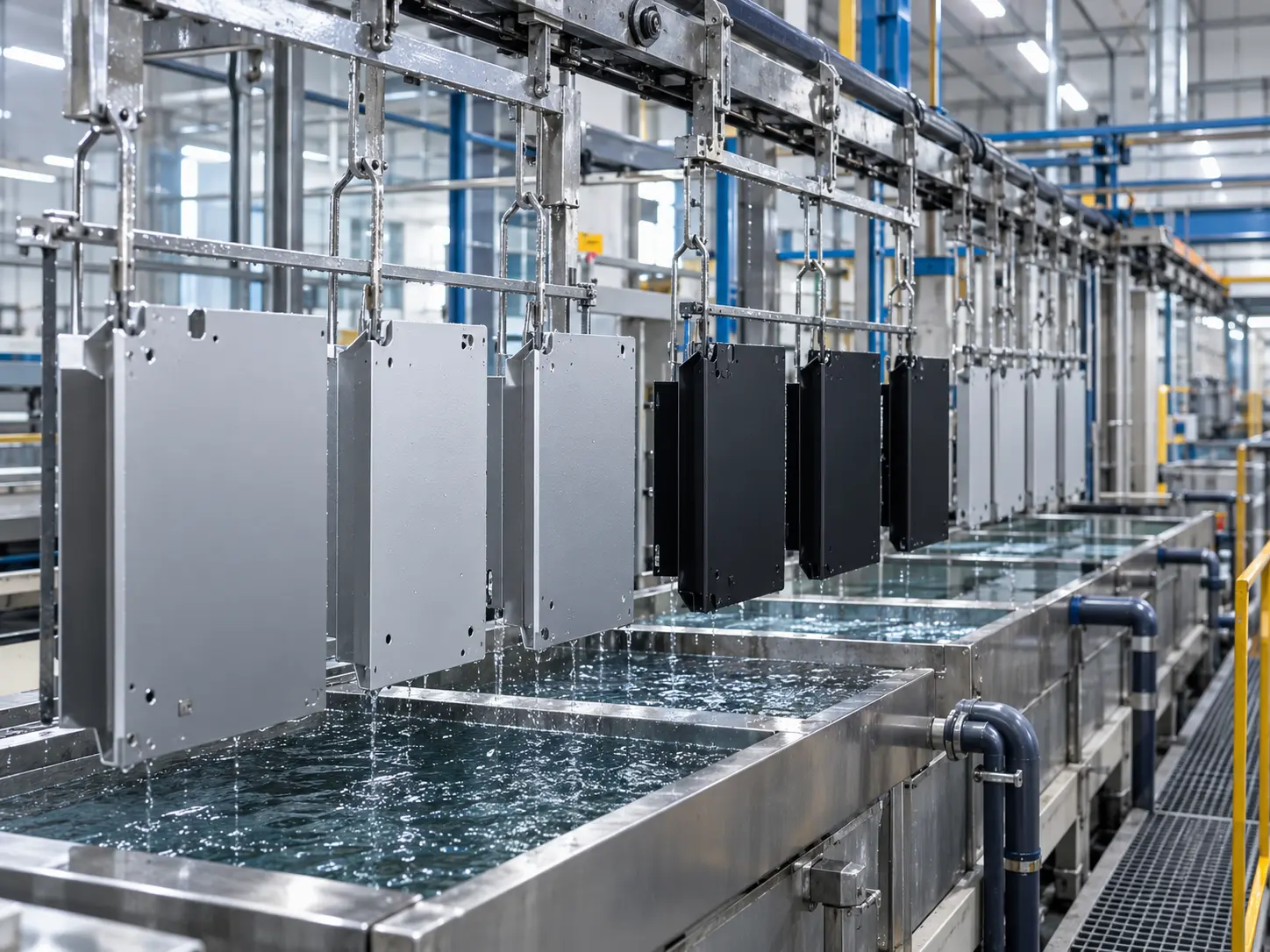
Sealing &
Final Rinse
Seal the porous oxide layer to improve durability, color stability, and corrosion resistance.
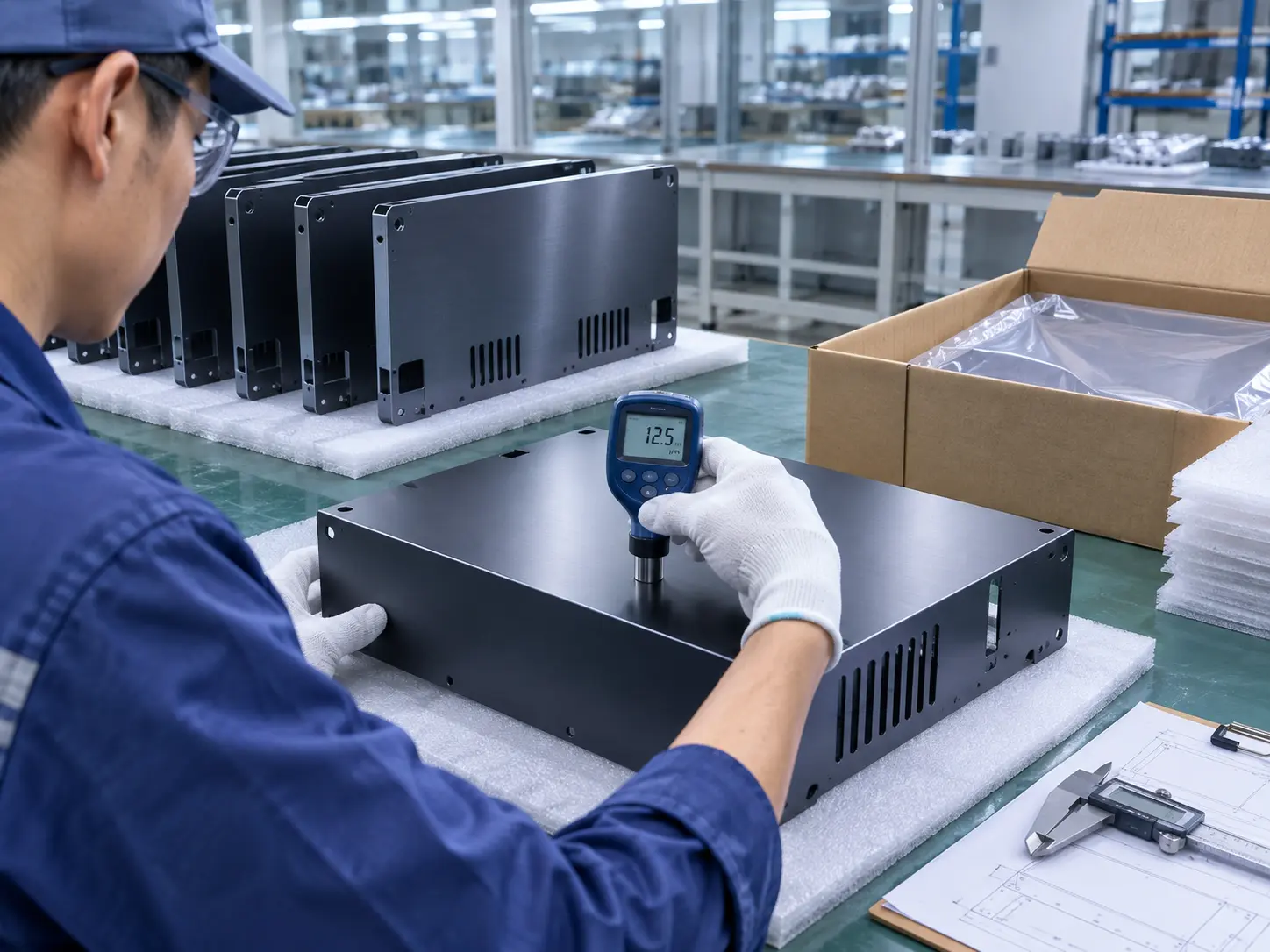
Drying, Inspection
& Packing
Check appearance, color, thickness, masking quality, and packing condition before delivery.
Every Step
Quality Validation & Deliverables
For anodizing projects, quality is more than “getting the color right.” We verify film thickness, sealing quality, and critical dimensions to meet your requirements. Our inspection criteria are aligned with project-specific requirements and relevant specifications such as ISO 7599 and MIL-PRF-8625, helping ensure consistent, repeatable results from sampling through final shipment.
1. Appearance & Color Review
- Evaluated against approved samples and color chips
- Cosmetic grade and finish per project requirements
- Viewed under specified lighting and angles
- Color confirmation and visual consistency checks
2. Film Thickness Records
- DFT readings taken per defined sampling plan
- Measurement locations based on critical surfaces
- Non-destructive testing with calibrated gauges
- Results recorded and verified against tolerances
3. Sealing & Corrosion Validation
- Sealing performance verified per project requirements
- Stain resistance and dye absorption checks
- Sealing quality report with test results
- Optional salt spray testing per ASTM B117 / ISO 9227
4. Documentation Package
- CoC / Certificate of Conformance with shipment
- Inspection records including DFT, appearance, sealing, etc.
- Masking notes and critical surface requirements
- Lot traceability, photos, and project files
One-Stop Anodizing Project Management
SR MFG acts as your single point of contact for sheet metal fabrication plus anodizing. We take ownership of engineering review, supplier coordination, inspection, and documentation, turning multi-party coordination into a controlled and reliable delivery process.
Einziger Ansprechpartner
You work with SR MFG only. We manage engineering review, supplier coordination, inspection, documentation, and delivery follow-up.
Technische Prüfung
Vor der Produktion
We review drawings, thickness class, masking/racking, color requirements, and critical surfaces to ensure smooth production.
Supplier & Schedule
Coordination
We select qualified anodizing partners, align process and capacity, and monitor schedule, quality, and delivery consistency.
Inspektion & Dokumentation
Kontrolle
We control incoming/outgoing inspection, manage records and test reports, and ensure complete documentation with every shipment.
Managed Delivery Workflow
Requirement Review
(RFQ Stage)
Confirm alloy, finish, color, thickness, masking areas, tests, and documents.
Engineering Package
& Planning
Create execution-ready package including masking map, rack spec, inspection plan, and process requirements.
Sampling & Golden
Sample Approval
Produce samples, confirm color and appearance, validate thickness and sealing if required.
Production Follow-up
& Inspection
Monitor production, in-process sampling, and perform inspections per agreed plan.
Final Delivery &
Dokumentation
Ship with complete documents: CoC, inspection records, test reports, and lot traceability.
Responsibility Boundaries
SR MFG Responsibilities (Managed by Us)
Engineering review, supplier selection and coordination, process control, inspection and testing, documentation management, and delivery follow-up.
Customer Responsibilities (Provided by You)
Provide drawings and specifications, finish and color requirements, acceptance criteria, approved samples, and any project-specific inputs.
Our goal is simple: reduce your workload, eliminate communication gaps, and deliver consistent quality—project after project.
Ready to Review Your Anodizing Requirements?
Not sure which anodizing type is suitable for your project? Send us your drawings, aluminum alloy, color, film thickness, masking areas, sealing requirements, and inspection standards. Our engineering team will review your specifications and coordinate a suitable anodizing solution.
Industries & Anodizing Applications
SR MFG provides professional anodizing services for OEM aluminum and light alloy components used in industrial equipment, electronics, enclosures, structural assemblies, and consumer products. Anodizing creates a hard, integrated oxide layer that enhances corrosion resistance, wear resistance, and surface appearance. For tolerance-sensitive parts, coating thickness and dimensional change should be considered for critical holes, threads, and mating surfaces. We support both prototype finishing and high-volume production across multiple application sectors.
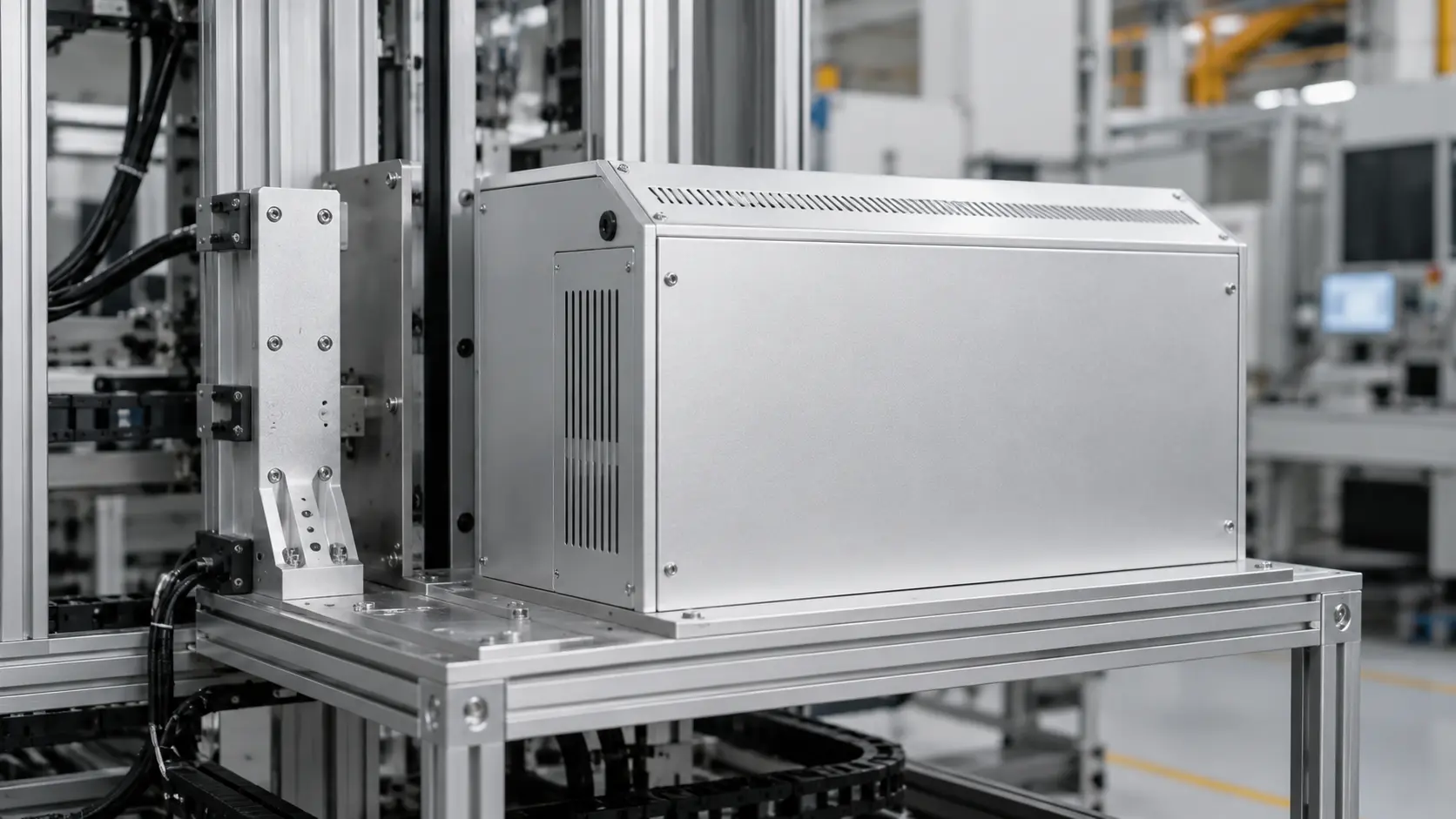
Rechenzentren & IT-Ausrüstung
Anodized aluminum components for data centers, network infrastructure, and IT hardware, delivering a hard, durable surface finish with excellent heat dissipation and a refined metallic appearance.
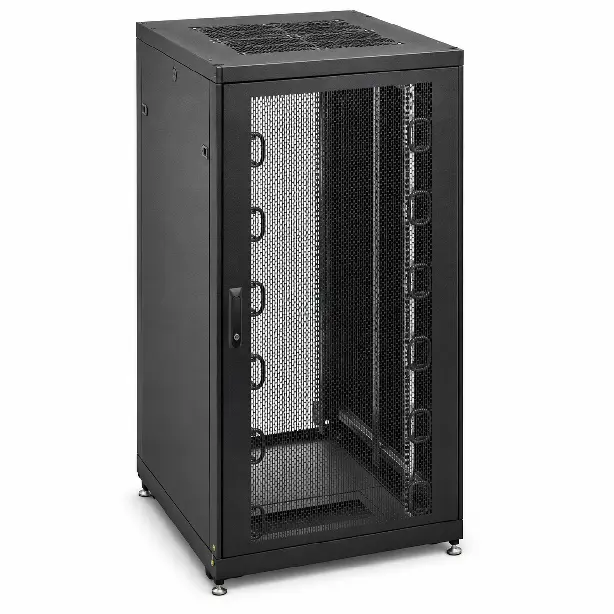
- Server-Rack-Rahmen & -Schienen
- Kabelmanagementwannen
- Schaltschrankpanele & -türen
- Montagehalterungen & -platten
Unterhaltungselektronik
Anodizing for consumer electronics housings, internal brackets, display structures, and precision aluminum assemblies, providing a premium metallic finish with outstanding scratch resistance and a wide range of color options through dyeing.
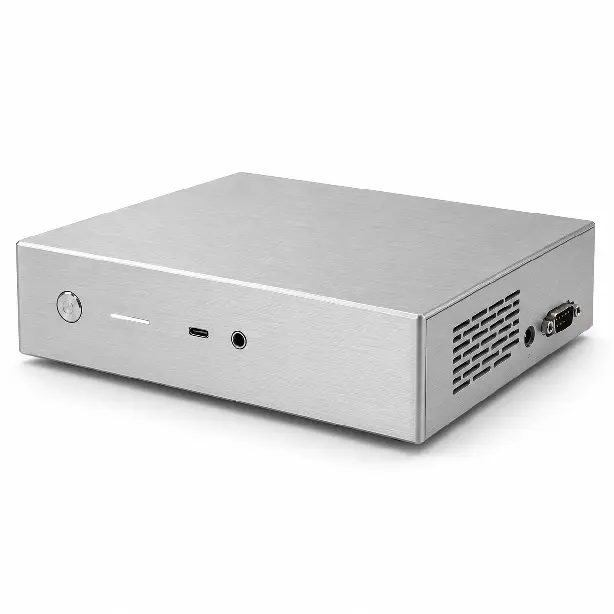
- Gerätegehäuse & -abdeckungen
- Interne Stützhalterungen
- Display-Montagestrukturen
- Metallteile für Lautsprecher & Audio
- Kleine präzisionsgeformte Teile
Elektrische Ausrüstung
Anodized aluminum components for electrical enclosures, control cabinets, power distribution units, and industrial electrical systems, offering natural electrical insulation and strong corrosion resistance without adding measurable thickness.
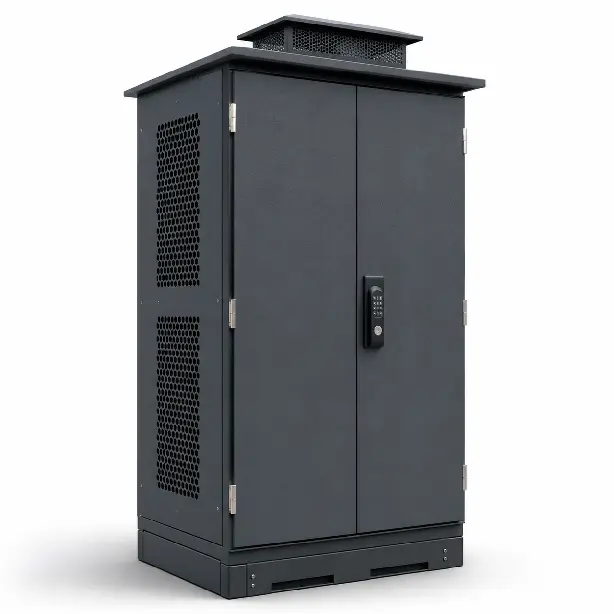
- Elektroschrankgehäuse
- Steuerboxpaneele
- Klemmenmontageplatten
- DIN-Schienenhalterungen
- Lüftungs- und Zugangsplatten
Industrielle Ausrüstung
Hard anodized finishes for machinery, automation systems, production equipment, and structural aluminum assemblies, engineered for superior wear resistance and long-term protection in demanding operating environments.
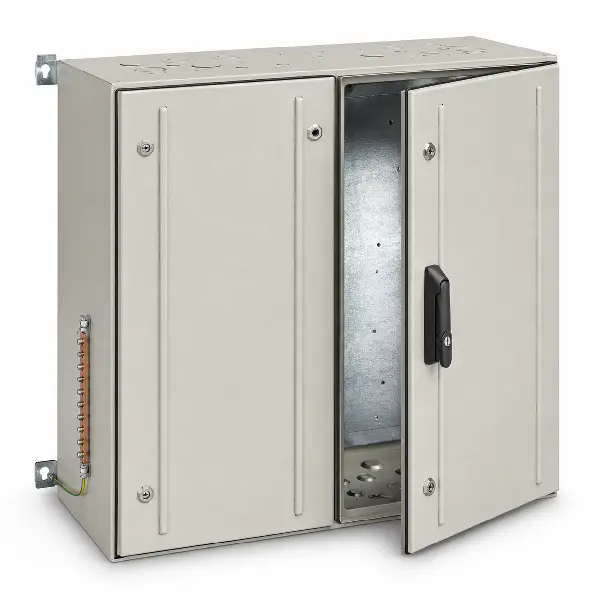
- Maschinenabdeckungen & -schutzbleche
- Ausrüstungsrahmen
- Förderbandhalterungen
- Sensormontageplatten
- Schutzpaneele & -abschirmungen
Neue Energiesysteme
Anodizing solutions for EV charging equipment, battery systems, energy storage cabinets, and power conversion units, delivering a durable, UV-stable surface finish with excellent thermal conductivity and corrosion protection.
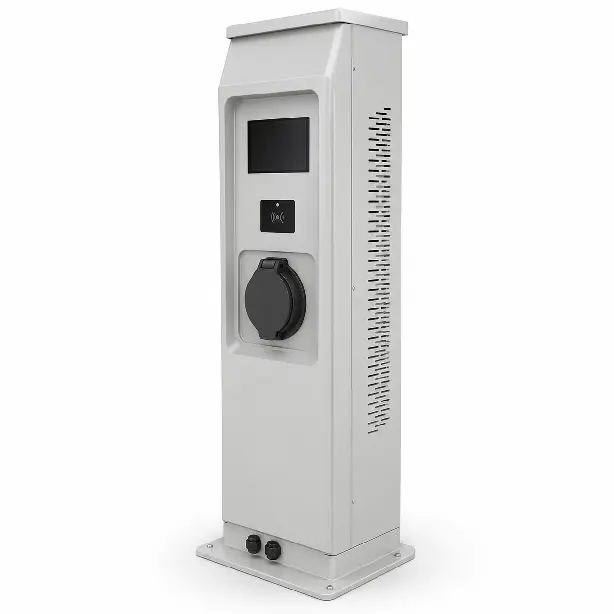
- Batteriegehäuseteile
- Ladestationsschränke
- Energiespeicherschrankpaneele
- Stromschienen-Stützhalterungen
- Leistungsmodulgehäuse
Außenausrüstung
Weather-resistant anodized finishes for outdoor enclosures, equipment covers, lighting systems, and architectural fixtures, engineered for UV stability, moisture protection, and years of fade-resistant color retention without peeling or chipping.
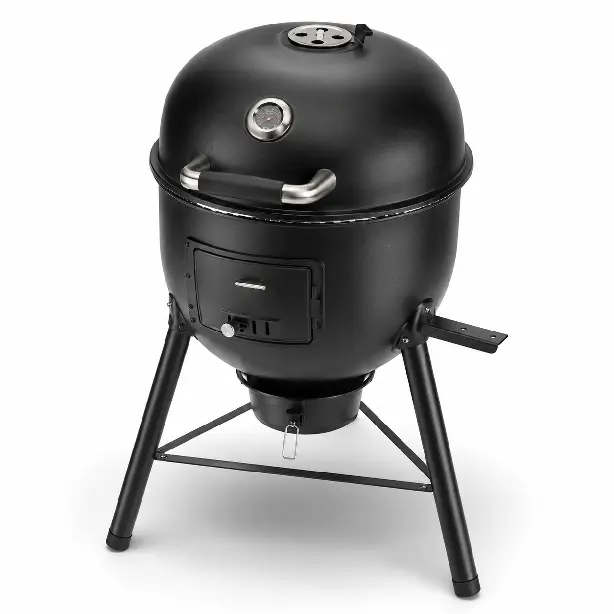
- Außenausrüstungsgehäuse
- Grillblechkörper
- Schutzabdeckungen & Paneele
- Montagehalterungen
- Witterungsbeständige Strukturteile
Für Ihre Anwendung entwickelt
Whether you need a single sample or full production volumes, SR MFG ensures consistent oxide layer thickness, uniform color matching, and reliable delivery for every anodizing project. We offer sulfuric acid anodizing, hard anodizing, and color anodizing in a broad selection of finishes to meet your technical and aesthetic specifications.
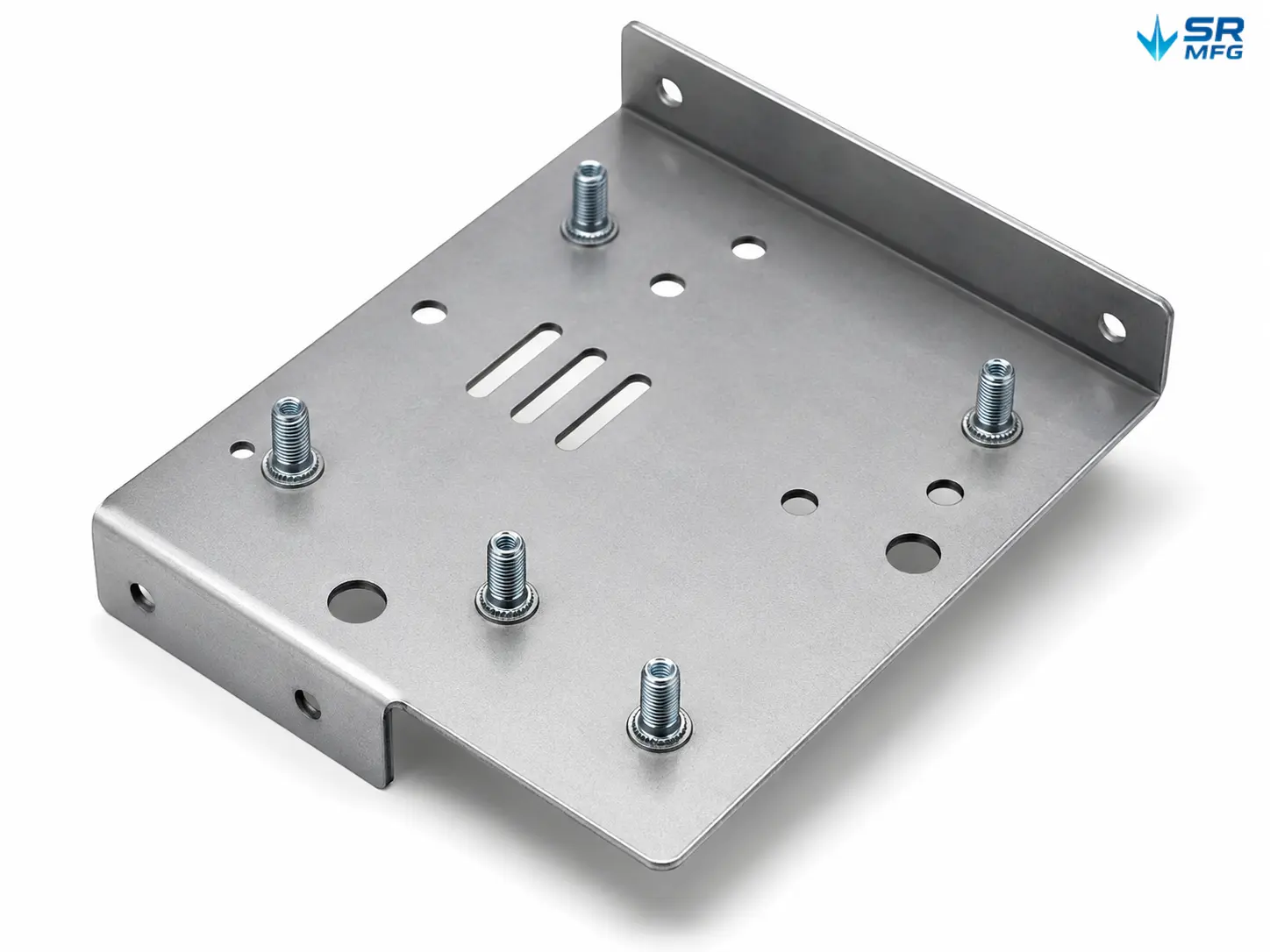
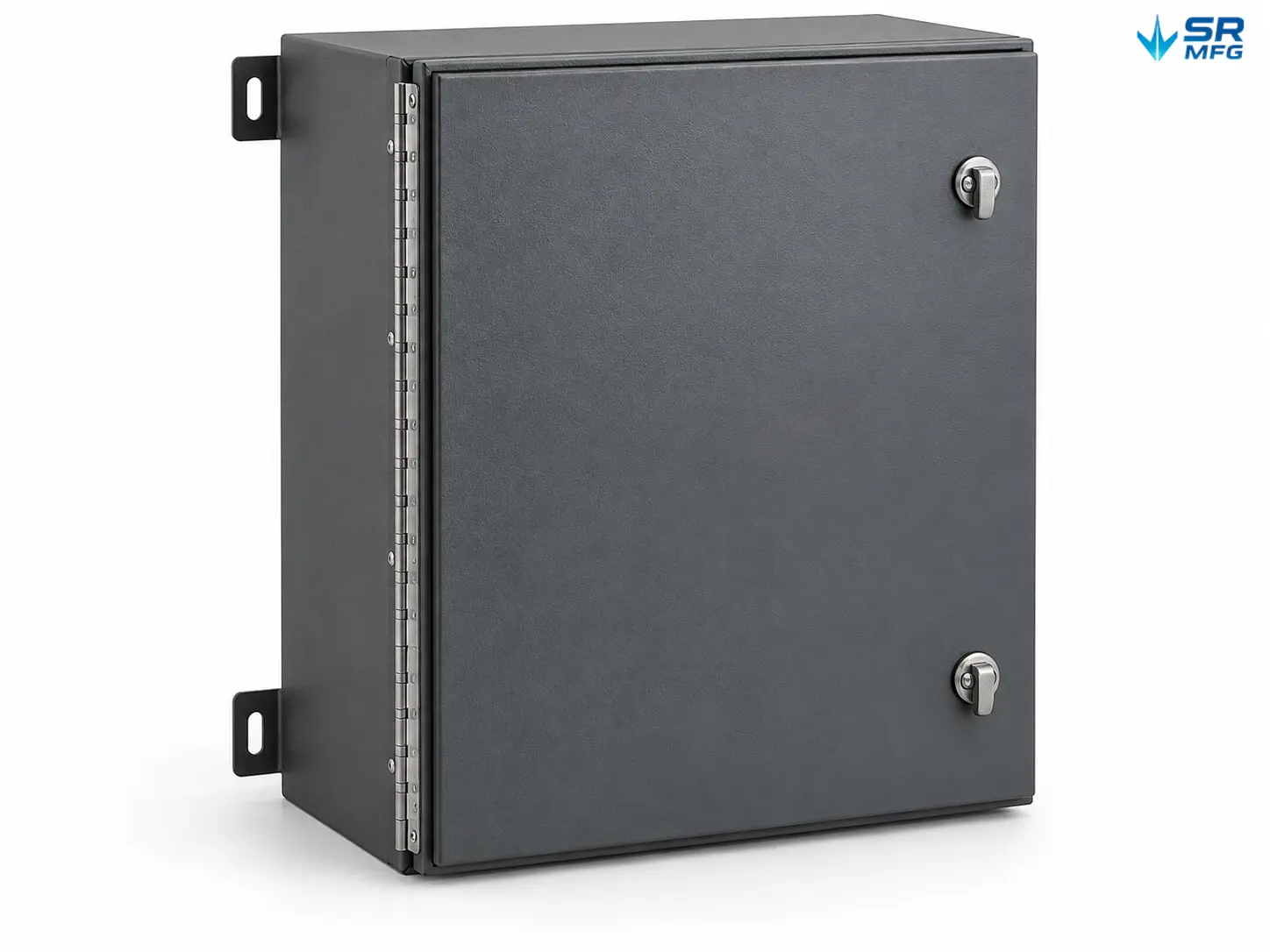
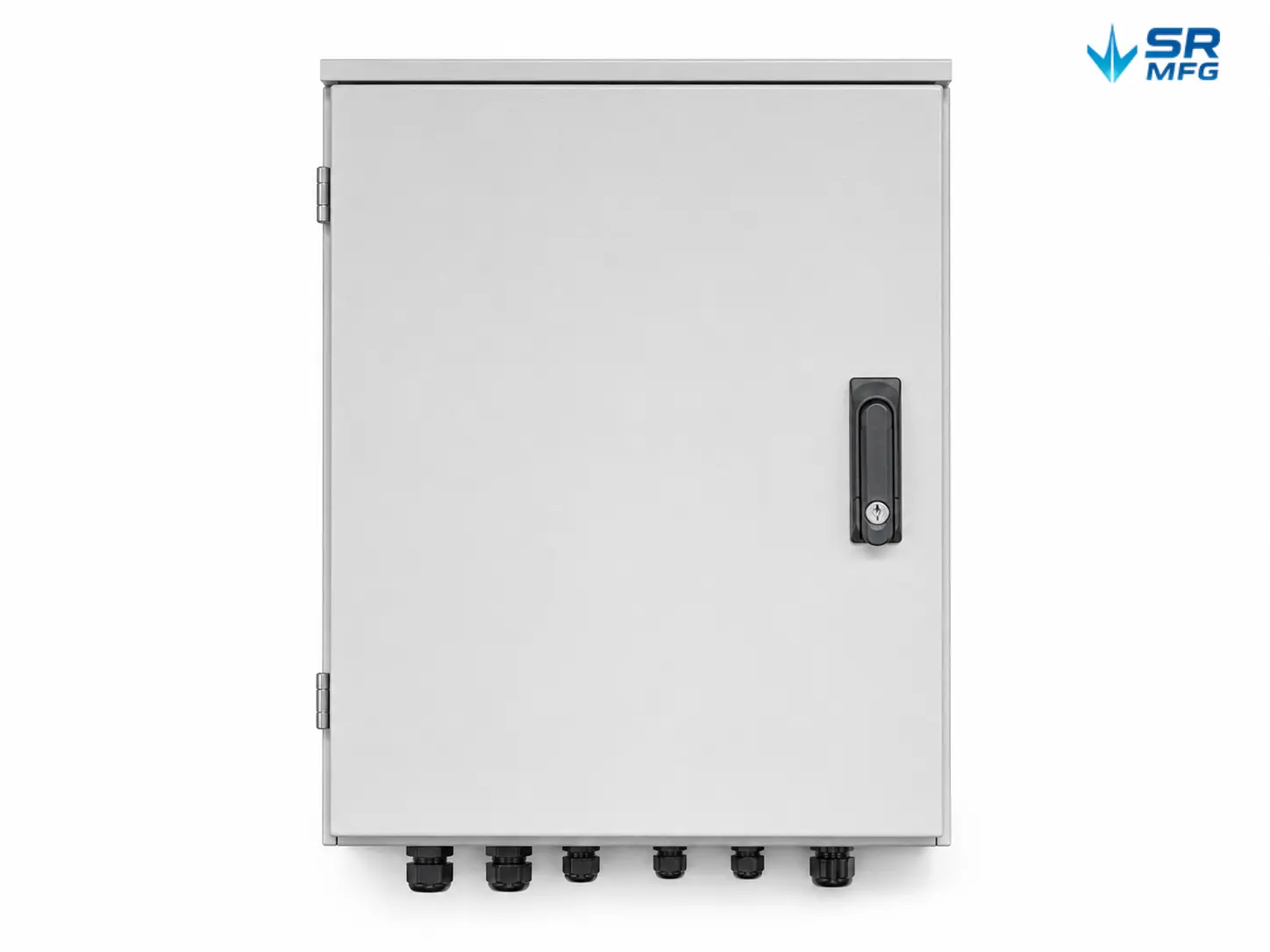
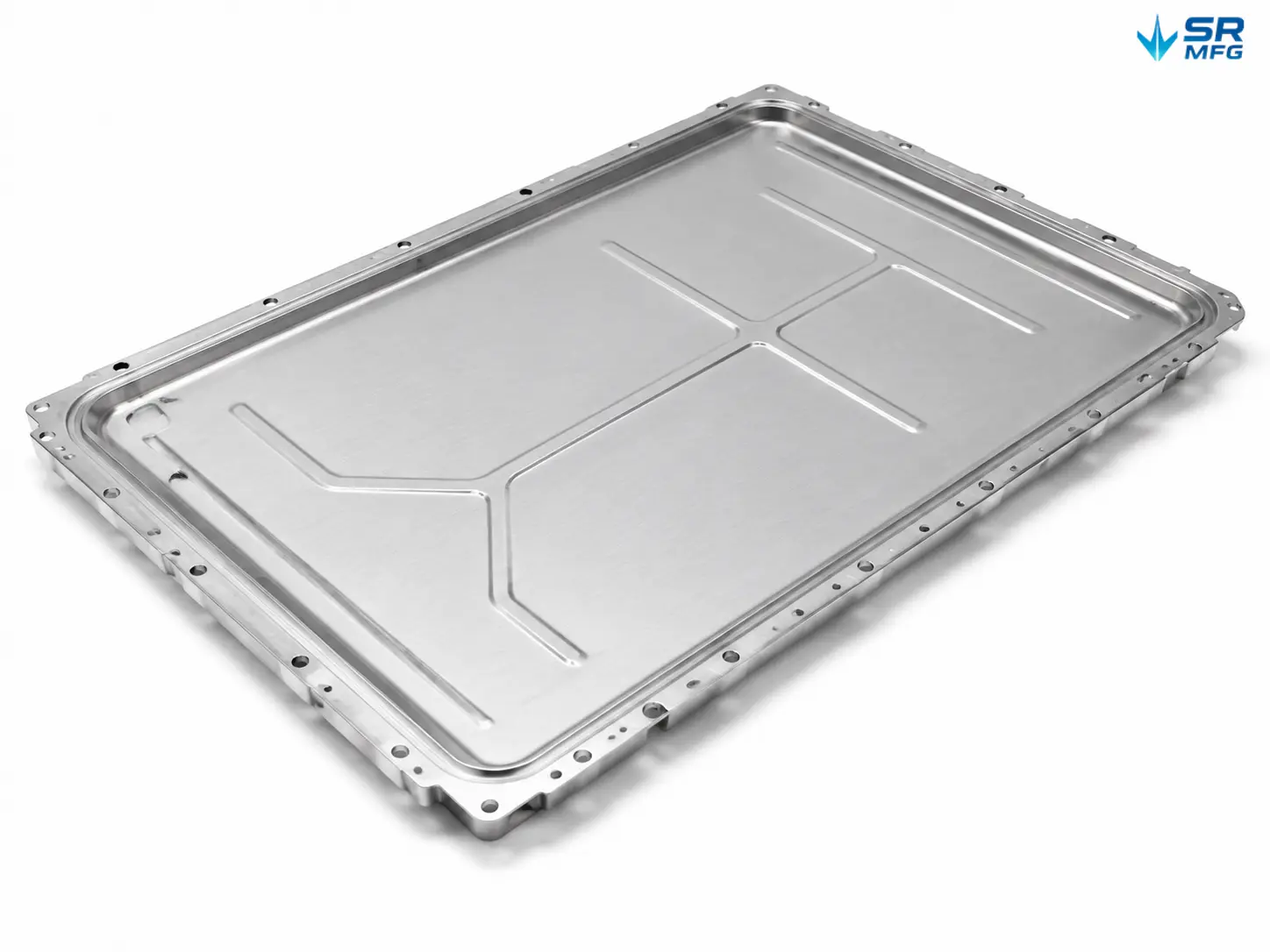
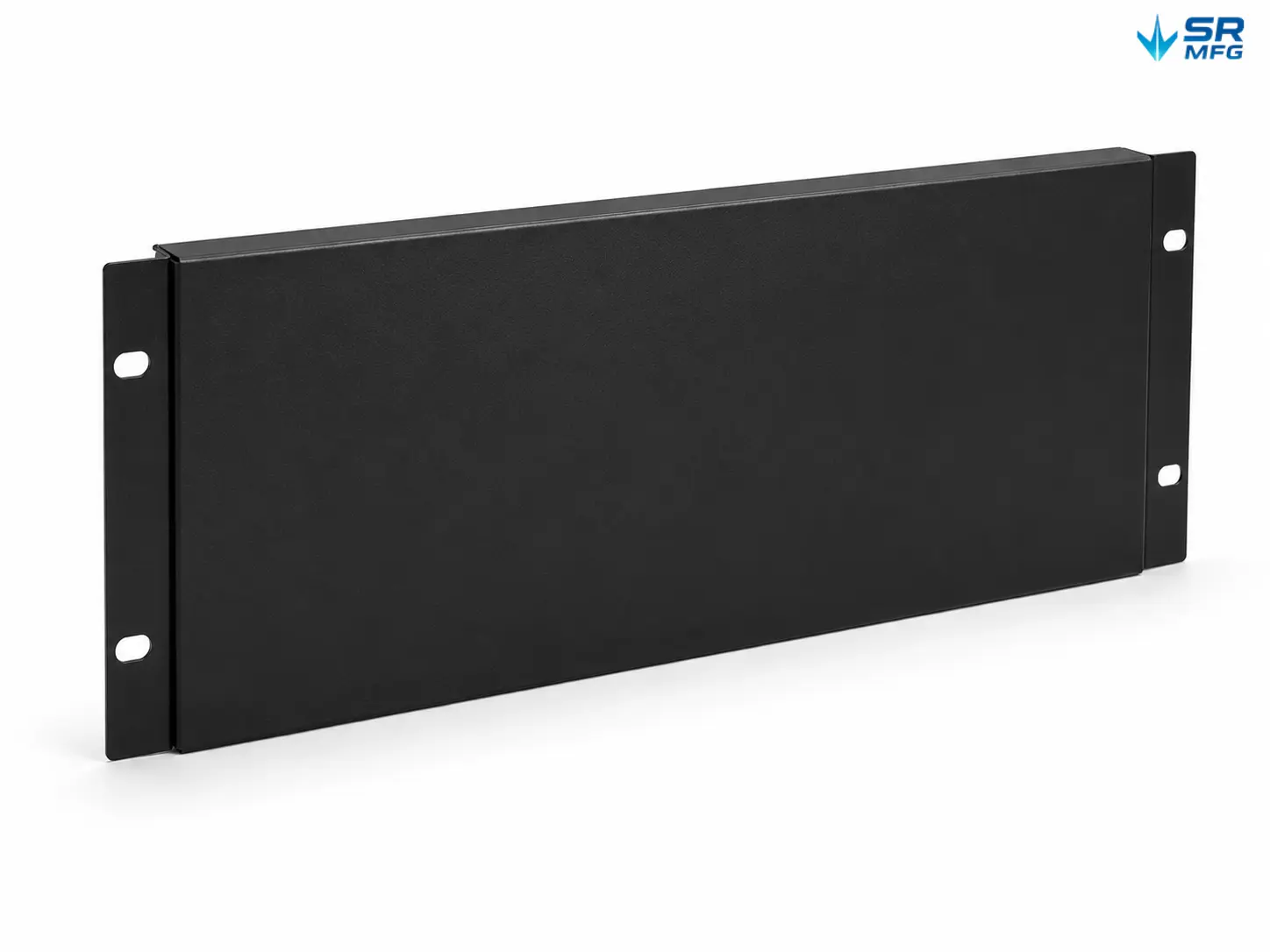
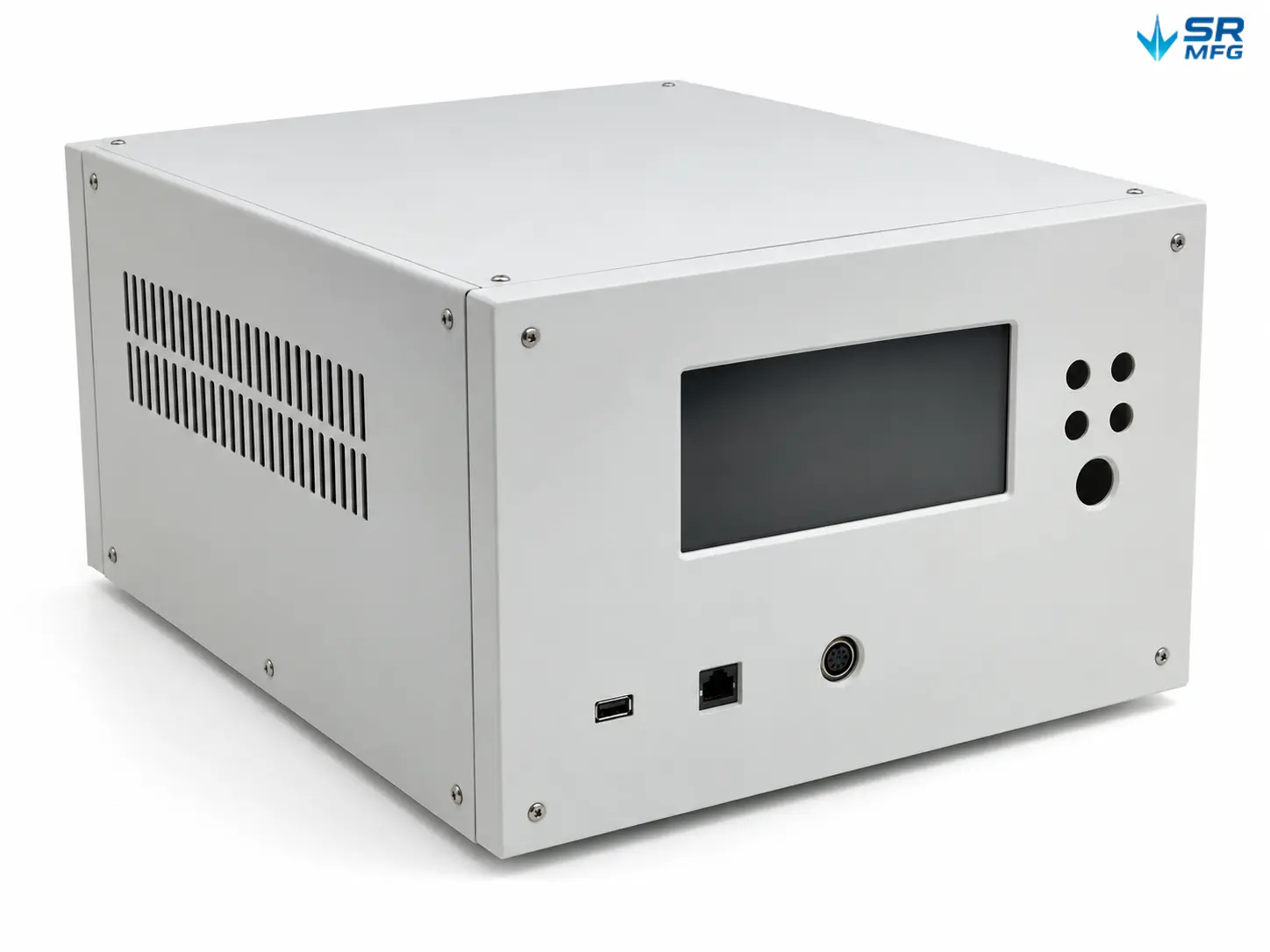
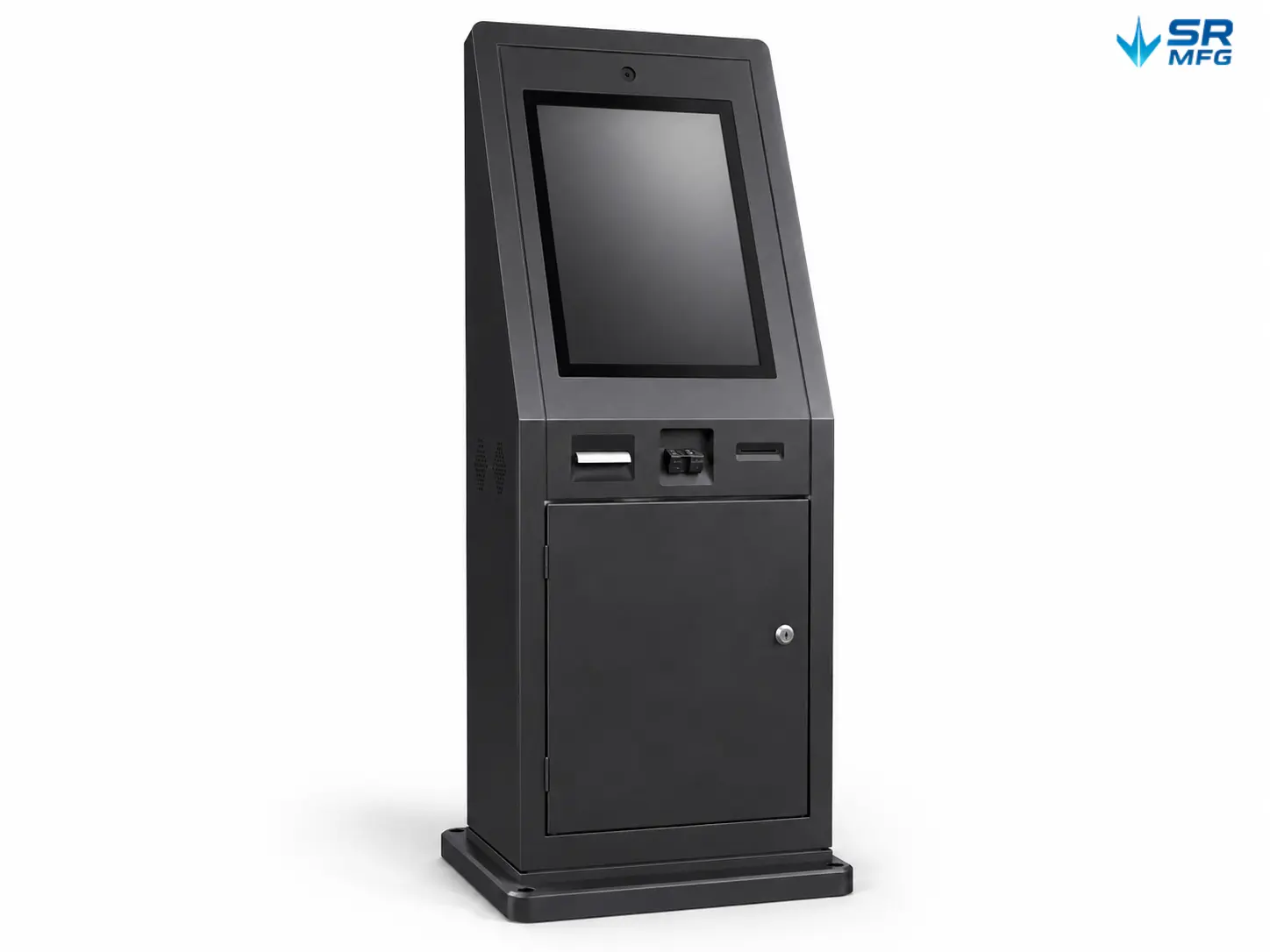
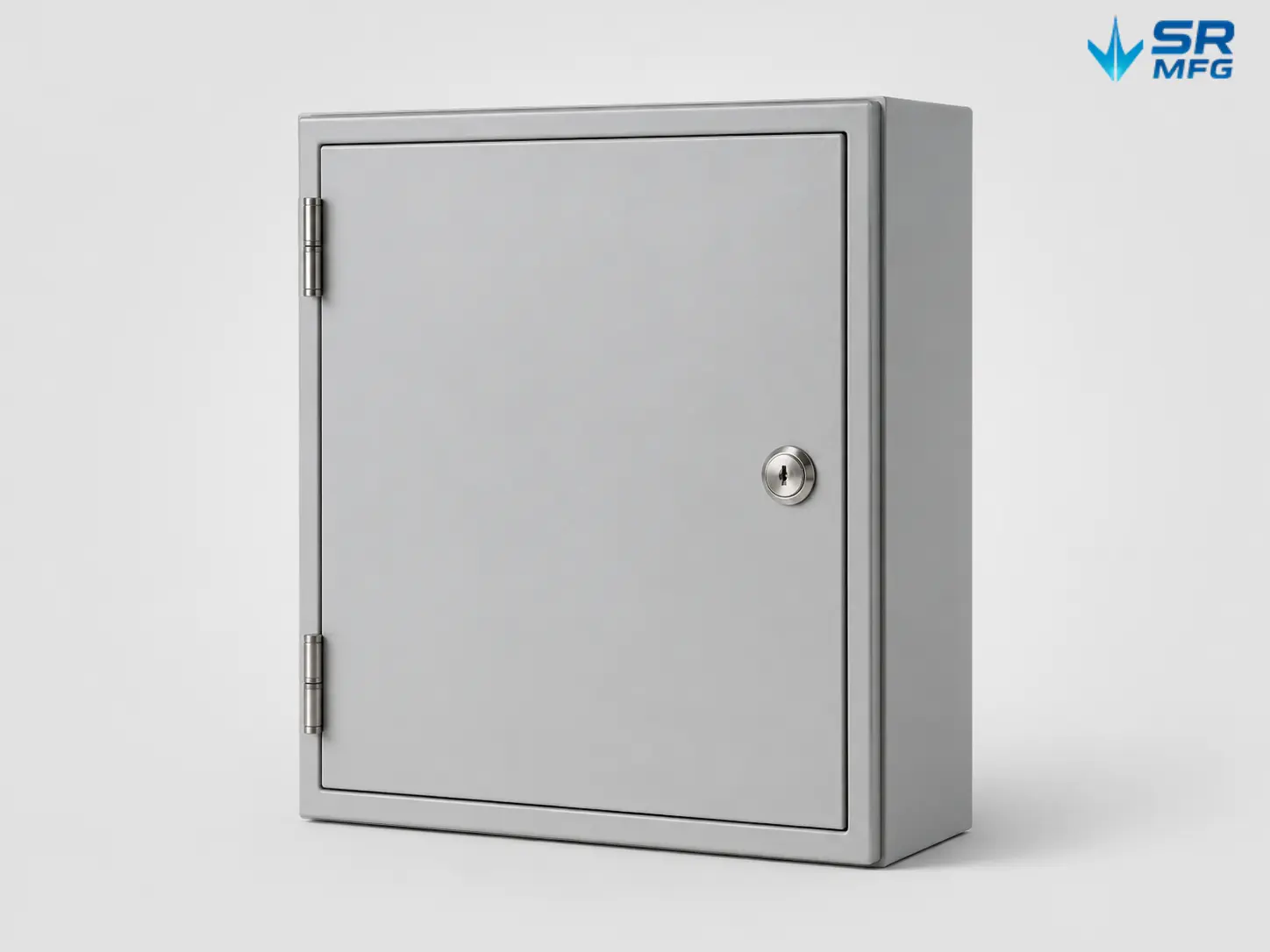
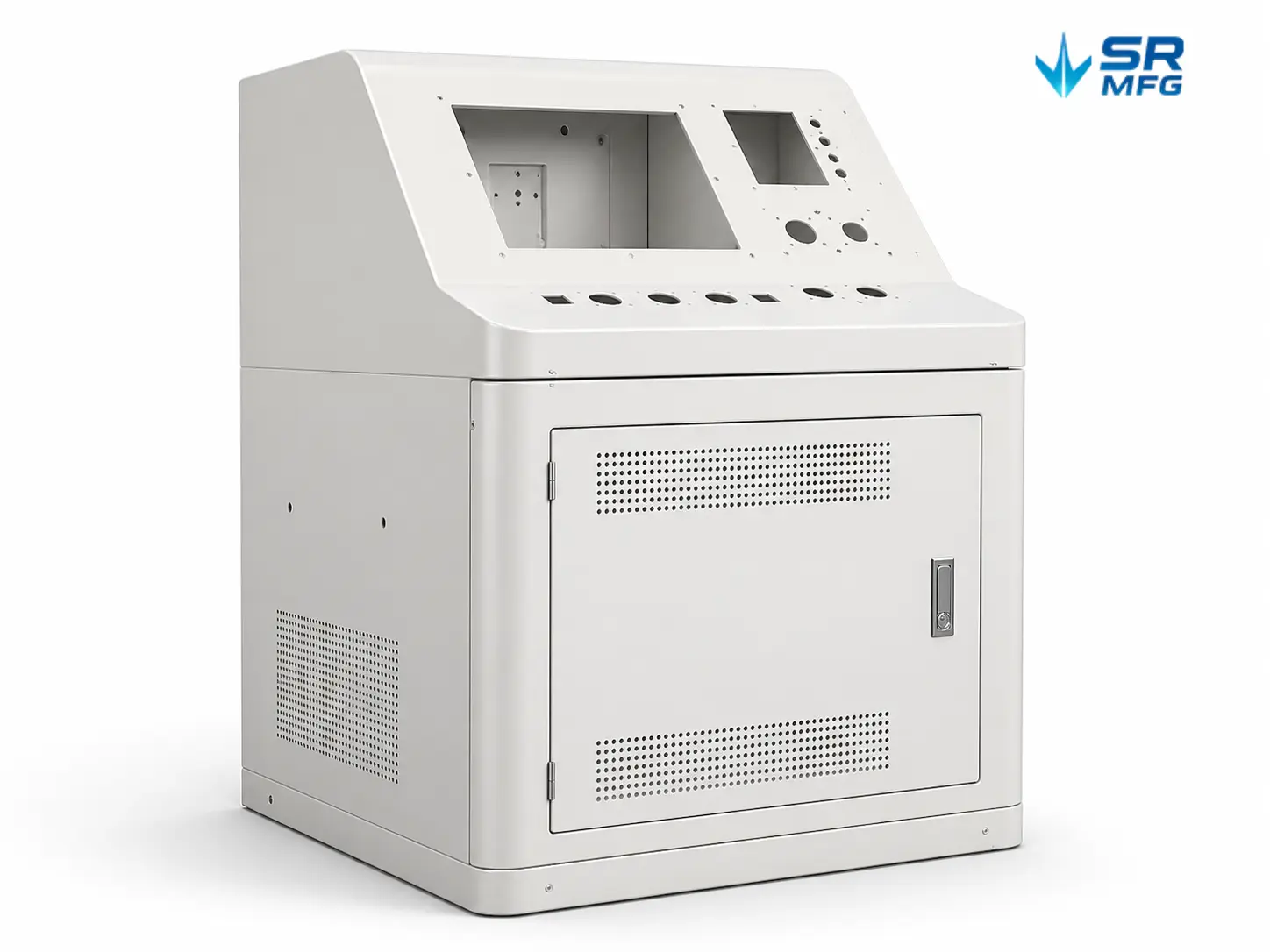
SR MFG Anodizing Product Showcase
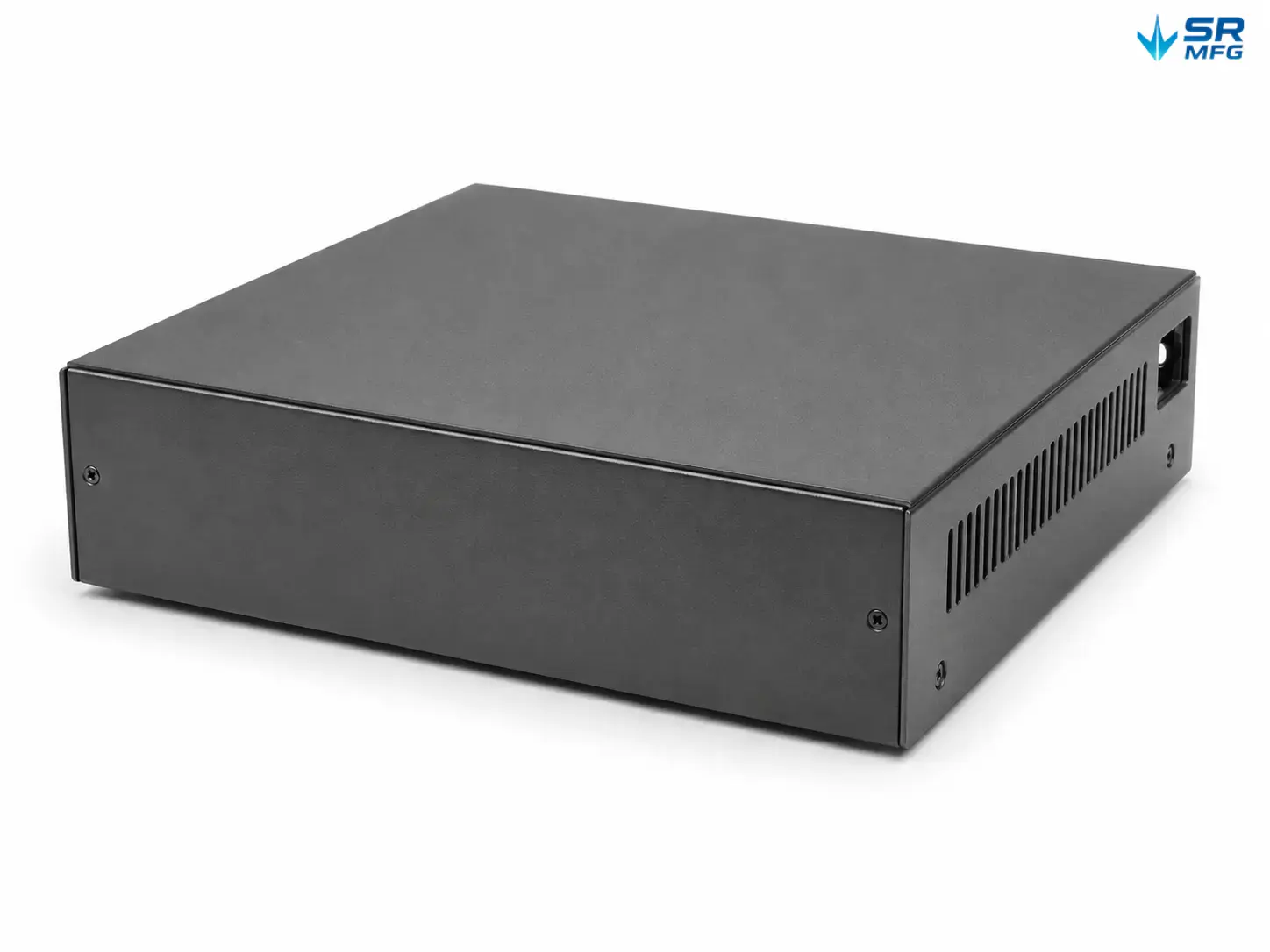
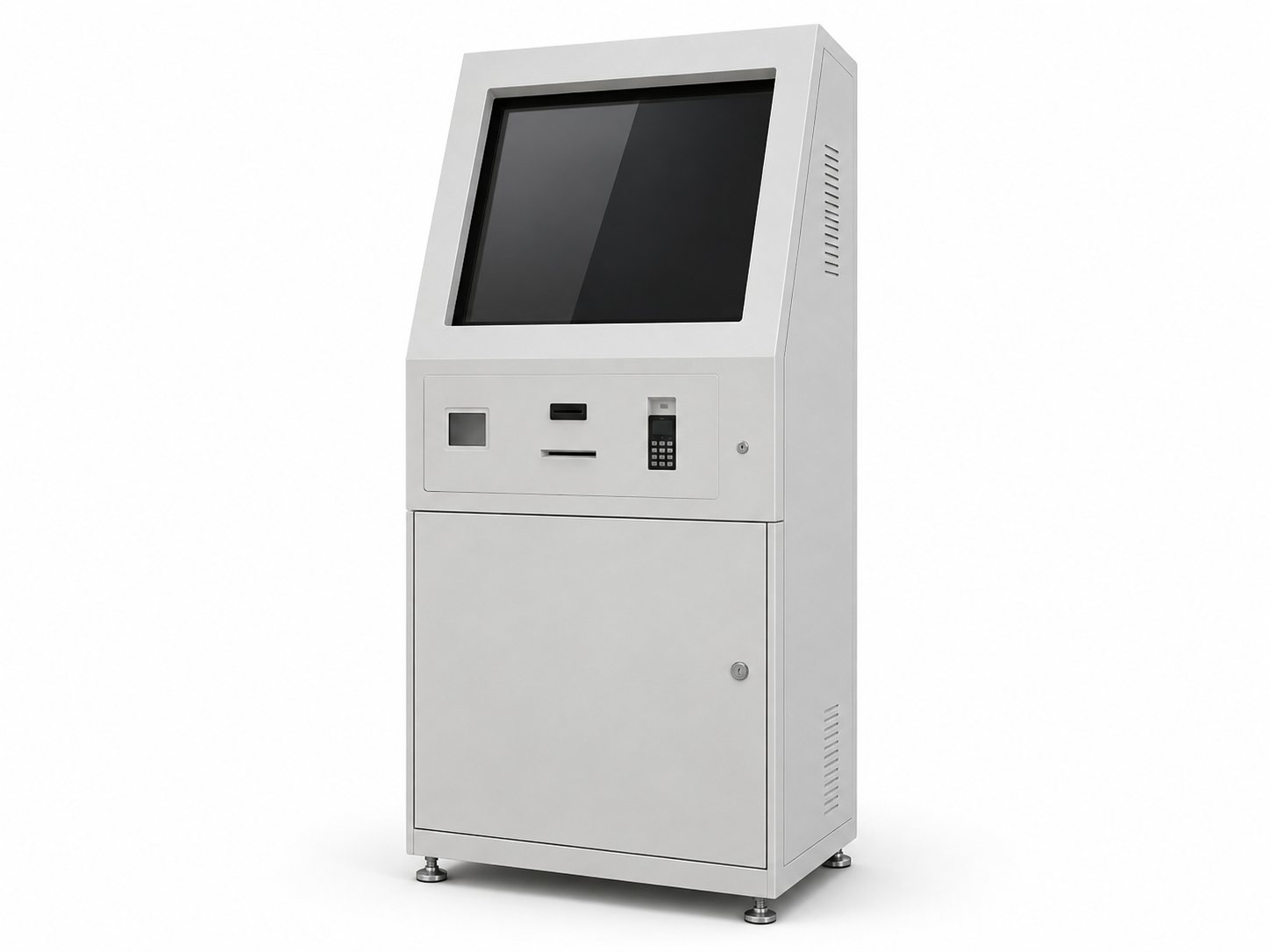
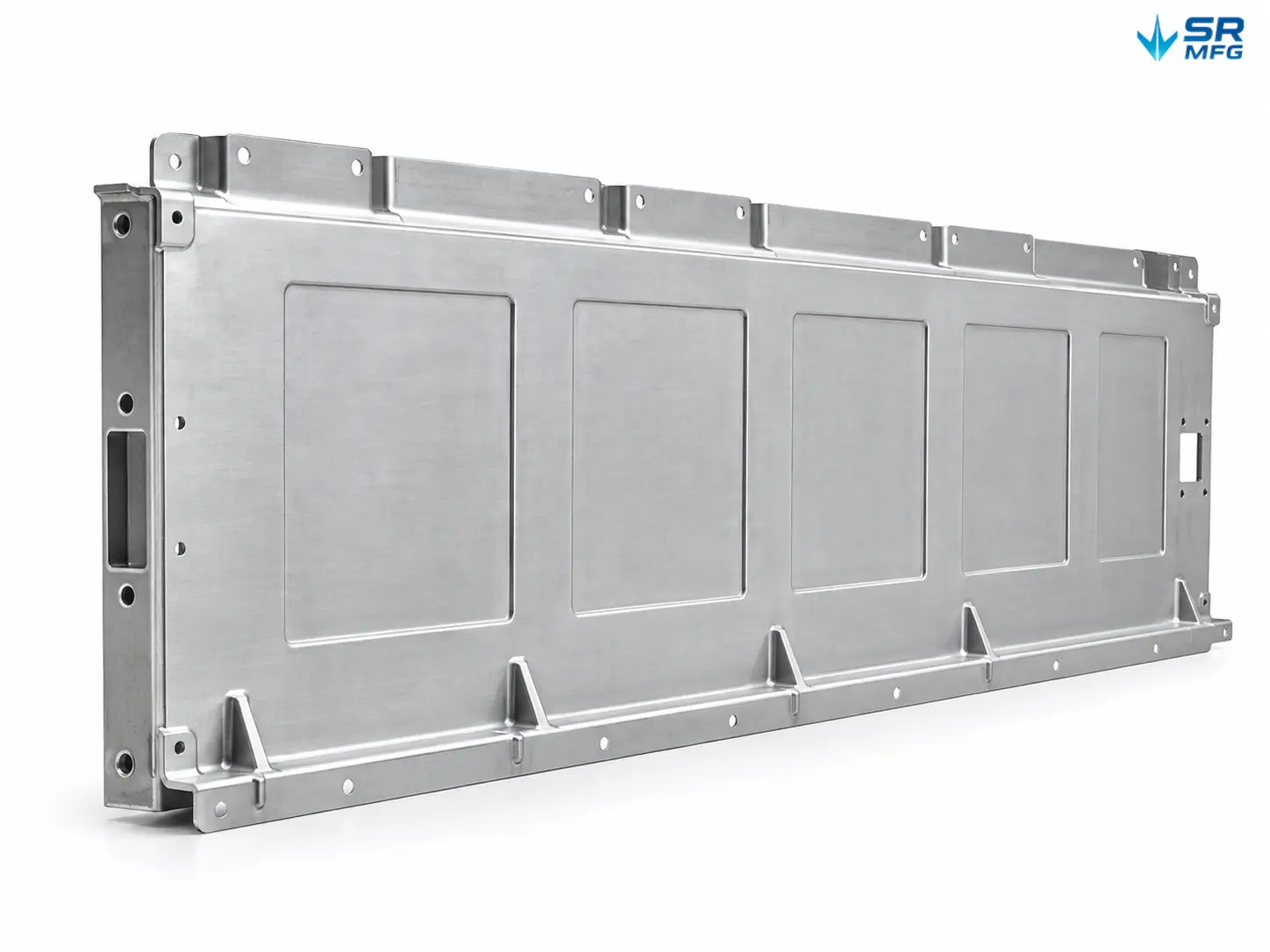
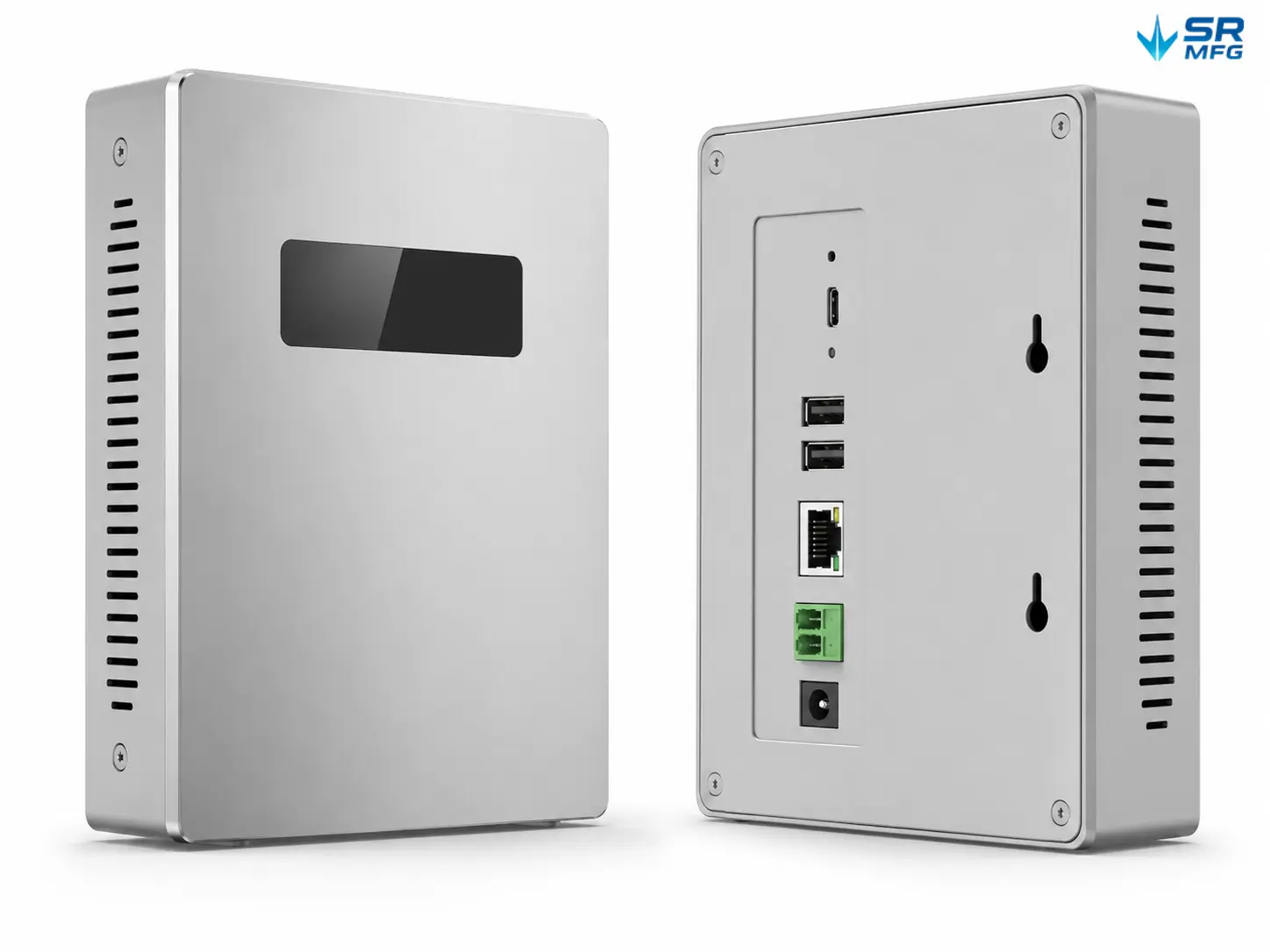
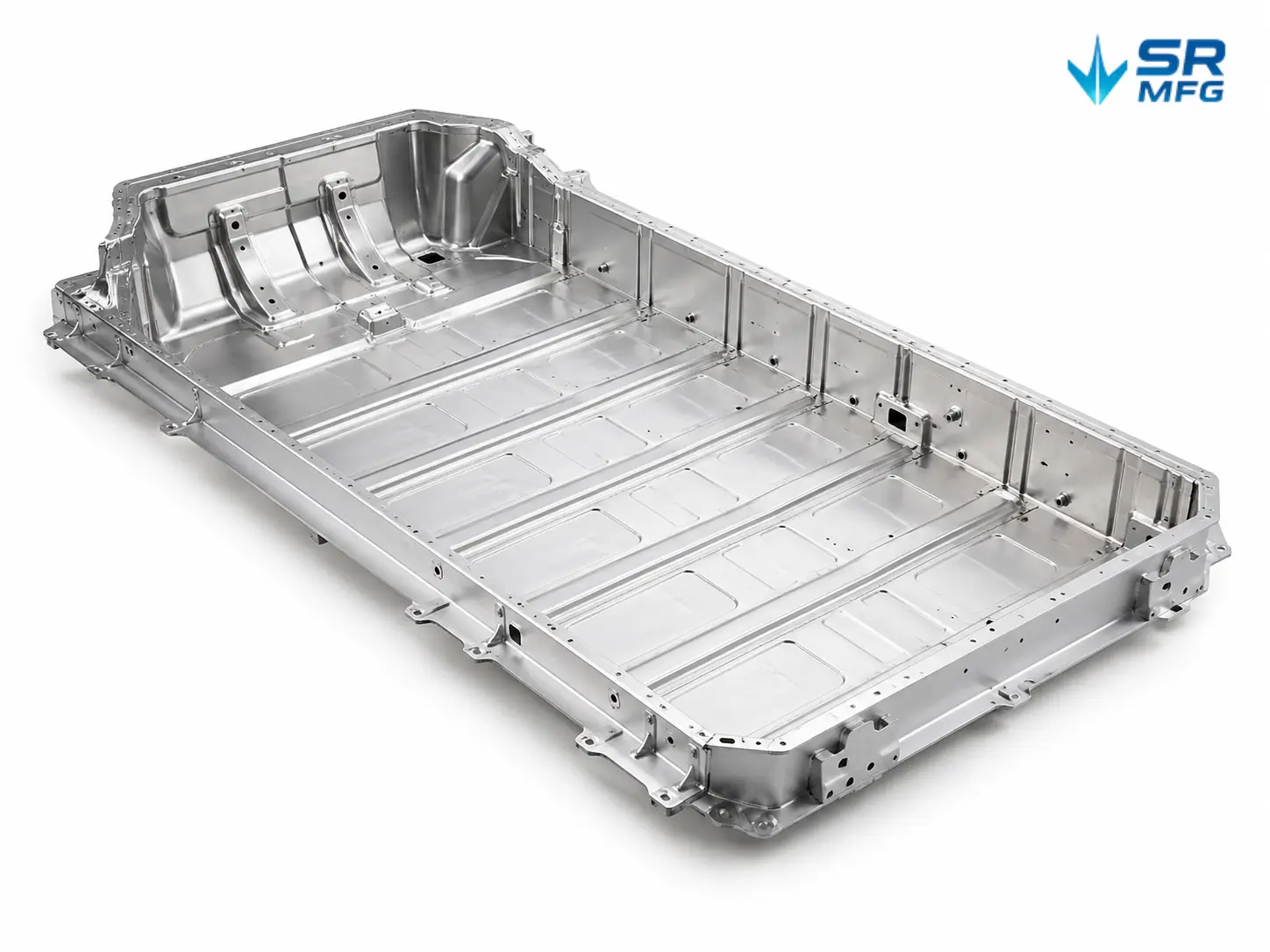
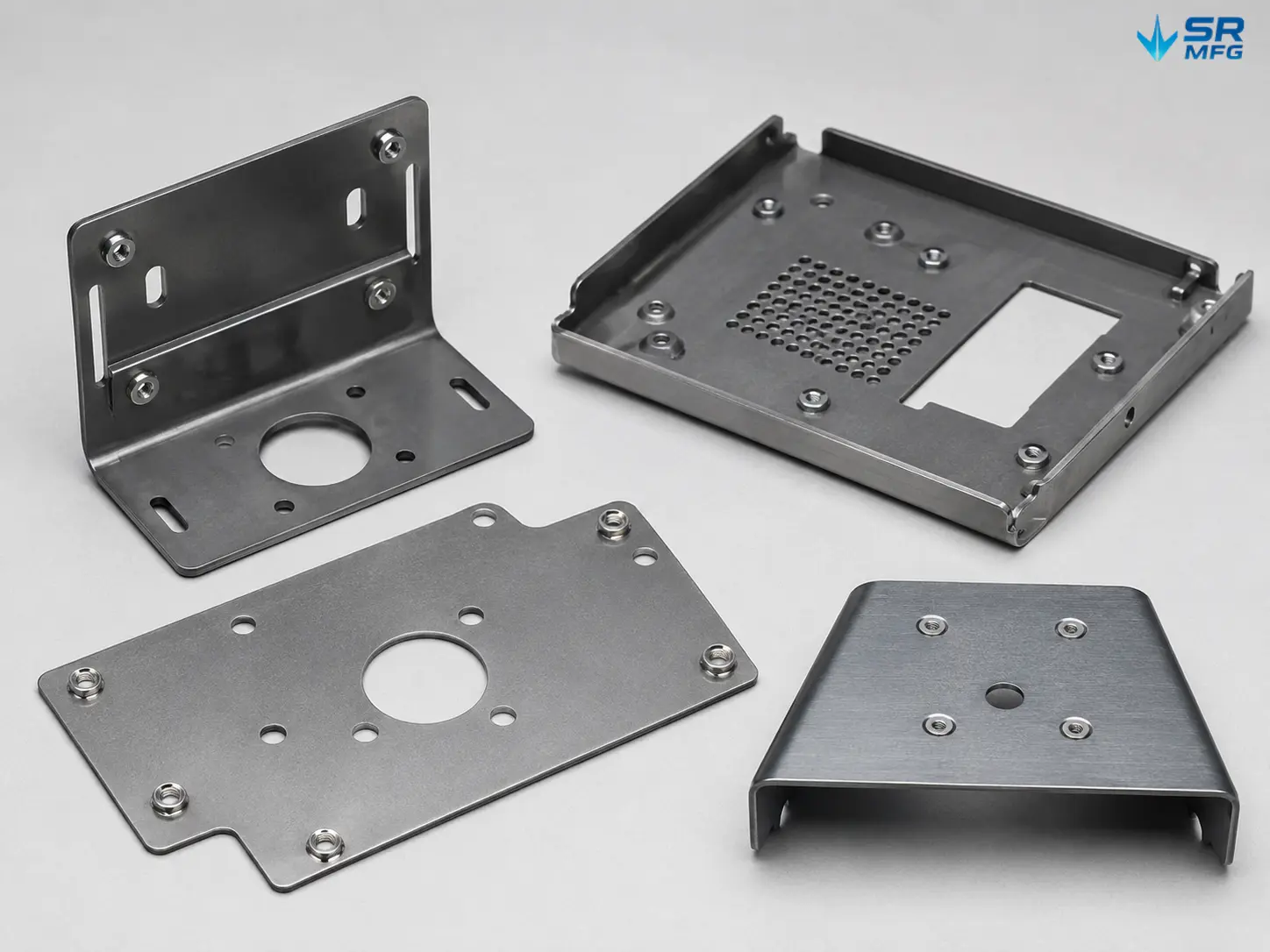
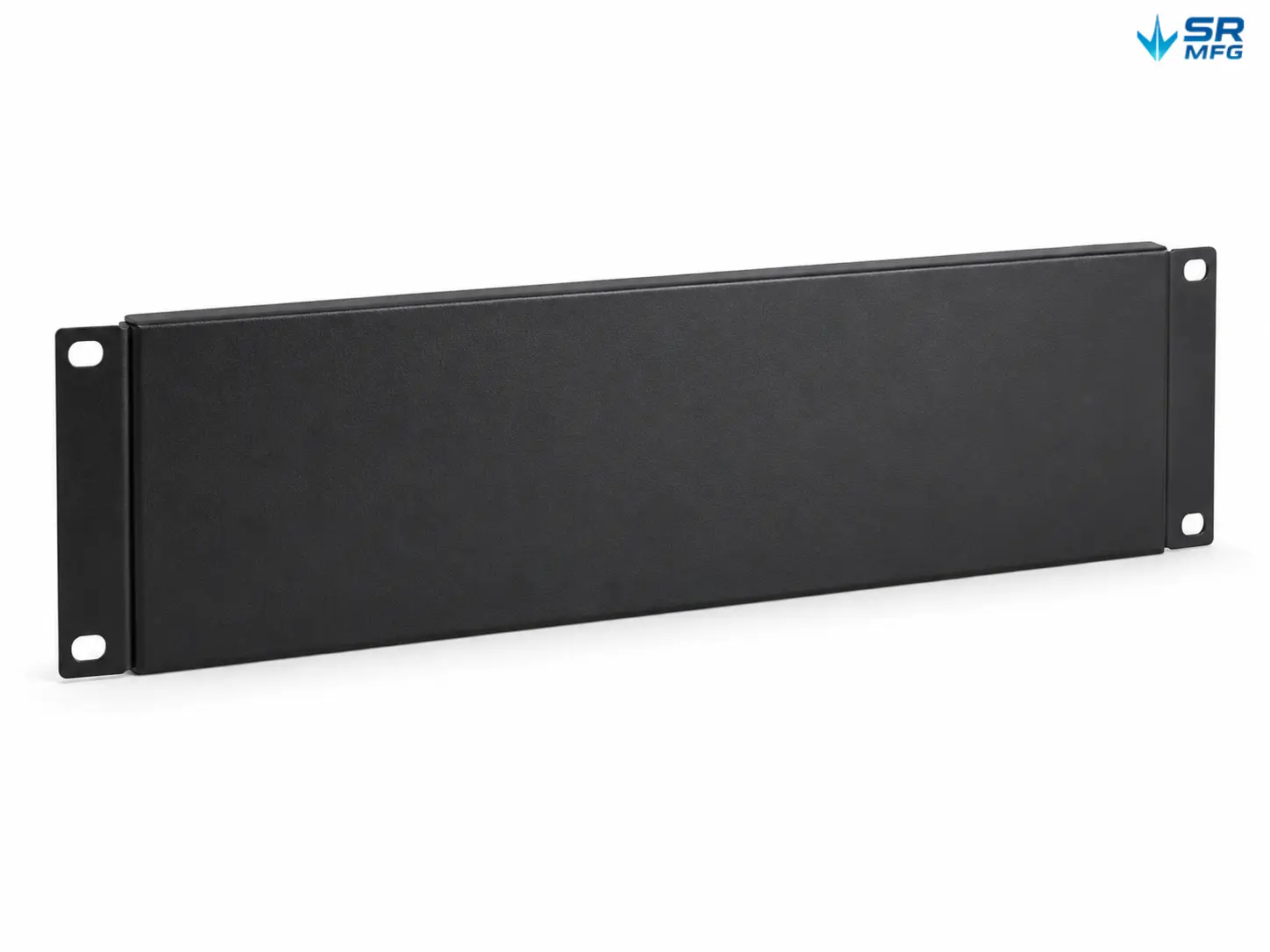
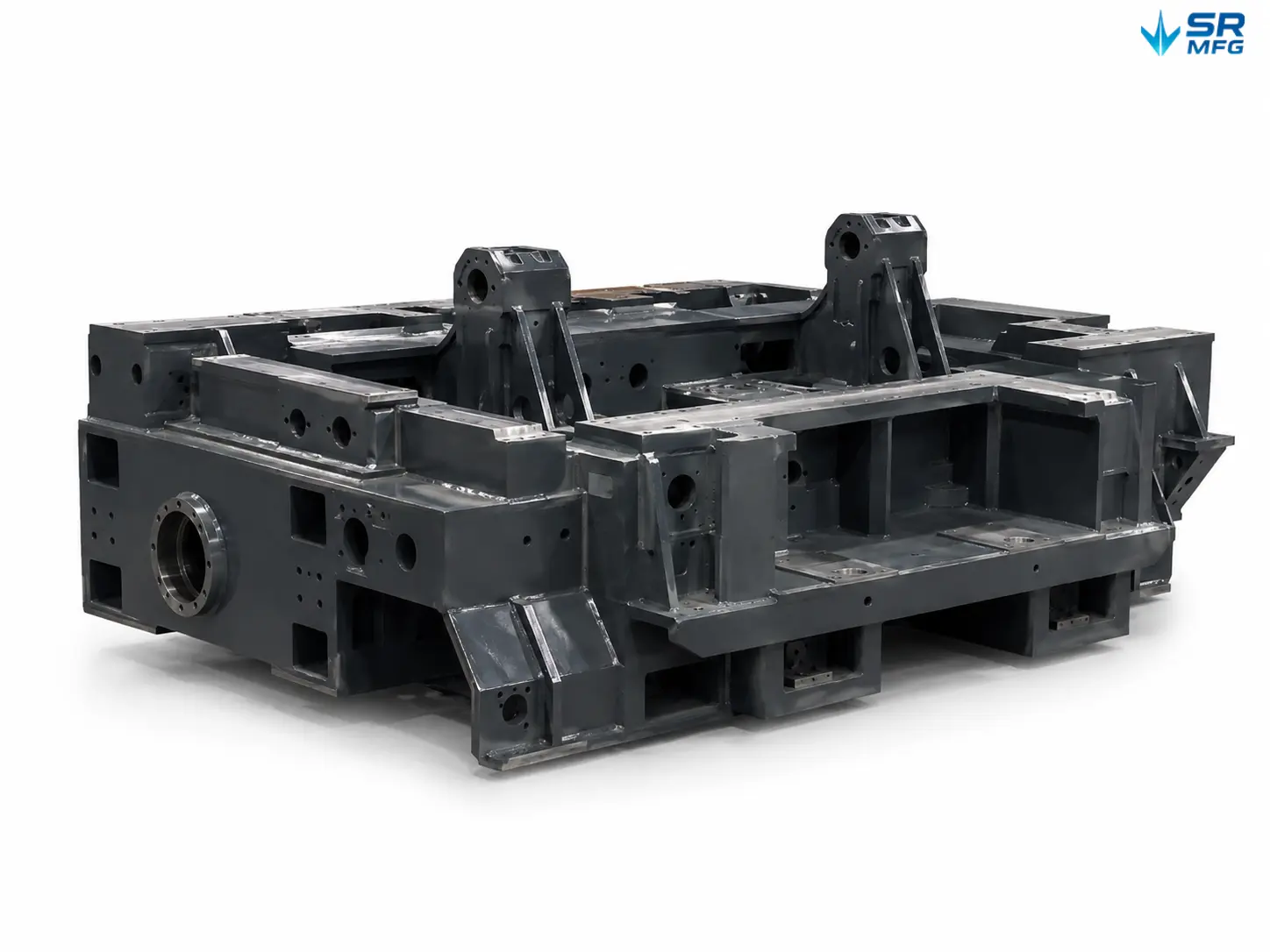
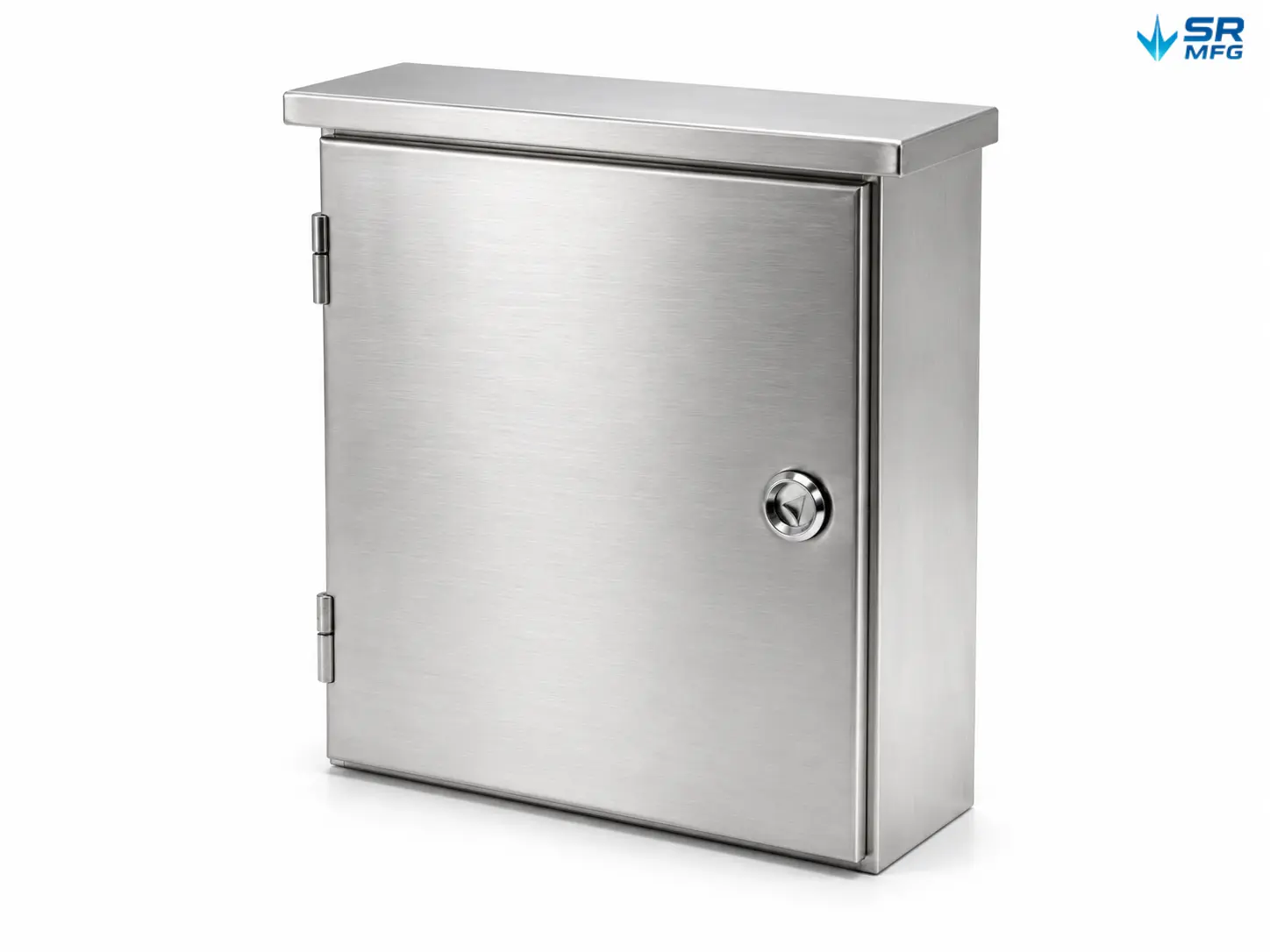
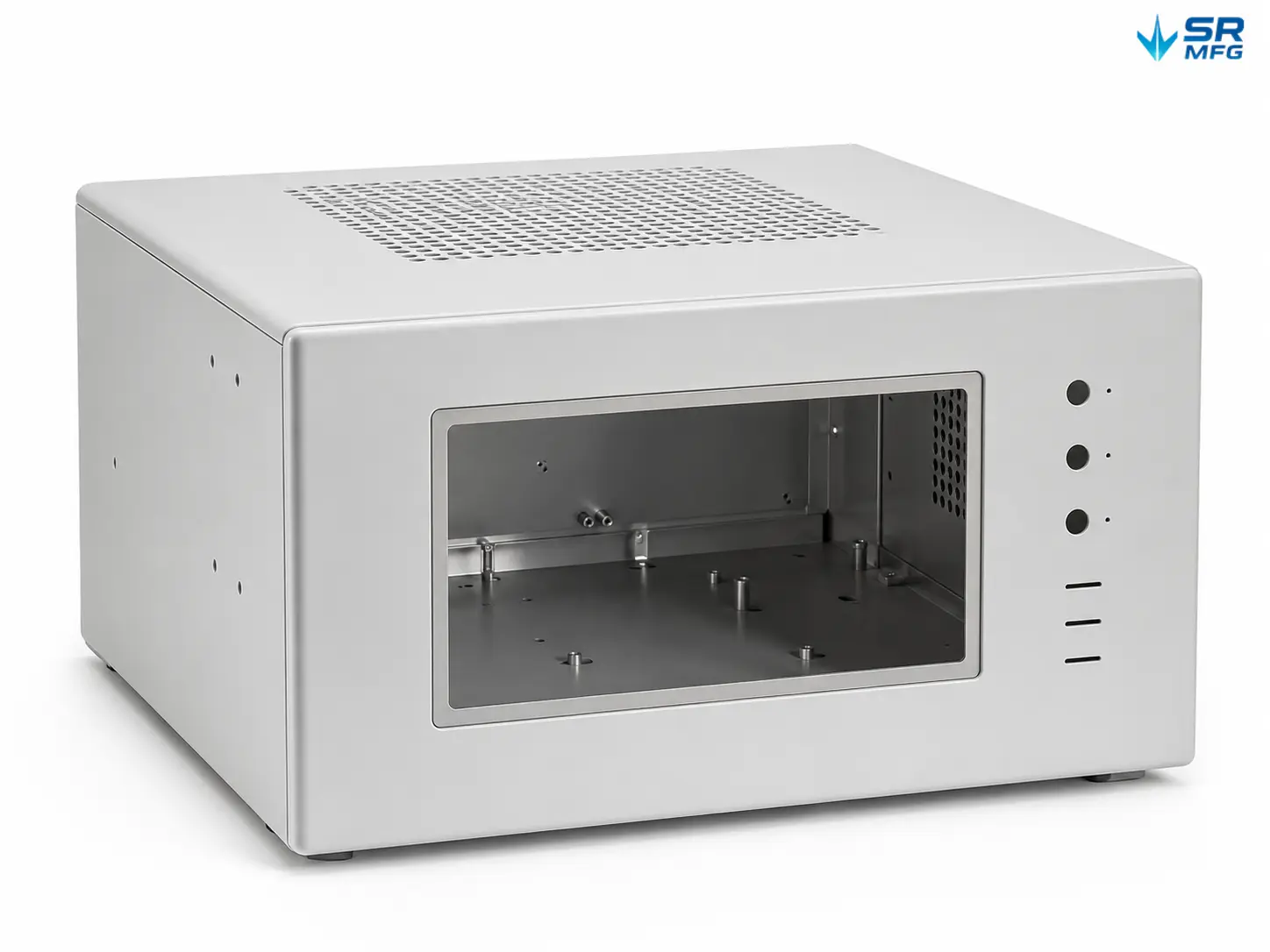
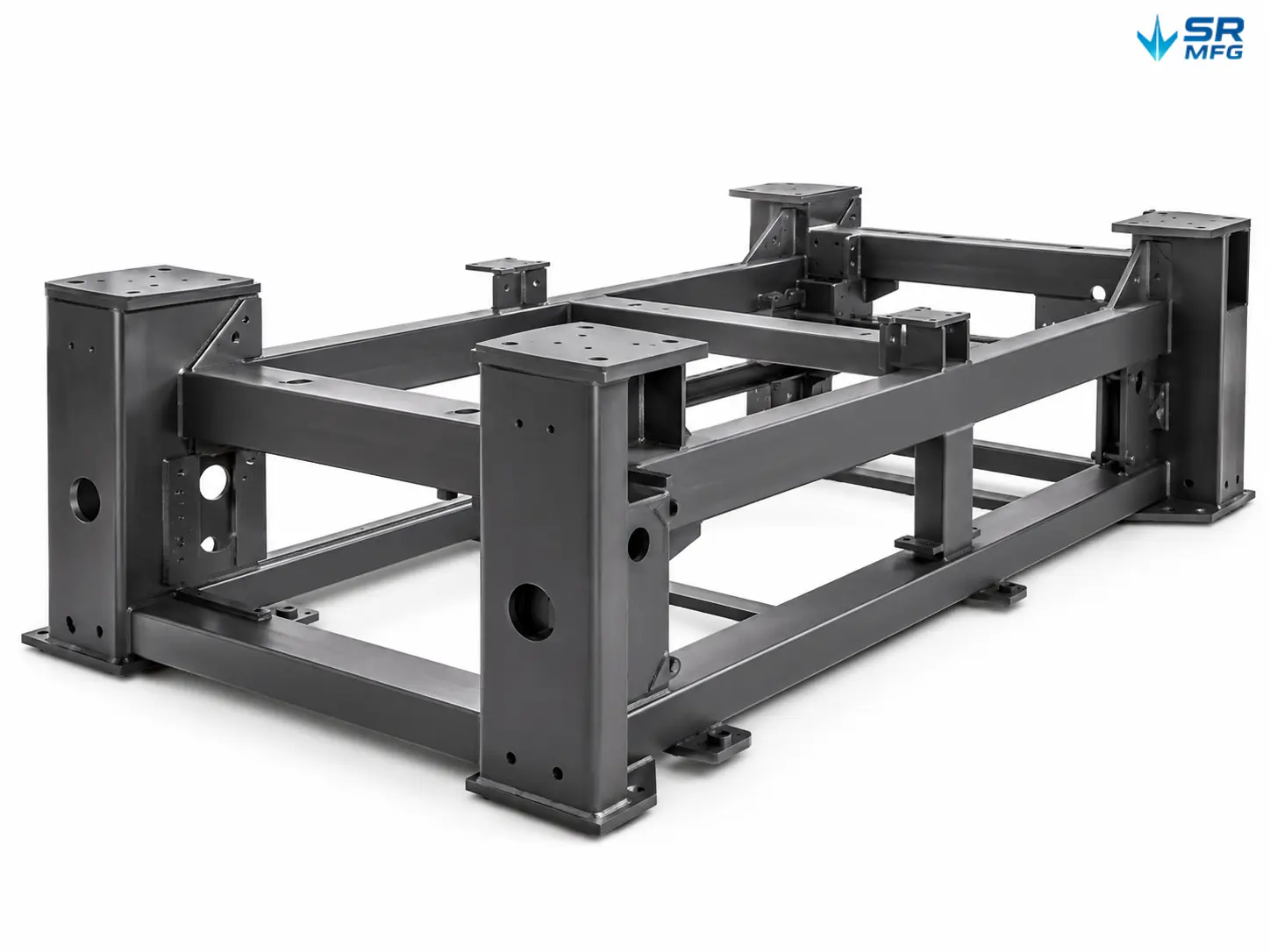
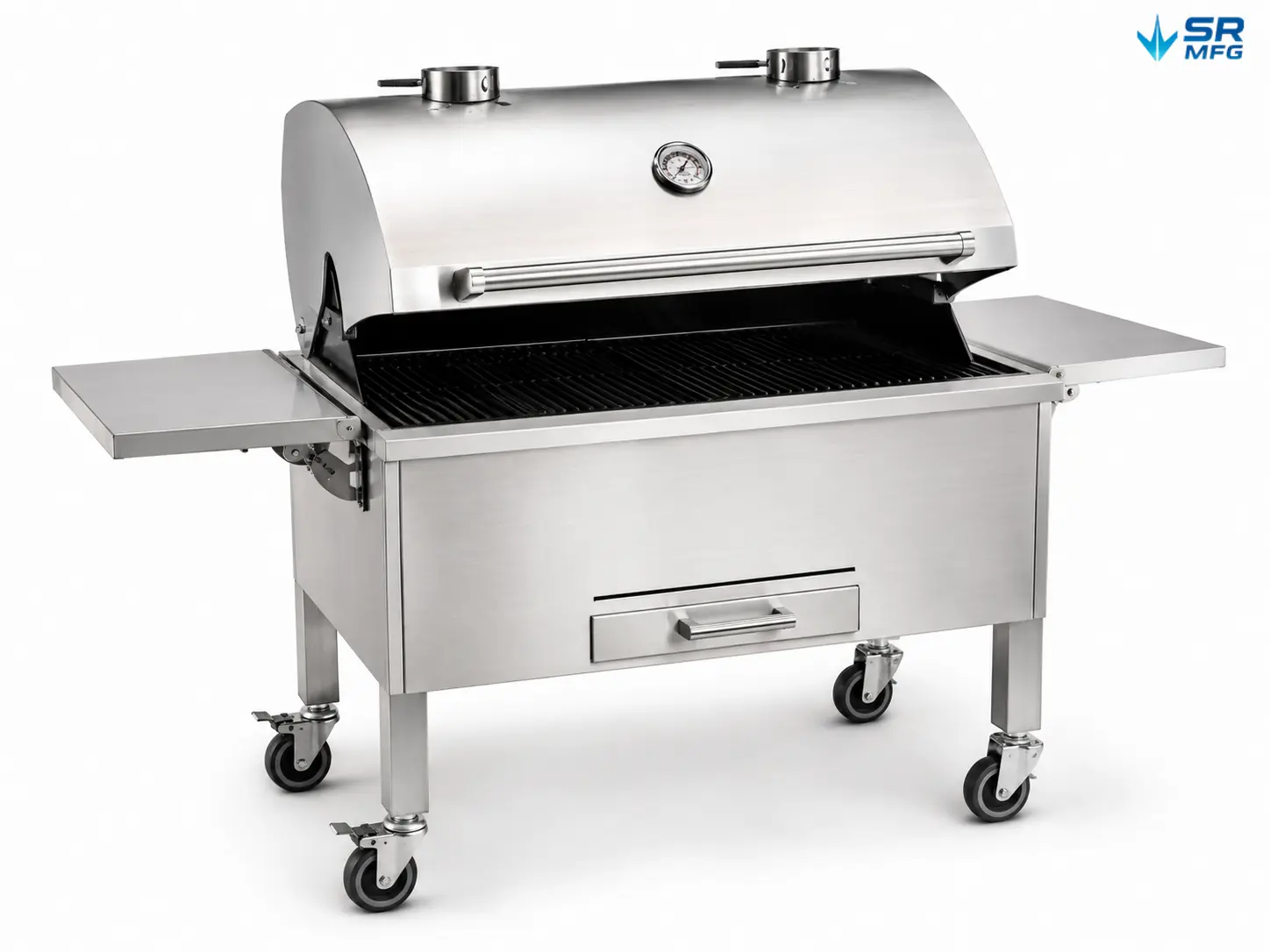
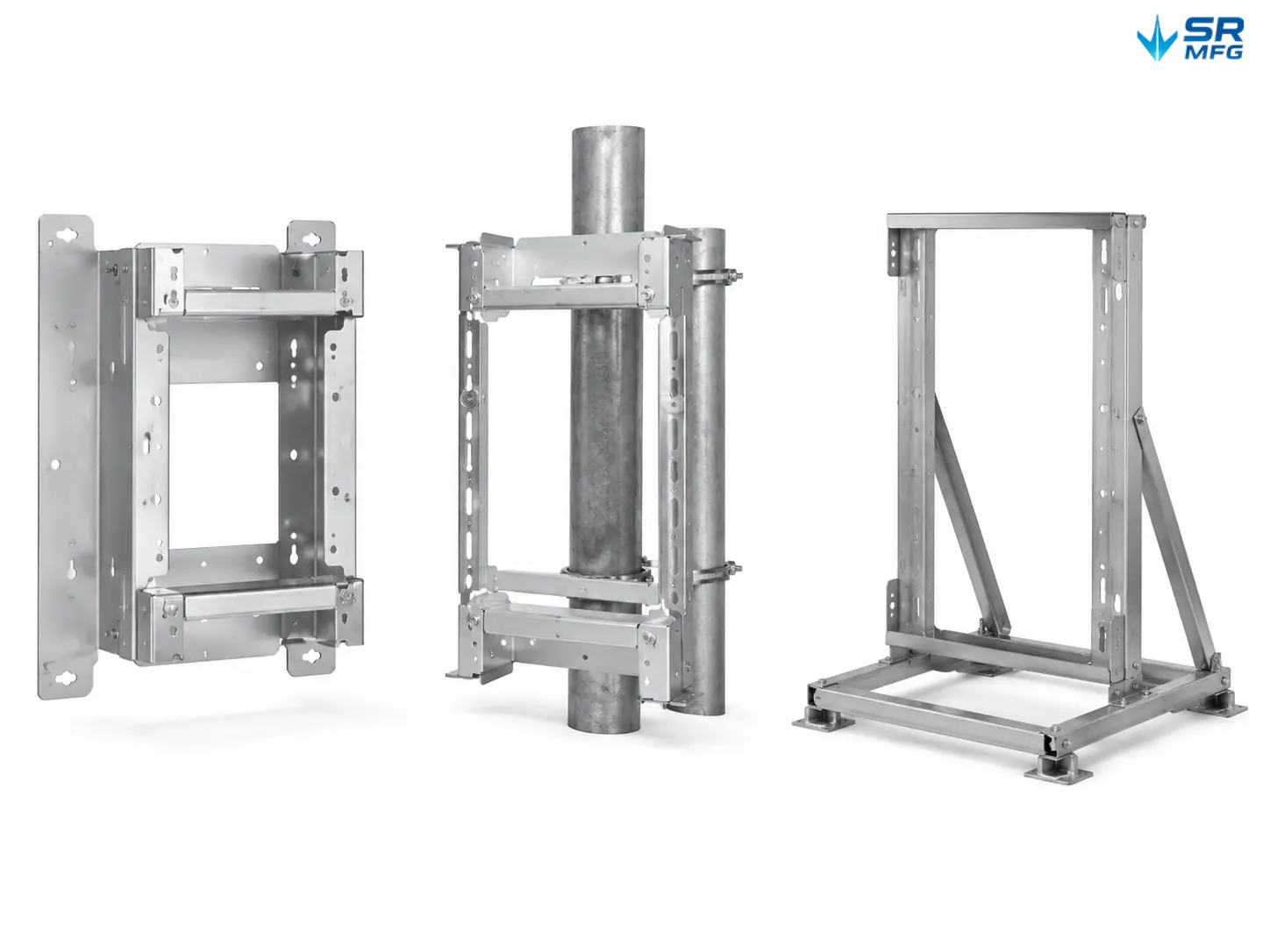
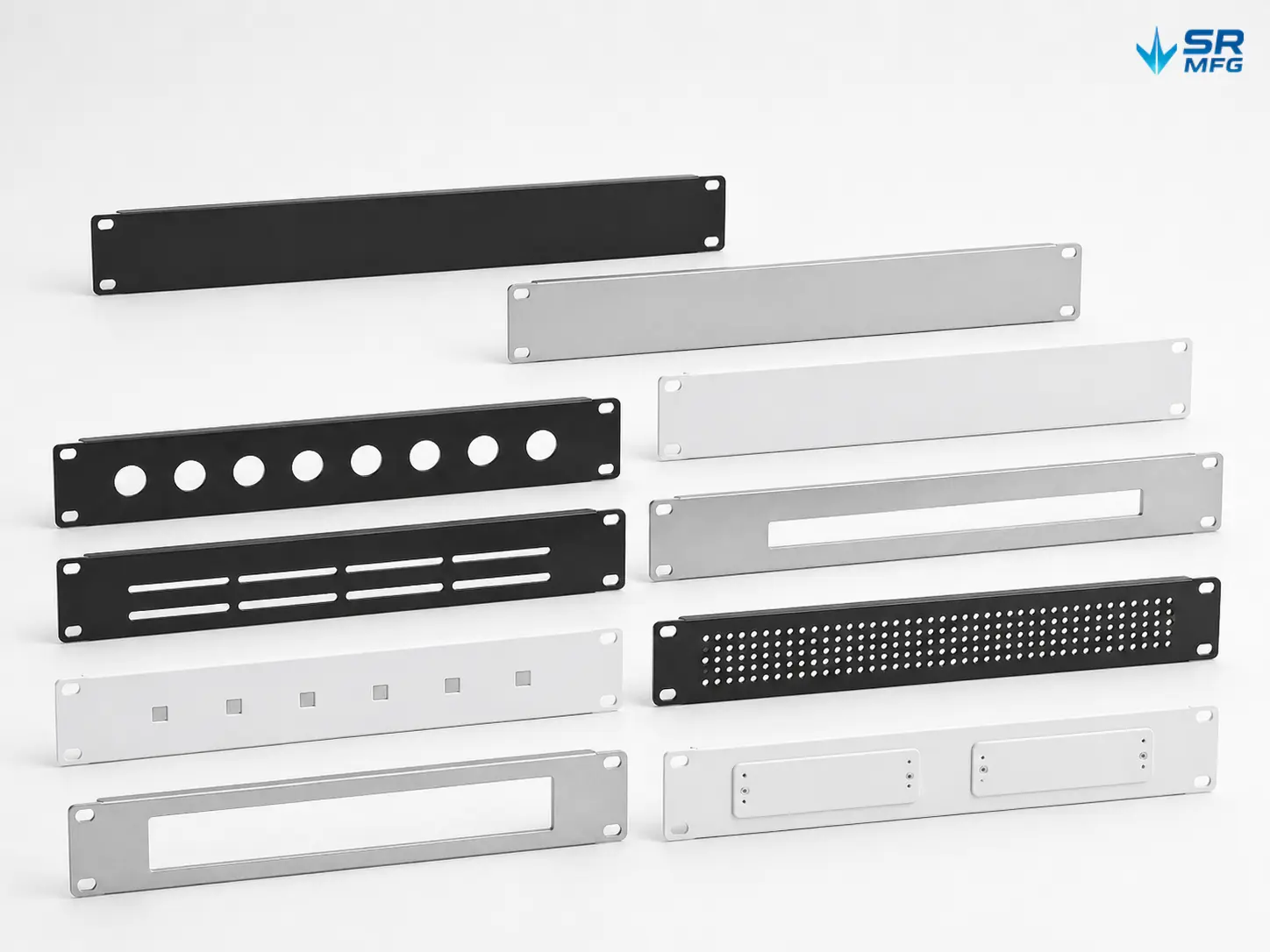
Metal Anodizing FAQs
We mainly provide anodizing for aluminum and aluminum alloys.
When placing an order, we recommend specifying at least the following information: application environment, aluminum alloy grade, significant surfaces, anodic coating thickness class, color requirements, and whether sealing is required.
These are also key items recommended by ISO 7599 for customers to provide when defining anodizing requirements.
Yes. We recommend specifying the AA coating thickness class according to ISO 7599, which makes inspection, acceptance, and repeat verification much clearer.
Common AA classes include AA5, AA10, AA15, AA20, and AA25. Each class defines both the minimum average coating thickness und den minimum local coating thickness.
It is also worth noting that ISO 7599 indicates that some dye systems may require AA20 or higher in order to achieve sufficient dye absorption and lightfastness.
For projects following MIL-A-8625F, a common specification is:
Type III hard anodizing, nominal coating thickness 0.002″(2 mil).
Thickness variation can also be controlled according to the standard. In general, for coatings ≤ 2 mil, the typical tolerance is ±20%; for coatings > 2 mil, the typical tolerance is ±0.0004″(0.4 mil).
The final tolerance requirements should always follow the engineering drawing, customer specification, or purchase contract.
Yes. Anodizing affects part dimensions, especially for hard anodized aluminum parts.
A common engineering rule for hard anodizing is that approximately half of the coating penetrates into the aluminum substrate, while the other half builds up outward.
For example, a total coating thickness of 0.002″ usually results in approximately 0.001″ dimensional growth per side. This is an engineering reference value, and final dimensions should still be confirmed by actual measurement and project specifications.
For CTQ features such as threaded holes, sealing surfaces, locating surfaces, and electrical contact areas, we typically use one or a combination of the following methods:
Masking / machining allowance compensation / post-anodizing machining
The final approach is determined based on the part design, tolerance requirements, and functional surfaces.
We commonly use eddy current non-destructive coating thickness measurement.
ASTM B244 clearly states that this method is applicable for measuring anodic coating thickness on aluminum materials.
The standard also emphasizes that the reference standards used for calibration should have the same substrate conductivity as the workpiece being measured. Otherwise, measurement readings may be affected.
This is why proper calibration and matching reference standards are important for reliable coating thickness inspection.
Salt spray testing can be performed according to ASTM B117 oder ISO 9227.
ISO 9227 includes three common salt spray test methods: NSS, AASS, and CASS.
It should be noted that ASTM B117 mainly defines the test environment and test method. It does not directly define how many hours are required to pass. The test duration and failure criteria are usually specified by the customer specification, engineering drawing, or project requirement.
Sealing quality can be controlled or verified under the ISO system, such as:
ISO 2143 — dye spot test / dye adsorption method
ISO 2931 — admittance method
Inspection reports can be provided based on the agreed standard, test method, coating thickness requirement, sealing requirement, and customer acceptance criteria.
Responsibility is defined through the confirmed drawing, anodizing specification, approved samples, and inspection requirements. SR MFG manages engineering review, supplier coordination, inspection, documentation, and delivery. The anodizing partner is responsible for maintaining the confirmed process parameters and meeting the agreed requirements for film thickness, color, sealing quality, masking, and surface appearance. For customer-supplied parts, incoming surface defects or contamination are reviewed before anodizing.
Anodizing Technical Resources
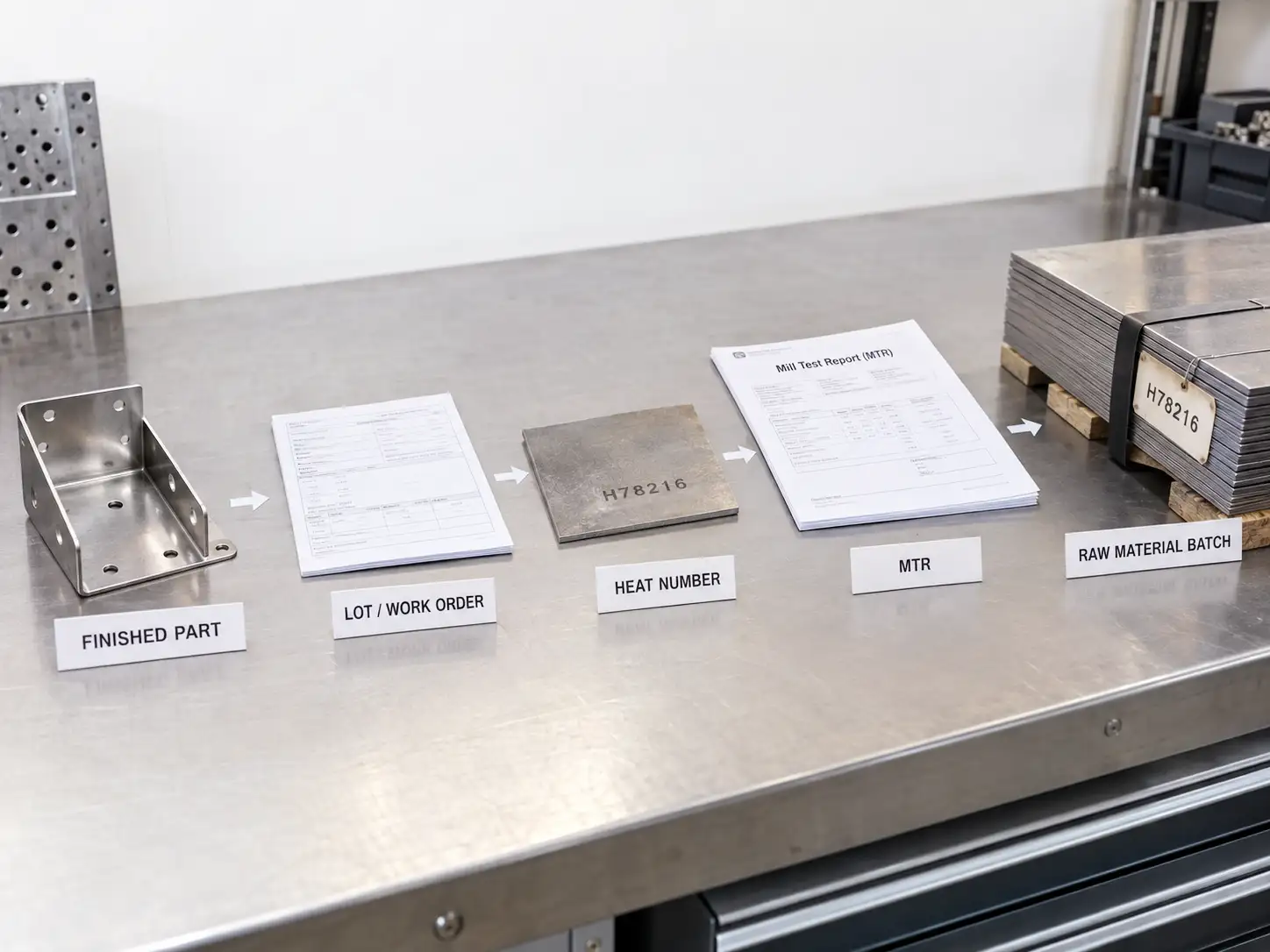
Materialrückverfolgbarkeit
ShuangRui2026-09-12T08:00:58+00:00September 2026|
Specifying "traceable material" on a drawing sounds straightforward — until the part arrives with a certificate of conformance [...]
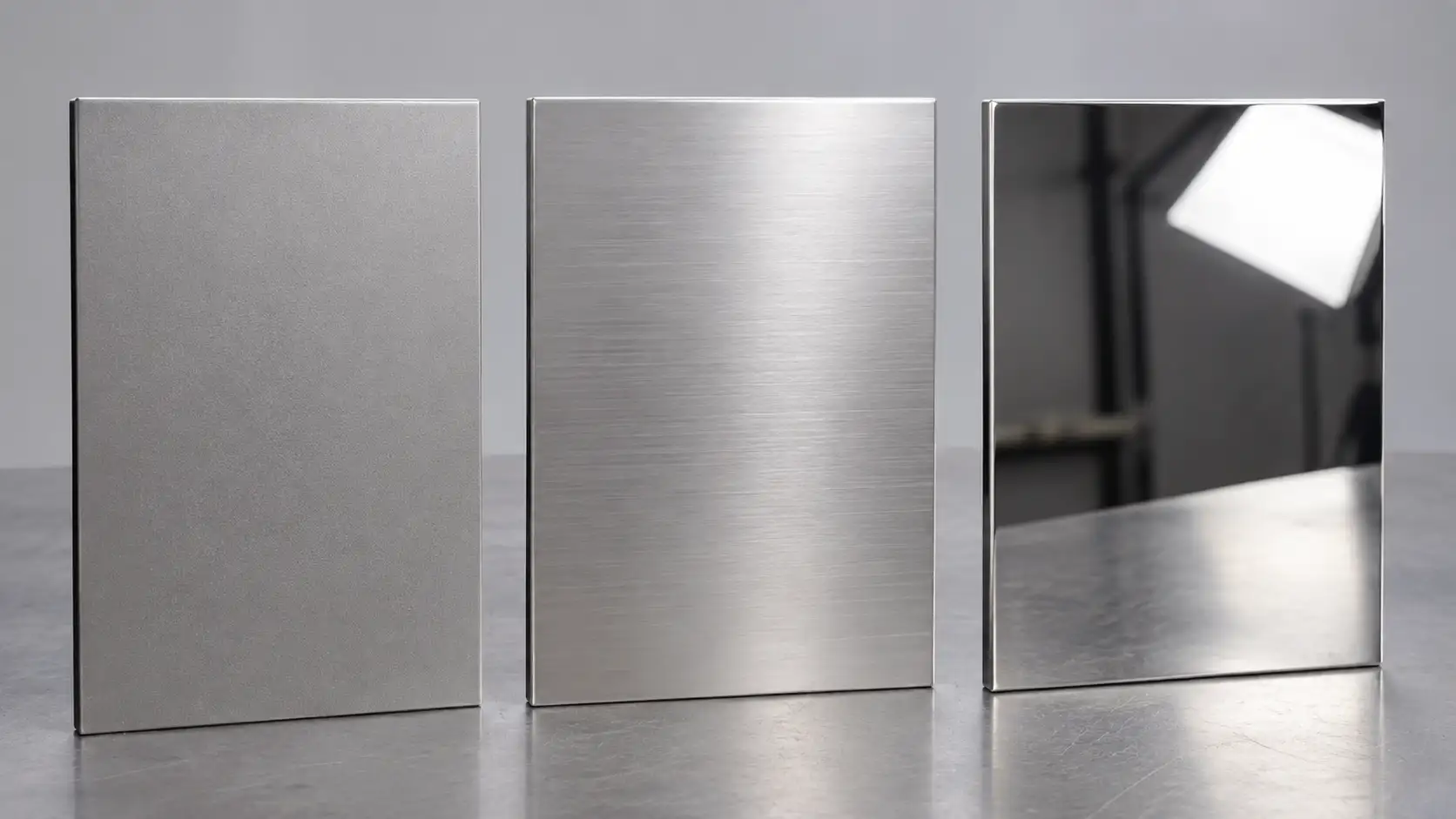
Satinierte Oberfläche
ShuangRui2026-09-14T08:54:34+00:00September 2026|
If you search for "satin finish" across ten different supplier websites, you will find ten different gloss unit [...]
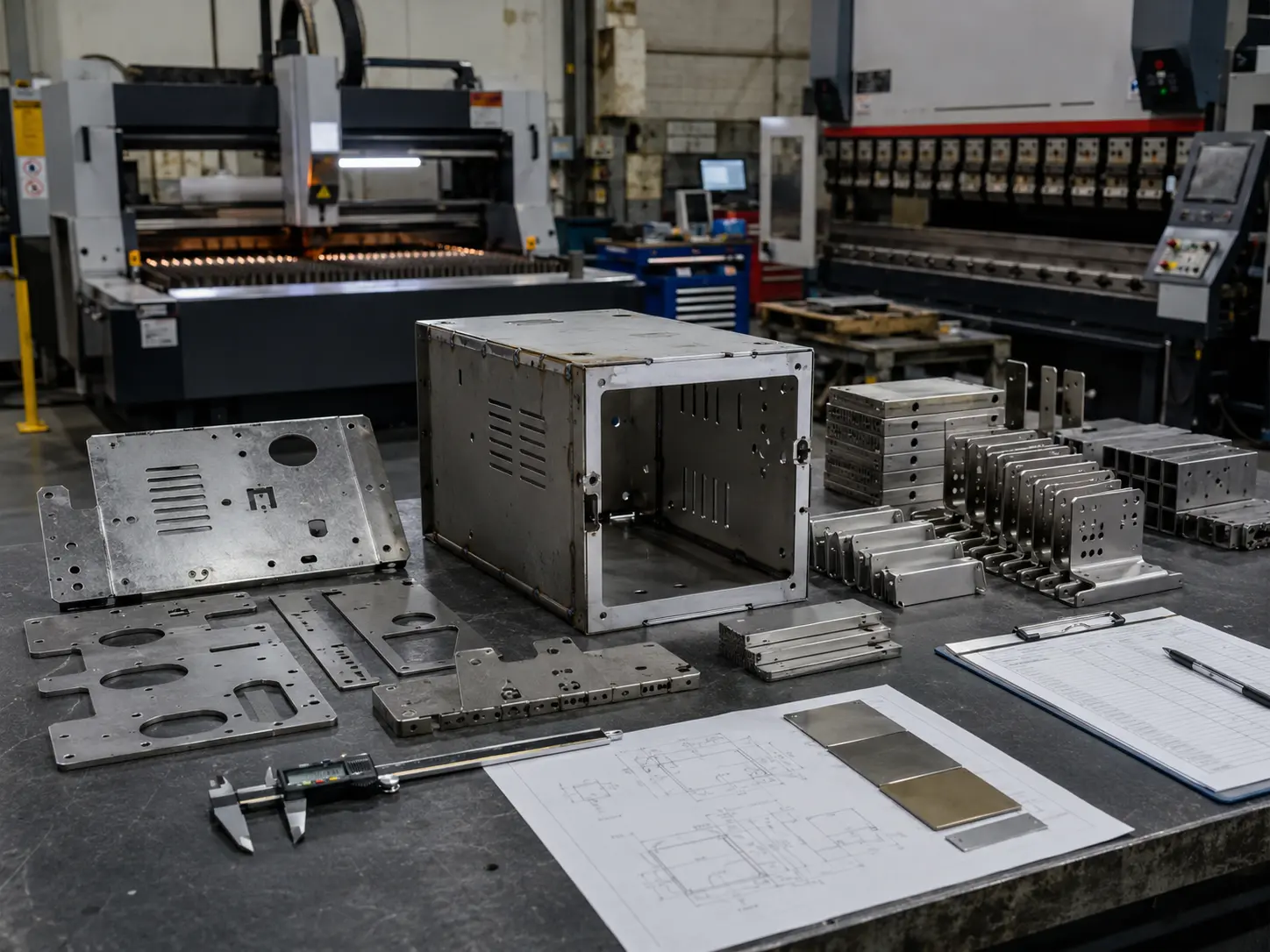
So wählen Sie einen Lieferanten für das Laserschneiden von Blechen aus: 7 Kriterien, Lieferantentypen & RFQ-Checkliste
ShuangRui2026-09-12T03:24:49+00:00August 2026|
You search for a supplier offering sheet metal laser cutting services and get hundreds of results — instant-quote [...]
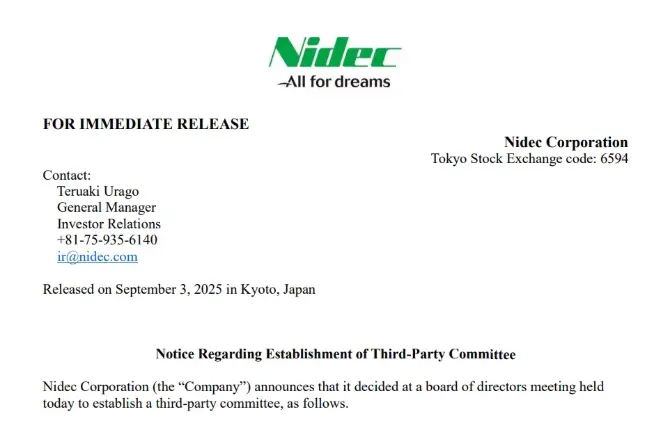
Nidec-Skandal weitet sich aus: 844 Fälle von Fehlverhalten, Bilanzprüfung und Governance-Fragen
ShuangRui2026-09-09T02:07:12+00:00September 2026|
According to CCTV Finance, an external investigation report released on September 4 by Japanese motor manufacturing giant Nidec [...]
