Partner mit Shuangrui, um die Fertigungskosten zu senken um 30% und die Effizienz zu steigern.

Metallbeschichtungsdienstleistungen2026-08-15T03:24:50+00:00

Metallbeschichtungsdienstleistungen für gefertigte & bearbeitete Teile

SR MFG bietet One-Stop-Metallbeschichtungsunterstützung für Blech- und bearbeitete Teile, einschließlich Oberflächenauswahl, Lieferantenkoordination, Inspektion und Dokumentation.

Je nach Anwendung können wir vor der Produktion helfen, Beschichtungstyp, Schichtdicke, Haftungsanforderungen, Korrosionstests und Abnahmekriterien festzulegen.
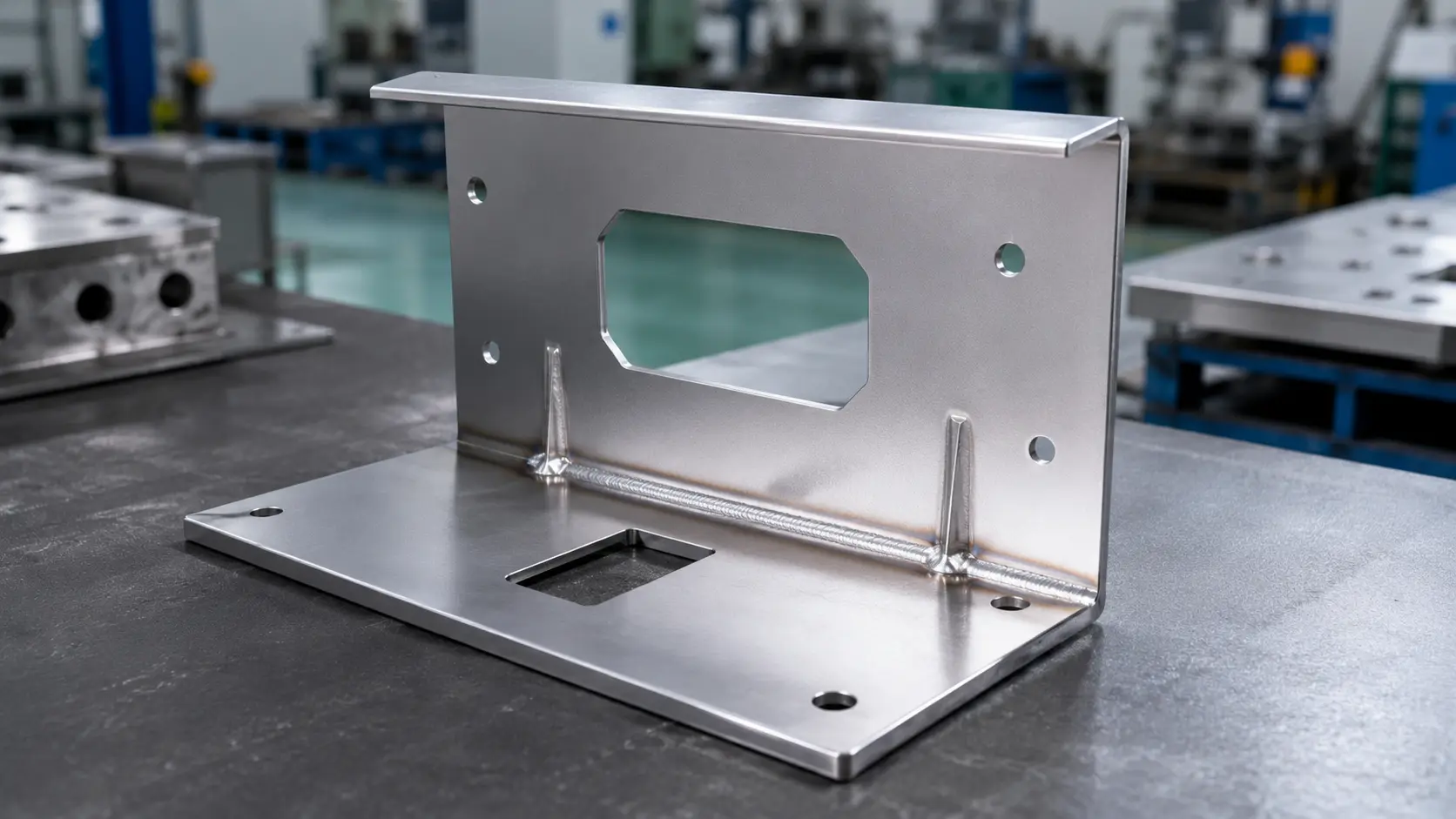
Zink- / Nickel- / Zinn- / Chrom-Optionen ISO 2178 Dickenverifizierung ASTM B571 Haftungsprüfung ASTM B117 / ISO 9227 Salzsprühnebel-Unterstützung

Erhalten Sie ein individuelles Angebot in 24 Stunden

Laden Sie Ihre Zeichnungen für die technische Prüfung hoch.

Leeres Formular (#4)

Was ist Metallbeschichtung?

Metallbeschichtung ist ein Oberflächenveredelungsverfahren, bei dem durch Galvanisieren oder stromlose Abscheidung eine dünne Metallschicht auf ein Grundmaterial aufgebracht wird. Wenn Gleichstrom (DC) angelegt wird, werden die Metallionen reduziert und als dünne, gleichmäßige Schicht aus Metall oder Legierung auf der Oberfläche des Teils abgeschieden.

Je nach Beschichtungssystem und verwendeten Metallen kann die Beschichtung den Korrosionsschutz, die Verschleißfestigkeit, die elektrische Leitfähigkeit, das Reflexionsvermögen, die Lötbarkeit und das kosmetische Erscheinungsbild verbessern.

Stromloses Beschichten verwendet einen kontrollierten chemischen Reduktionsprozess anstelle von externem elektrischem Strom.

Korrosion
Schutz
Verschleiß
Beständigkeit
Elektrische
Leitfähigkeit
Lötbarkeit
Dekorativ
Oberfläche
Metal plating process for welded and fabricated metal parts

Vor- und Nachteile der Metallbeschichtung

Vorteile

  • Verleiht ein attraktives, hochwertiges metallisches Erscheinungsbild.
  • Bietet funktionale Vorteile wie Korrosions- und Verschleißbeständigkeit.
  • Anwendbar auf eine breite Palette von Materialien und Teilen, einschließlich Stahl, Aluminium, Messing und Kupfer.
  • Kosteneffizient für Hochvolumen- und Großserienproduktion.

Einschränkungen

  • Erfordert präzise chemische Prozesskontrolle und ordnungsgemäßes Abwassermanagement.
  • Machbarkeit hängt von Materialtyp, Teilegeometrie und Leistungsanforderungen ab.
  • Erfordert Vorbehandlung, Maskierung und Prozessvalidierung, um konsistente Ergebnisse zu gewährleisten.

Anwendungen der Metallbeschichtung

Metallbeschichtung wird in einer Vielzahl von Branchen eingesetzt, um die Leistung zu verbessern, vor Korrosion zu schützen, die Leitfähigkeit zu erhöhen und das gewünschte Erscheinungsbild zu erzielen.

Automobil
Komponenten

Chassis-Halterungen, Batterieklemmen, Wellen, Befestigungselemente, Ladeschnittstellen und Zierteile, die Korrosionsschutz oder Leitfähigkeit erfordern.

Elektronik &
Telekommunikationsausrüstung

Steckverbinder, Schalter, PCB-Hardware, HF-Komponenten, Basisstationskomponenten und leitfähige Kontaktoberflächen.

Luft- und Raumfahrt &
Präzisionshardware

Befestigungselemente, Halterungen, Fahrwerkhardware, Sensoren, Antennen und Präzisionsteile, die eine zuverlässige Beschichtungsleistung erfordern.

Medizinische &
Instrumententeile

Chirurgische Instrumente, Pinzetten, Klemmen, Griffe und Präzisionskomponenten, die ein sauberes Erscheinungsbild und kontrollierte Oberflächenleistung erfordern.

Bauwesen &
Architekturhardware

Tür- und Fensterbeschläge, Geländer, Handläufe, Vorhangfassadenzubehör, dekorative Metallteile und korrosionsbeständige Befestigungen.

Die endgültige Beschichtungsauswahl hängt ab von Substratmaterial, Bauteilgeometrie, erforderliche Leistung, Prüfnorm.

Welche Probleme löst die Metallbeschichtung?

Korrosion &
Rostrisiko

Fügt eine Schutzmetallschicht hinzu, um die Oxidation zu verlangsamen und die Korrosionsbeständigkeit in feuchten, Außen- oder chemisch exponierten Umgebungen zu verbessern.
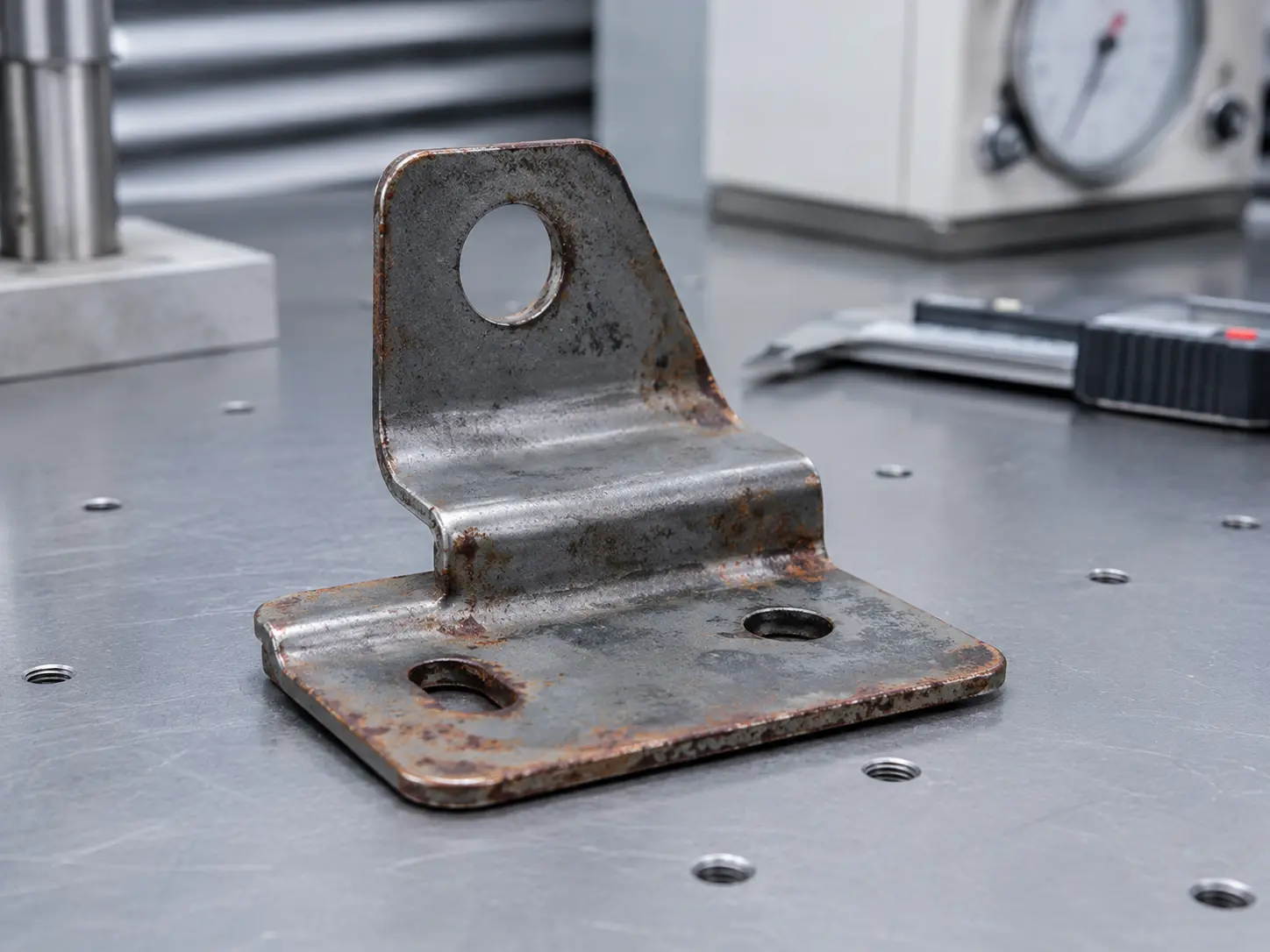
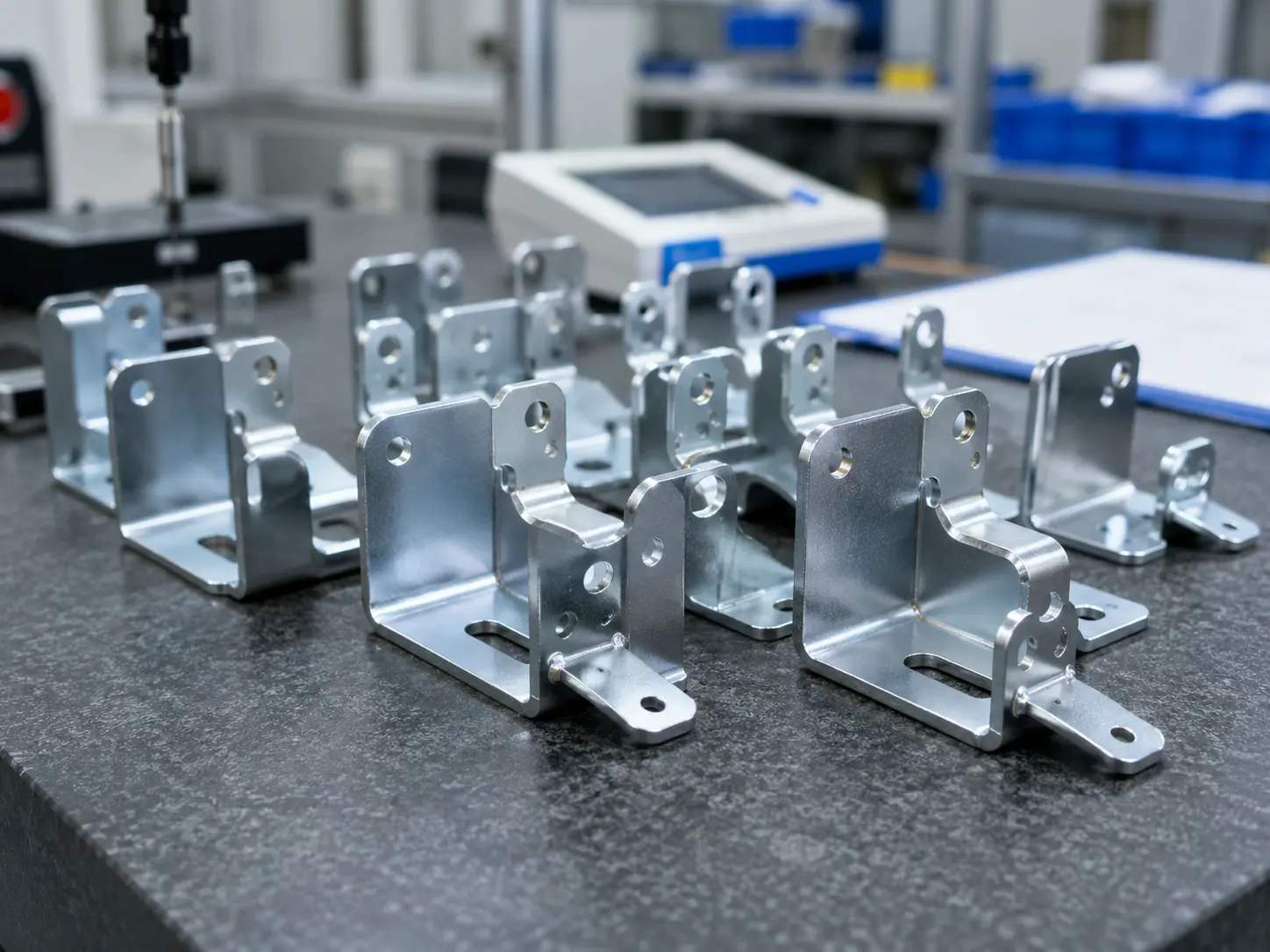
Unplated steel bracket showing rust and oxidation riskPlated steel bracket with improved corrosion resistance

Verschleiß &
Oberflächenschäden

Verbessert die Oberflächenhaltbarkeit für Teile, die Reibung, wiederholter Handhabung, Gleitkontakt oder mechanischem Verschleiß ausgesetzt sind.
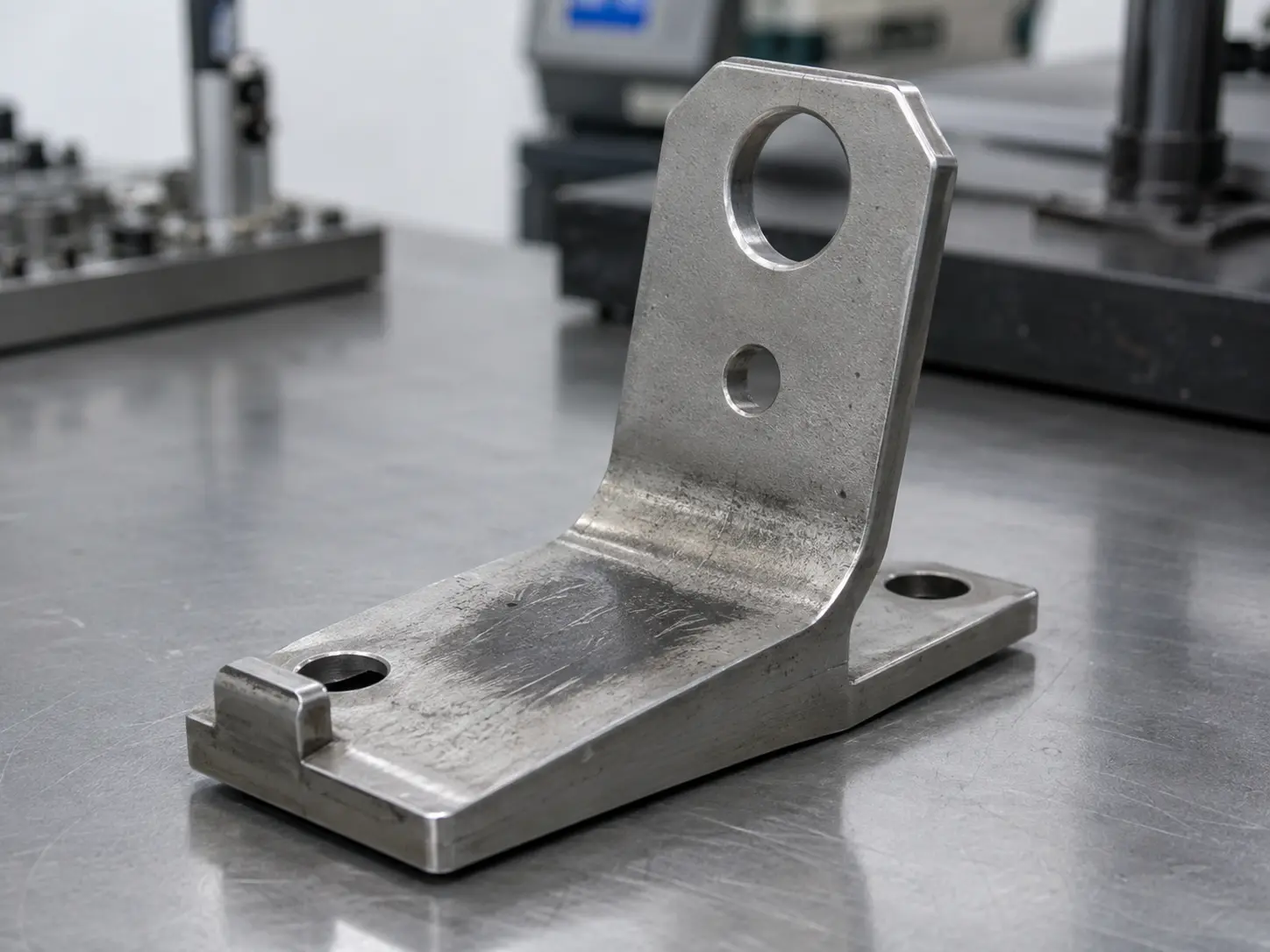
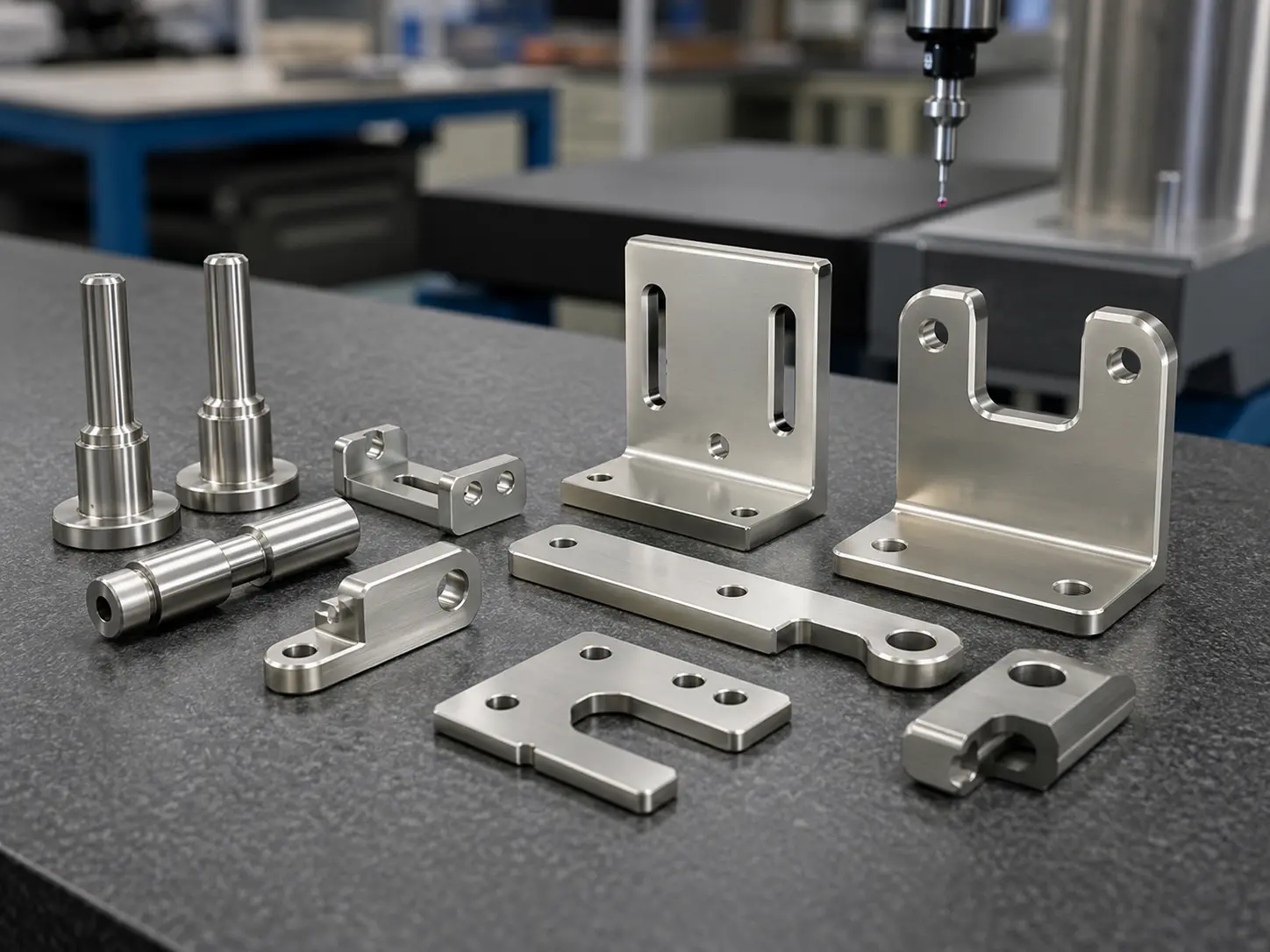
Unplated metal part showing wear and surface damagePlated metal part with improved wear resistance

Leitfähigkeit &
Kontaktleistung

Unterstützt elektrische Leitfähigkeit, Lötbarkeit und stabile Kontaktleistung für Klemmen, Steckverbinder und schaltungsbezogene Hardware.
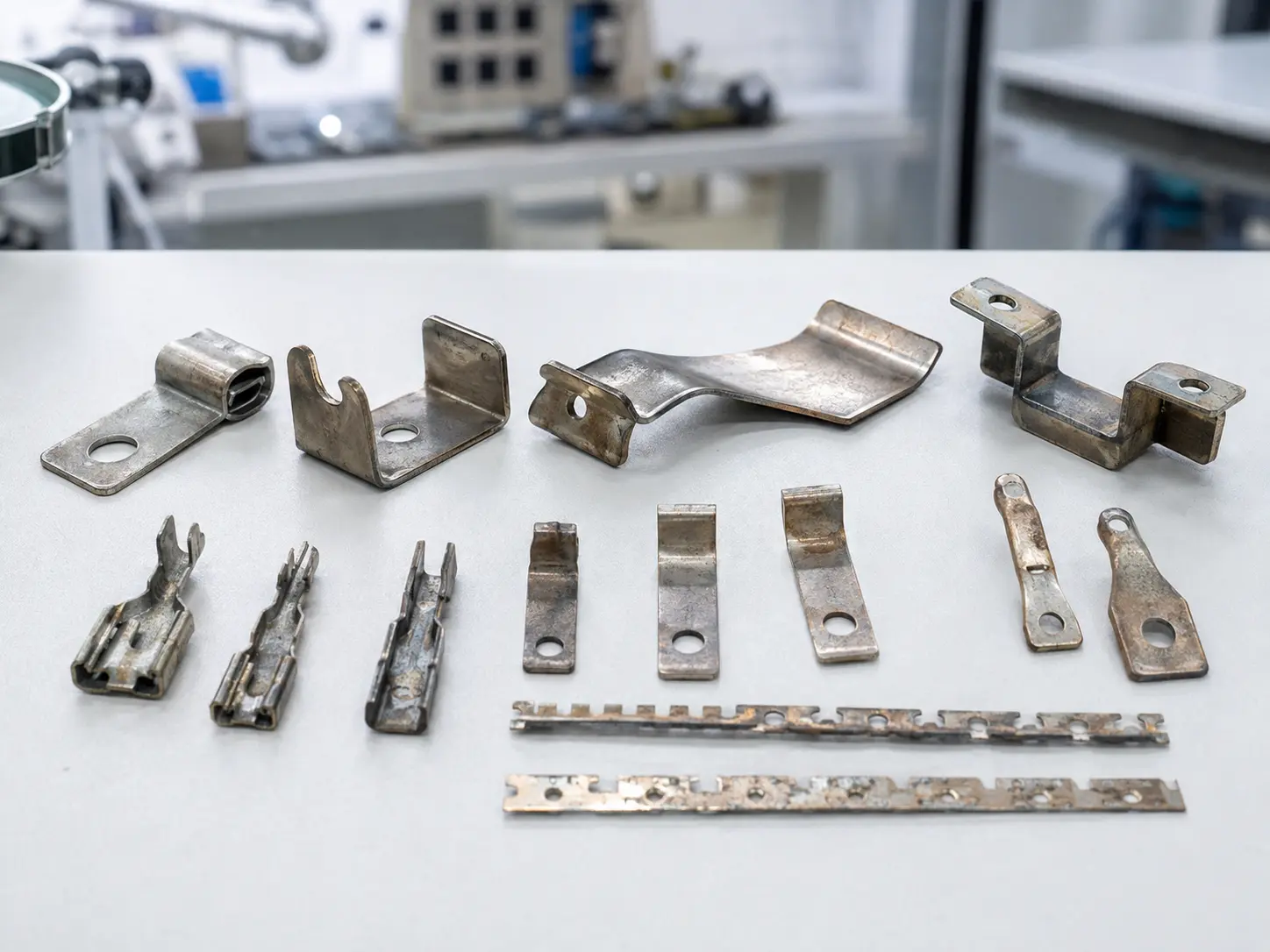
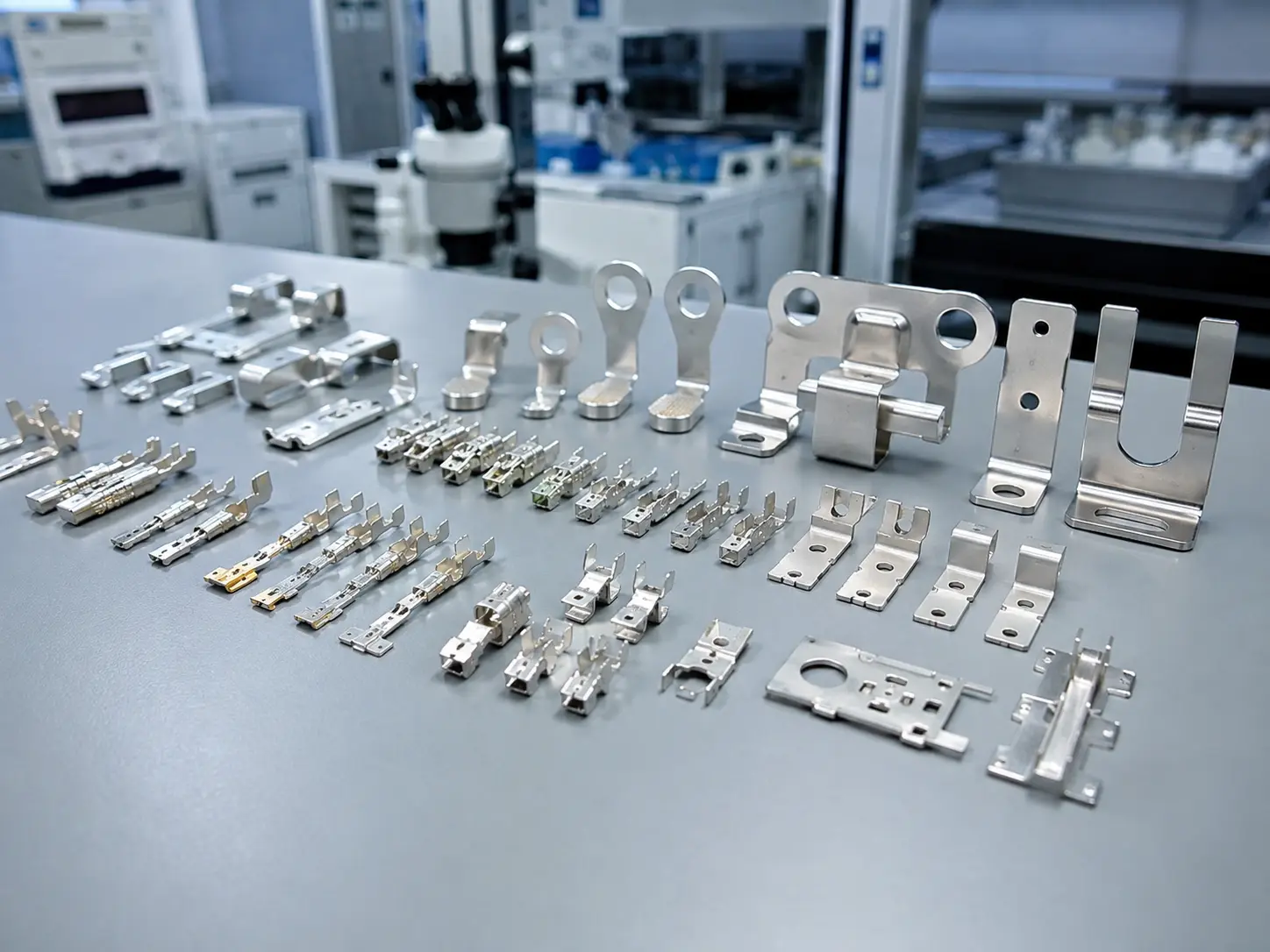
Unplated electrical contact parts with oxidation and unstable contact surfacesPlated electrical contact parts with clean conductive surfaces

Aussehen &
Dekorative Oberfläche

Erzeugt metallischen Glanz, Reflexionsvermögen, Farbton und kosmetische Konsistenz für sichtbare oder kundenorientierte Teile.
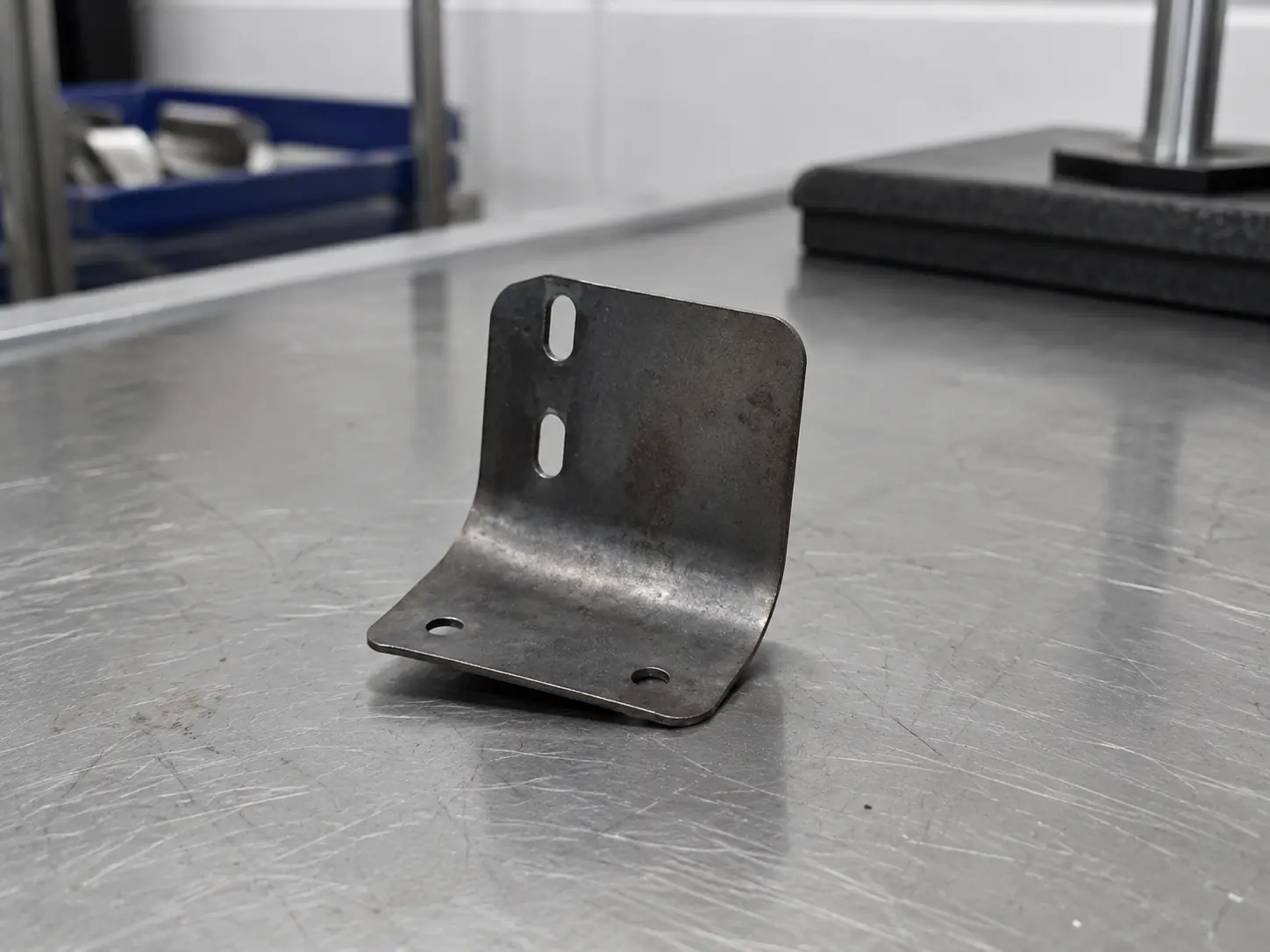
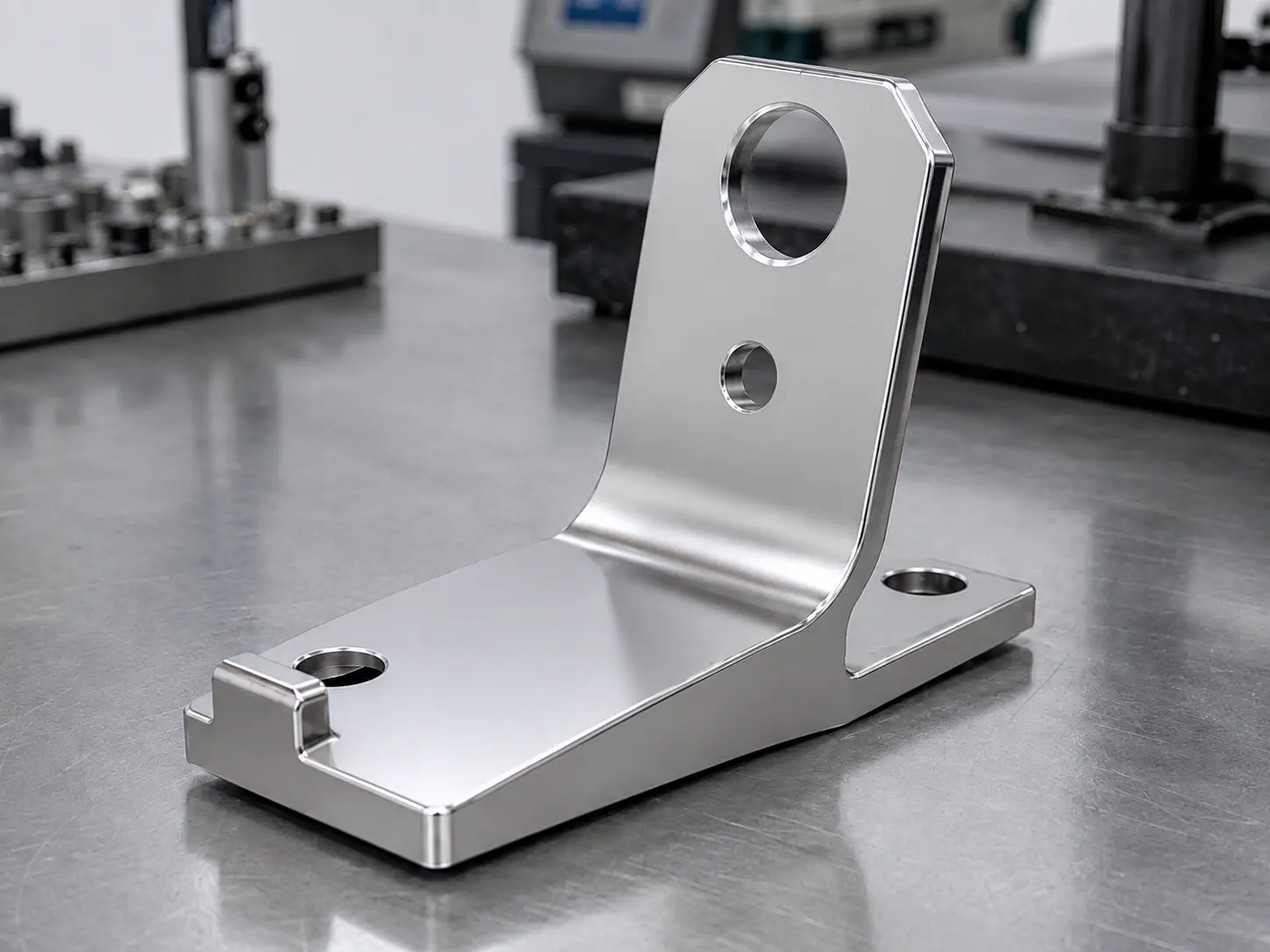
Unfinished metal part with dull and inconsistent appearancePlated metal part with bright decorative finish

Die richtige Beschichtungslösung hängt ab von Substratmaterial, Expositionsumgebung, Schichtdicke, Oberflächengüte und Prüfanforderungen.

Gängige Metallbeschichtungsarten

Die Beschichtung umfasst viele Verfahren, wie Kupfer-, Gold-, Silber-, Nickel-, Chrom- und Verzinkung.
In der Fertigung sind die am weitesten verbreiteten Verzinkung, Vernickelung, und Verchromung.
Nachfolgend finden Sie einen Überblick über diese drei und wie sie sich unterscheiden.

Verzinkung

Am besten geeignet für: Kostengünstiger Rostschutz für Stahlteile.
  • Kosteneffizienter Korrosionsschutz
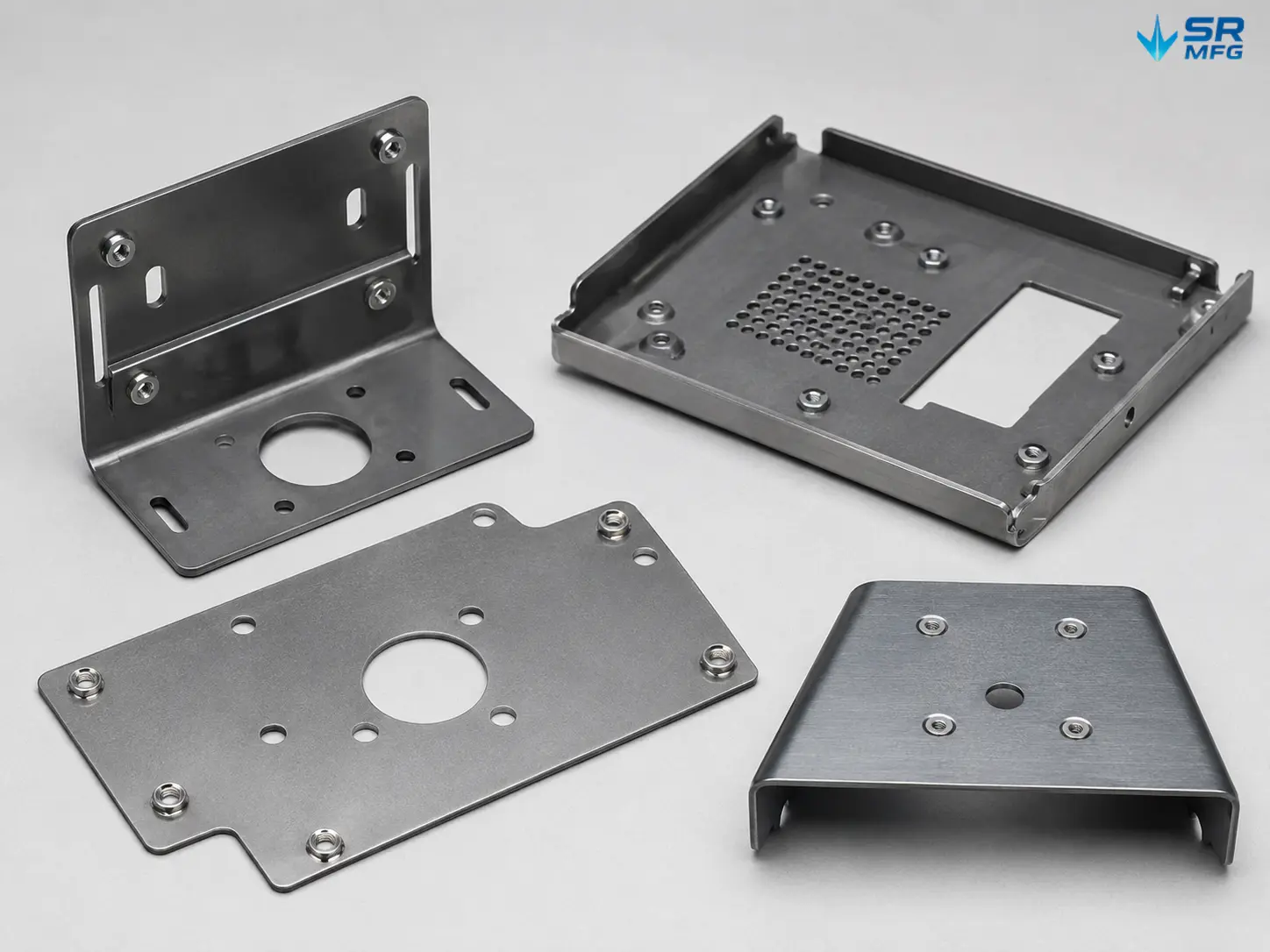
  • Weit verbreitet für Befestigungselemente und Halterungen
  • Normalerweise silberweiße oder gelbliche Oberfläche

Typische Anwendungen:

Schrauben und Befestigungselemente, Metallhalterungen, Strukturteile,.

Vernickelung

Am besten geeignet für: Verschleißfestigkeit, Korrosionsschutz und verbesserte Leistung.
  • Gute Verschleiß- und Korrosionsbeständigkeit
  • Attraktive Oberfläche mit dekorativem Potenzial
  • Stabile Basisschicht für Mehrschichtbeschichtung

Typische Anwendungen:

Elektronikteile, Steckverbinder, Lampenfassungen, Medizinprodukte,.

Verchromung

Am besten geeignet für: Dekorative Oberfläche und hohe Oberflächenhärte.
  • Helle, spiegelähnliche dekorative Erscheinung
  • Hohe Oberflächenhärte und Verschleißfestigkeit
  • Besserer Rostschutz als Verzinkung

Typische Anwendungen:

Dekorative Zierleisten, Geräteteile, Werkzeuge, Wasserhähne,.

Hauptunterschiede auf einen Blick

Position Verzinkung Vernickelung Verchromung
Hauptzweck Basic rust protection
+ low-cost
Wear resistance, corrosion
protection, rust prevention
High hardness, mirror-like finish,
long-term protection
Process type Galvanisieren Electroplating / Electroless plating Galvanisieren
Relative cost Lowest Mittel Highest
Korrosionsbeständigkeit Moderate (poor acid resistance) Gute Excellent (good chemical stability)
Erscheinungsbild Silver-white or yellowish Silver or slightly warm tone Bright, mirror-like silver
Typical uses Steel structures, general-purpose
hardware
Electronics parts, medical devices,
hardware
Automotive trim, molds, sanitary
hardware

Hinweis: Visual color alone can be misleading. As a rough reference, chrome tends to look brighter / “colder” white, nickel may look slightly warmer, and zinc often appears silver-white—but actual appearance varies by process, passivation, and specification.

What Metals Can Be Plated?

Plating is compatible with a wide range of metals. With the right pretreatment and process selection, most metal materials can be electroplated. Final feasibility depends on alloy grade, surface condition, geometry, and specification requirements.

Common Steel Substrates

Empfohlen

The most common plated materials for structural and industrial applications.

  • Carbon steel, mild steel, stainless steel, high-strength steel
  • Common plating options: zinc, nickel, and chrome
  • Some grades may require hydrogen-embrittlement control

Copper-Based Metals

Geeignet mit Bewertung

Well suited for conductive components and decorative hardware.

  • Pure copper, brass, and bronze
  • Often plated with nickel, tin, silver, or gold
  • Pretreatment affects adhesion and final appearance

Aluminum & Die-Cast Parts

Specialty Pretreatment Needed

Plating is possible, but front-end process control is important.

  • Pure aluminum, aluminum alloys, die-cast zinc or aluminum
  • Usually require activation and specialty pretreatment
  • Feasibility depends on alloy, porosity, and geometry

Special & Noble Metals

Projektspezifisch

Used where performance, conductivity, or chemical stability are critical.

  • Gold, silver, platinum, palladium, and special substrates
  • Common in electronics, medical, and high-spec applications
  • Chemistry, cost, and validation should be reviewed case by case

Ingenieurwesen
Note

Material compatibility should be confirmed before production because pretreatment, activation, masking, hydrogen-embrittlement control, and coating thickness can affect final performance.

Metal Plating Process Flow

Typical routes vary by substrate, plating type, corrosion target, and inspection requirements. Below is a simplified production overview for industrial plated parts.

Process overview (video demonstration)

1

Surface Preparation

Grinding / polishing if required; remove burrs and prepare cosmetic surfaces.

2

Entfetten & Reinigen

Remove oil, residue, and shop contamination before plating.

3

Activation / Pretreatment

Acid pickling or specialty activation to prepare the substrate.

4

Plating Deposition

Apply zinc, nickel, chrome, or other specified plating system.

5

Rinse & Post-Treatment

Rinse, passivate, seal, or apply post-treatment as required.

6

Drying, Inspection & Packing

Dry parts, verify quality, and pack for shipment.

Engineering note: Actual process flow depends on base material, coating system, masking requirements, thickness target, corrosion standard, and customer specification.

Quality controlled at every step

Plating Appearance Reference

Actual appearance may vary depending on the substrate, process, and post-treatment. The images below are representative examples for reference only.

Blue-White Zinc

Cost-effective silver-white finish for general rust protection.

Yellow Zinc / Chromate

Yellow-gold tone with improved corrosion protection.

Black Zinc

Dark decorative finish for hardware and visible components.

Nickel

Silver to slightly warm metallic tone with good decorative and functional performance.

Chrome

Bright, mirror-like silver appearance with high hardness and wear resistance.

Copper / Gold Tone

Decorative or conductive appearance for selected functional and cosmetic parts.

Technischer Hinweis: Visual appearance can vary by substrate material, polishing level, plating chemistry, passivation, sealing, and inspection lighting. Approved samples are recommended before production.

SR MFG Managed Outsourced Plating Delivery

SR MFG provides managed electroplating support for OEM metal components used in industrial equipment, electronics, automotive, hardware, and precision assemblies. Electroplating deposits a thin metallic layer onto conductive substrates to improve corrosion resistance, surface hardness, electrical conductivity, or decorative appearance. We coordinate both prototype and production plating through qualified finishing partners.

Einziger Ansprechpartner

You work with SR MFG only. We coordinate fabrication, plating, inspection, documentation, and logistics.

Technische Prüfung
Before Plating

We review drawings, coating requirements, masking areas, contact surfaces, and acceptance criteria before production.

Supplier & Schedule
Coordination

We select qualified plating partners, align process windows, and monitor schedule, quality, and delivery consistency.

Inspection &
Documentation Control

We manage incoming/outgoing inspection, required test records, lot traceability, and shipment documentation.

Managed Delivery Workflow

1

RFQ Requirement Alignment

Confirm material, plating type, thickness, cosmetic grade, masking areas, corrosion requirements, and documents.

2

Engineering Package Preparation

Prepare masking map, racking notes, inspection plan, acceptance criteria, and report requirements.

3

Sample Validation

Confirm appearance, coating thickness, sealing or corrosion requirements, and approved sample baseline.

4

Production Follow-Up

Monitor production, in-process sampling, incoming/outgoing inspection, and lot traceability.

5

Final Delivery & Documentation

Ship with required documents, inspection records, CoC, and traceability information when required.

Responsibility Boundaries (Who Owns What)

SR MFG Responsibilities

Engineering review, supplier coordination, process control follow-up, inspection, documentation, traceability, and delivery management.

Plating Partner Responsibilities

Execute pretreatment, plating, post-treatment, rinsing, drying, and process records according to the agreed specification.

Customer Responsibilities

Provide drawings, material requirements, coating specifications, cosmetic standards, acceptance criteria, and approved samples when required.

Hinweis:

The actual process and responsibilities may vary based on part complexity, coating system, industry standard, and customer requirements.

Quality. Communication. Accountability. That’s the SR MFG way.

Ready to Review Your Metal Plating Requirements?

Not sure which plating system is suitable for your project? Send us your drawings, base material, plating type, coating thickness, masking areas, corrosion requirements, and inspection standards. Our engineering team will review your specifications and coordinate a suitable plating solution.

Industries & Metal Electroplating Applications

SR MFG provides professional electroplating services for OEM metal components used in industrial equipment, electronics, automotive, hardware, and precision assemblies. Electroplating deposits a thin, uniform metallic layer onto conductive substrates, enhancing corrosion resistance, surface hardness, electrical conductivity, and decorative appearance. We support both prototype finishing and high-volume production across multiple application sectors.
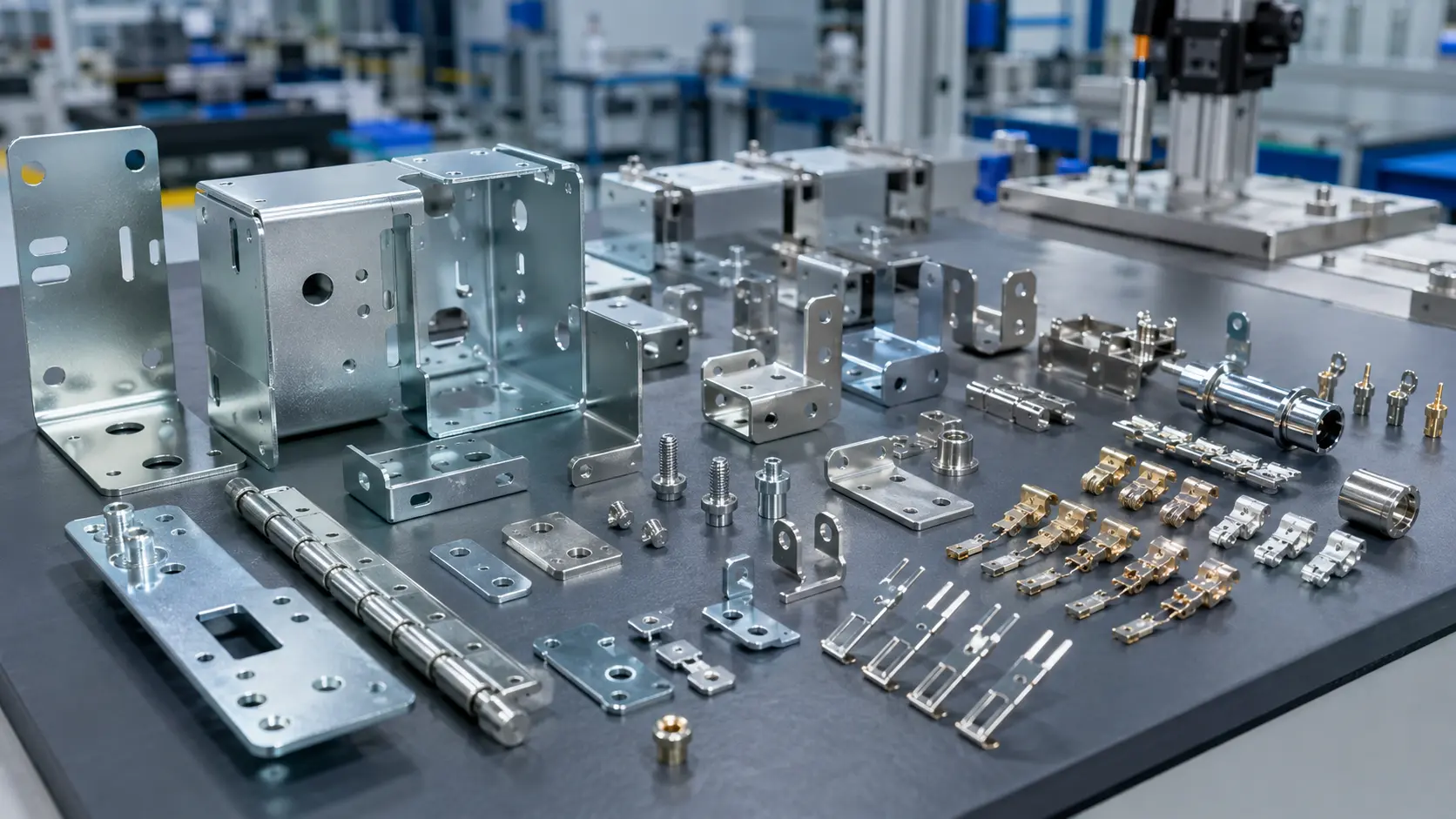
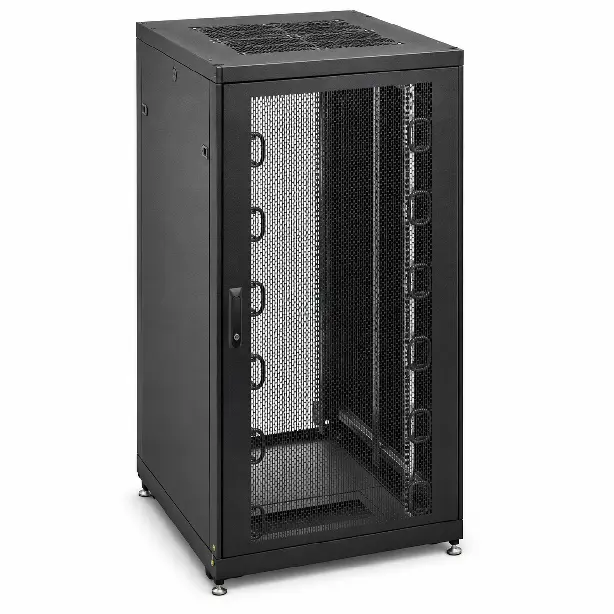
Electroplated metal components for industrial OEM applications

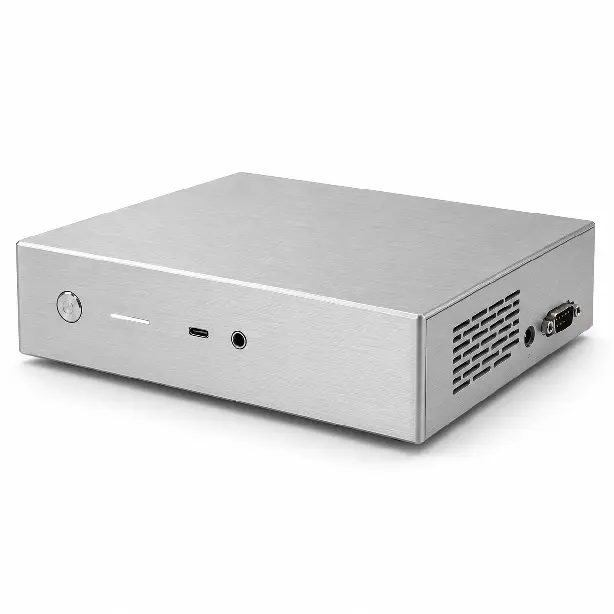
Rechenzentren & IT-Ausrüstung

Electroplating for data center components, network infrastructure, and IT hardware, delivering enhanced conductivity, corrosion protection, and a clean metallic finish on connectors, fasteners, and structural parts.

  • Server-Rack-Rahmen & -Schienen
  • Kabelmanagementwannen
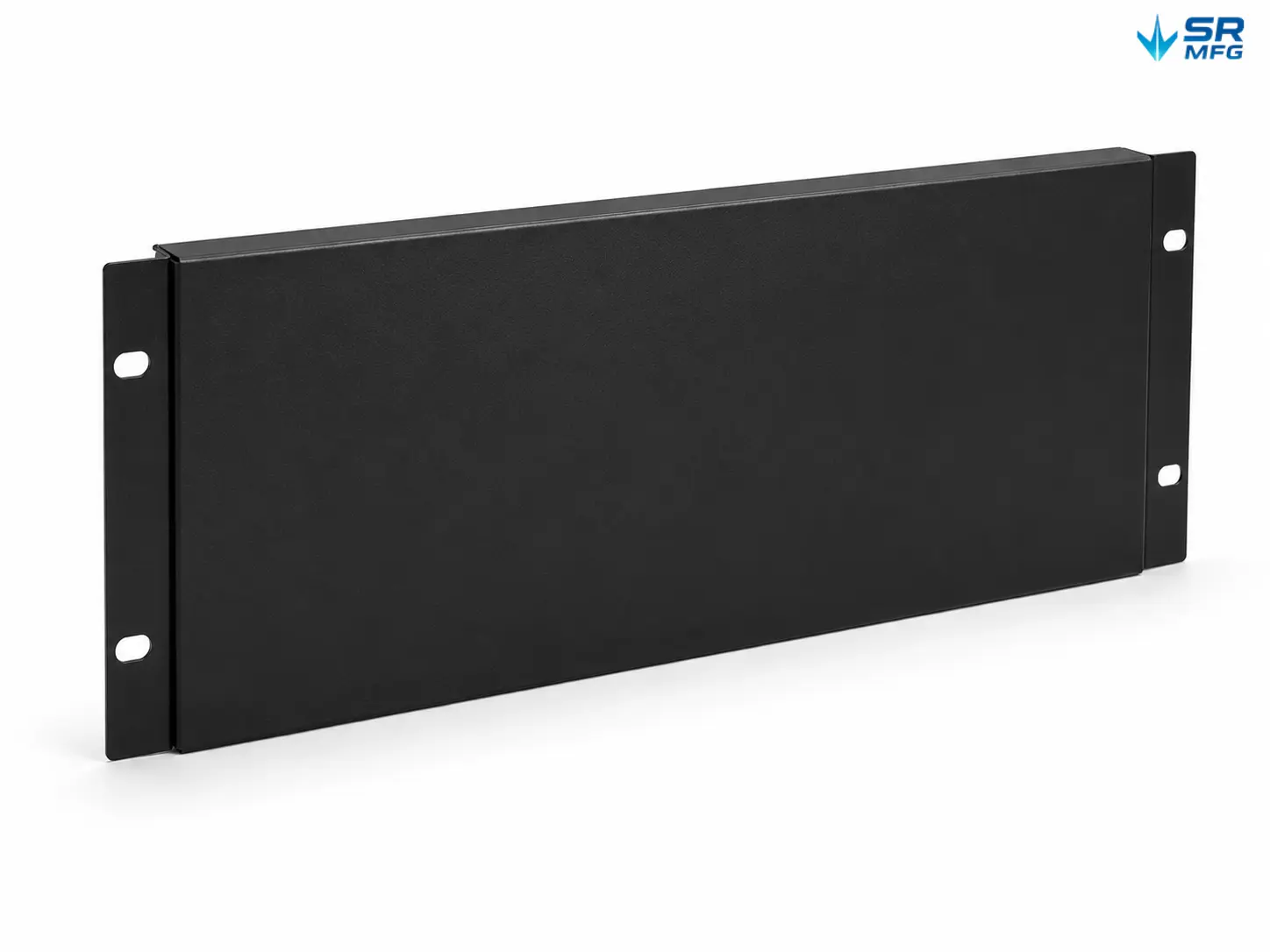
  • Schaltschrankpanele & -türen
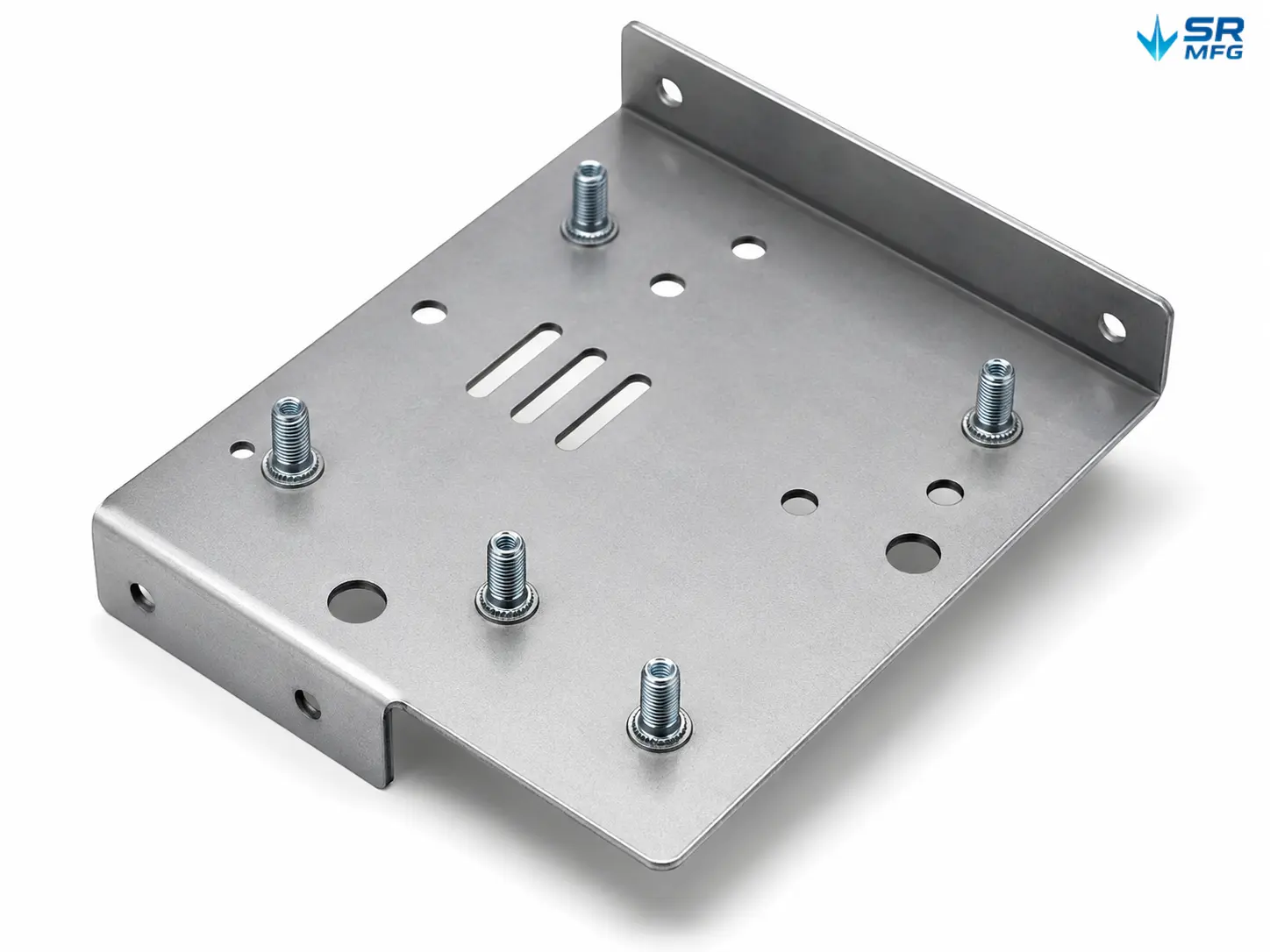
  • Montagehalterungen & -platten

Unterhaltungselektronik

Electroplating for consumer electronics housings, connectors, display structures, and precision metal assemblies, providing a high-gloss decorative finish with excellent wear resistance and improved electrical performance.

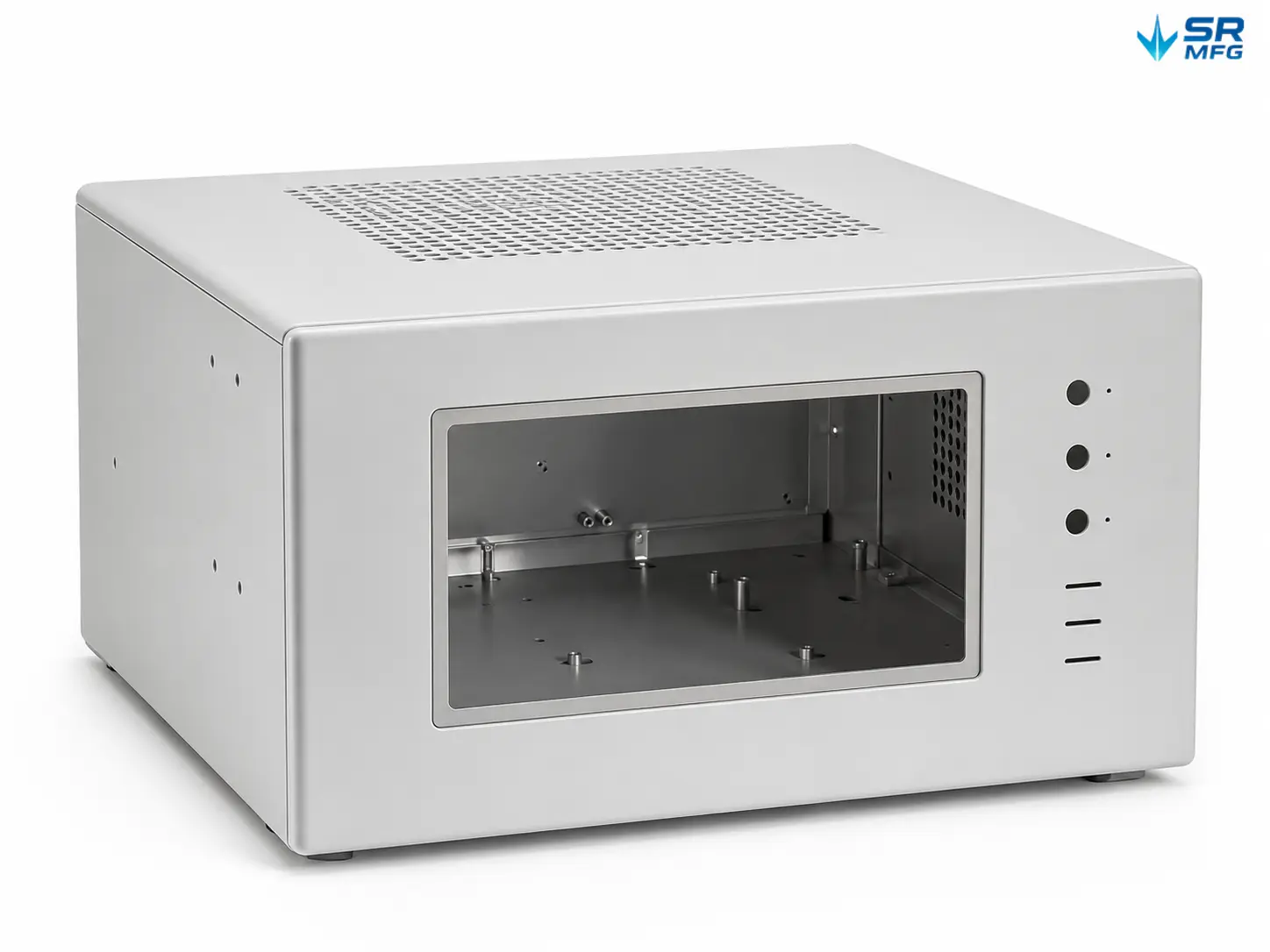
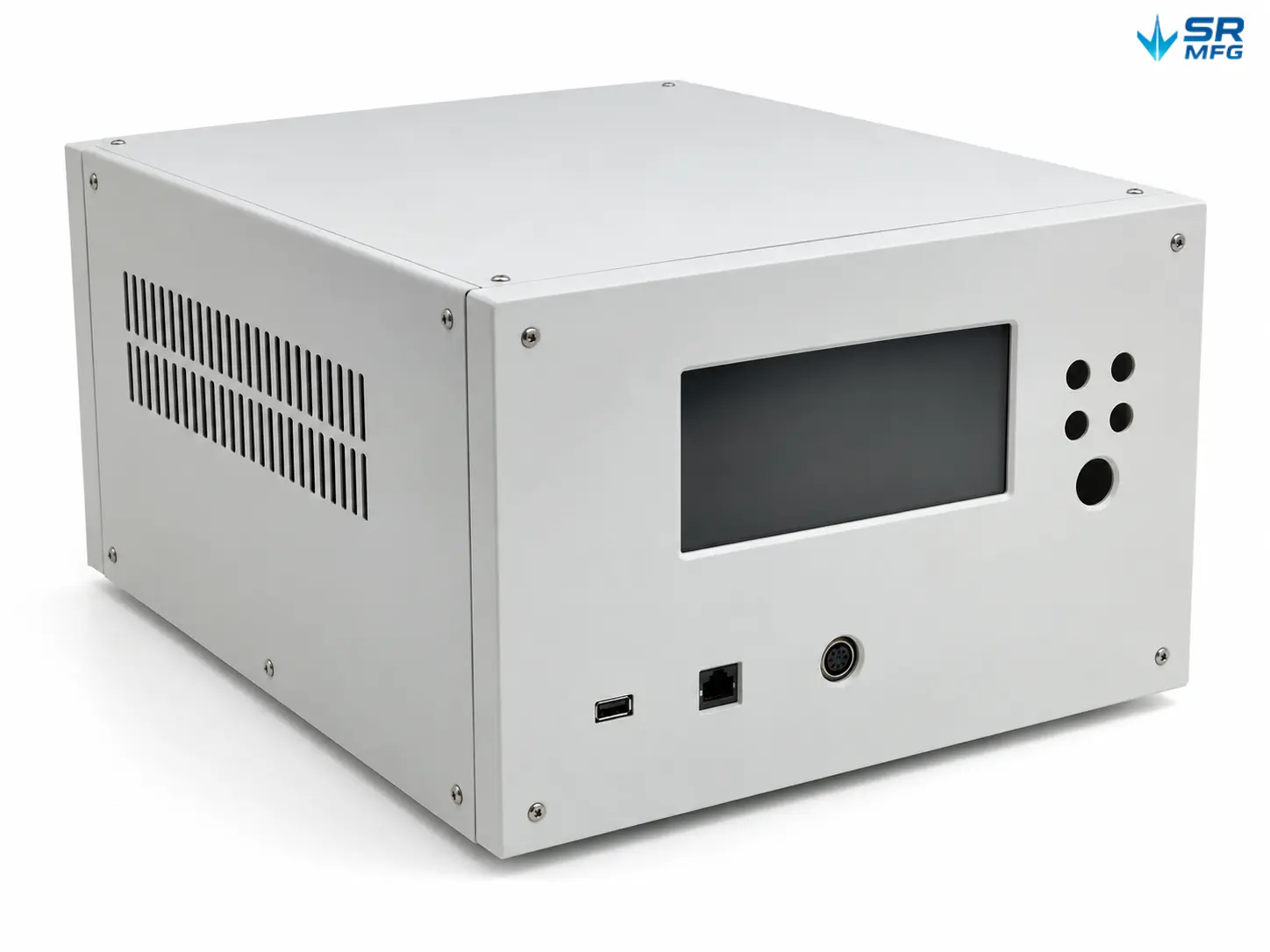
  • Gerätegehäuse & -abdeckungen
  • Interne Stützhalterungen
  • Display-Montagestrukturen
  • Metallteile für Lautsprecher & Audio
  • Kleine präzisionsgeformte Teile

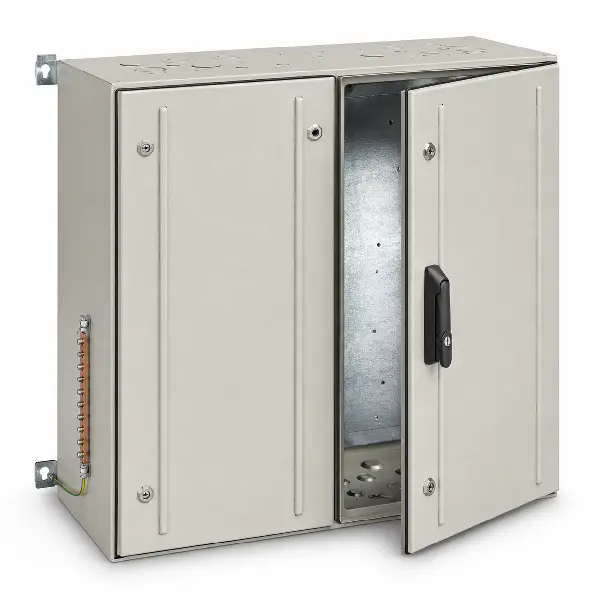
Elektrische Ausrüstung

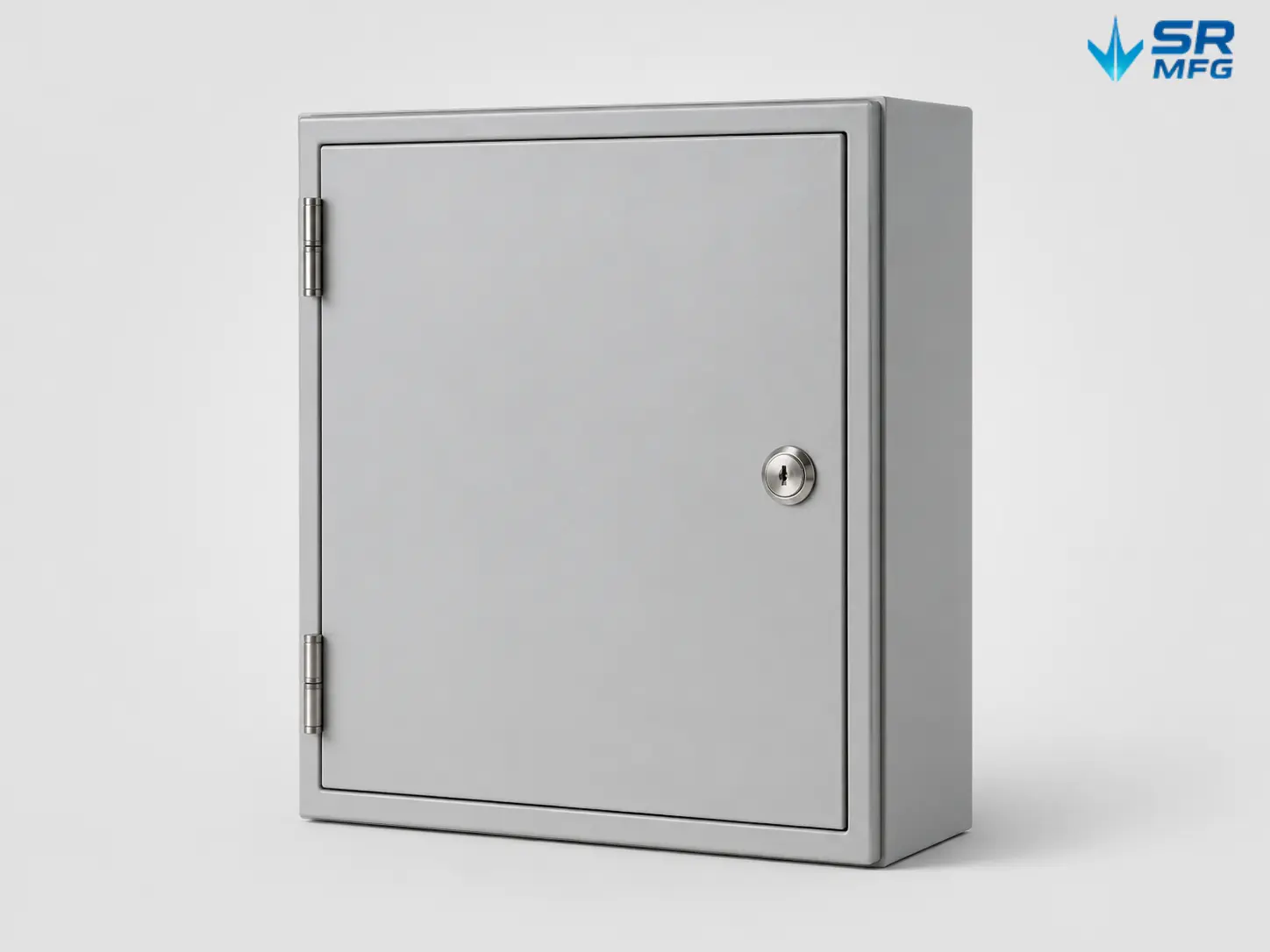
Electroplating for electrical enclosures, control cabinets, power distribution units, and industrial electrical components, offering superior conductivity, solderability, and corrosion resistance on contact surfaces and terminal parts.

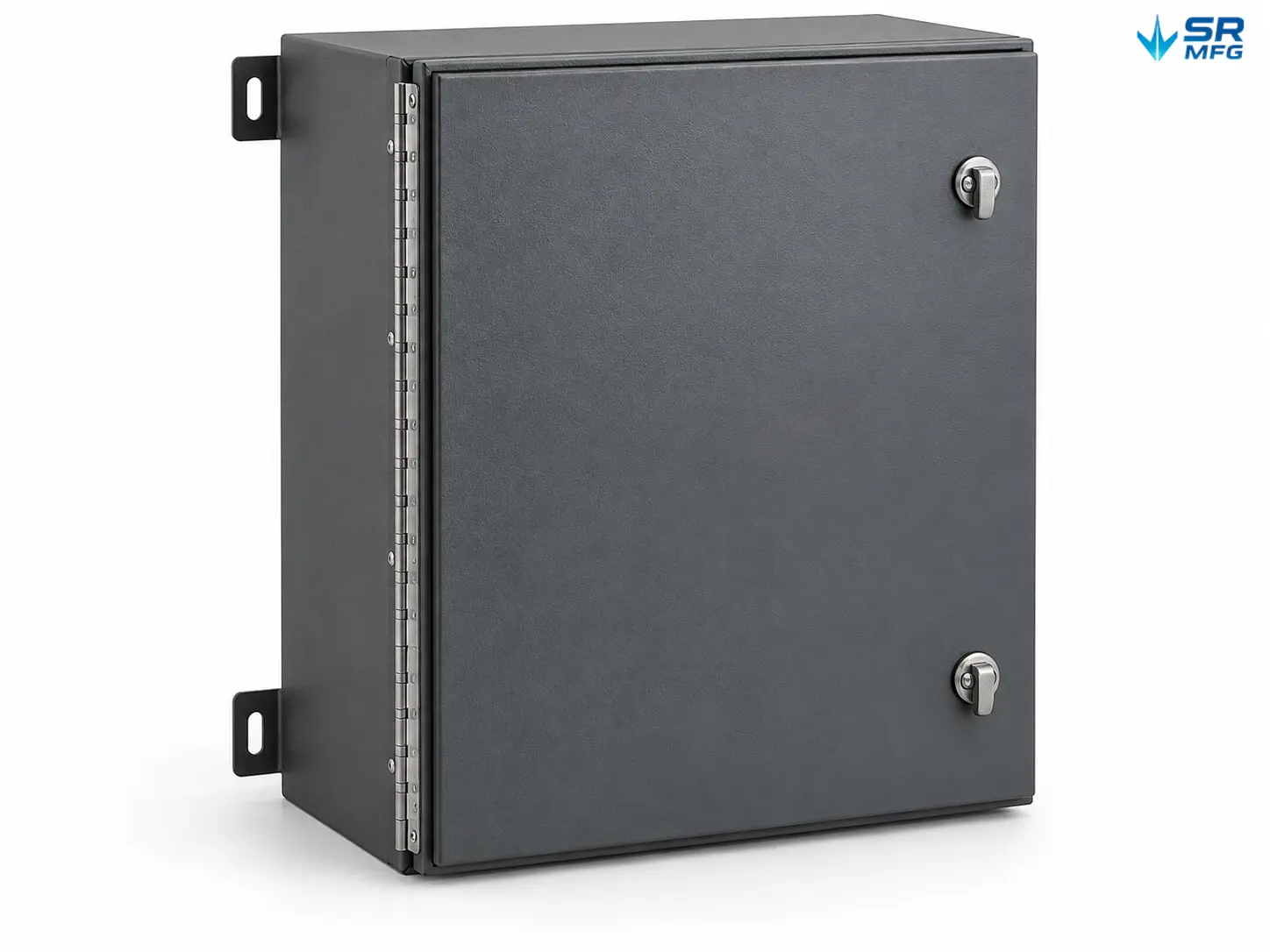
  • Elektroschrankgehäuse
  • Steuerboxpaneele
  • Klemmenmontageplatten
  • DIN-Schienenhalterungen
  • Lüftungs- und Zugangsplatten

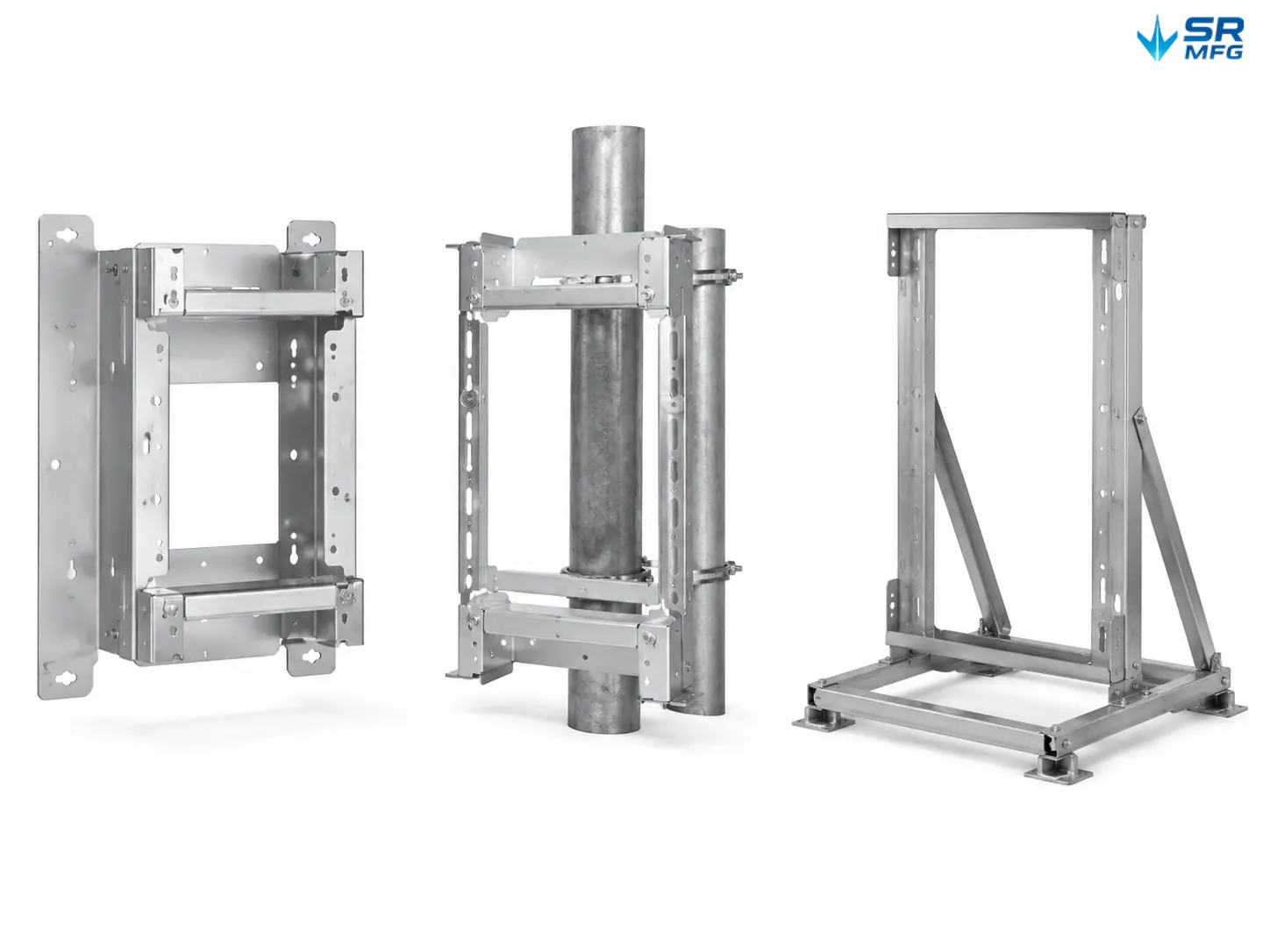
Industrielle Ausrüstung

Durable electroplated finishes for machinery, automation systems, production equipment, and precision assemblies, engineered to improve surface hardness, reduce friction, and extend part service life under demanding operating conditions.

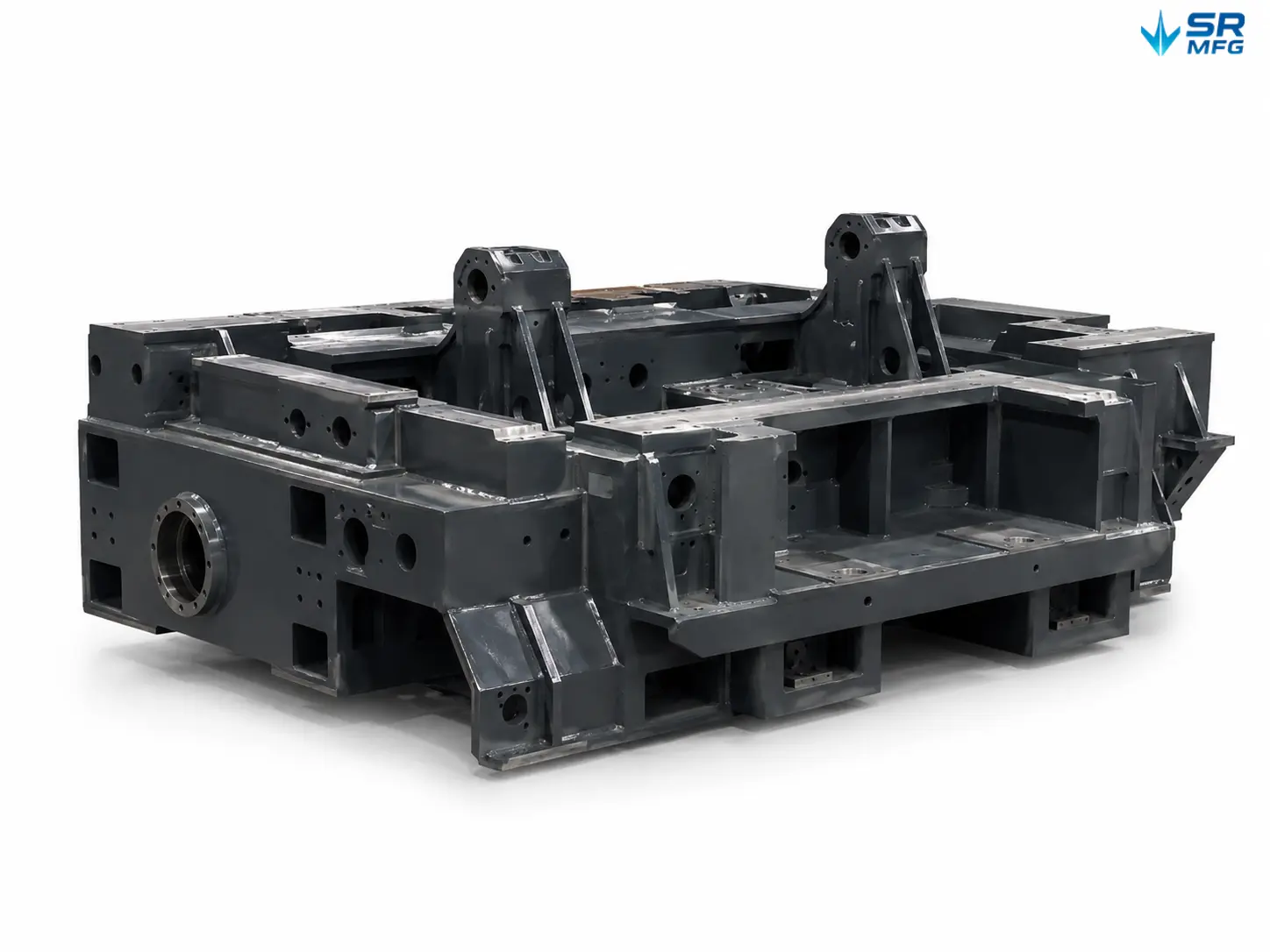
  • Maschinenabdeckungen & -schutzbleche
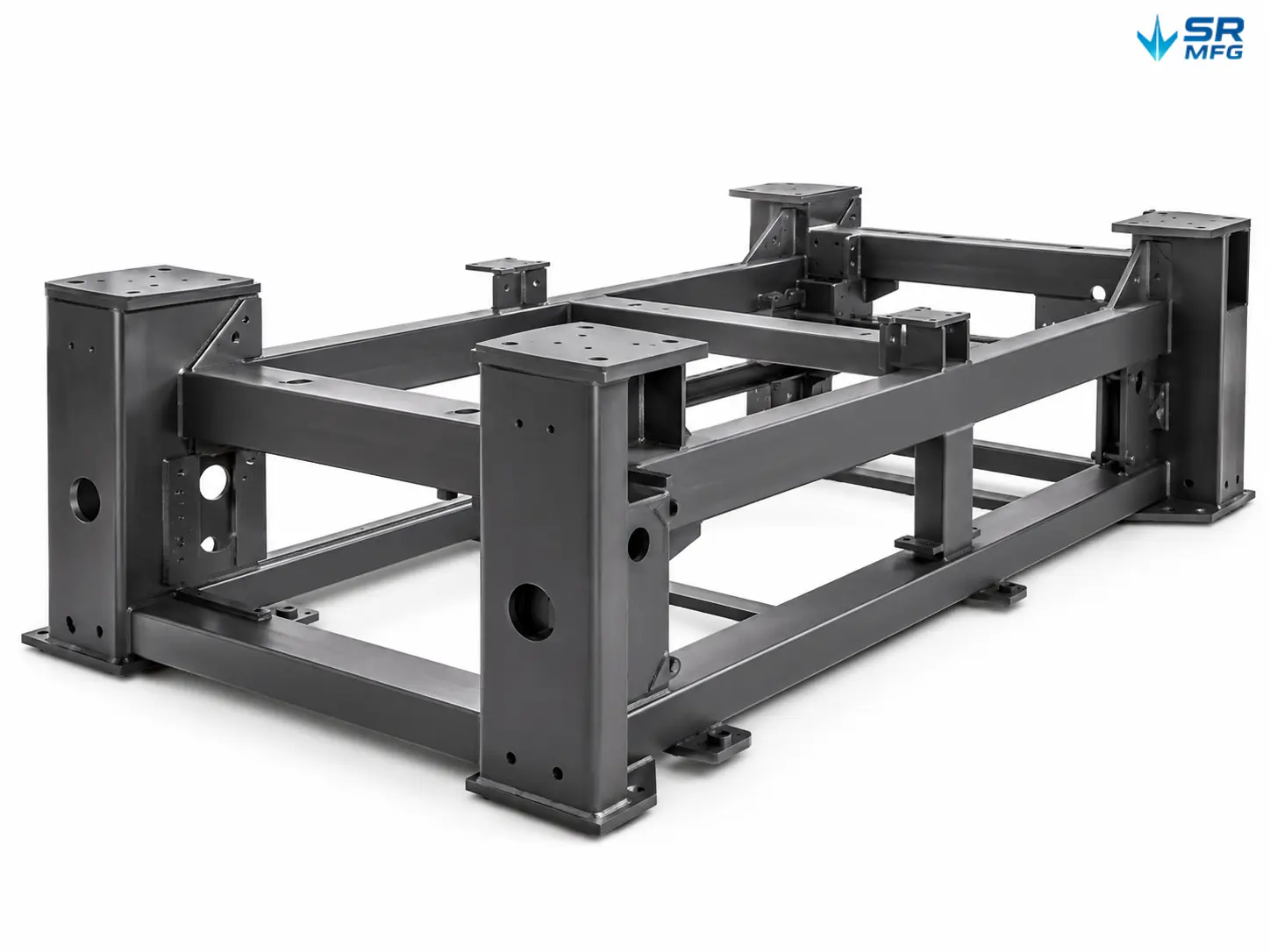
  • Ausrüstungsrahmen
  • Förderbandhalterungen
  • Sensormontageplatten
  • Schutzpaneele & -abschirmungen

Neue Energiesysteme

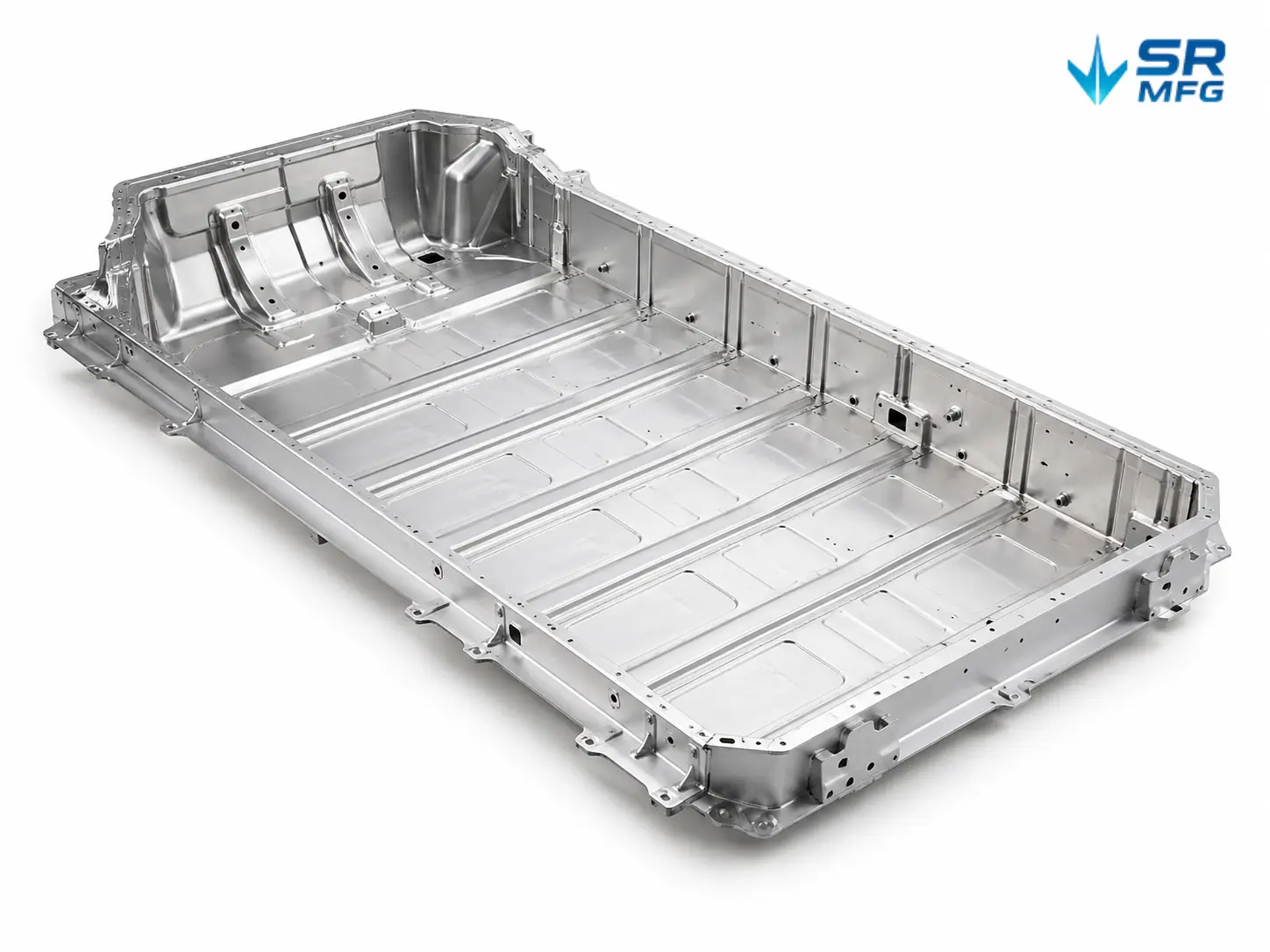
Electroplating solutions for EV charging equipment, battery systems, energy storage cabinets, and power conversion units, providing reliable conductivity, corrosion protection, and consistent contact performance on critical electrical components.

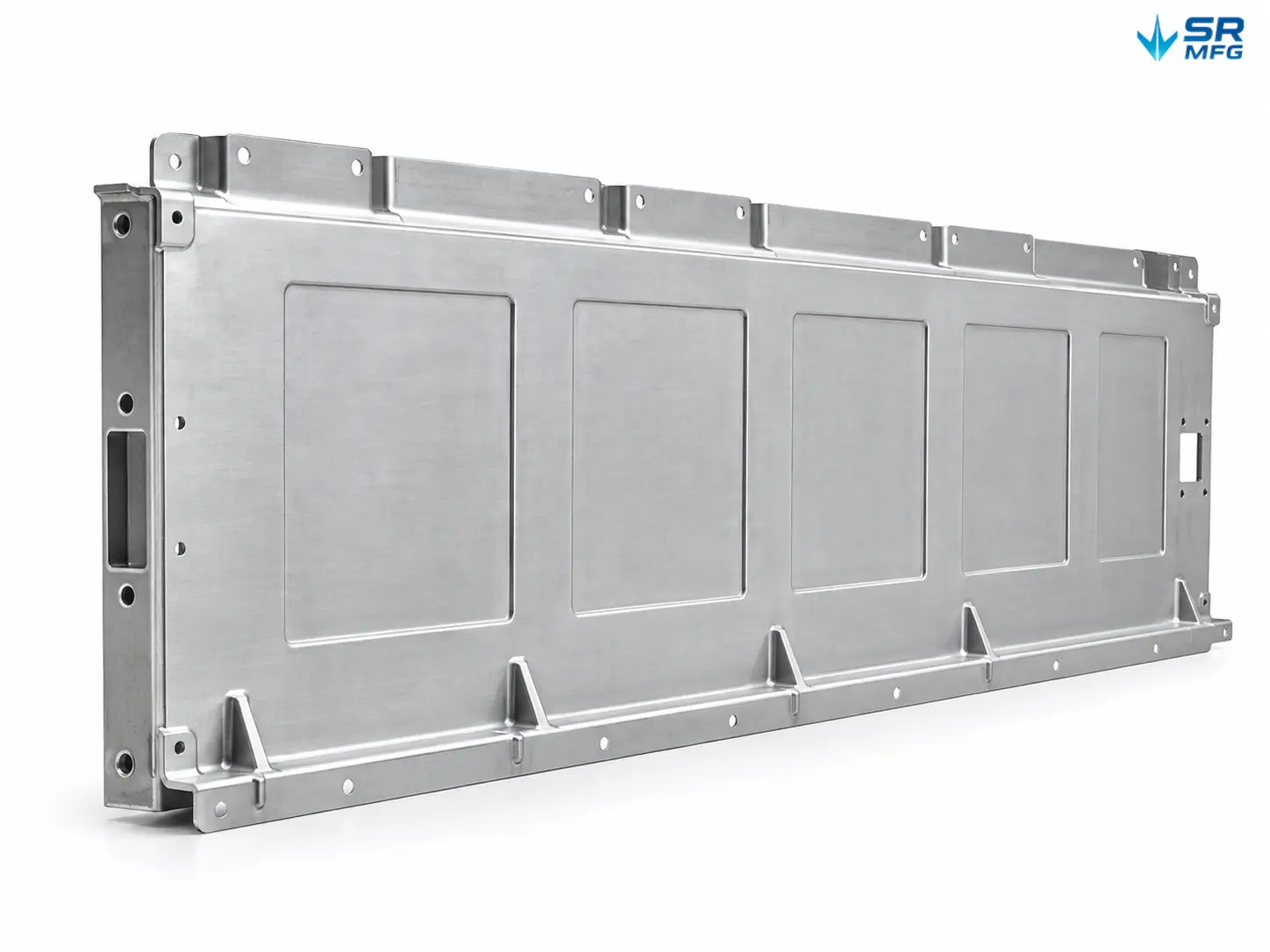
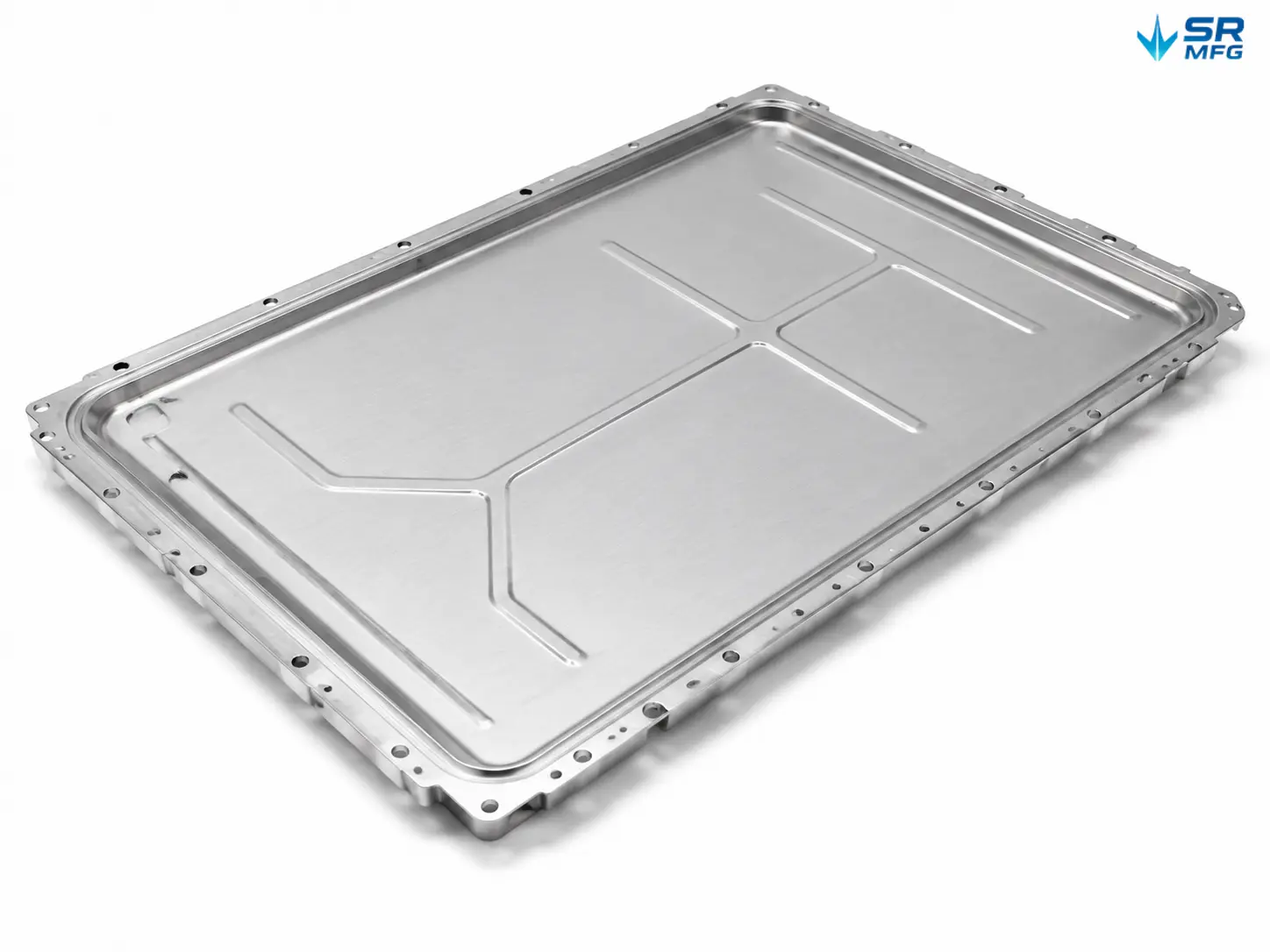
  • Batteriegehäuseteile
  • Ladestationsschränke
  • Energiespeicherschrankpaneele
  • Stromschienen-Stützhalterungen
  • Leistungsmodulgehäuse

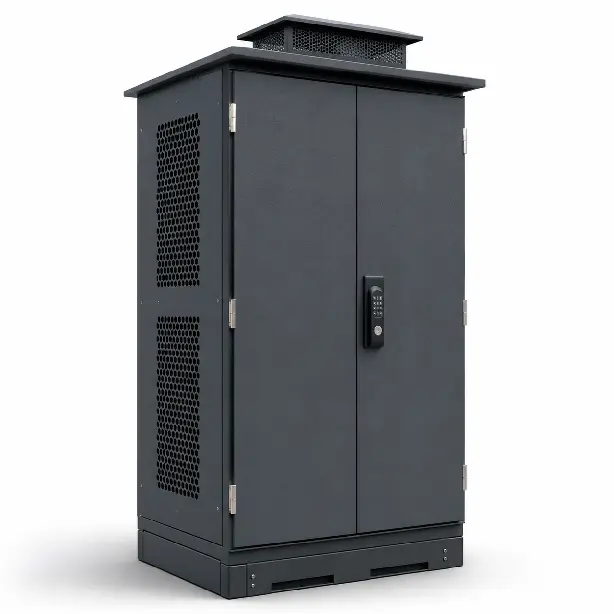
Außenausrüstung

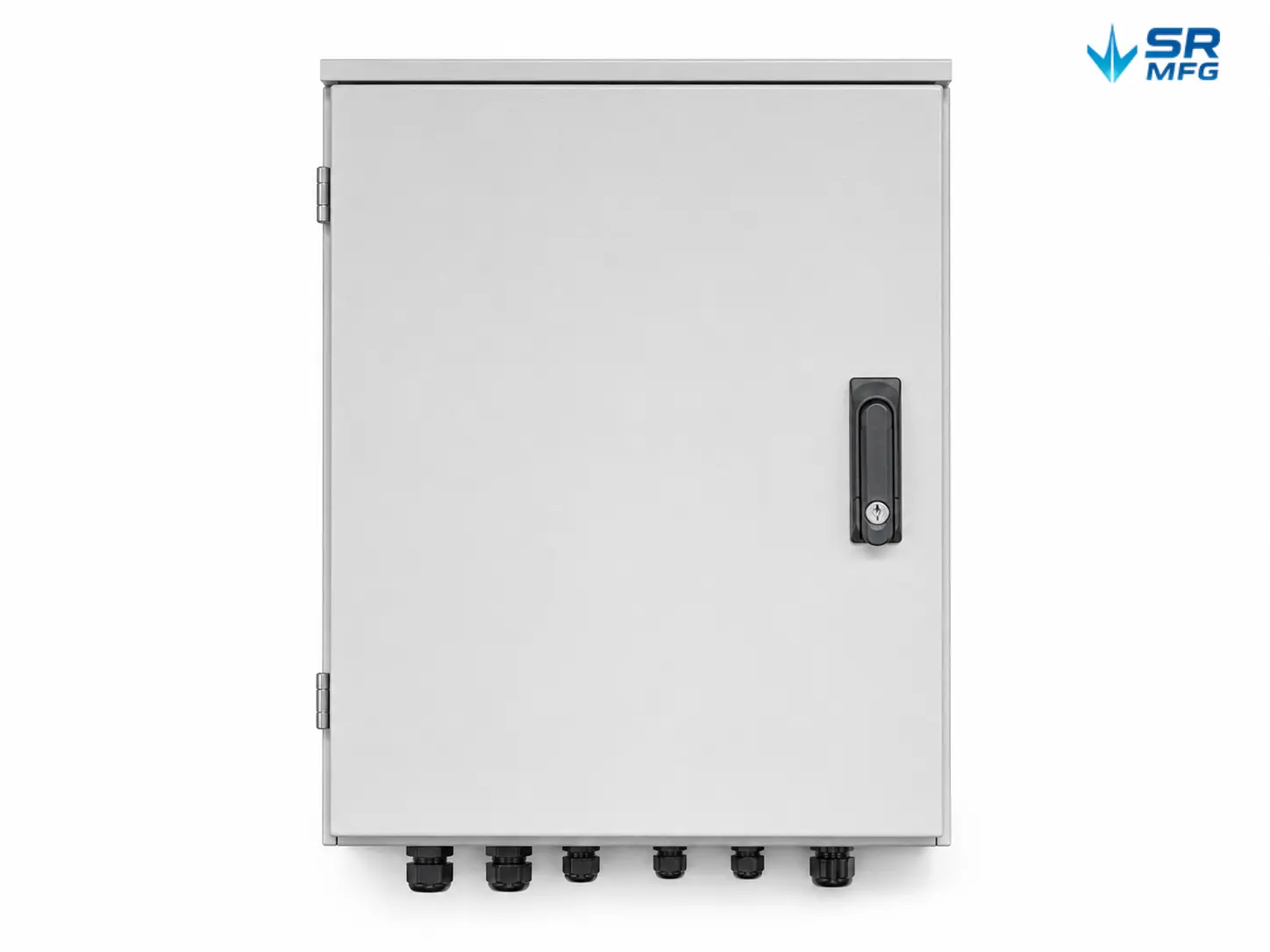
Weather-resistant electroplated finishes for outdoor enclosures, equipment covers, hardware, lighting systems, and structural fixtures, engineered for long-term corrosion protection and lasting decorative appearance in harsh outdoor environments.

  • Außenausrüstungsgehäuse
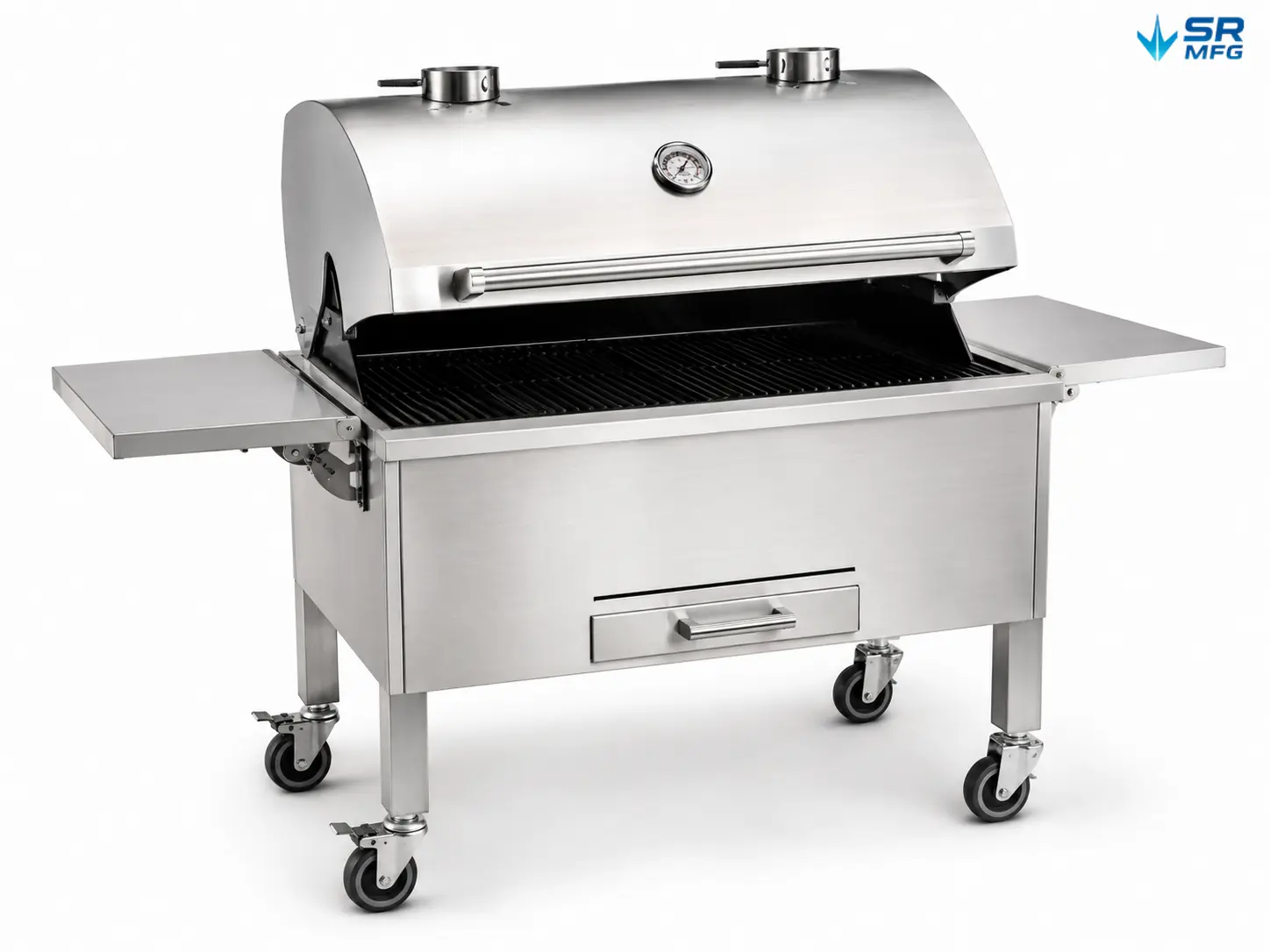
  • Grillblechkörper
  • Schutzabdeckungen & Paneele
  • Montagehalterungen
  • Witterungsbeständige Strukturteile

Für Ihre Anwendung entwickelt

Whether you need a single prototype or high-volume production, SR MFG manages plating quality, inspection, and delivery to help ensure consistent results across your plated metal parts.

SR MFG Plated Parts Showcase

Metal Plating FAQs​​​​​

Common systems we deliver include zinc/zinc-alloy plating (e.g., Zn-Ni) for corrosion protection, decorative nickel and nickel-chrome, und electroless nickel (EN) for functional performance—selected based on your corrosion, appearance, conductivity/contact, and wear targets.

For the clearest specification, we recommend writing it in this order:
Base material & heat-treat condition → Plating system / governing standard → Thickness (incl. critical surfaces) → Post-treatment (passivation/sealer/topcoat/lubricant) → Salt spray method & duration → Masking requirements → Required deliverables.
This structure minimizes interpretation risk and speeds up acceptance.

We plate to the thickness class defined in your drawing/specification, and during NPI we align on critical measurement locations and sampling frequency.

For production, thickness is typically verified using ISO 2178 non-destructive measurement (for non-magnetic coatings on magnetic substrates). For dispute resolution or validation, a cross-section microscopic method can be used for confirmation.

If your spec calls for ASTM B117, note that it mainly defines chamber conditions and operating method—it does not define what “pass” means or the required hours. The acceptance threshold must come from your drawing/spec or a mutually agreed inspection standard.

If your spec calls for ISO 9227, we can run NSS/AASS/CASS as required by the project. Reports typically include the test method and conditions, duration, acceptance criteria, photos, and conclusion.

For high-strength steel fasteners, we review hydrogen embrittlement risk during RFQ and define applicable process controls, de-embrittlement baking requirements, and traceability records. ISO 4042 may be referenced for electroplated steel fasteners when applicable. For other high-strength steel parts, requirements are reviewed according to the part specification and applicable standard.

If baking is required, we can provide time and temperature records linked to the production lot or batch.

Threads and tolerance-sensitive mating surfaces are typically managed via plugs/masking or by defining allowed plating zones to prevent buildup that could cause assembly interference.

For conductive contact surfaces/grounding points, we typically use localized masking or specify post-treatments that won’t compromise conductivity. We document rack contact points and masking scope clearly in a Masking Map / Racking Spec to make verification straightforward.

We first determine the root cause (thickness, appearance, adhesion, corrosion performance), then decide between localized rework oder strip-and-replate. Critical dimensions and cosmetic surfaces are re-measured and re-inspected after rework.

Re-plating can lead to thickness buildup, while stripping may affect the base surface condition. For Class A cosmetic parts, slight shifts in gloss or tone can occur—so we rely on approved samples and lot controls to minimize variation.

Metal Plating Technical Resources

Technische Zeichnung

Mai 2026|

A technical drawing is a standardized, dimensioned document used to communicate the exact geometry, material, tolerances, and manufacturing [...]

Nach oben