Partner mit Shuangrui, um die Fertigungskosten zu senken um 30% und die Effizienz zu steigern.

Blechbearbeitungs-Services2026-08-14T02:29:45+00:00

Oberflächenveredelungsdienste für Blechteile

SR MFG bietet integrierte Oberflächenveredelungsdienste für Blechteile, einschließlich Pulverbeschichtung, E-Coating, Eloxieren, Galvanisieren, Lackieren und Vorbehandlung. Wir helfen OEM-Kunden, stabile Optik, Korrosionsbeständigkeit, Montagekompatibilität und rückverfolgbare Veredelungsqualität für Überseeprojekte zu erreichen.
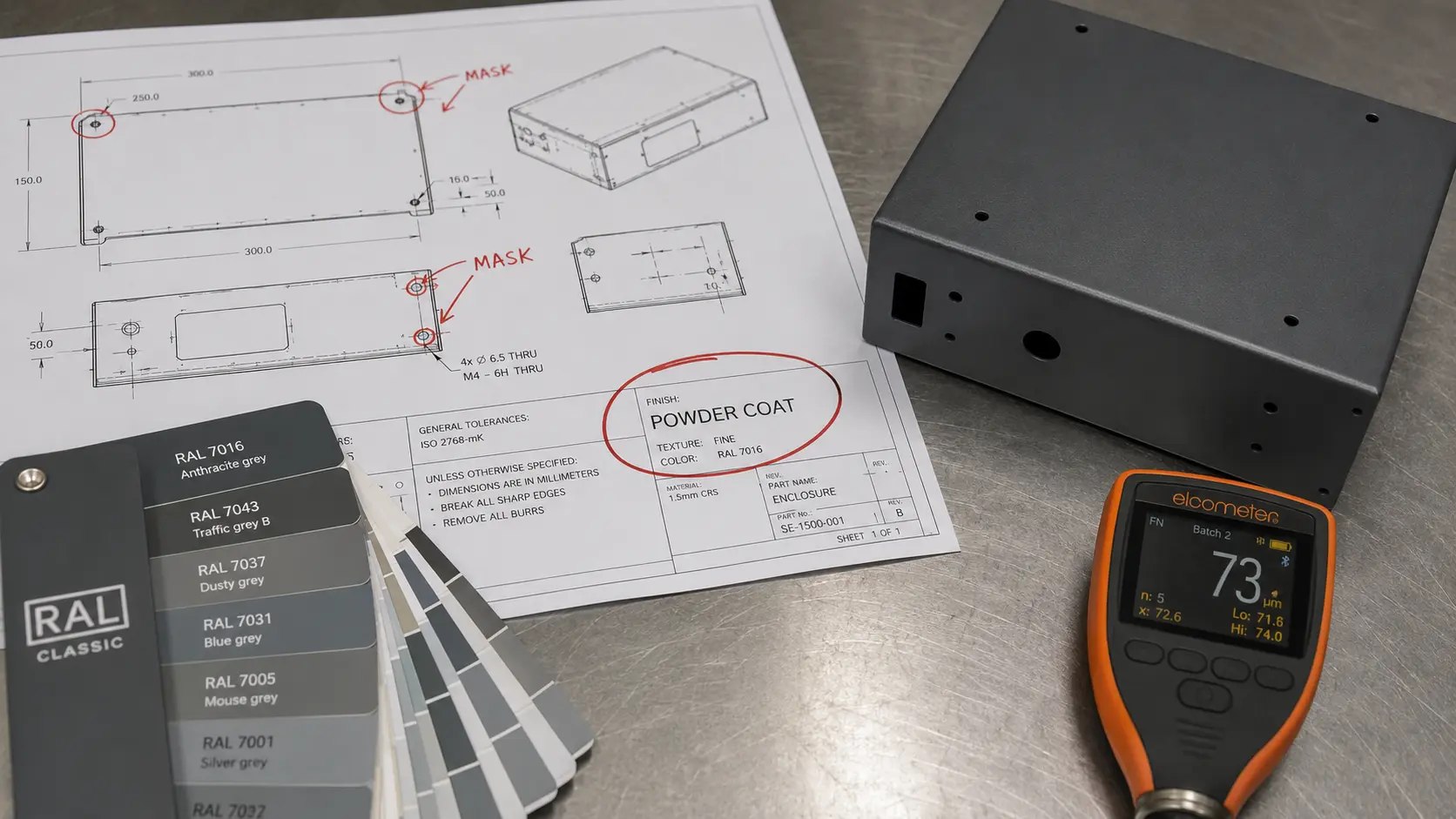
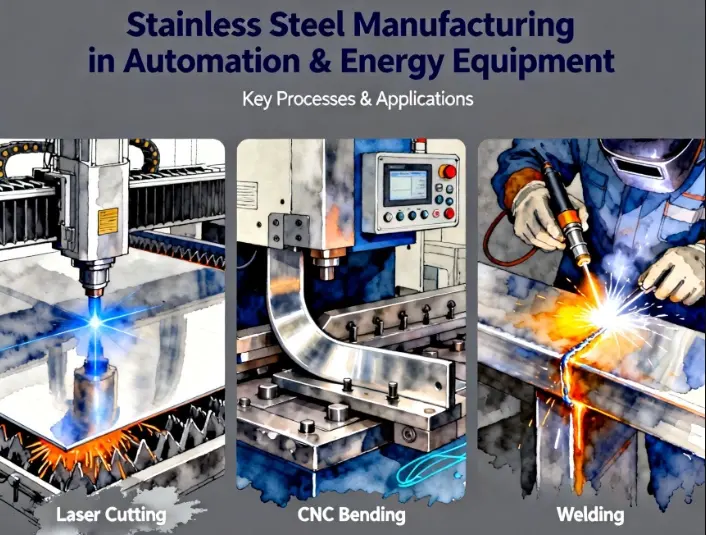
Von der Materialauswahl und Oberflächenvorbereitung bis hin zur Beschichtungsdickenkontrolle, Maskierung, Inspektion und Dokumentation wird unser Veredelungsprozess mit Schneiden, Biegen, Schweißen und Endmontage koordiniert, um Passungsprobleme und Lieferrisiken zu reduzieren.

Kontrollierte Beschichtungsdicke

Schichtaufbau und Maskierung werden rund um Montageflächen geplant.

Unterstützung bei Korrosionstests

Salzsprühtests können bei Bedarf arrangiert werden.

Inspektionsaufzeichnungen

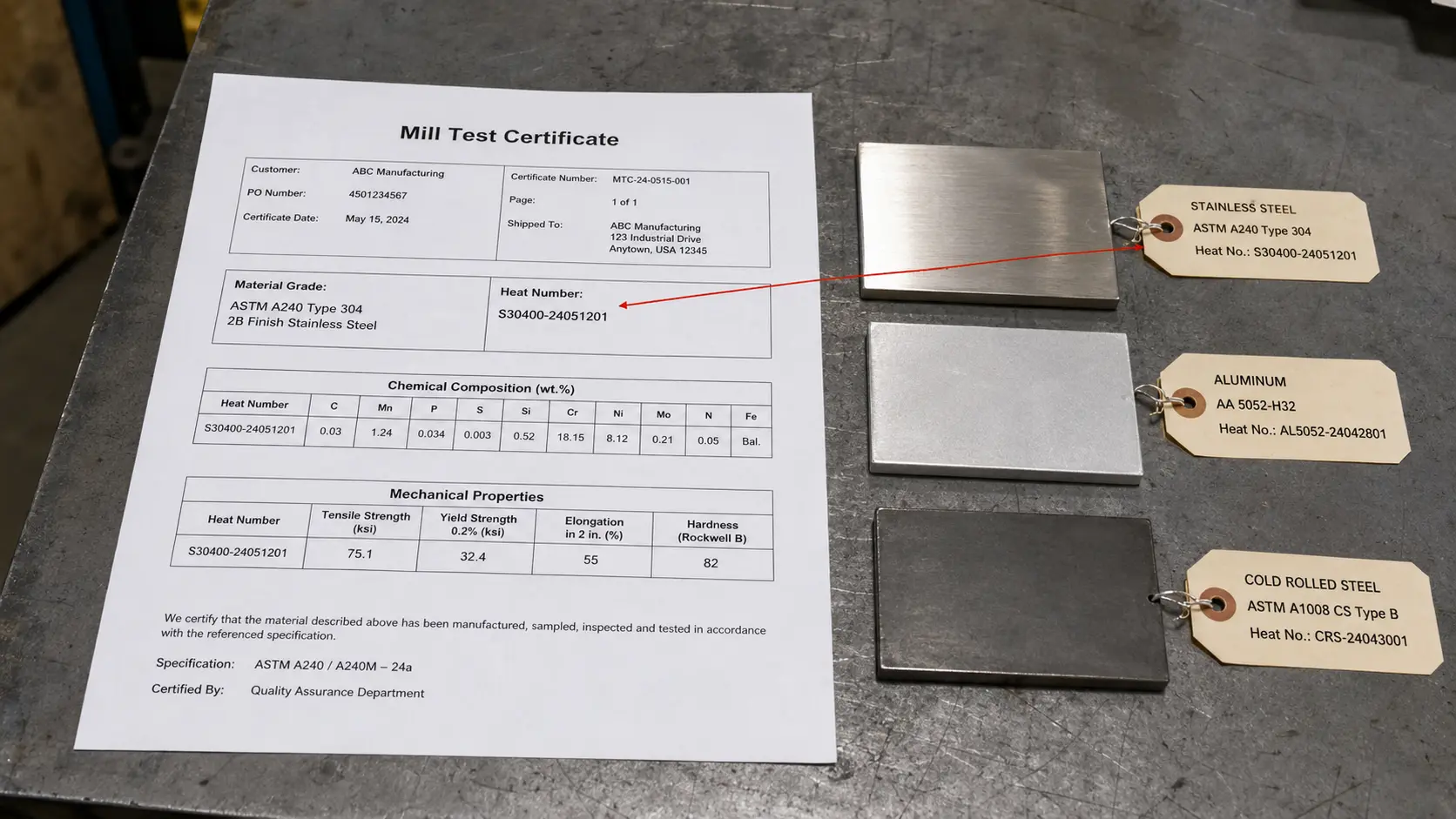
Veredelungsinspektion und Berichte unterstützen die Rückverfolgbarkeit.

Erhalten Sie ein individuelles Angebot in 24 Stunden

Laden Sie Ihre Zeichnungen für die technische Prüfung hoch.

Leeres Formular (#4)

Warum SR MFG für die Blechveredelung wählen?

Hochwertige, zuverlässige Lieferung

FAI + IPQC + OQC-Prüfablauf gewährleistet gleichbleibende Beschichtungsqualität. Berichte und Tests auf Anfrage erhältlich.

RAL / Pantone Farbabstimmung

Physische Muster zur Freigabe mit standardisierter Beleuchtung und Messverfahren. Ziel-ΔE-Toleranz wird pro Projekt definiert.

Eins-zu-eins Technische Unterstützung

Ingenieure empfehlen das richtige Beschichtungssystem und die richtige Vorbehandlung basierend auf Ihrer Umgebung, Ihren Zielen und Kostenanforderungen.

Ein-Stopp-Veredelungsoptionen

Pulverbeschichtung, Nasslackierung, Eloxieren, E-Coating, Bürsten, Passivierung und mehr. Ein Partner für Qualitäts- und Liefermanagement.
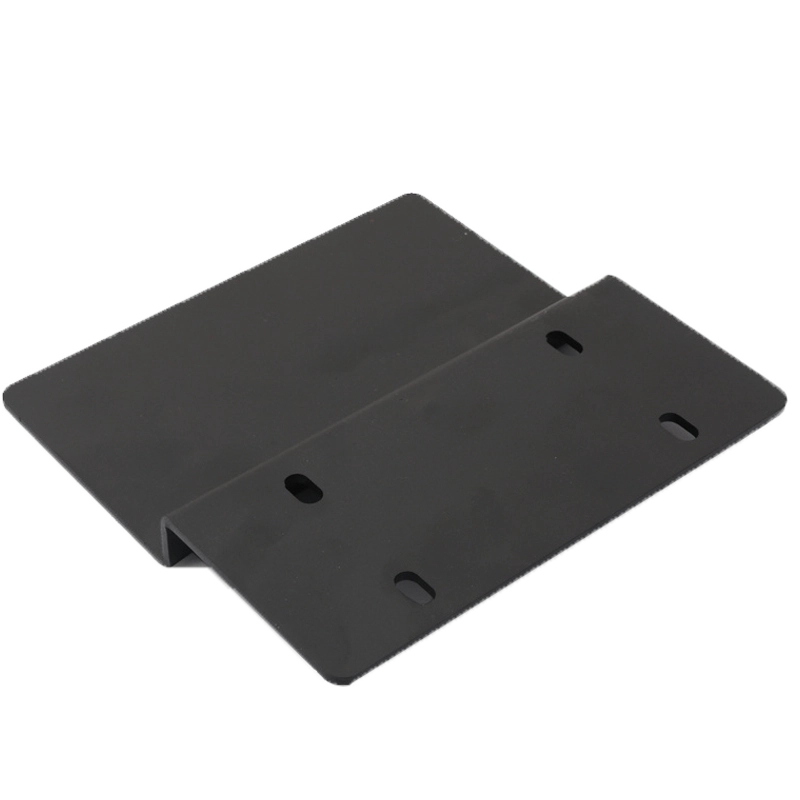
Metal stamped parts
Vergleich von Blechveredelungslieferanten +

Dieser Vergleich zeigt, wie SR MFG Blechveredelungsprojekte im Vergleich zu traditionellen kleinen Werkstätten und großen Auftragsfertigern unterstützt. Der Fokus liegt auf Qualitätskontrolle, Farbkonsistenz, Prozessabdeckung, Dokumentation, Lieferzuverlässigkeit und Projektpassung.

Vergleichsbereich SR MFG Traditionelle kleine Werkstatt Großer Auftragsfertiger
Qualitätskontrolle FAI + IPQC + OQC-Prüfablauf
Inspektionsaufzeichnungen und Berichte können pro Projekt bereitgestellt werden.
Prozesse und Aufzeichnungen können je nach Lieferant variieren
Mehr Abhängigkeit von Bedienererfahrung.
Starke Qualitätssysteme
Arbeitsabläufe können bei kleineren Projekten länger sein.
Farbabstimmung Unterstützt RAL / Pantone-Abgleich
Physische Farbmusterfreigabe und projektdefinierte ΔE-Ziele.
Farbkonsistenz hängt oft von der Erfahrung des Technikers ab
Charge-zu-Charge-Konsistenz kann instabil sein.
Starke Farbkontrollfähigkeit
Musterfreigabe dauert oft länger.
Prozessabdeckung Pulverbeschichtung als Kern
Nasslackierung, Eloxieren, Galvanisieren, E-Coating, Bürsten und Passivierung können über auditierte Partner koordiniert werden.
× Normalerweise auf 1–2 grundlegende Veredelungsprozesse beschränkt. Breite Prozessabdeckung
Oft mit MOQ- oder Produktkategorie-Einschränkungen.
Compliance & Dokumentation RoHS / REACH / Prop 65-Erklärungen und CoC nach Bedarf
Unterstützung durch Drittanbieter-Tests und Chargenrückverfolgbarkeit verfügbar.
Begrenzte Möglichkeit, vollständige Zertifizierungen oder Berichte bereitzustellen. Dokumentation ist normalerweise vollständig
Externe Freigabeprozesse können langsamer sein.
Lieferzeit-Zuverlässigkeit ERP-Verwaltung und Chargenrückverfolgbarkeit
Stabile Lieferung von Prototypen und Kleinserien bis zur Massenproduktion.
Lieferzeiten können je nach Personalbesetzung und Arbeitsauslastung schwanken. Grundsätzlich stabile Lieferzeiten
Kleine Aufträge können hinter Großserienprogrammen eingeplant werden.
Beste Eignung Mittel- bis High-End-Produkte, Exportaufträge, High-Mix-Produktion, optische Konsistenz und compliance-getriebene Projekte. Low-End-Projekte oder einfache Veredelungsarbeiten mit geringen Dokumentationsanforderungen. Ausgereifte Großserienprogramme mit höherem MOQ und strengen Prozess-Compliance-Anforderungen.
Nur zur Orientierung. Der richtige Veredelungslieferant hängt ab von Material, Oberflächenbeschaffenheit, Farbanforderung, Korrosionsziel, Dokumentationsbedarf, Auftragsvolumen und Liefertermin.

Unsere Oberflächenveredelungskapazitäten

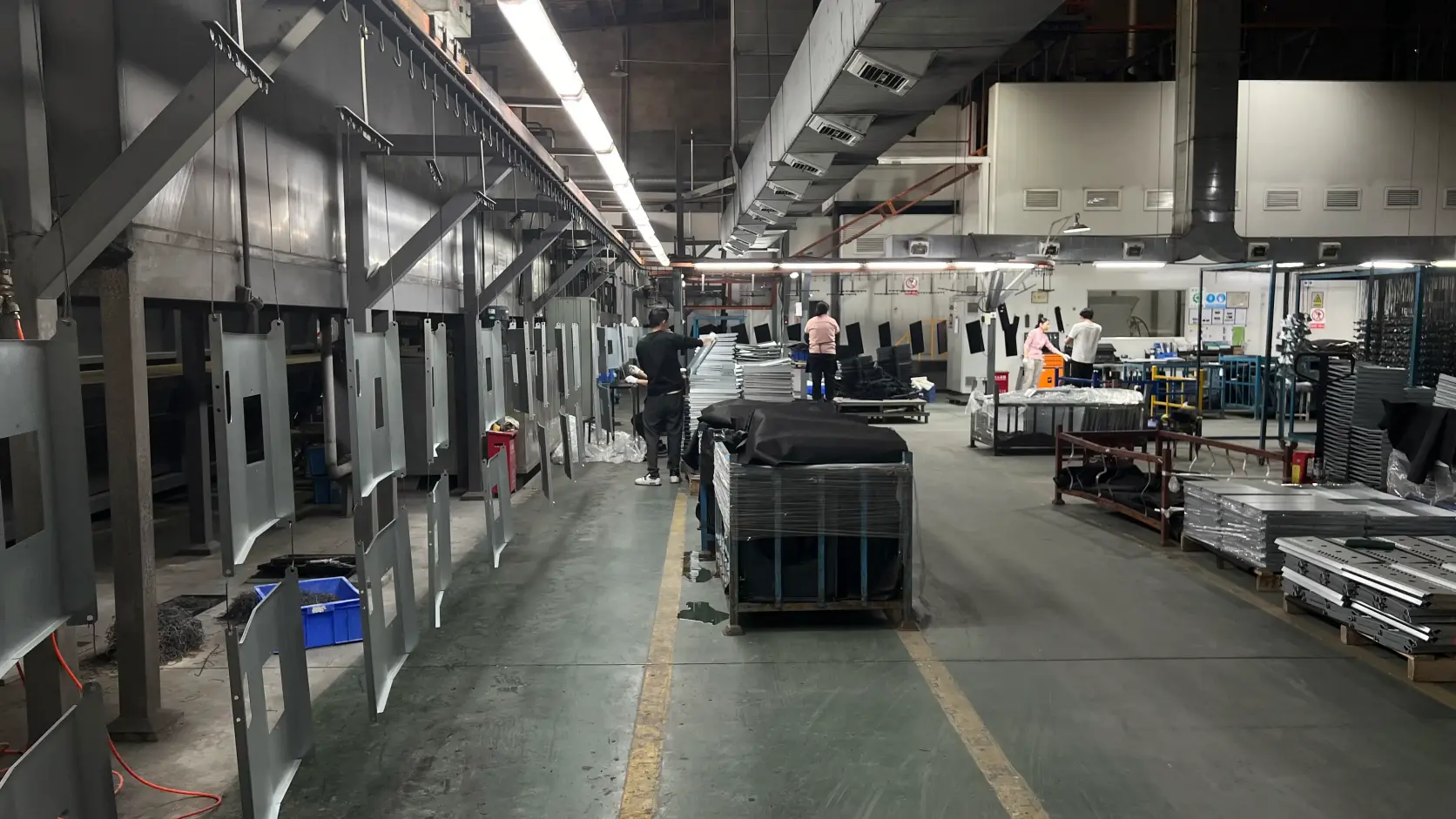
SR MFG betreibt eine automatisierte Pulverbeschichtungslinie mit einer Mehrpistolen-Anordnung (Gema-Spritzpistolen) und einem Kühl- + Trockenmittel-Lufttrocknungssystem, um eine stabile Druckluftqualität und gleichbleibende Ergebnisse zu gewährleisten. Wir überwachen und steuern kontinuierlich die wichtigsten Parameter, darunter Temperatur, Luftfeuchtigkeit, Luftstrom und Einbrennparameter, um eine hervorragende Beschichtungskonsistenz und Chargenstabilität zu erzielen.

Wir verifizieren die Qualität mit Schichtdicken- und Haftungsprüfungen nach Ihren Anforderungen und unterstützen bei Bedarf Salzsprühtests. Für Compliance und vollständige Rückverfolgbarkeit können wir Materialdeklarationen (RoHS/REACH) bereitstellen und Drittanbieter-Tests wie SGS koordinieren, um Ihr Export-Compliance-Risiko zu reduzieren.

Was das für Ihr Projekt bedeutet

Stabile Chargenoptik

Kontrollierte Luftzufuhr, Einbrennparameter und Beschichtungsprozess tragen dazu bei, Farbe, Glanz und Textur über Chargen hinweg konsistent zu halten.

Montagesichere Beschichtungskontrolle

Maskierung und Schichtdickenkontrolle tragen dazu bei, Passungsprobleme an Gewinden, Dichtflächen, Bohrungen und Kontaktbereichen zu reduzieren.

Reduzierung des Korrosionsrisikos

Vorbehandlung, Beschichtungsauswahl und optionale Salzsprühvalidierung tragen dazu bei, die Veredelung auf Innen-, Außen- oder Feuchtraumanwendungen abzustimmen.

Exportfähige Dokumentation

Prüfprotokolle, Materialdeklarationen, CoC und Unterstützung bei Drittanbieter-Tests vereinfachen die Übersee-Wareneingangsprüfung und Compliance-Bewertung.
Kernkapazitätsschätzungen Basierend auf 26 Arbeitstagen/Monat und 8 Stunden/Tag
+
Verarbeitungsszenario Linien Geschwindigkeit
(m/min)
Teiledichte Effektive Laufzeit
(Std./Tag)
Ausbeute Tagesleistung
(Stk.)
Monatliche Leistung
(Stk.)
Typische Anwendungen
Standard-Metallteile 2.0 2 Stk./m 7.2 96% 1,658 42,547 Kleine bis mittlere Metallteile mit L/B ≤ 600 mm
Große strukturelle Metallteile 1.0 1 Stk. pro 2 m 7.2 95% 207 5,386 Große strukturelle Metallteile mit L/B > 1200 mm
Metallteile mit komplexem Prozess 0.8 1 Stk./m 7.2 94% 325 8,441 High-End-Metallteile mit gekrümmten Oberflächen und/oder Mehrschicht-Beschichtungssystemen
i
Kapazitätsschätzungen dienen nur als Referenz. Die tatsächliche Leistung hängt ab von Teilegröße, Beschichtungssystem, Farbwechselhäufigkeit, Maskierungsanforderungen, Einbrennzeit, Inspektionsstandards und Verpackungsanforderungen.

OBERFLÄCHENVEREDELUNGSOPTIONEN

Oberflächenveredelungsverfahren, die wir unterstützen

Unterschiedliche Veredelungen erfordern unterschiedliche Materialien, Vorbehandlungen, Farbstandards, Schichtdicken, Korrosionsziele und Inspektionsanforderungen. SR MFG hilft bei der Prüfung Ihrer Zeichnungen und Veredelungsspezifikationen, um das richtige Verfahren zu empfehlen.

Surface Finish Tolerances (Coating Build-Up Guide)

We typically control powder coating thickness at 60–100 μm (typical 60 ± 10 μm). To balance assembly fit, corrosion protection, and cosmetic consistency, we recommend setting the target thickness by application:

Precision assemblies | Target: 40-60μm
Depending on edge coverage, geometry, and powder system, critical mating surfaces / grounding points can be masked.

Outdoor / heavy corrosion environments | Target: 80-120 μm
(Project-defined). Adhesion testing per GB/T 9286 / ISO 2409 / ASTM D3359 (target rating per spec).

Cosmetic parts:
Color and gloss are controlled to the approved sample; ΔE and gloss tolerance are defined per project.
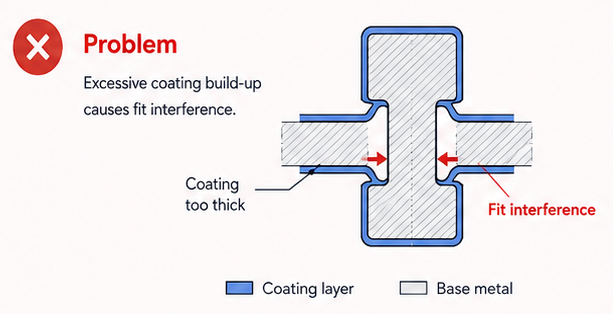
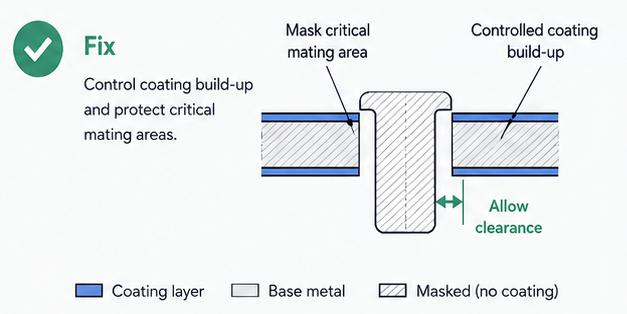
To ensure first-pass assembly success, please include in your RFQ:

  • 1

    Are drawing dimensions base metal or finished (after coating) dimensions?

  • 2

    CTQ features and mating / grounding areas (masking required or controlled build-up).

  • 3

    Use environment and target validation standard (indoor / outdoor / coastal / chemical exposure; salt spray requirement if applicable).

Project Delivery, Documentation & Packaging

SR MFG supports sheet metal finishing projects from sample approval to batch production, with delivery planning based on finish type, color approval, masking requirements, fixtures, inspection needs, and packaging standards. For export projects, we can also provide finishing-related records and documentation upon request to support receiving inspection, traceability, and compliance review.

Lead Time & MOQ

Scheduling depends on finish type, color approval, masking complexity, fixtures, and testing needs.

Documents Available
on Request

FAI reports, coating thickness records, inspection reports, declarations, CoC, traceability, and test reports.

Packaging & Shipping

PE bags, bubble wrap, cartons, edge protection, partitions, palletizing, barcode labels, and export markings.

Lead Time Reference +
Order Type Typical Volume Standard Lead Time* Expedited*
Sample / Prototype 1–3 pcs 24–48 Stunden bereitstellen Evaluated case-by-case
Small Batch ≤500 pcs 3–5 days Evaluated case-by-case
Produktion >500 pcs 5–7 Tage dauern By agreement
Special Finish / Special Validation +2–3 days Not always available
i
Lead time depends on sample approval, masking complexity, fixtures, coating system, color change, inspection requirements, and testing requirements.

Materials for Sheet Metal Finishing

Below are the common sheet/plate materials SR MFG supports for fabrication and finishing. If your grade is not listed, send the spec—we can evaluate and recommend a suitable finishing route.

Materials We Commonly Finish

Common materials for surface finishing include carbon steel, galvanized steel, aluminum alloys, and stainless steels. For best results, material type, surface condition, coating requirements, and application environment should be reviewed together before production.

  • Kohlenstoffstahl

  • Verzinkter Stahl

  • Aluminiumlegierungen

  • Edelstähle

  • Speziell beschichtete Stähle

Kohlenstoffstahl

Gängige Güten: SPCC / DC01 / ASTM A1008
Thickness (mm): 0.25–3.2 mm
Typical thickness: 0.8 / 1.0 / 1.2 / 1.5 / 2.0 / 3.0 mm
Recommended Finishes: Powder coating, baking paint, electrophoresis, electroless nickel, trivalent zinc plating, black oxide
Notes (Key Considerations): Bare cold rolled steel has poor corrosion resistance and usually requires surface protection; cleaning, degreasing, and rust prevention should be controlled before finishing.

Materialdetails anzeigen →

Gängige Güten: Q235B / SS400 / ASTM A36 / S235JR
Thickness (mm): 1.5–10.0 mm
Typical thickness: 2.0 / 3.0 / 4.0 / 5.0 / 6.0 / 8.0 / 10.0 mm
Recommended Finishes: Powder coating, painting, zinc-rich primer, hot-dip galvanizing, black oxide
Notes (Key Considerations): Hot rolled steel may have mill scale and rougher surface texture; pickling, blasting, or surface grinding may be required before painting or coating.

Gängige Güten: SPHC-P / DD11 / ASTM A1011 P&O
Thickness (mm): 1.0–6.0 mm
Typical thickness: 1.5 / 2.0 / 2.5 / 3.0 / 4.0 / 5.0 / 6.0 mm
Recommended Finishes: Powder coating, painting, electrophoresis, zinc plating, black oxide
Notes (Key Considerations): Better surface condition than ordinary hot rolled steel; oil film must be removed before coating, plating, or welding-related surface finishing.

Gängige Güten: Q355 / S355 / ASTM A572
Thickness (mm): 2.0–12.0 mm
Typical thickness: 3.0 / 4.0 / 5.0 / 6.0 / 8.0 / 10.0 / 12.0 mm
Recommended Finishes: Powder coating, painting, zinc-rich primer, hot-dip galvanizing
Notes (Key Considerations): Surface treatment is usually required for corrosion protection; for structural parts, coating thickness, edge coverage, and weld area protection should be reviewed carefully.

Verzinkte Materialien

Gängige Güten: SGCC / DX51D+Z / ASTM A653
Thickness (mm): 0.4–3.2 mm
Typical thickness: 0.8 / 1.0 / 1.2 / 1.5 / 2.0 / 2.5 / 3.0 mm
Recommended Finishes: Passivation, powder coating, painting, protective coating repair
Notes (Key Considerations): Zinc coating already provides corrosion protection; if additional painting or powder coating is required, surface pretreatment and adhesion must be controlled.

 Materialdetails anzeigen →

Gängige Güten: SECC / DX51D+ZE
Thickness (mm): 0.4–3.0 mm
Typical thickness: 0.8 / 1.0 / 1.2 / 1.5 / 2.0 / 2.5 / 3.0 mm
Recommended Finishes: Powder coating, baking paint, electrophoresis, passivation
Notes (Key Considerations): Uniform zinc coating provides good appearance and paintability; commonly used for cabinets, enclosures, and indoor sheet metal parts.

Materialdetails anzeigen →

Gängige Güten: DX51D+ZF / ASTM A653 A40 / A60
Thickness (mm): 0.6–3.0 mm
Typical thickness: 0.8 / 1.0 / 1.2 / 1.5 / 2.0 / 2.5 / 3.0 mm
Recommended Finishes: Powder coating, painting, electrophoresis
Notes (Key Considerations): Good paint adhesion and weldability; suitable for parts that require both forming/welding and stable downstream coating performance.

Common Grades: DX51D+AZ / ASTM A792
Thickness (mm): 0.5–3.0 mm
Typical thickness: 0.8 / 1.0 / 1.2 / 1.5 / 2.0 / 2.5 / 3.0 mm
Recommended Finishes: Passivation, painting, powder coating, protective coating repair
Notes (Key Considerations): Aluminum-zinc coating provides good atmospheric corrosion resistance; cut edges, punched holes, and welded areas may require additional protection.

Aluminiumlegierungen

Common Grades: 5052-H32 / 5052-H34
Thickness (mm): 0.5–6.0 mm
Typical thickness: 1.0 / 1.2 / 1.5 / 2.0 / 2.5 / 3.0 / 4.0 / 5.0 / 6.0 mm
Recommended Finishes: Anodizing, powder coating, brushing, polishing, sandblasting, chemical conversion coating
Notes (Key Considerations): Good corrosion resistance and good surface finishing compatibility; suitable for enclosures, panels, marine-related parts, and outdoor aluminum components.

 Materialdetails anzeigen →

Common Grades: 6061-T6 / 6061-T651
Thickness (mm): 1.0–10.0 mm
Typical thickness: 2.0 / 3.0 / 4.0 / 5.0 / 6.0 / 8.0 / 10.0 mm
Recommended Finishes: Anodizing, hard anodizing, powder coating, sandblasting, brushing, polishing, chemical conversion coating
Notes (Key Considerations): Good for structural aluminum parts and machined sheet metal components; anodized color may vary between batches and between sheet and machined surfaces.

 Materialdetails anzeigen →

Common Grades: 3003-H14 / 3003-H24
Thickness (mm): 0.5–4.0 mm
Typical thickness: 0.8 / 1.0 / 1.2 / 1.5 / 2.0 / 2.5 / 3.0 / 4.0 mm
Recommended Finishes: Anodizing, powder coating, painting, brushing, polishing
Notes (Key Considerations): Easy to form and suitable for light-duty aluminum sheet metal parts; surface scratches and handling marks should be controlled before decorative finishing.

Materialdetails anzeigen →

Common Grades: 5754-H22 / 5754-H111
Thickness (mm): 0.8–6.0 mm
Typical thickness: 1.0 / 1.2 / 1.5 / 2.0 / 2.5 / 3.0 / 4.0 / 5.0 / 6.0 mm
Recommended Finishes: Anodizing, powder coating, painting, brushing, sandblasting
Notes (Key Considerations): Good corrosion resistance and forming performance; suitable for transportation, outdoor covers, panels, and marine-related components.

Common Grades: 1060-H24 / 1100-H14
Thickness (mm): 0.3–3.0 mm
Typical thickness: 0.5 / 0.8 / 1.0 / 1.2 / 1.5 / 2.0 / 2.5 / 3.0 mm
Recommended Finishes: Anodizing, polishing, brushing, powder coating, chemical conversion coating
Notes (Key Considerations): Excellent formability and good surface treatment compatibility, but relatively low strength; suitable for decorative, electrical, and non-structural parts.

Materialdetails anzeigen →

Edelstähle

Common Grades: 304 / 304L
Thickness (mm): 0.4–6.0 mm
Typical thickness: 0.8 / 1.0 / 1.2 / 1.5 / 2.0 / 2.5 / 3.0 / 4.0 / 5.0 / 6.0 mm
Recommended Finishes: Brushing, polishing, mirror polishing, passivation, bead blasting, electropolishing
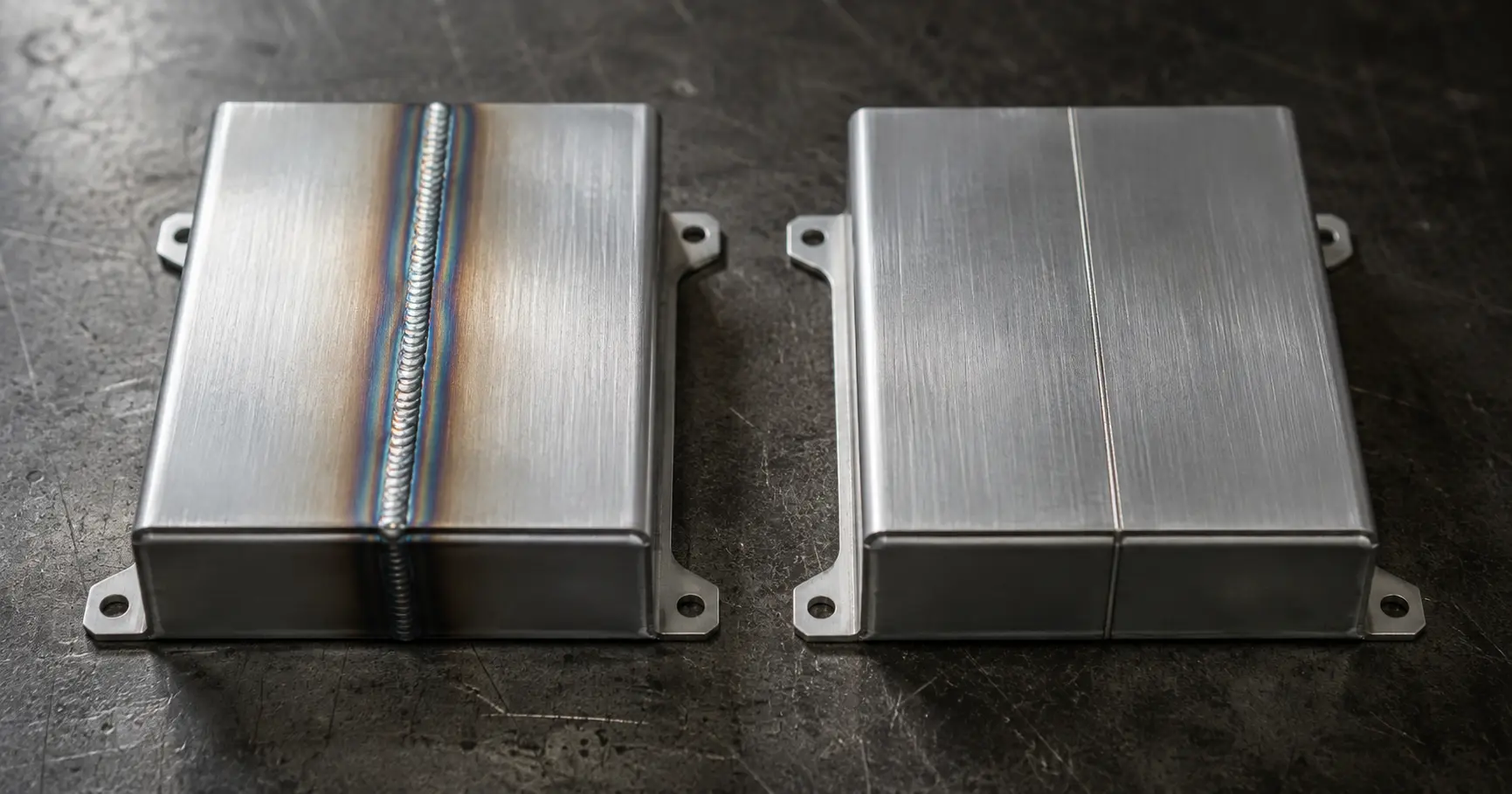
Notes (Key Considerations): Good corrosion resistance and excellent decorative finishing compatibility; surface scratches, welding discoloration, and fingerprint marks should be controlled.

Materialdetails anzeigen →

Common Grades: 316 / 316L
Thickness (mm): 0.4–6.0 mm
Typical thickness: 0.8 / 1.0 / 1.2 / 1.5 / 2.0 / 2.5 / 3.0 / 4.0 / 5.0 / 6.0 mm
Recommended Finishes: Brushing, polishing, passivation, bead blasting, electropolishing
Notes (Key Considerations): Better corrosion resistance than 304, especially in chloride or outdoor environments; suitable for marine, chemical, medical, and high-corrosion applications.

Materialdetails anzeigen →

Common Grades: 201 / 201J1 / 201J2
Thickness (mm): 0.4–5.0 mm
Typical thickness: 0.8 / 1.0 / 1.2 / 1.5 / 2.0 / 2.5 / 3.0 / 4.0 / 5.0 mm
Recommended Finishes: Brushing, polishing, mirror polishing, bead blasting, passivation
Notes (Key Considerations): Lower-cost stainless option for decorative or indoor applications; corrosion resistance is lower than 304 and should not be used for harsh environments.

Materialdetails anzeigen →

Common Grades: 430 / 430BA
Thickness (mm): 0.4–3.0 mm
Typical thickness: 0.6 / 0.8 / 1.0 / 1.2 / 1.5 / 2.0 / 2.5 / 3.0 mm
Recommended Finishes: Brushing, polishing, mirror polishing, bead blasting
Notes (Key Considerations): Suitable for decorative panels, appliance parts, and indoor covers; lower corrosion resistance and formability than 304.

 Materialdetails anzeigen →

Common Grades: 321 / 321H
Thickness (mm): 0.8–6.0 mm
Typical thickness: 1.0 / 1.2 / 1.5 / 2.0 / 2.5 / 3.0 / 4.0 / 5.0 / 6.0 mm
Recommended Finishes: Brushing, polishing, passivation, bead blasting
Notes (Key Considerations): Suitable for high-temperature or welded stainless parts; finishing requirements should consider heat tint removal, passivation, and weld area cleaning.

Common Grades: 2205 / UNS S32205 / UNS S31803
Thickness (mm): 1.0–8.0 mm
Typical thickness: 1.5 / 2.0 / 3.0 / 4.0 / 5.0 / 6.0 / 8.0 mm
Recommended Finishes: Passivation, bead blasting, polishing, pickling
Notes (Key Considerations): Excellent corrosion resistance for marine and chemical environments; surface treatment should focus on weld cleaning, passivation, and maintaining corrosion performance.

Hinweis: Recommended surface finishing methods and coating specifications depend on material type, surface condition, part geometry, application environment, and end-use requirements. Please share drawings and technical specifications for engineering review before production.

Are you ready to get started on your metal fabrication project?

Not sure which material is ideal for your project? Feel free to contact us. Our engineering team will recommend suitable material grades and sheet thicknesses based on strength, weight, corrosion resistance, and overall cost.

Industries & Surface Finishing Applications

SR MFG provides surface finishing services for OEM metal parts used in industrial equipment, cabinets, brackets, frames, enclosures, and structural assemblies. We support both prototype finishing and high-volume production across multiple application sectors.
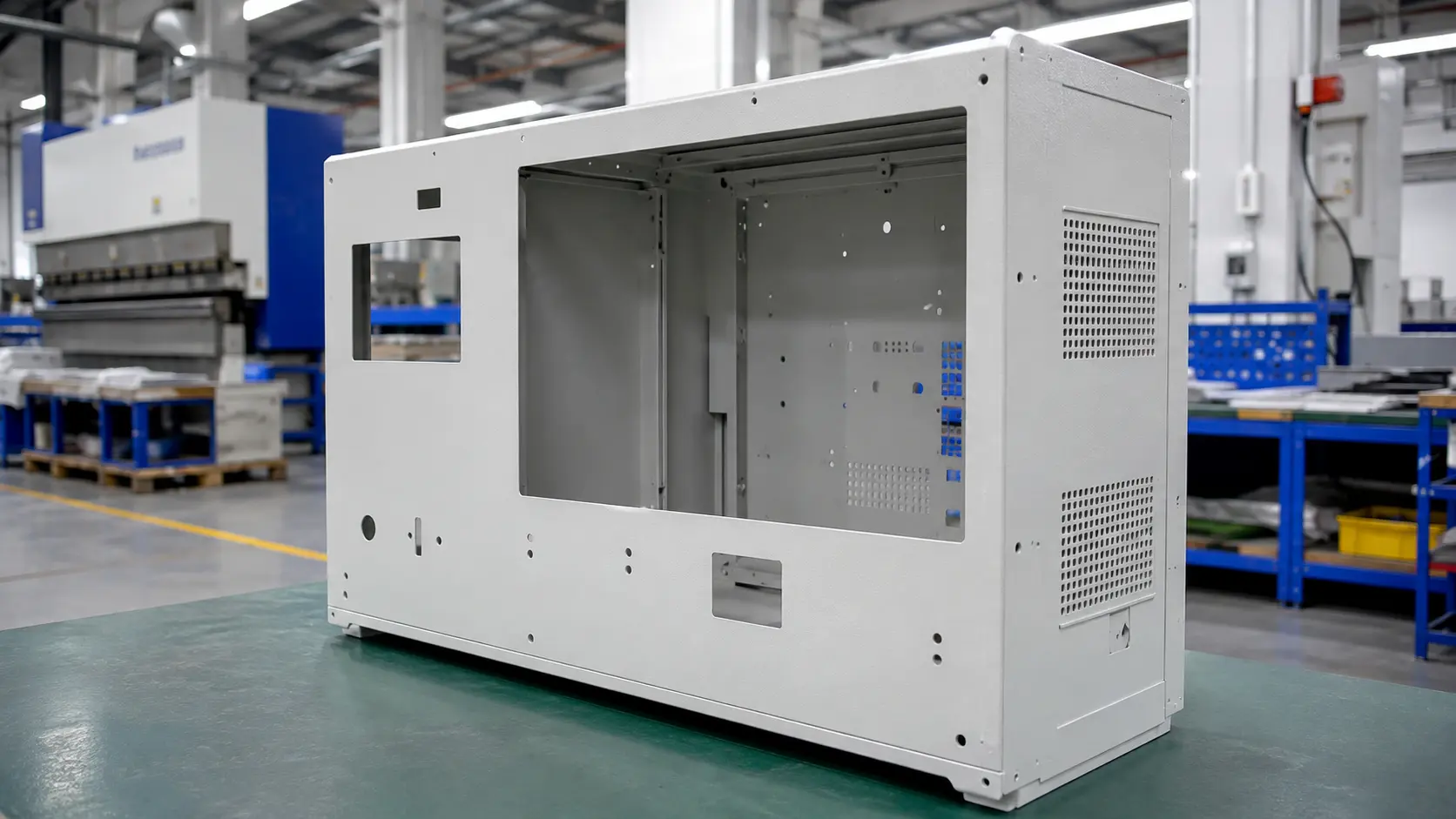
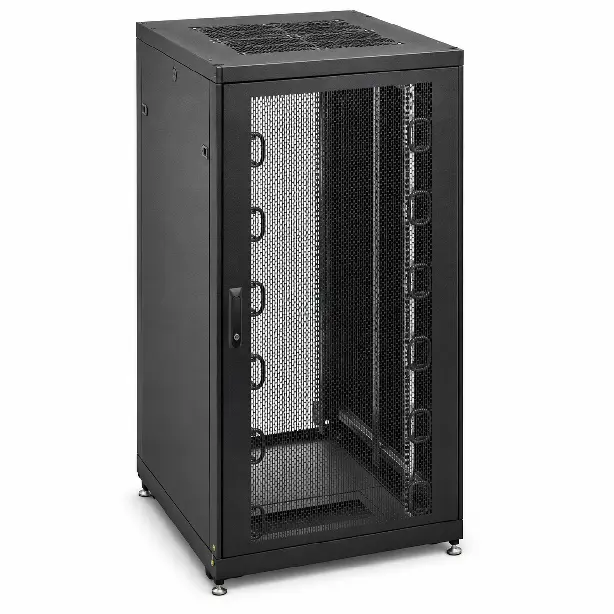
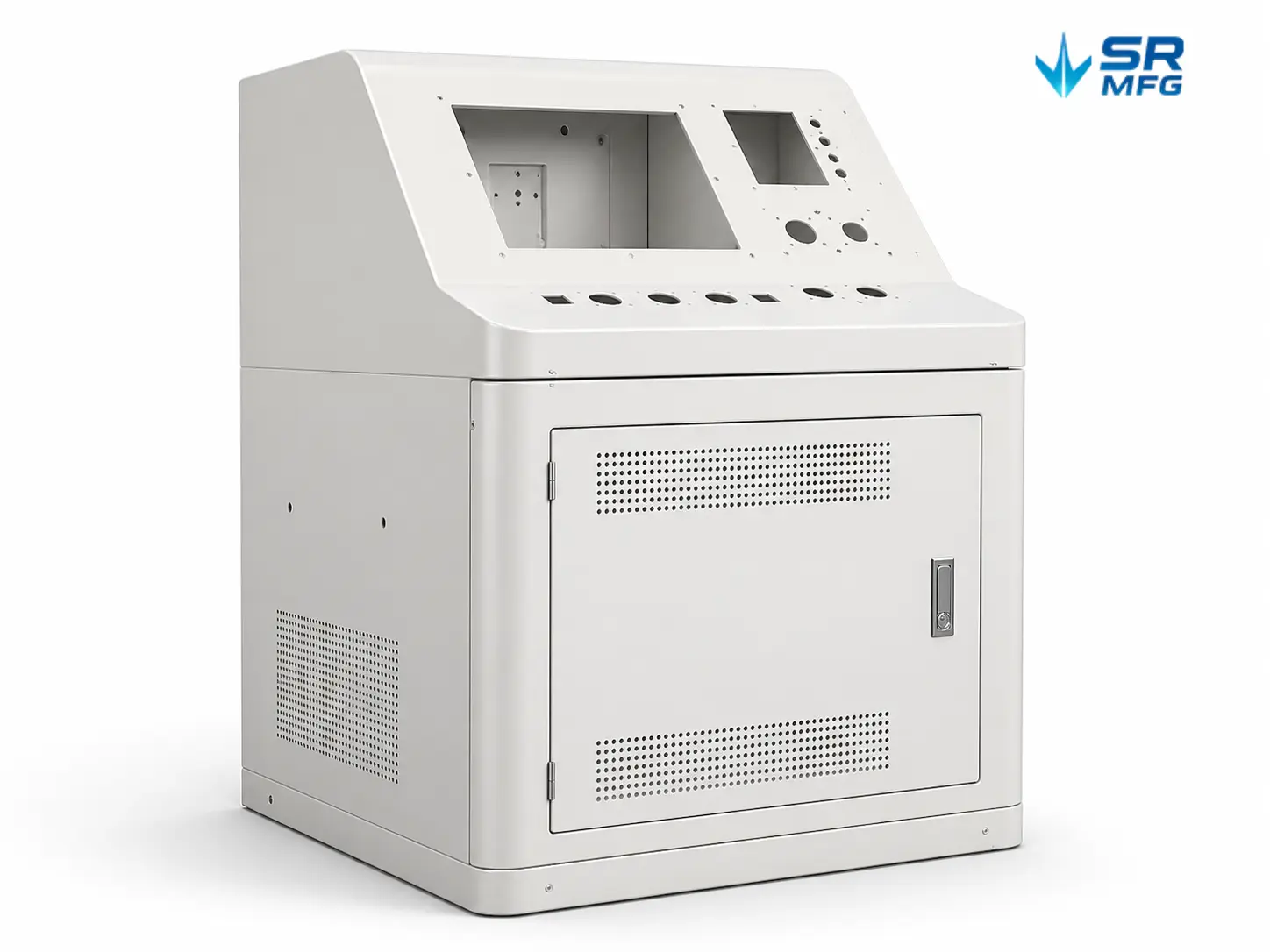
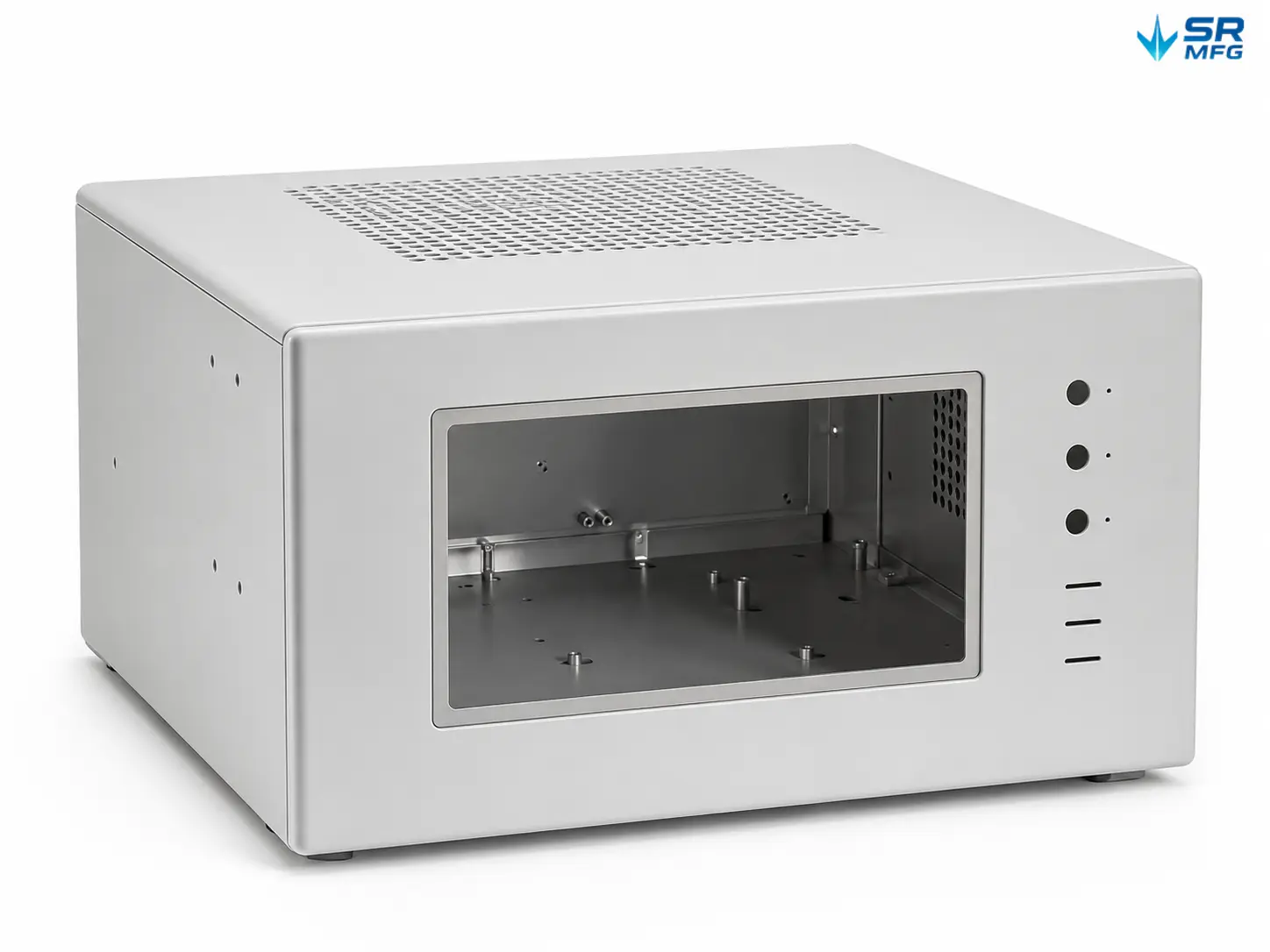
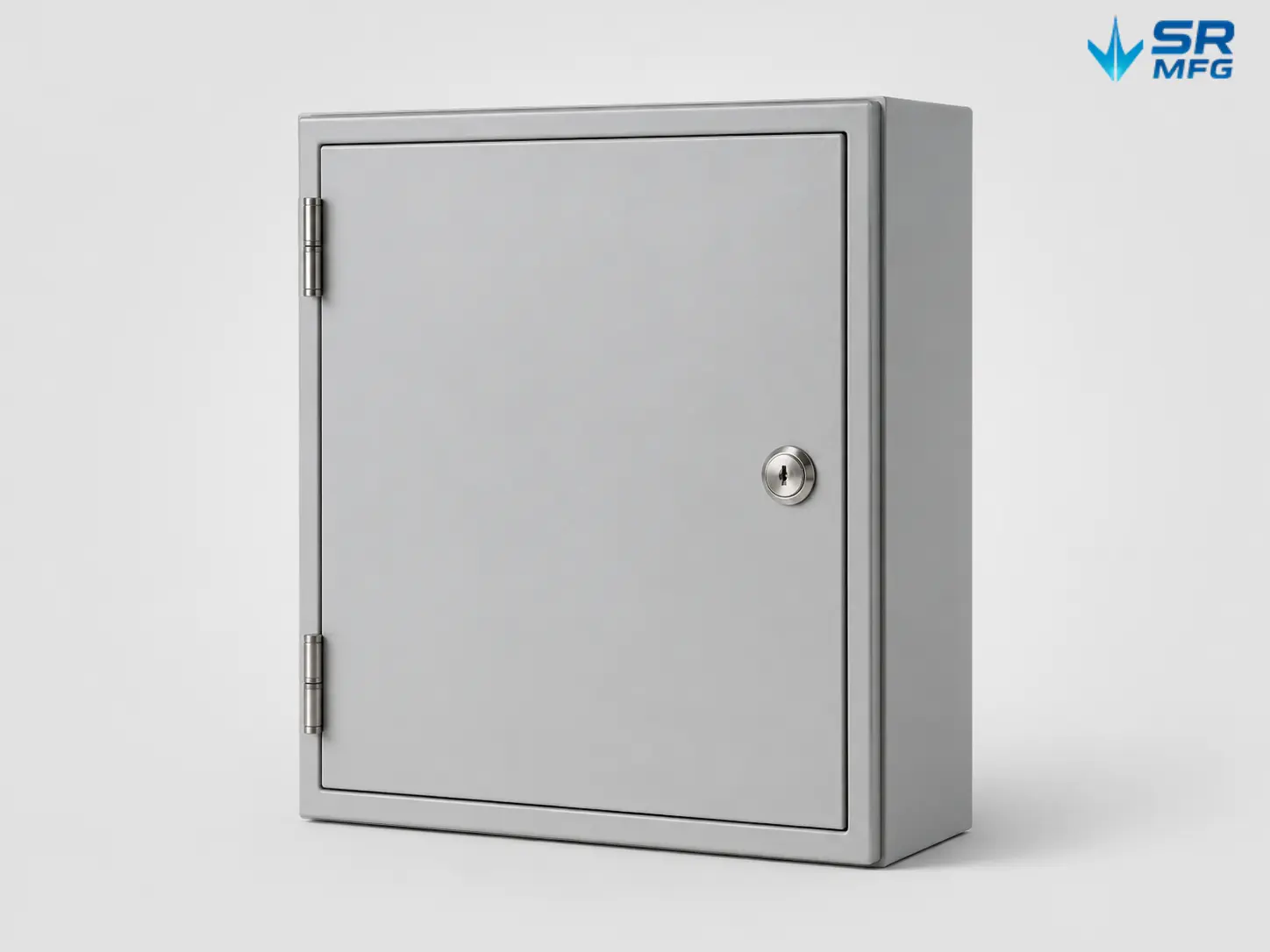
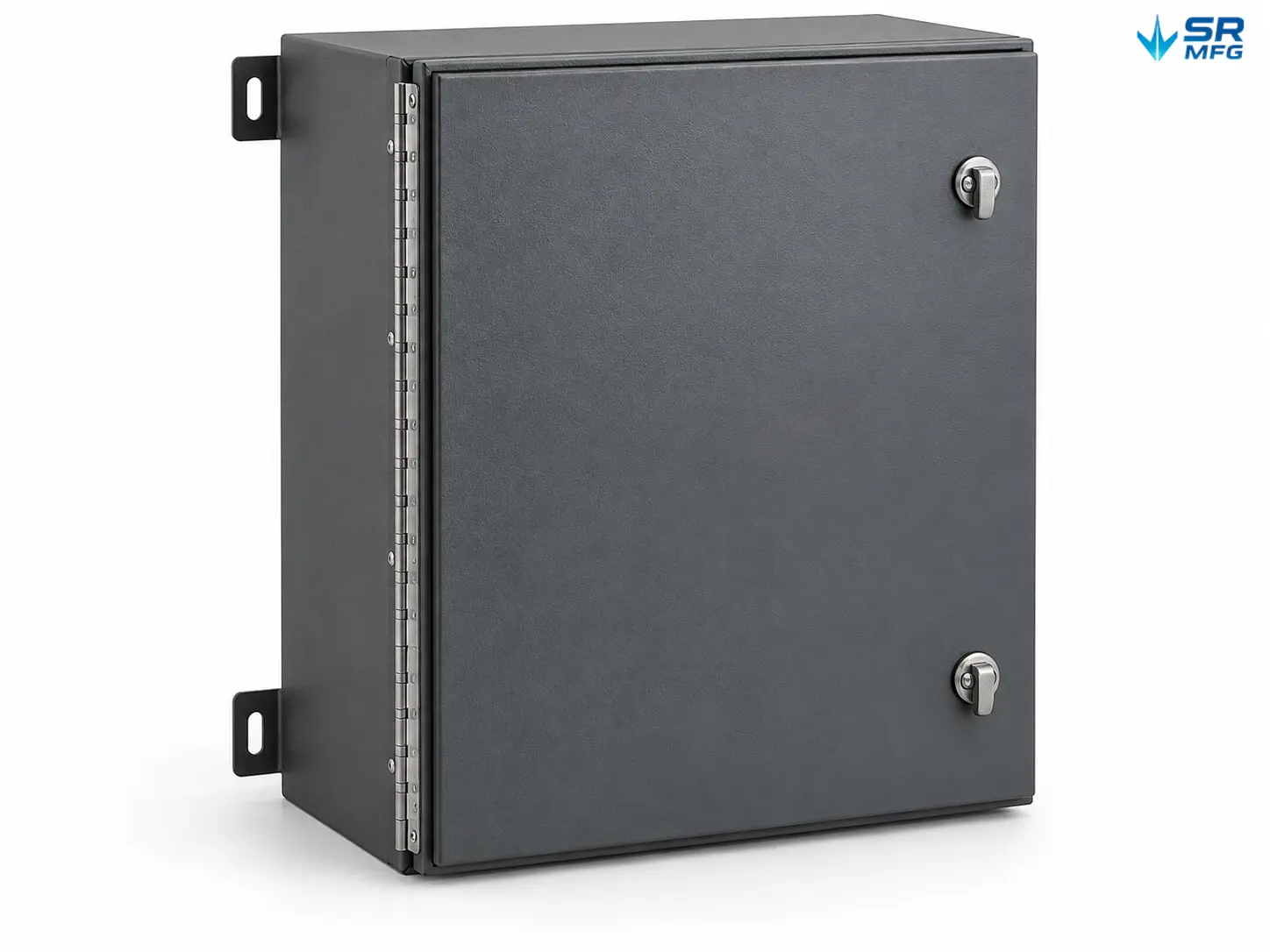
Surface-finished sheet metal enclosure for OEM industrial applications

Rechenzentren & IT-Ausrüstung

Surface finishing for data center components, network infrastructure, and IT hardware parts.

  • Server-Rack-Rahmen & -Schienen
  • Kabelmanagementwannen
  • Schaltschrankpanele & -türen
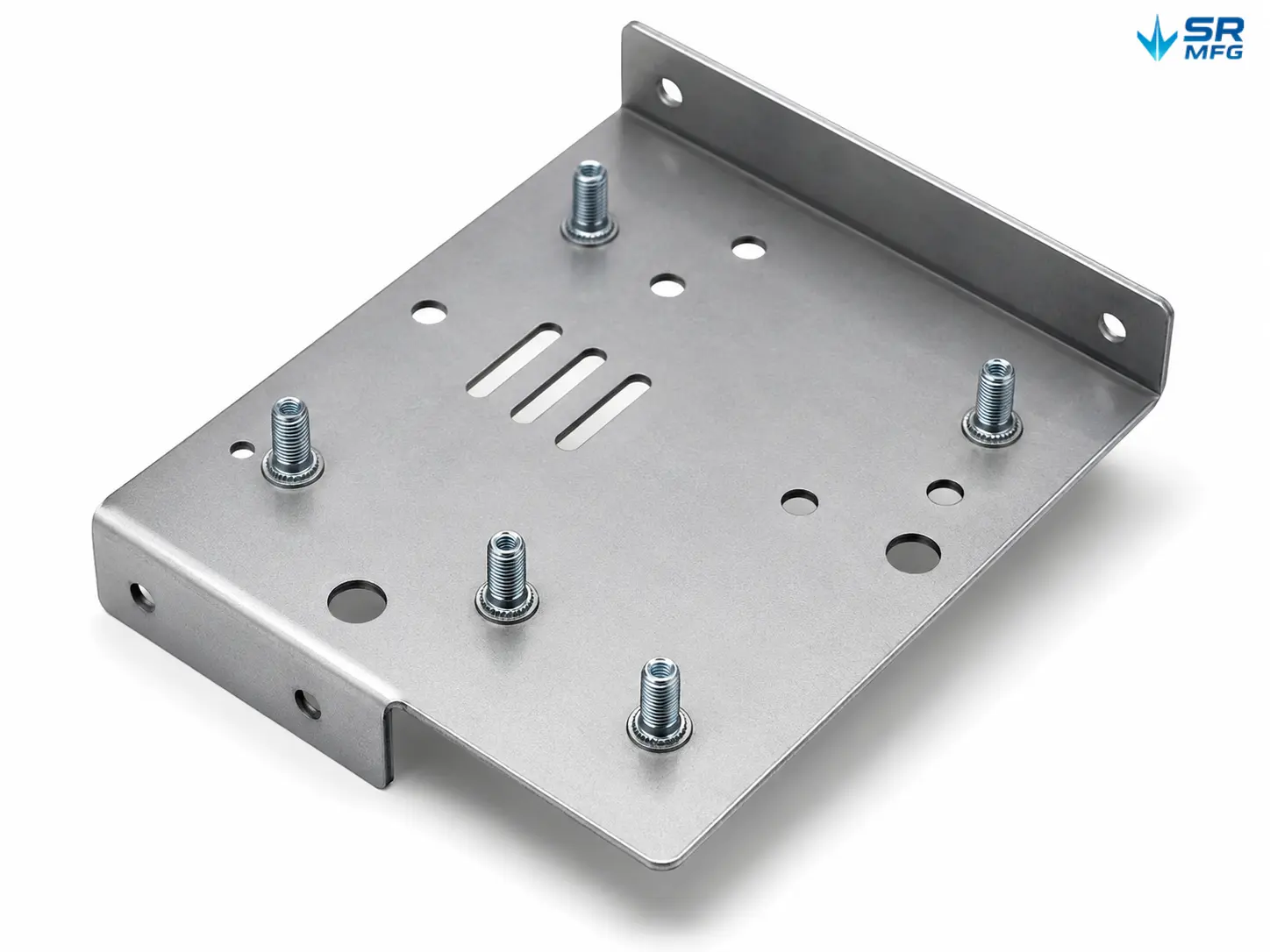
  • Montagehalterungen & -platten

Unterhaltungselektronik

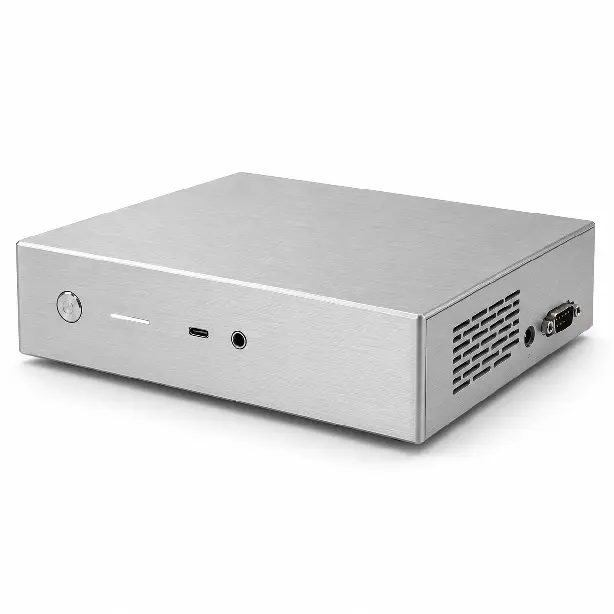
Surface finishing for consumer electronics housings, internal brackets, display structures, and precision metal assemblies.

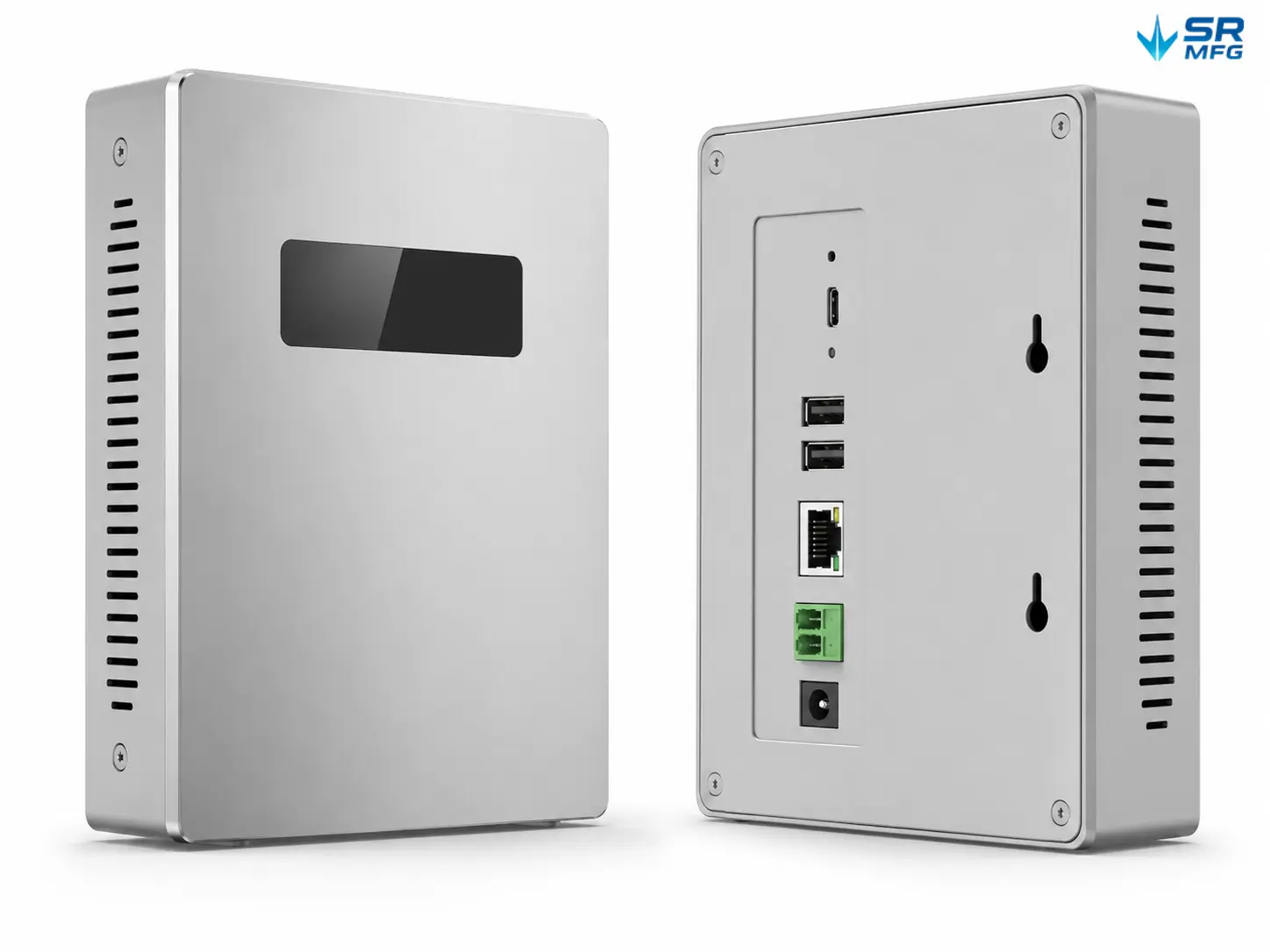
  • Gerätegehäuse & -abdeckungen
  • Interne Stützhalterungen
  • Display-Montagestrukturen
  • Metallteile für Lautsprecher & Audio
  • Small precision finished parts

Elektrische Ausrüstung

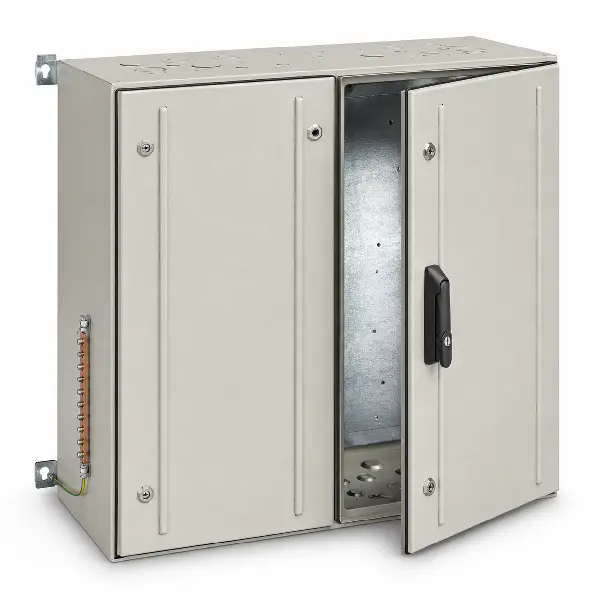
Surface finishing for electrical enclosures, control cabinets, power distribution units, and industrial electrical components.

  • Elektroschrankgehäuse
  • Steuerboxpaneele
  • Klemmenmontageplatten
  • DIN-Schienenhalterungen
  • Lüftungs- und Zugangsplatten

Industrielle Ausrüstung

Surface finishing for machinery components, automation systems, production equipment, and structural machine assemblies.

  • Maschinenabdeckungen & -schutzbleche
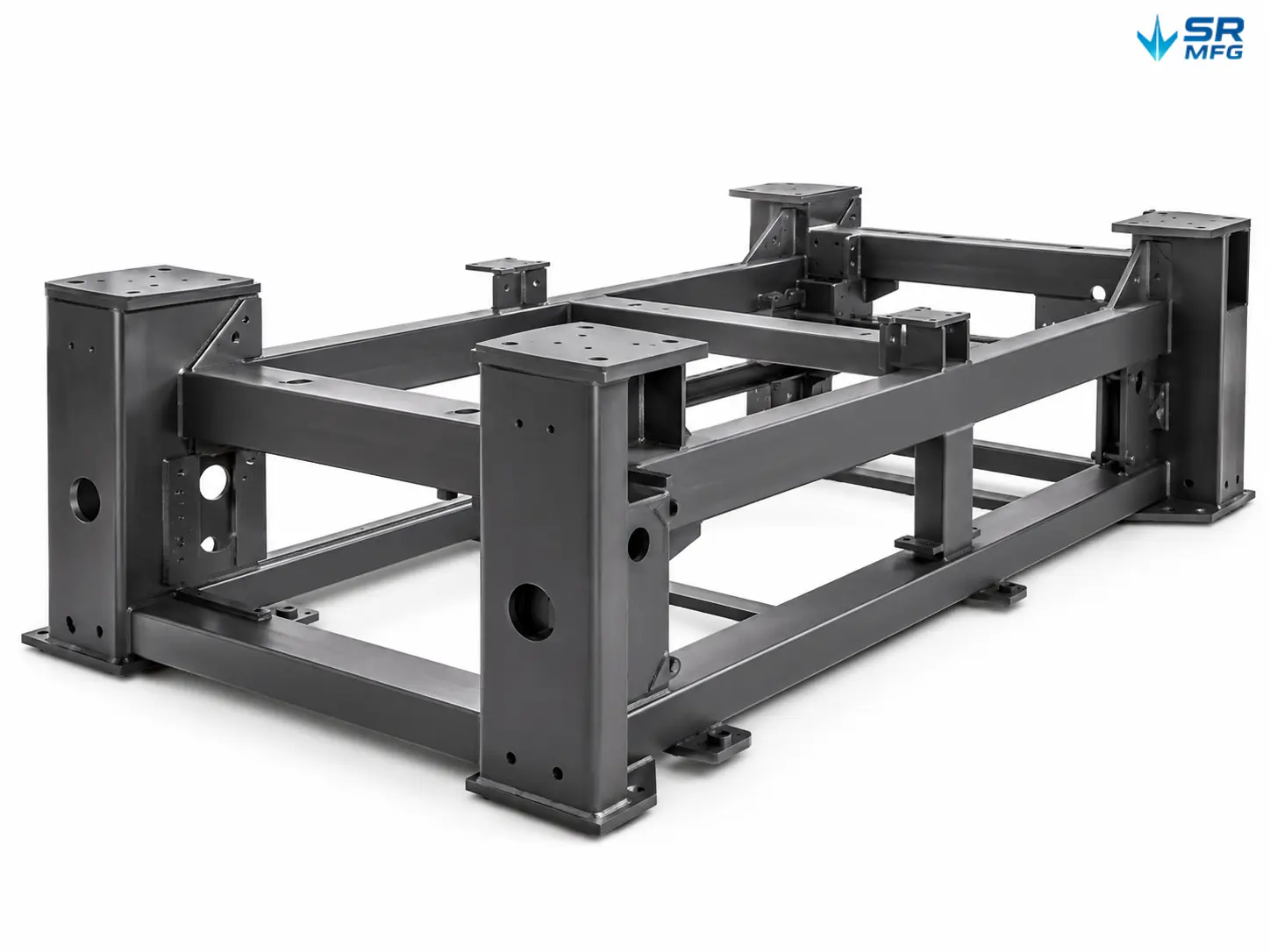
  • Ausrüstungsrahmen
  • Förderbandhalterungen
  • Sensormontageplatten
  • Schutzpaneele & -abschirmungen

Neue Energiesysteme

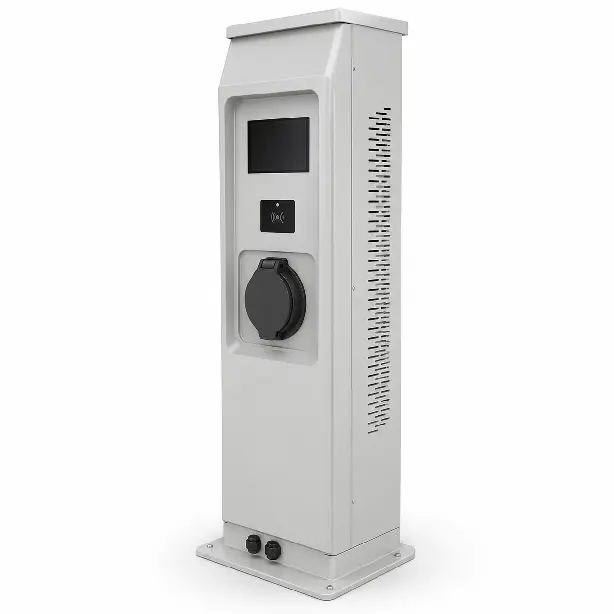
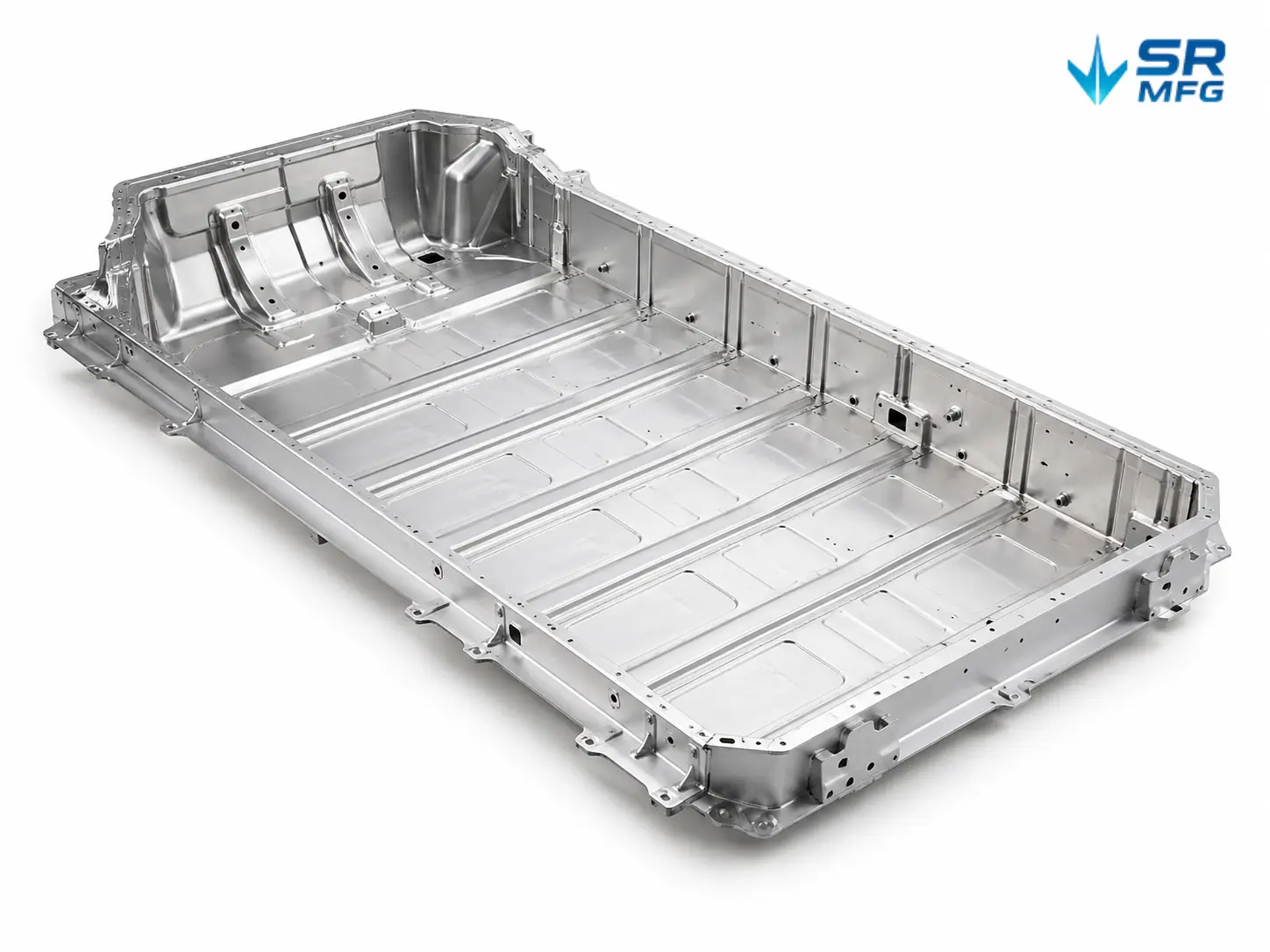
Surface finishing solutions for EV charging equipment, battery systems, energy storage cabinets, and power conversion units.

  • Batteriegehäuseteile
  • Ladestationsschränke
  • Energiespeicherschrankpaneele
  • Stromschienen-Stützhalterungen
  • Leistungsmodulgehäuse

Außenausrüstung

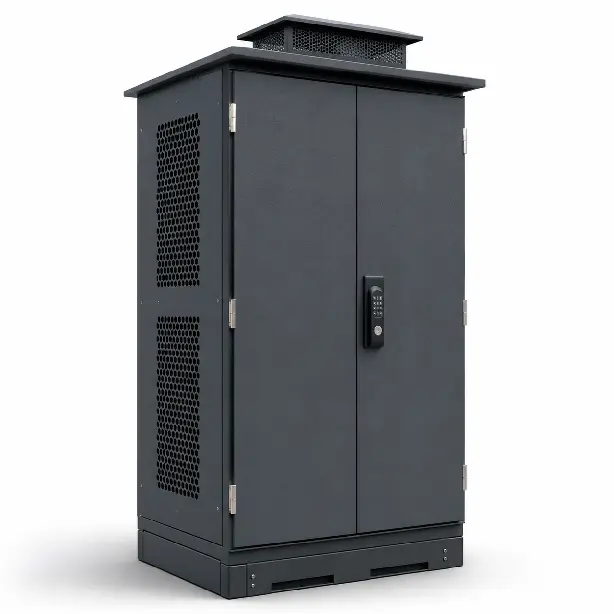
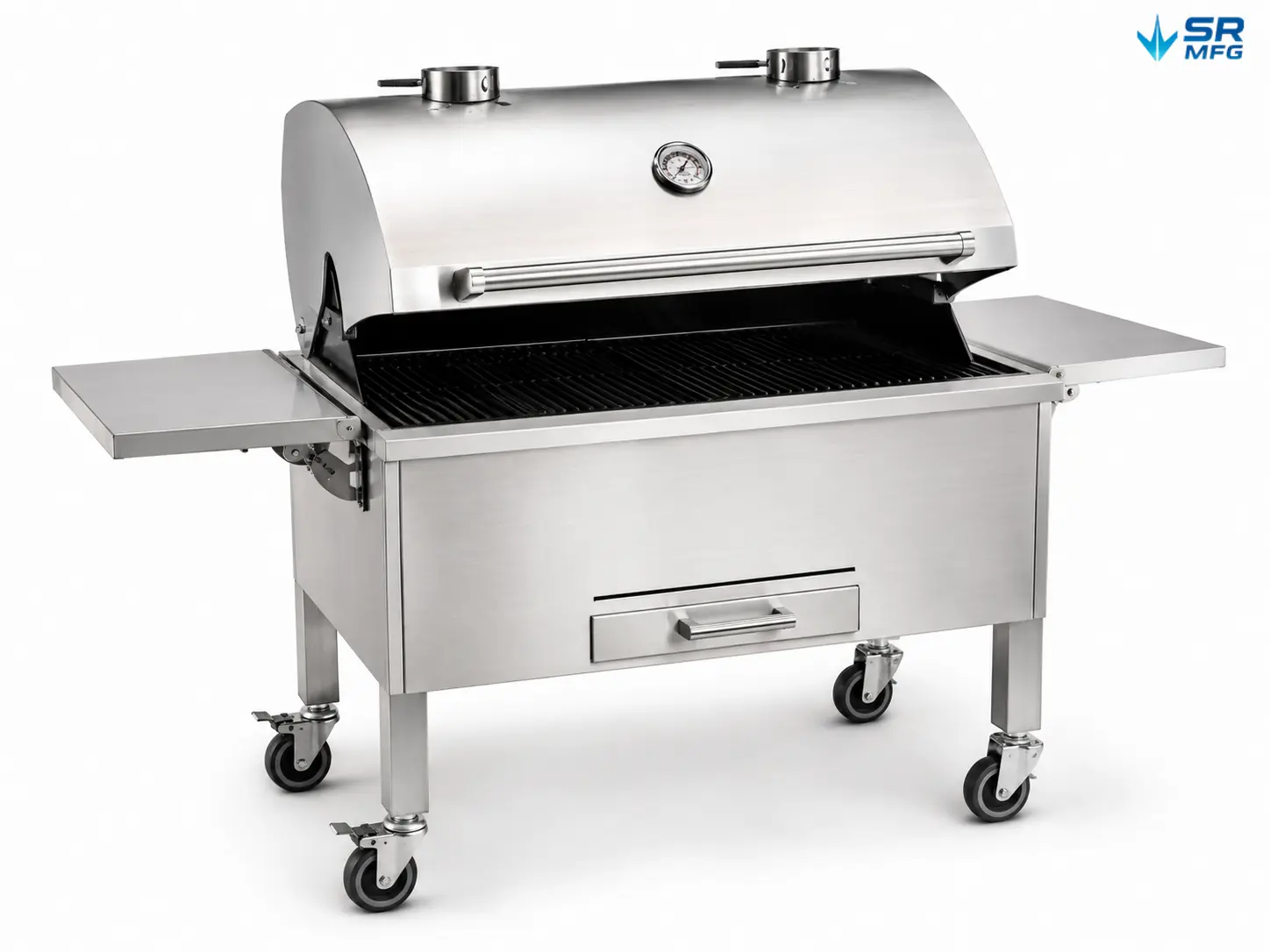
Weather-resistant surface finishing for outdoor enclosures, equipment covers, BBQ grills, lighting systems, and structural fixtures.

  • Außenausrüstungsgehäuse
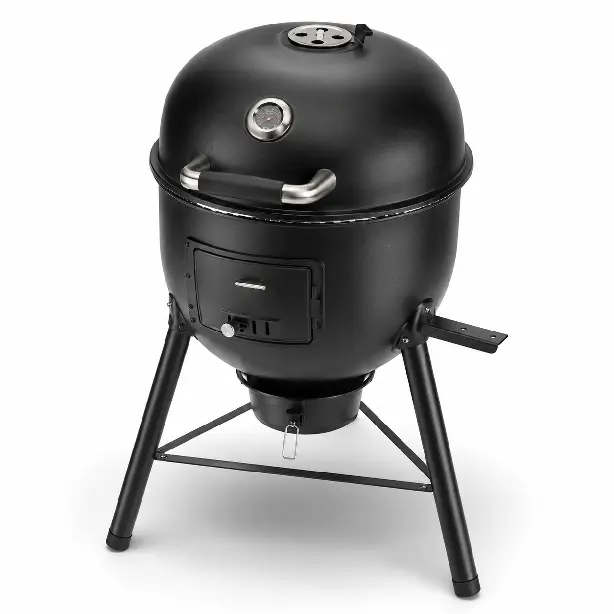
  • Grillblechkörper
  • Schutzabdeckungen & Paneele
  • Montagehalterungen
  • Witterungsbeständige Strukturteile

Für Ihre Anwendung entwickelt

Whether you need a single prototype or high-volume production, SR MFG ensures consistent coating quality, uniform finish appearance, tight tolerances, and reliable delivery for your surface finishing projects.

SR MFG Finished Products

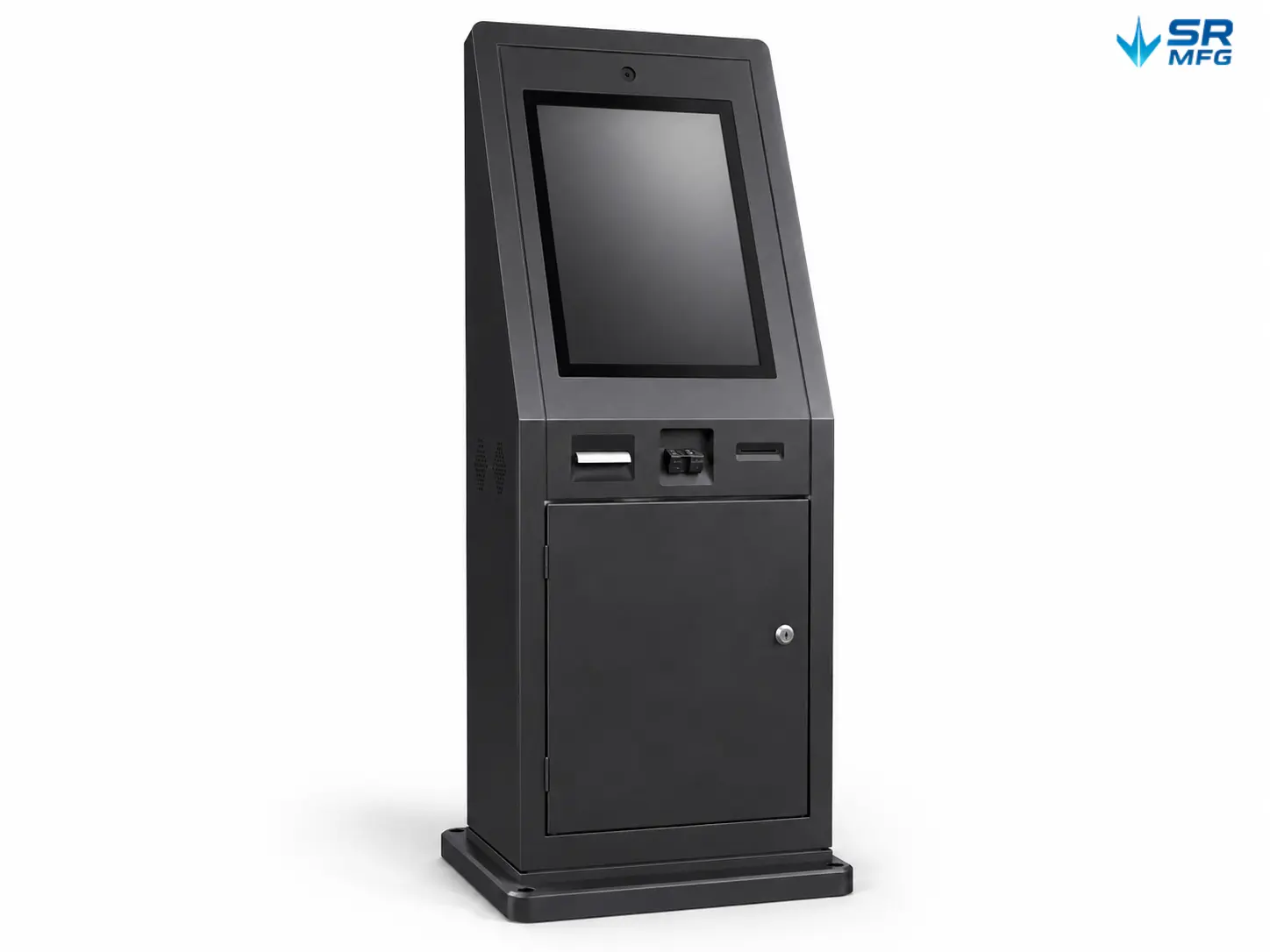
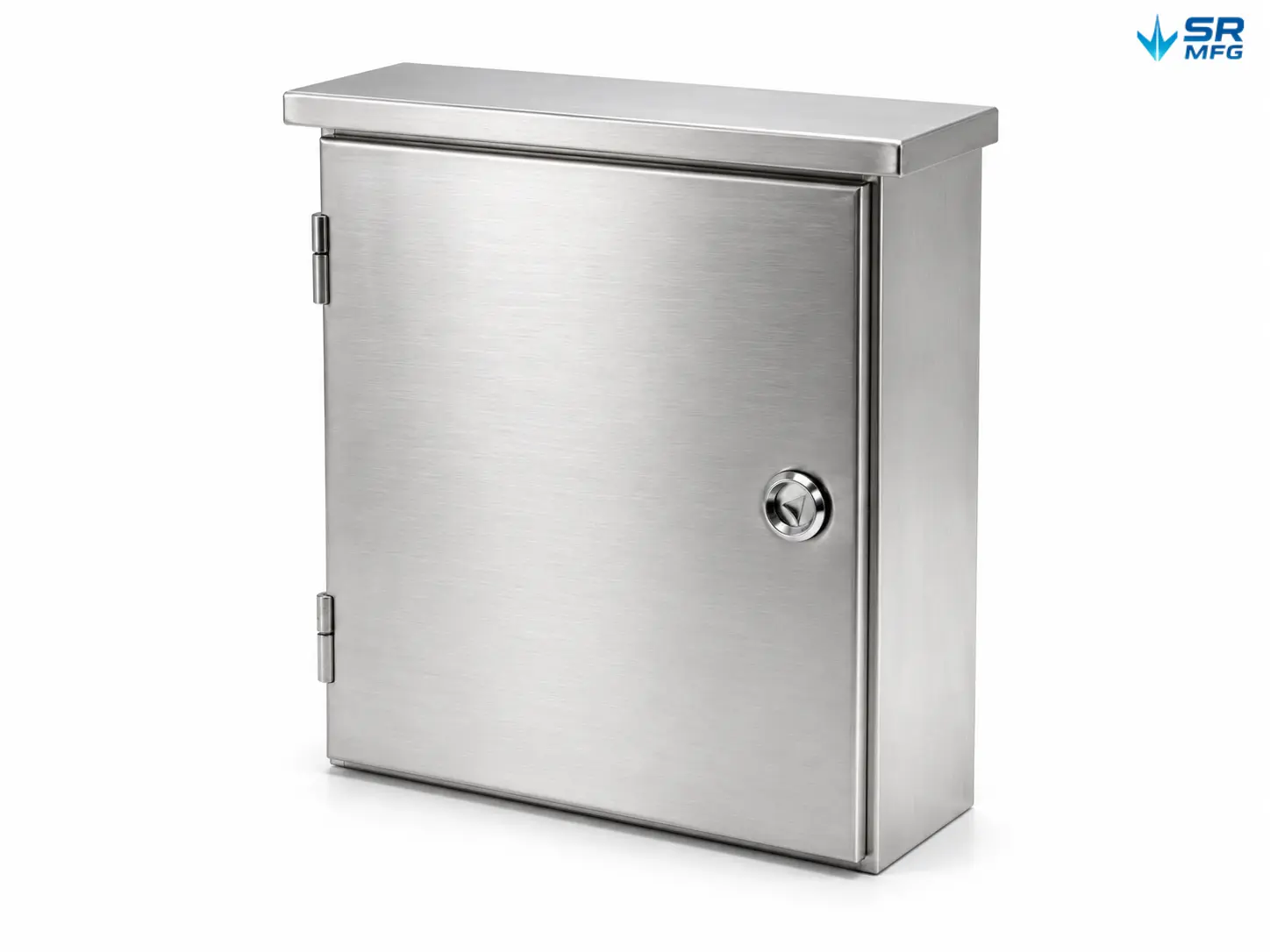
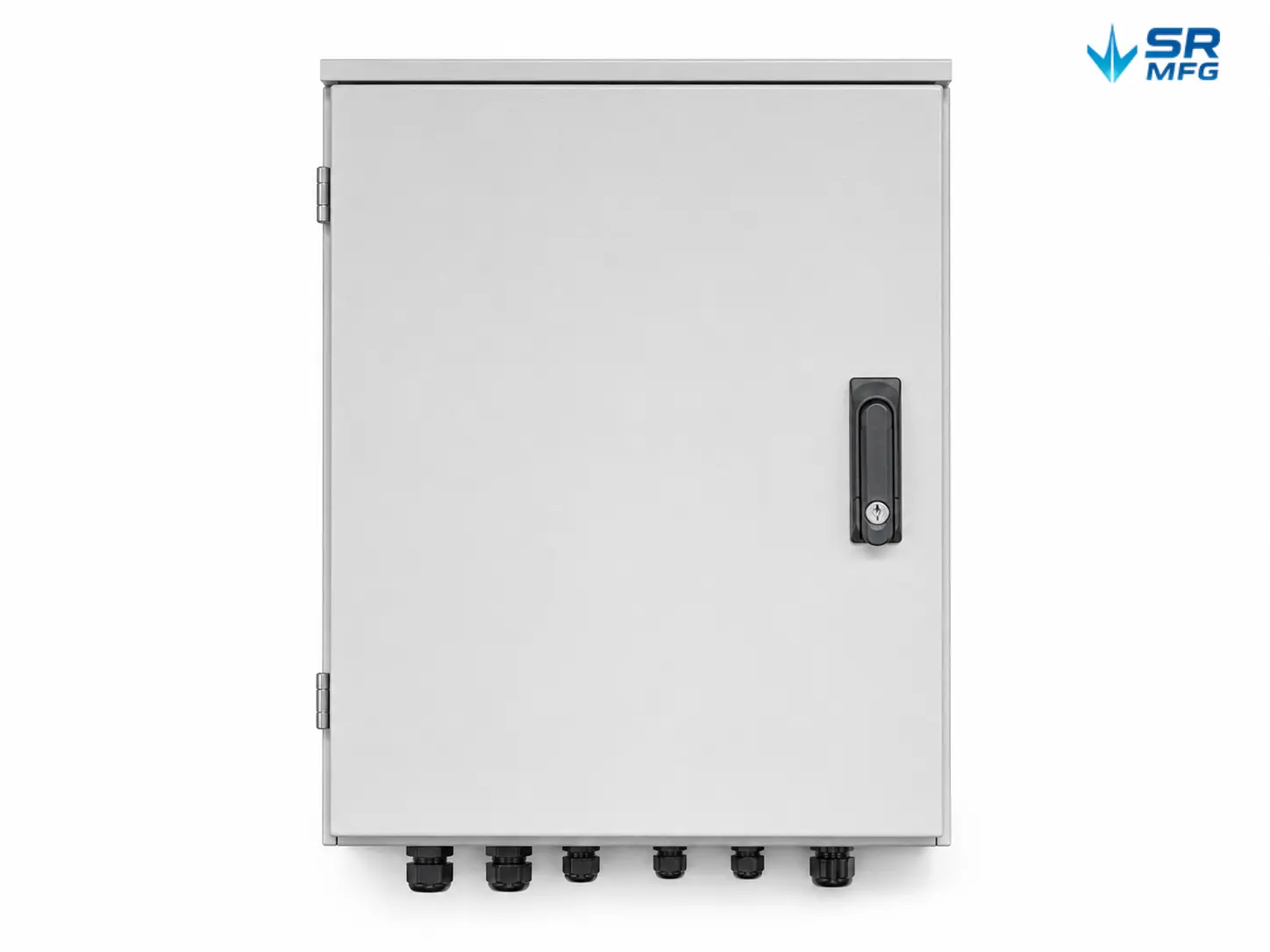
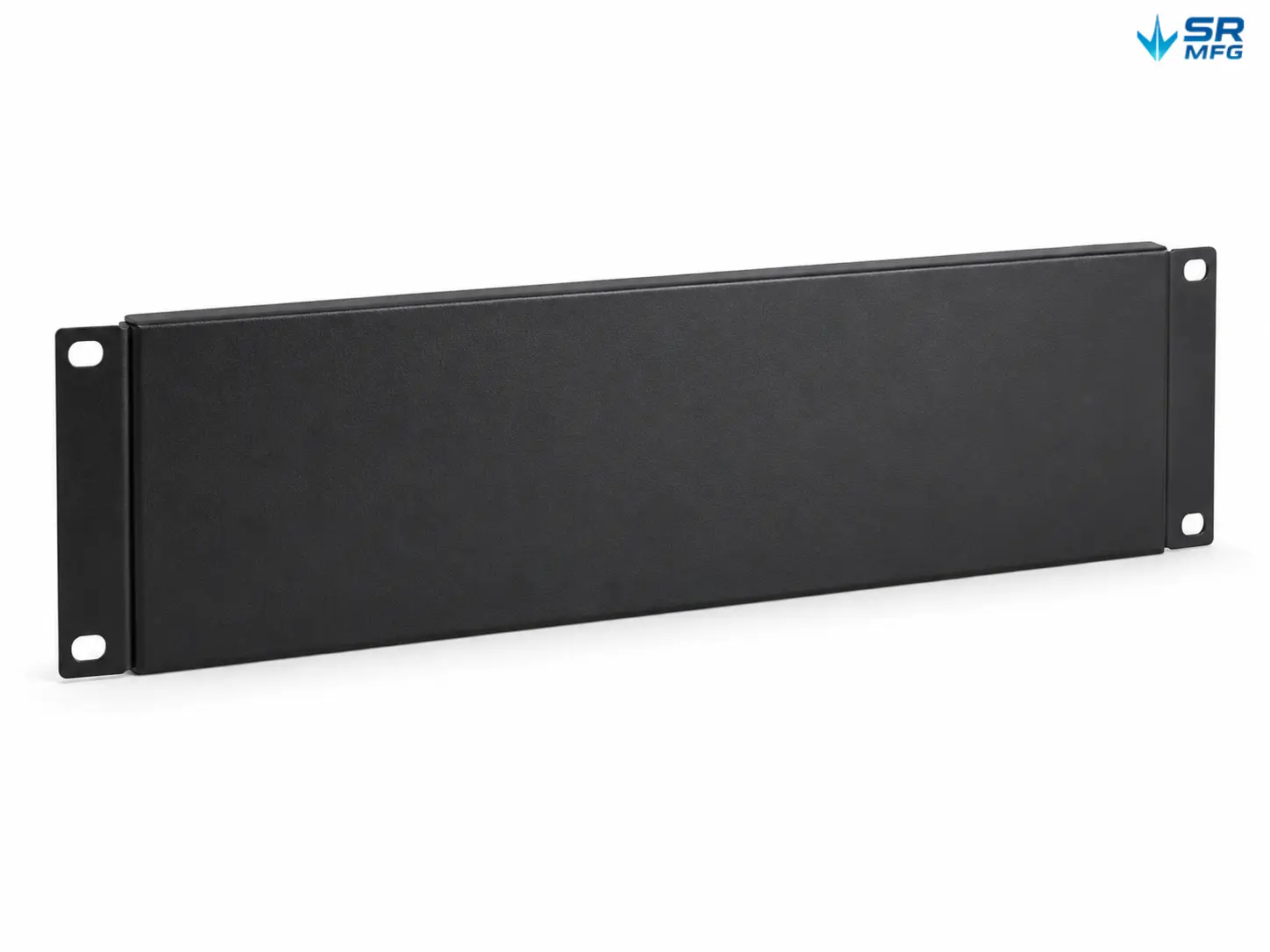
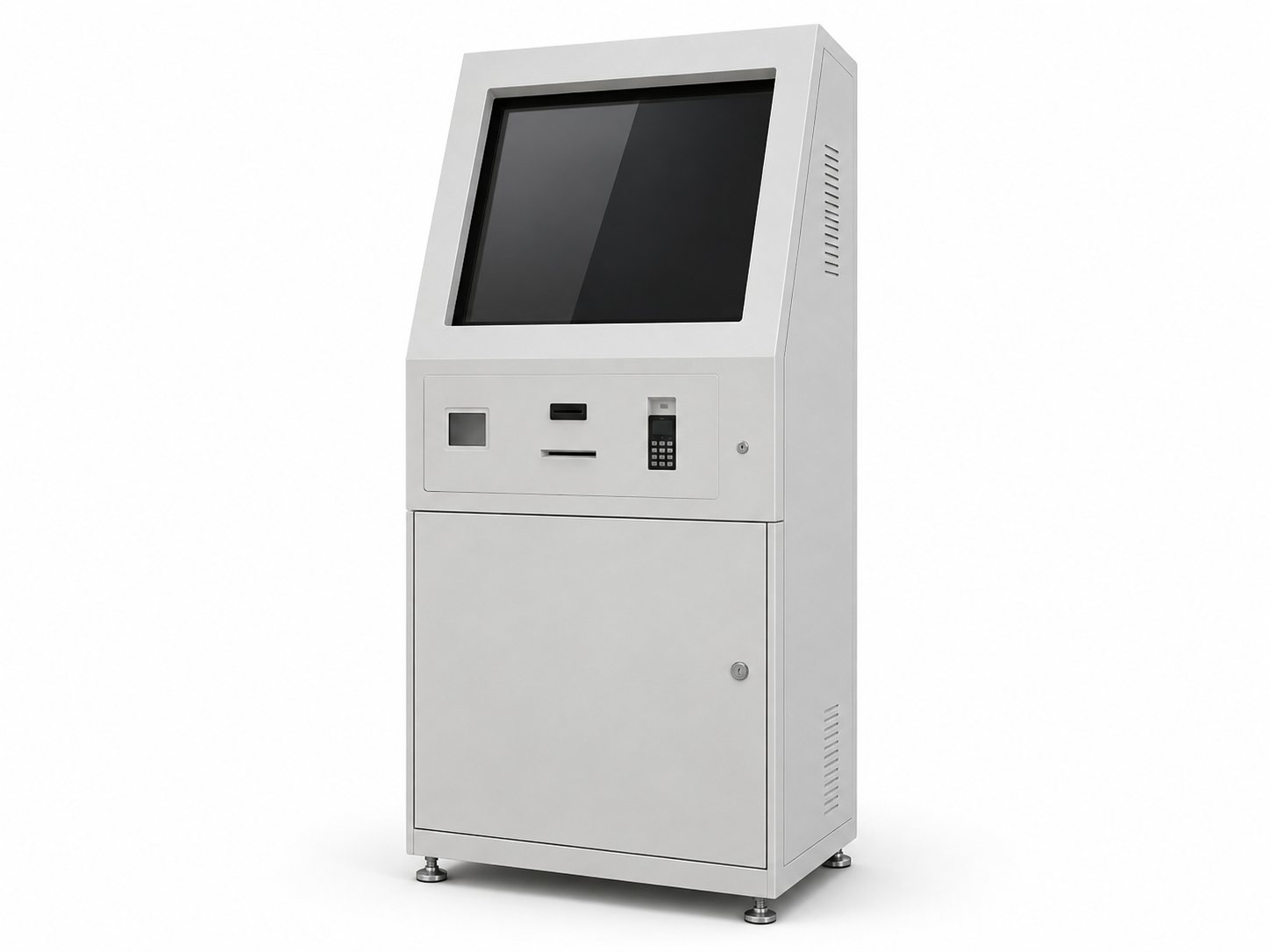
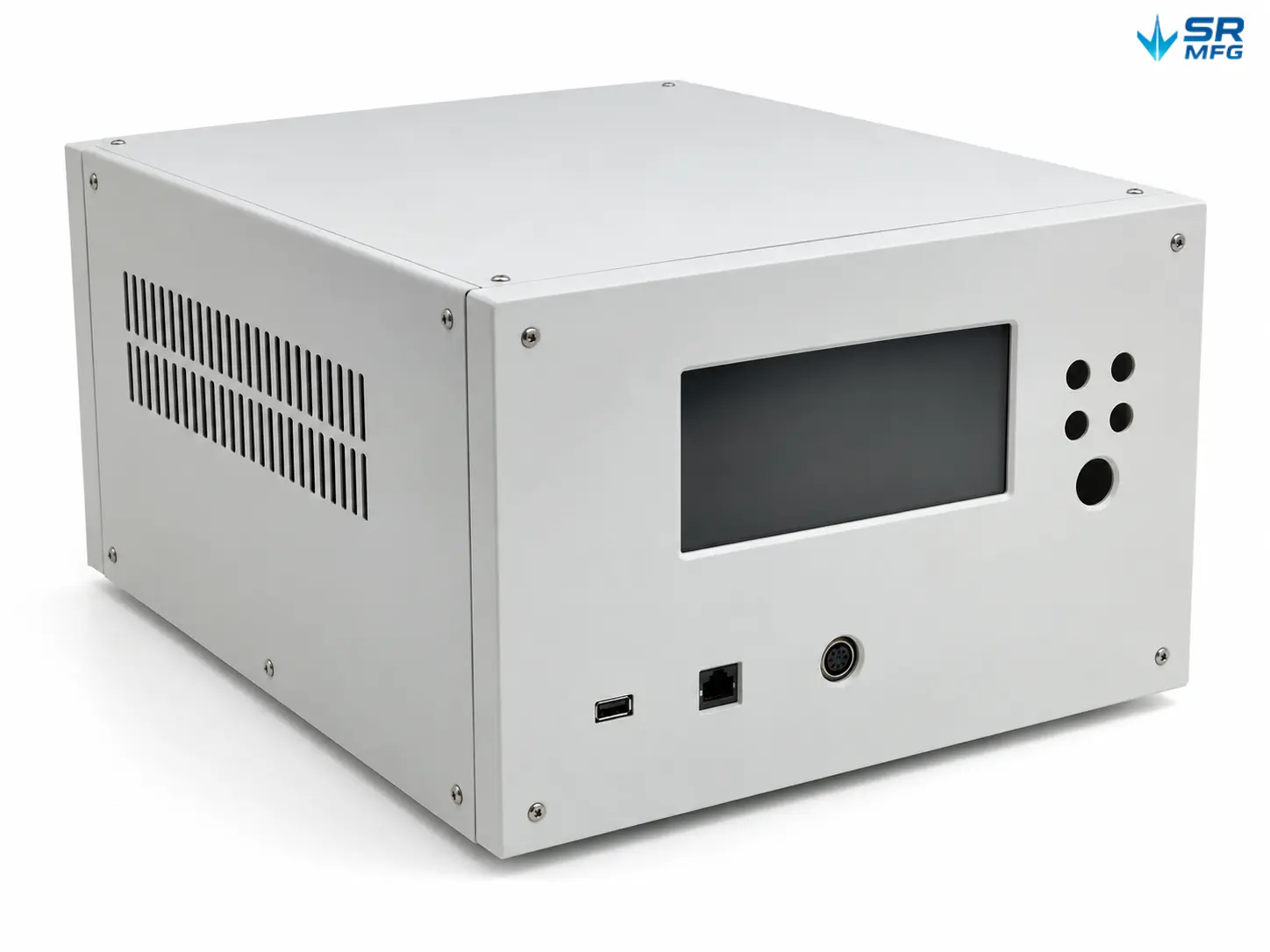
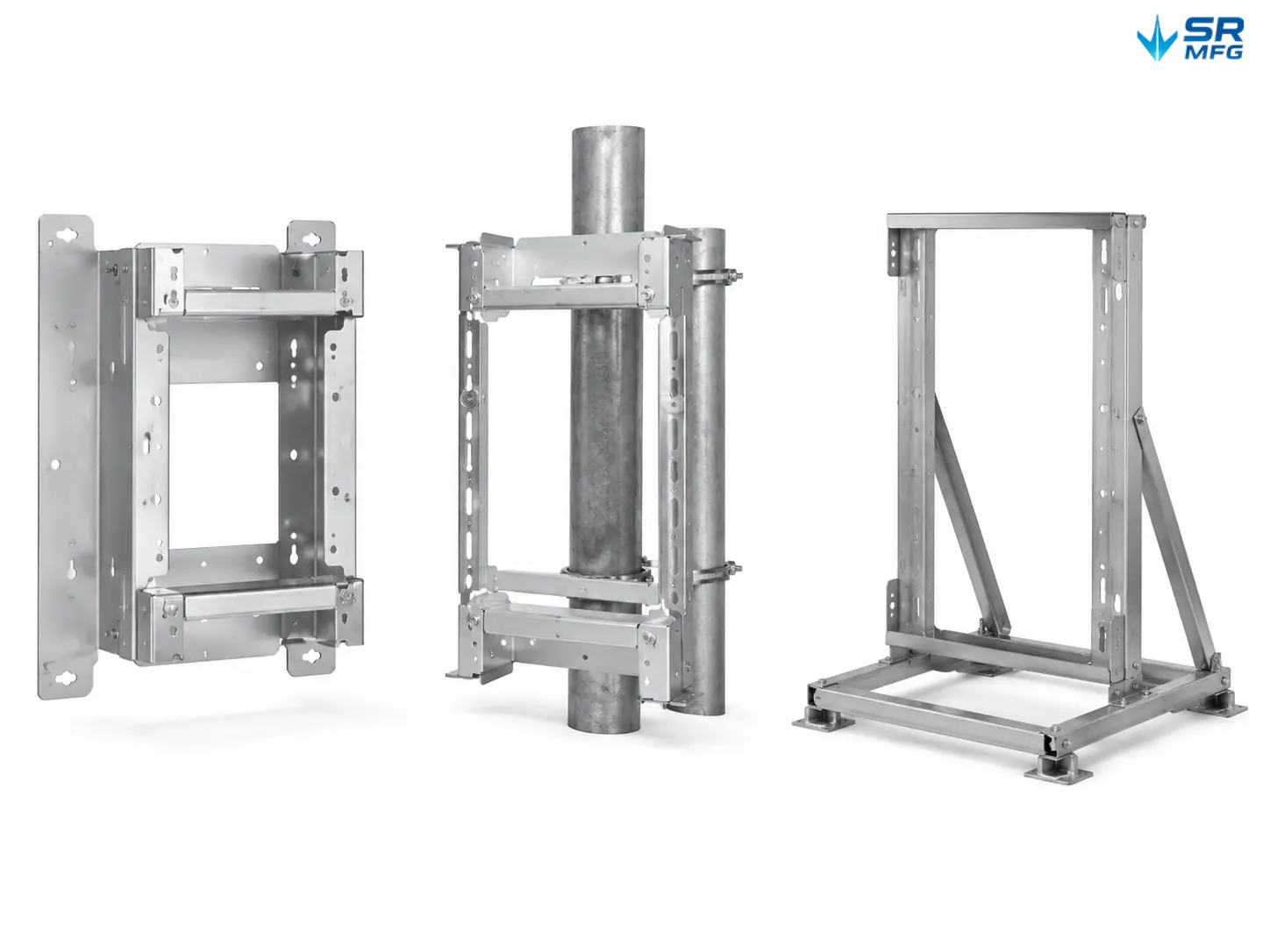
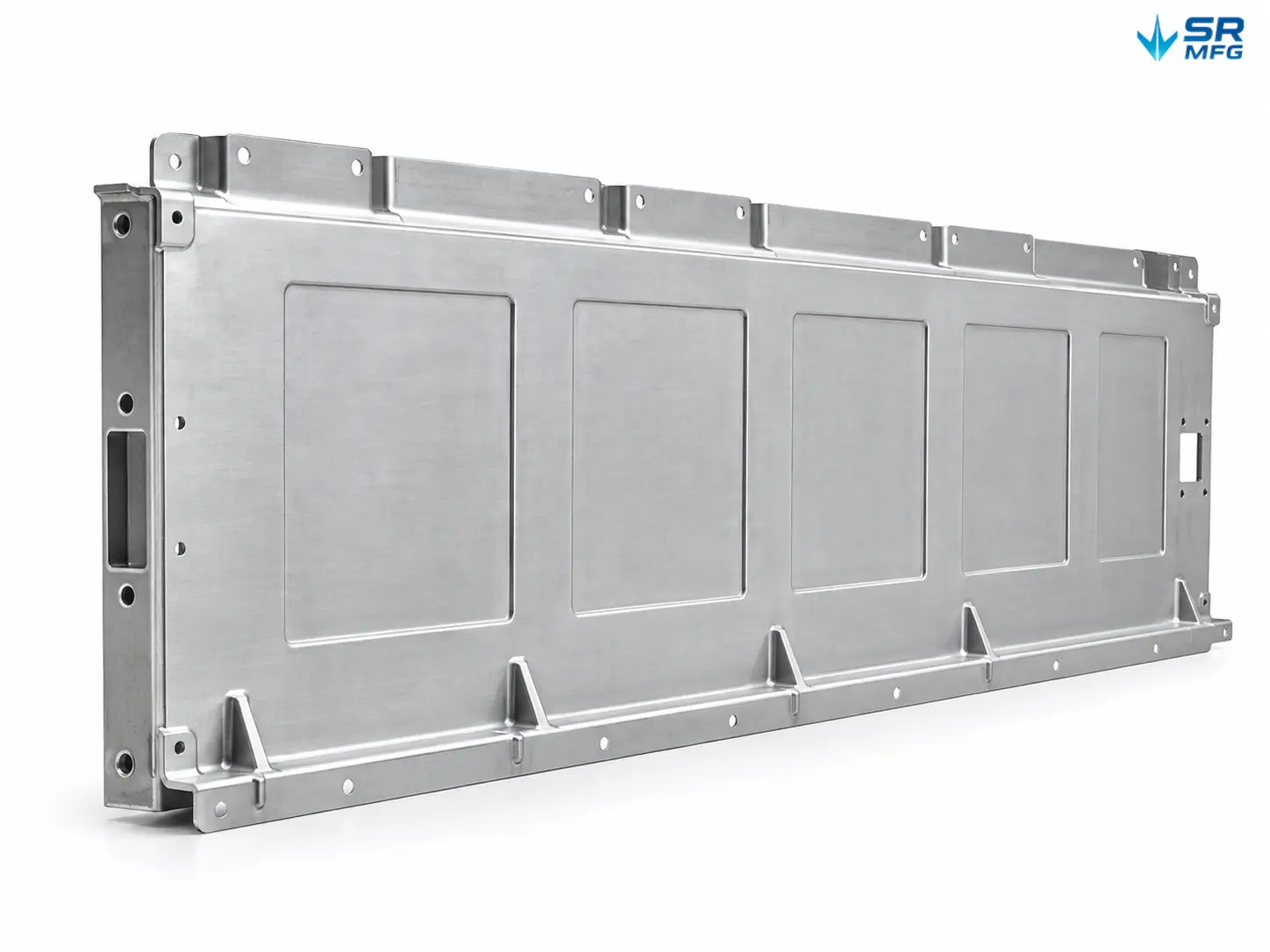
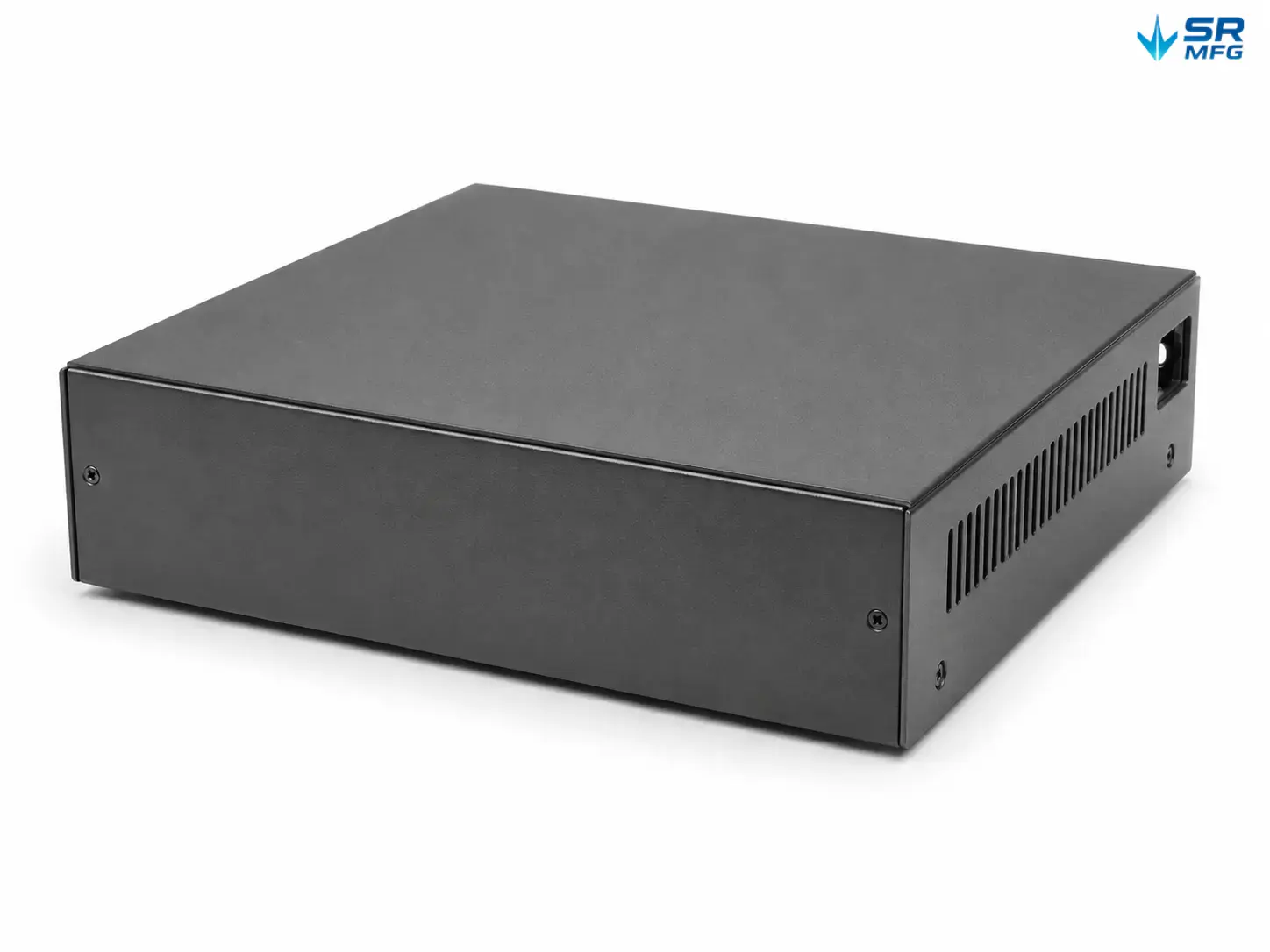
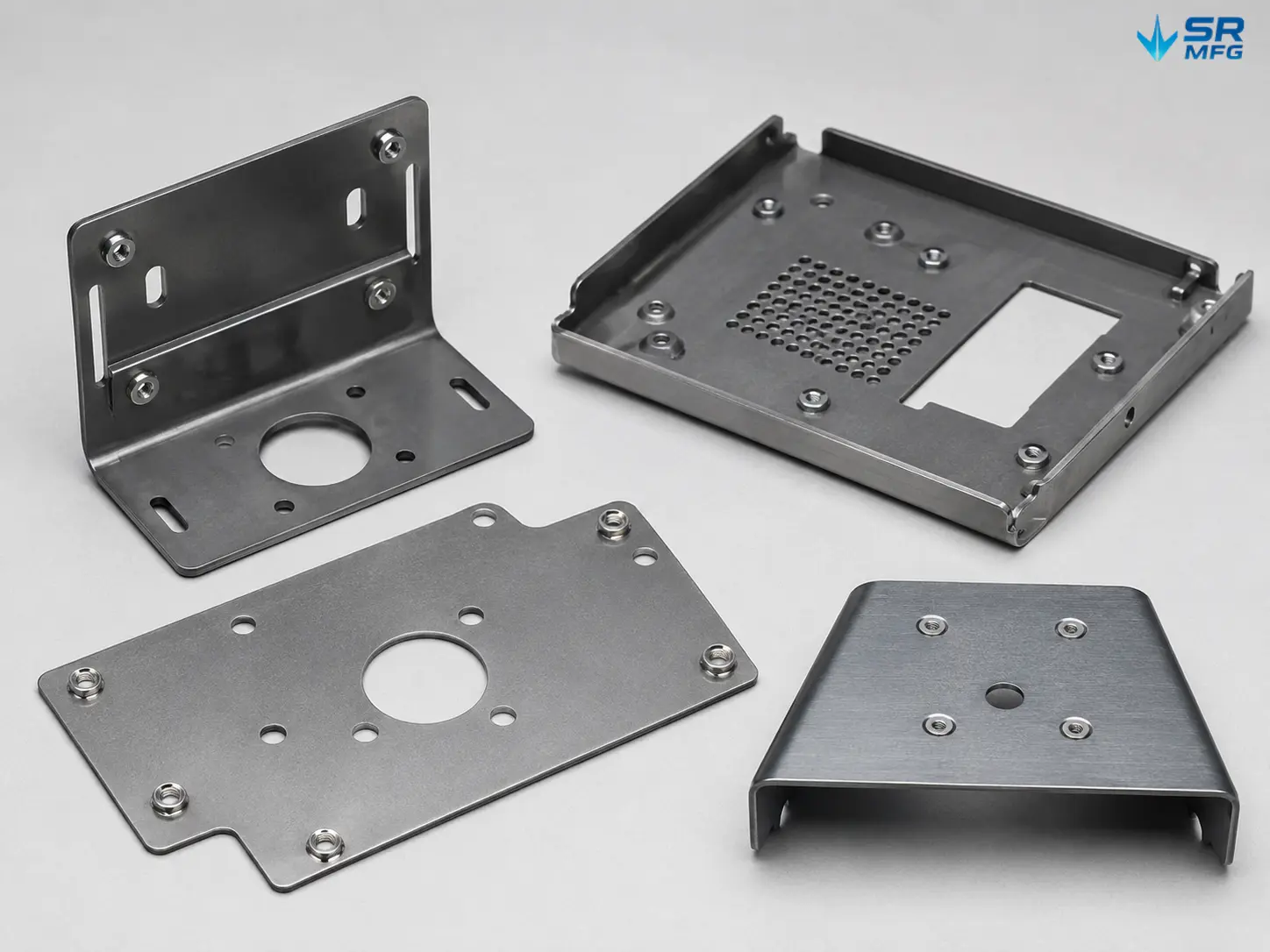
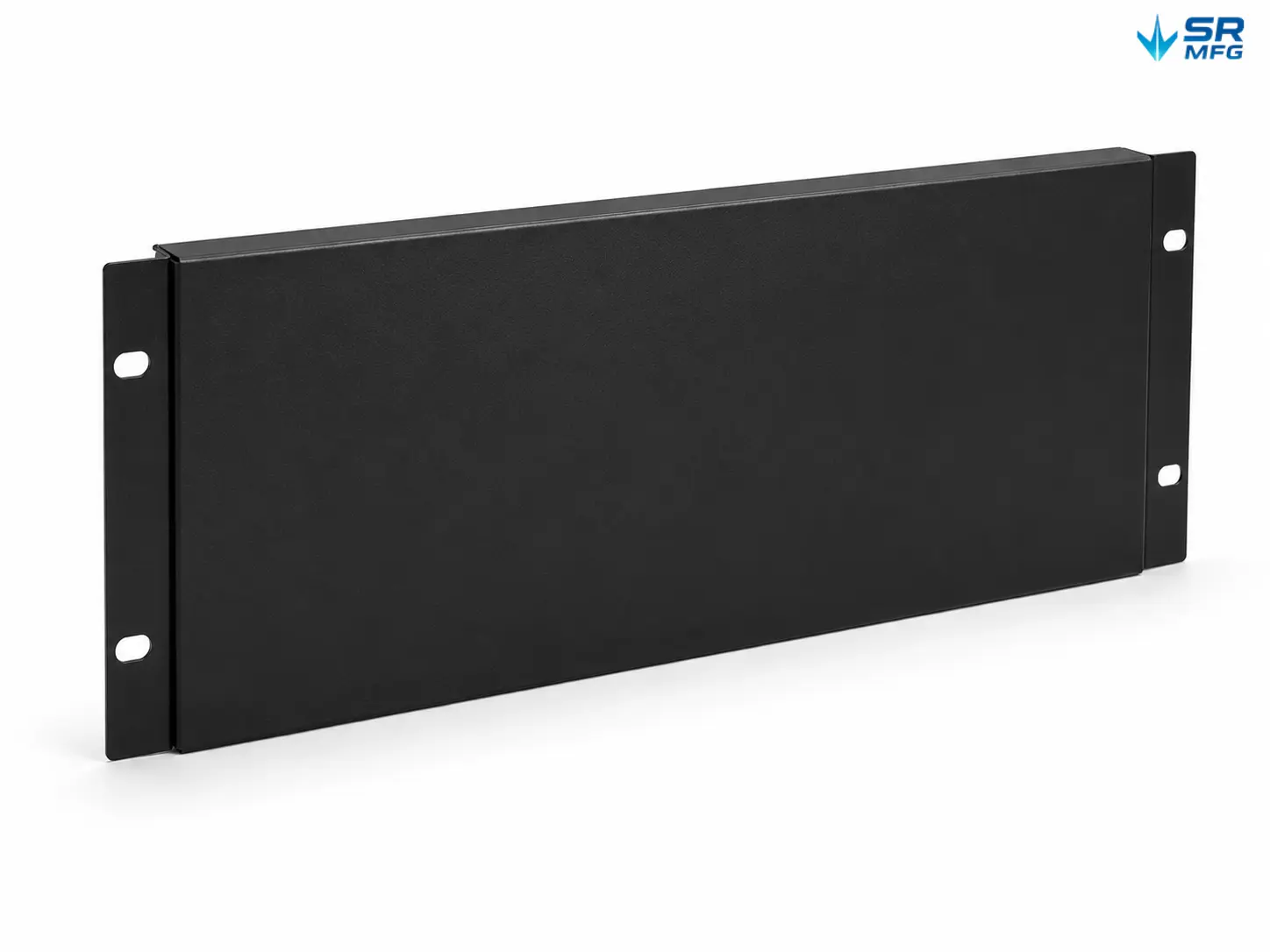
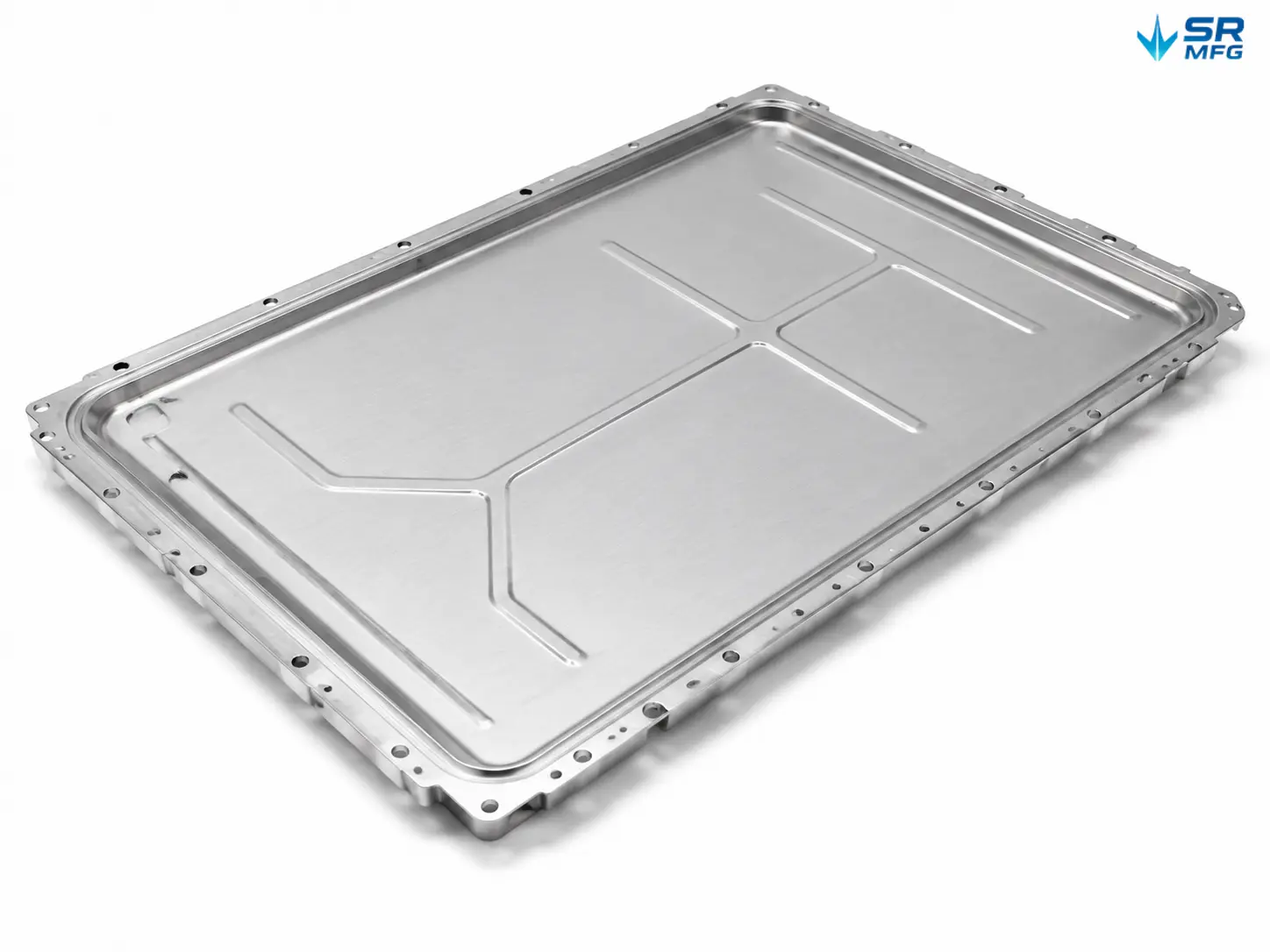
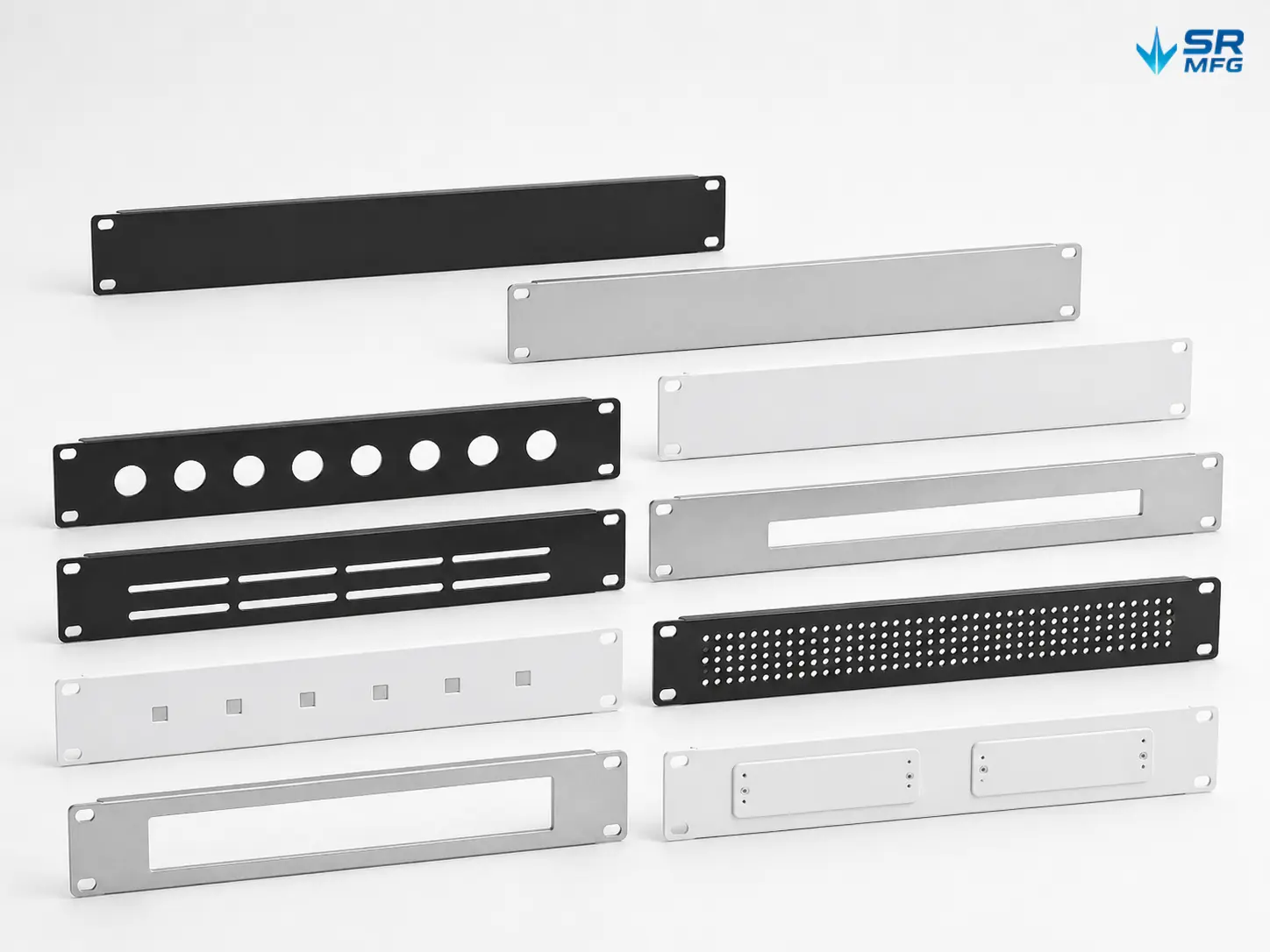
SR MFG provides custom surface finishing for a wide range of sheet metal parts, including powder coating, brushing/polishing, blasting, and silk-screen marking—along with additional finishing processes as required by each project. These services are suitable for structural and functional components such as brackets, panels, frames, housings/enclosures, stiffeners, clips, and mounting hardware. All parts are made to print and optimized for stable mass production.

Sheet Metal Finishing FAQs​​​

Coating adds build-up to the base metal, which can affect fit and assembly. Please specify whether dimensions are base metal or finished after coating, especially on holes, slots, and mating interfaces. If not specified, we will confirm CTQ features during review and propose a controlled thickness/masking plan.

Yes. We can mask mating surfaces, threads, and grounding points to control coating build-up and maintain electrical contact where required. For best results, please highlight the masking areas on the drawing or provide a marked-up PDF/3D file, and we’ll recommend the most suitable masking approach.

We support RAL/Pantone matching and lock the final appearance through physical sample approval. Production is then matched to the approved sample to maintain batch-to-batch consistency. If your project has specific measurement requirements (ΔE, gloss, lighting condition), we can align the verification method to your spec.


We can follow common standards such as ISO 2409 / GB/T 9286 or ASTM D3359 for adhesion. For corrosion validation, we support ASTM B117 or ISO 9227 salt spray requirements based on your specification. Third-party test reports can be arranged upon request when formal validation is required.

Pretreatment is selected based on material, surface condition, and corrosion requirement. For steel, we typically use cleaning and conversion pretreatment before coating; aluminum may require suitable conversion options or anodizing systems per spec; stainless often needs proper cleaning/activation to ensure adhesion. If you have an OEM or internal standard, we will follow it.

Lead time mainly depends on sample/color approval, masking complexity, fixture/racking requirements, and any special testing, such as salt spray testing. For export shipments, we offer protective packaging such as individual bags, bubble wrap, cartons with edge protection, optional partitions, palletizing, barcode labels, and export markings based on your part size, surface finish, and shipping requirements.

Surface Finishing Technical Resources

Nach oben