Partner mit Shuangrui, um die Fertigungskosten zu senken um 30% und die Effizienz zu steigern.

Metall-Sandstrahl-Services2026-08-28T03:41:08+00:00

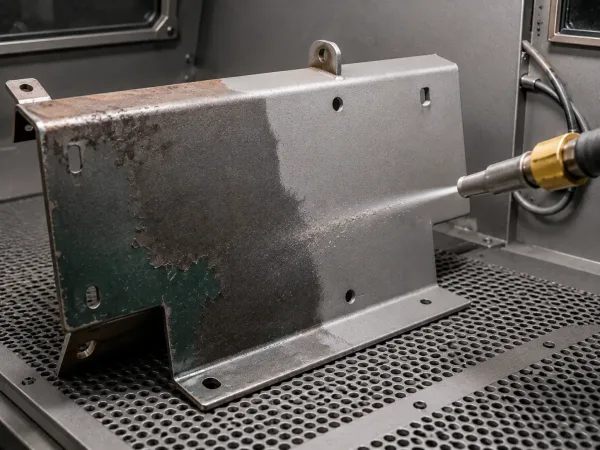
Strahlentlackung und Oberflächenveredelung für Metallteile

SR MFG bietet kontrolliertes Sandstrahlen für Blech- und bearbeitete Metallteile, die eine zuverlässige Oberflächenvorbereitung vor dem Lackieren, Pulverbeschichten, E-Coating, Galvanisieren oder anderen Veredelungsprozessen erfordern.

Wir helfen dabei, das richtige Strahlverfahren, das Strahlmittel, den Reinheitsgrad und das Oberflächenprofil zu definieren – basierend auf Haftung der Beschichtung, Korrosionsschutz, optischen Anforderungen und Kundenspezifikationen.
Beschichtungshaftung
Rost- und Oxidentfernung
Oberflächenprofilkontrolle
Vorbereitung vor der Endbearbeitung

Erhalten Sie ein individuelles Angebot in 24 Stunden

Laden Sie Ihre Zeichnungen für die technische Prüfung hoch.

Leeres Formular (#4)

Was ist Metall-Sandstrahlen?

Strahlen ist ein Oberflächenvorbereitungsverfahren, bei dem abrasives Strahlmittel mit hoher Geschwindigkeit auf Metallteile geschleudert wird, um Rost, Walzzunder, alte Beschichtungen und andere Verunreinigungen zu entfernen. Es erzeugt eine kontrollierte Oberflächenrauheit (Haftprofil), die die Beschichtungshaftung verbessert und gleichmäßige, konsistente optische Ergebnisse liefert.

Das Endergebnis hängt von der richtigen Kombination aus Strahlmittelauswahl, Ausrüstung und Prozesskontrolle ab, um das richtige Gleichgewicht zwischen Sauberkeit, Profiltiefe und Oberflächenintegrität für jede Anwendung zu gewährleisten.

Abrasive blasting process for metal surface preparation

Vor- und Nachteile des Strahlens

Vorteile

  • Entfernt schnell Rost, Zunder und alte Beschichtungen.
  • Verbessert die Beschichtungshaftung durch ein kontrolliertes Haftprofil.
  • Unterstützt matte oder strukturierte optische Oberflächen.
  • Prozesseinstellungen können an unterschiedliche Teilanforderungen angepasst werden.

Einschränkung / Risiken

  • 1 Übermäßiges Strahlen kann empfindliche Kanten oder dünne Teile beschädigen.
  • 2 Reststaub oder Strahlmittel müssen vor der Beschichtung entfernt werden.
  • 3 Die Konsistenz hängt von der Kontrolle des Oberflächenprofils und der Sauberkeit ab.
  • 4 Staubkontrolle und Arbeitsschutzmaßnahmen sind erforderlich.

Anwendungen des Metall-Sandstrahlens (Strahlentlackung)

Typische Strahlanwendungen hängen vom Substratmaterial, dem Reinheitsziel, dem Oberflächenprofil und den nachgelagerten Beschichtungs- oder Montageanforderungen ab.

Medizinische & Laborgeräte

Wird für Gehäuse, Instrumententafeln, Sterilisatorabdeckungen und Metallteile verwendet, die eine saubere, gleichmäßige Oberfläche vor der Beschichtung oder Veredelung benötigen.

Neue Energie & Batterieausrüstung

Wird auf Batteriegehäuse, PV-Montageteile, EV-Komponenten und Schaltschrankstrukturen angewendet, um die Beschichtungshaftung und Oberflächenkonsistenz zu verbessern.

Automobil- & Maschinenteile

Geeignet für Fahrwerksteile, Räder, Halterungen, Gussteile und Strukturkomponenten, die Rostentfernung, Vorbereitung oder strukturierte Oberflächen erfordern.

Elektronik- & Präzisionsgehäuse

Häufig für Metallgehäuse, Paneele und Präzisionsteile, die eine kontrollierte Oberflächenrauheit und optische Gleichmäßigkeit erfordern.

Industrieausrüstung & Rahmen

Wird auf Ausrüstungsrahmen, Schweißbaugruppen, Schaltschränke und Fertigungsteile vor dem Pulverbeschichten, Lackieren oder Schützen verwendet.

Beschichtungsvorbehandlung

Ein effektiver Vorbehandlungsschritt zur Entfernung von Rost, alten Beschichtungen, Zunder und Verunreinigungen, während ein Haftprofil für bessere Haftung erzeugt wird.

Technischer Hinweis: Die endgültigen Strahlanforderungen sollten auf Materialtyp, Reinheitsgrad, Oberflächenprofilziel, optische Erwartungen und das nachgelagerte Beschichtungssystem abgestimmt werden.

Welche Probleme löst das Metall-Sandstrahlen?

Strahlentlackung hilft, häufige Probleme bei der Oberflächenvorbereitung, Haftung und Konsistenz vor der Beschichtung oder Veredelung zu lösen

Rost, Zunder & alte Beschichtungen

Problem

Oberflächenverunreinigungen können die Haftung und das endgültige Aussehen beeinträchtigen.

Sandstrahl-Lösung

Entfernt Rost, Walzzunder, Schweißspritzer und alte Beschichtungen, um ein sauberes Substrat zu schaffen.

Kontrolle / Verifizierung

Die Sauberkeit kann bei Bedarf gemäß ISO 8501-1 geprüft werden.

Schlechte Beschichtungshaftung

Problem

Glatte oder verunreinigte Oberflächen können zu Abblättern, Blasenbildung oder schwacher Beschichtungsleistung führen.

Sandstrahl-Lösung

Erzeugt ein kontrolliertes Haftprofil für Lackieren, Pulverbeschichten und Schutzbeschichtungen.

Kontrolle / Verifizierung

Das Oberflächenprofil kann mit ISO 8503 oder ASTM D4417 Methoden geprüft werden.

Kleine Grate & Schweißrückstände

Problem

Light burrs, weld residue, and sharp edge feel can affect assembly and cosmetic quality.

Sandstrahl-Lösung

Selected media and tuned parameters improve edge feel and surface consistency.

Kontrolle / Verifizierung

Visual inspection and approved samples define the acceptable finish.

Batch-to-Batch Variation

Problem

Manual prep and uncontrolled blasting can create inconsistent production results.

Sandstrahl-Lösung

Controlled parameters help standardize surface preparation for repeatable output.

Kontrolle / Verifizierung

Process records, sample approval, and inspection criteria help maintain consistency.

Engineering note: Verification can include cleanliness review, surface profile checks, and optional adhesion or salt spray validation when specified.

Controlled for consistency

How We Select the Right BlastingMethod

Dry Abrasive Blasting

Am besten geeignet für: Rust, scale, old coating removal, and high-throughput surface preparation.

Hinweis: Requires dust collection and post-blast cleaning.

Wet Abrasive Blasting

Am besten geeignet für: Lower dust, cosmetic surfaces, and controlled matte finishes.

Hinweis: Drying and flash-rust prevention must be managed.

Vacuum Blasting

Am besten geeignet für: Localized repair, sensitive areas, and controlled containment.

Hinweis: Lower productivity than open blasting.

High-Pressure Water Jetting

Am besten geeignet für: Removing loose rust, old coatings, and contaminants with less dust.

Hinweis: Usually does not create the same anchor profile as abrasive blasting.

Final method selection depends on substrate material, required cleanliness grade, surface profile target, coating system, part geometry, and inspection requirements.

Technische Prüfung empfohlen

Metal Compatibility for Abrasive Blasting

Different metals respond differently to blasting media, pressure, and surface-profile targets. Select the method based on substrate sensitivity and downstream finishing needs.

Common Steel Substrates

Beste Eignung
  • Ideal for rust, scale, and old coating removal
  • Common for structural steel and general fabricated parts
  • Supports coating prep and anchor profile creation

Edelstahl

Geeignet
  • Use clean or non-ferrous media to reduce contamination risk
  • Good for oxide removal and uniform matte appearance
  • Often used for medical, food, and decorative parts
Al Mg

Aluminum & Magnesium Alloys

Gentle Media Needed
  • Lower pressure and low-impact media are preferred
  • Suitable for cosmetic prep and light surface activation
  • Sample validation is recommended for appearance-critical parts

Copper & Brass

Cosmetic Review
  • Best for light cleaning and decorative texture control
  • Surface color and texture may change visibly
  • Evaluate media choice carefully before production

Titanium & High-Temp Alloys

Projektspezifisch
  • Media and roughness target must be confirmed case by case
  • Used for high-spec, aerospace, and corrosion-resistant parts
  • Engineering review is recommended before production

Cast Iron

Suitable for Cleaning
  • Effective for removing rust, sand, and scale
  • Common for housings, machinery parts, and cast components
  • Good for cleaning before coating or repainting

Technischer Hinweis: Final media selection should be based on substrate material, part thickness, cleanliness grade, target roughness, coating system, and approved sample requirements.

Technische Prüfung empfohlen

Metal Sandblasting Process Flow

Metal Abrasive Blasting Process (Video Walkthrough)

1

Eingangsprüfung

Confirm material, coating target, masking areas, surface condition, and inspection requirements.

2

Cleaning & Masking

Remove oil or loose contamination and protect threads, sealing faces, and other critical areas when required.

3

Drying / Preheating

Prepare the surface for stable blasting and reduce moisture-related quality risks.

4

Abrasive Blasting

Blast with selected media and controlled parameters to achieve the required cleanliness and surface profile.

5

Dust Removal &
Prüfung

Remove residual media and dust, then verify appearance, cleanliness, and profile when specified.

6

Rust Prevention /
Packing

Apply primer or temporary rust prevention if needed, then pack parts to protect the finished surface.

Engineering note: Actual process route depends on substrate material, cleanliness grade, surface profile target, masking requirements, downstream coating system, and customer specification.

Ready to Review Your Sandblasting Requirements?

Not sure which blasting media or surface profile is suitable for your parts? Send us your drawings, base material, current surface condition, cleanliness target, required surface profile, downstream coating process, and inspection requirements. Our engineering team will review the application and recommend a suitable blasting approach.
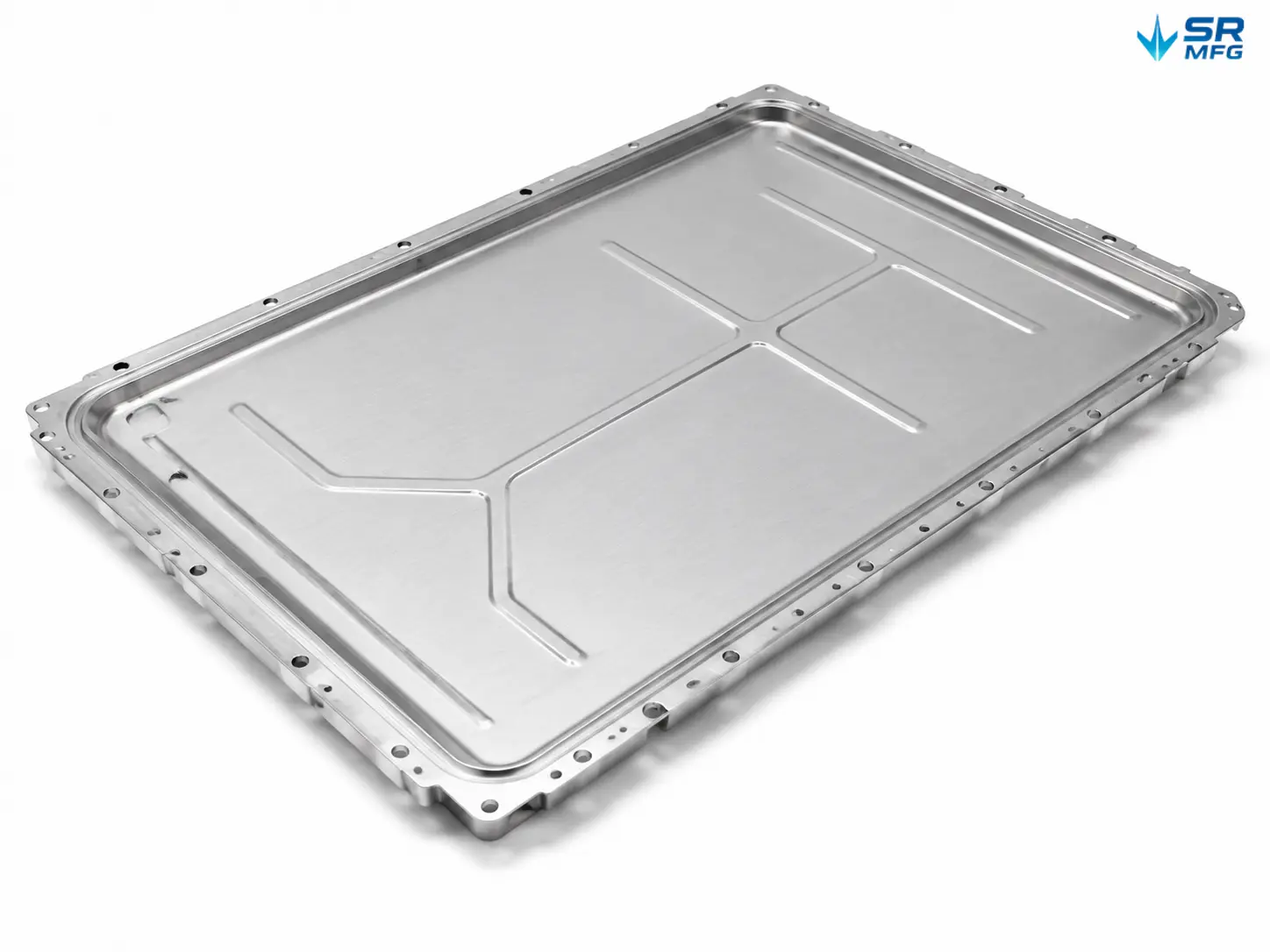
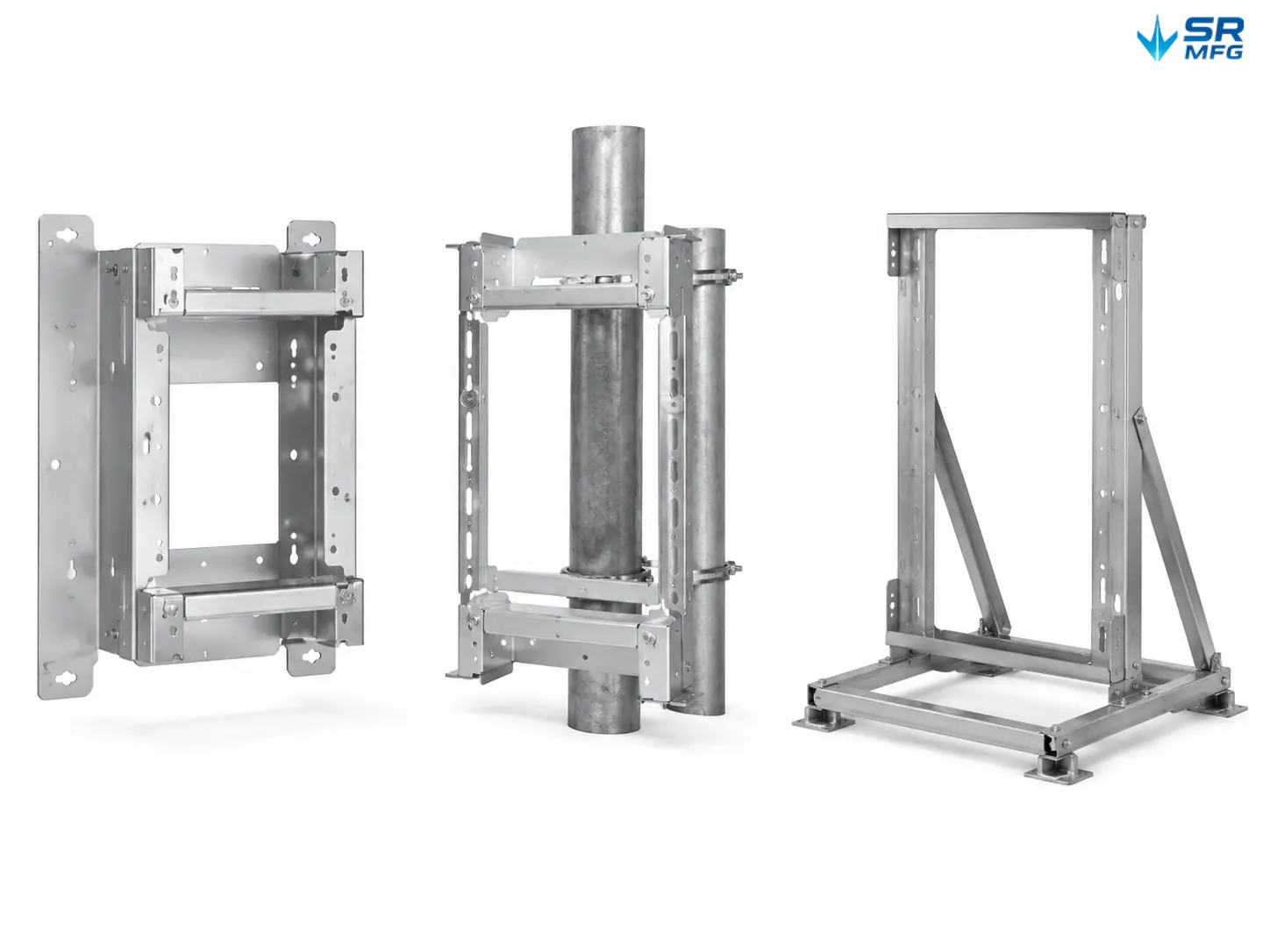
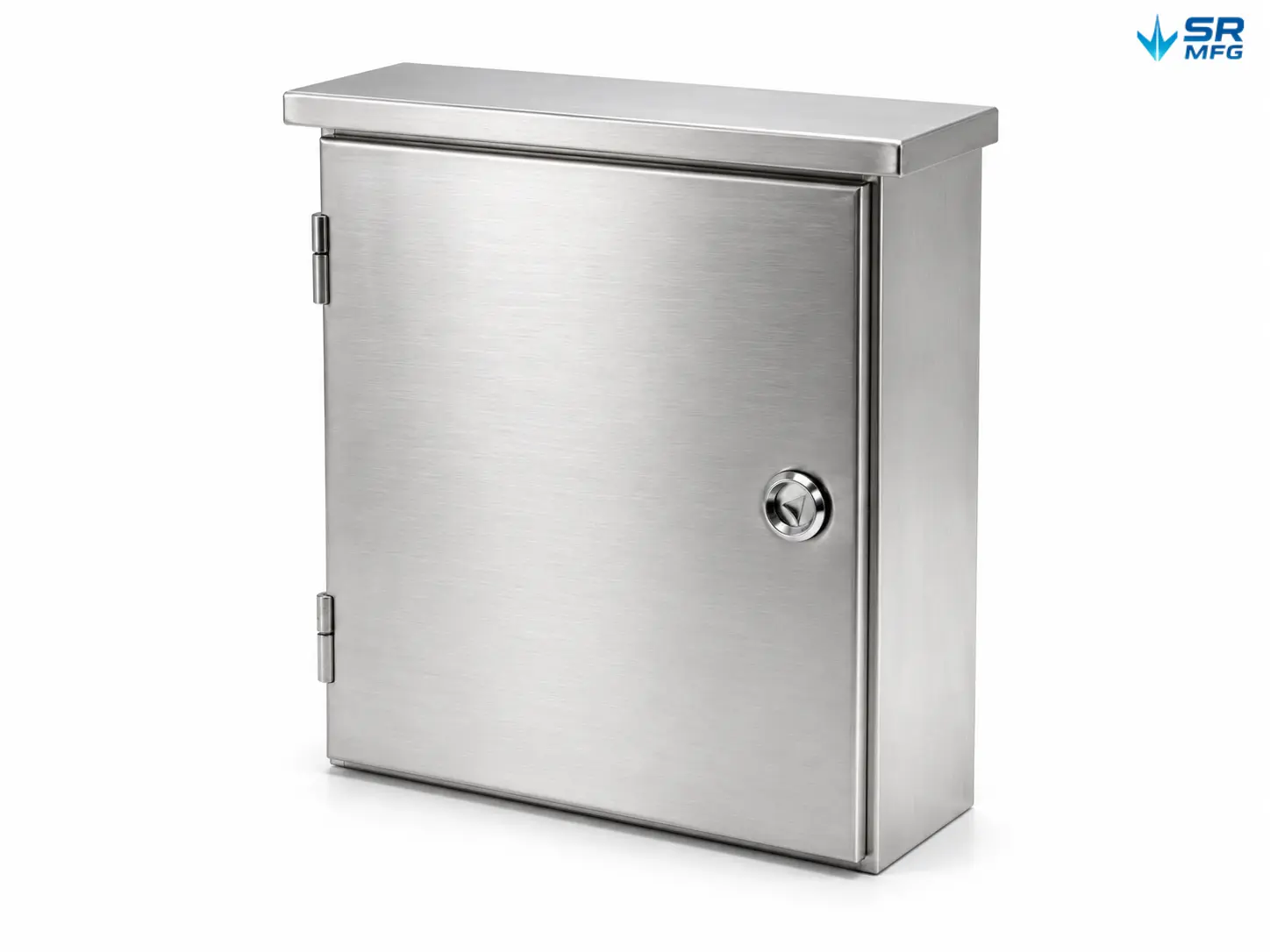
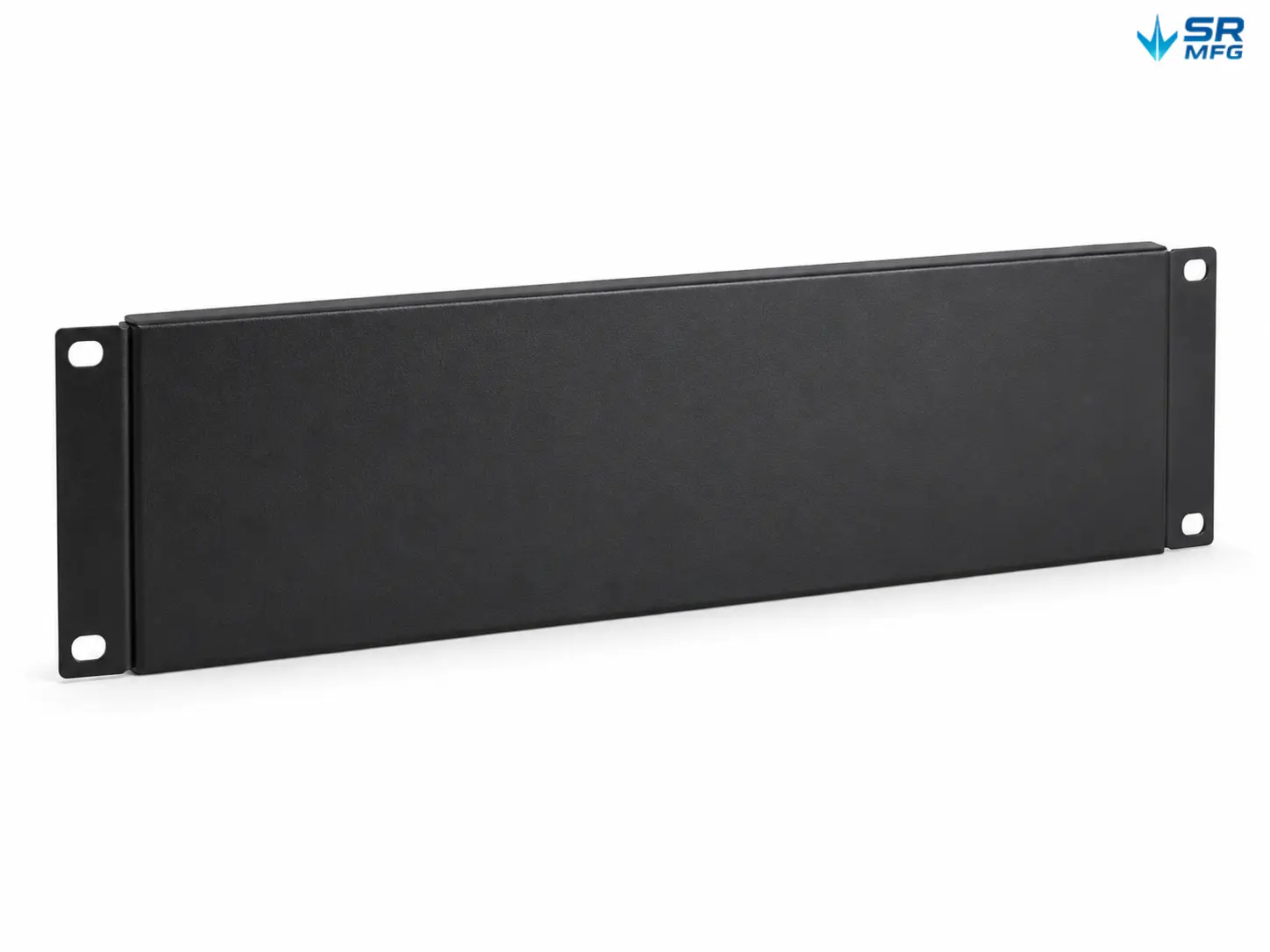
Related Sheet Metal Parts & Applications

Metal Abrasive Blasting FAQs​​​​

We select the process route based on the part’s function and required finish, including dry abrasive blasting, glass bead blasting (typically for a more satin appearance), and shot blasting. In industry, the more precise umbrella terms are often abrasive blasting oder media blasting (the media isn’t necessarily “sand”).

If you’re using the ISO 8501-1 system, a common callout is Sa 2½ (Very thorough blast-cleaning): the surface should be free of visible oil, grease, dirt, mill scale, rust, and coatings; any permitted residue appears only as slight spot or streak staining.

If you’re using AMPP/SSPC-SP 10 / NACE No.2 (Near-White), the common acceptance criterion is that staining does not exceed 5% of each unit area.

During onboarding, we clearly define the A-surface, viewing area, and (when relevant) texture direction. We then control media size and a fixed parameter window, and use approved samples as the production reference. When required, we also use profile comparators and/or measurement records to manage lot-to-lot consistency.

It can—especially on thin sheet, long slender parts, sharp edges, and structures sensitive to localized loading. We mitigate risk by controlling blast pressure, stand-off distance, angle, and dwell time, and by masking/protecting critical mating features. For tight-tolerance parts, we recommend validating on prototypes first.

We build a functional masking map. For example: plugging/protecting threaded holes, limiting or eliminating blasting on sealing and mating surfaces, and preserving defined electrical contact areas (or treating them per downstream process requirements) to avoid assembly interference and functional failures.

Freshly blasted steel can re-oxidize quickly. When conditions allow, we recommend moving into primer/powder coating as soon as possible (ideally the same day) or applying temporary protection. The allowable window depends on humidity, handling/exposure conditions, and the customer’s specification.

Technical Resources

Mattes Finish

August 2026|

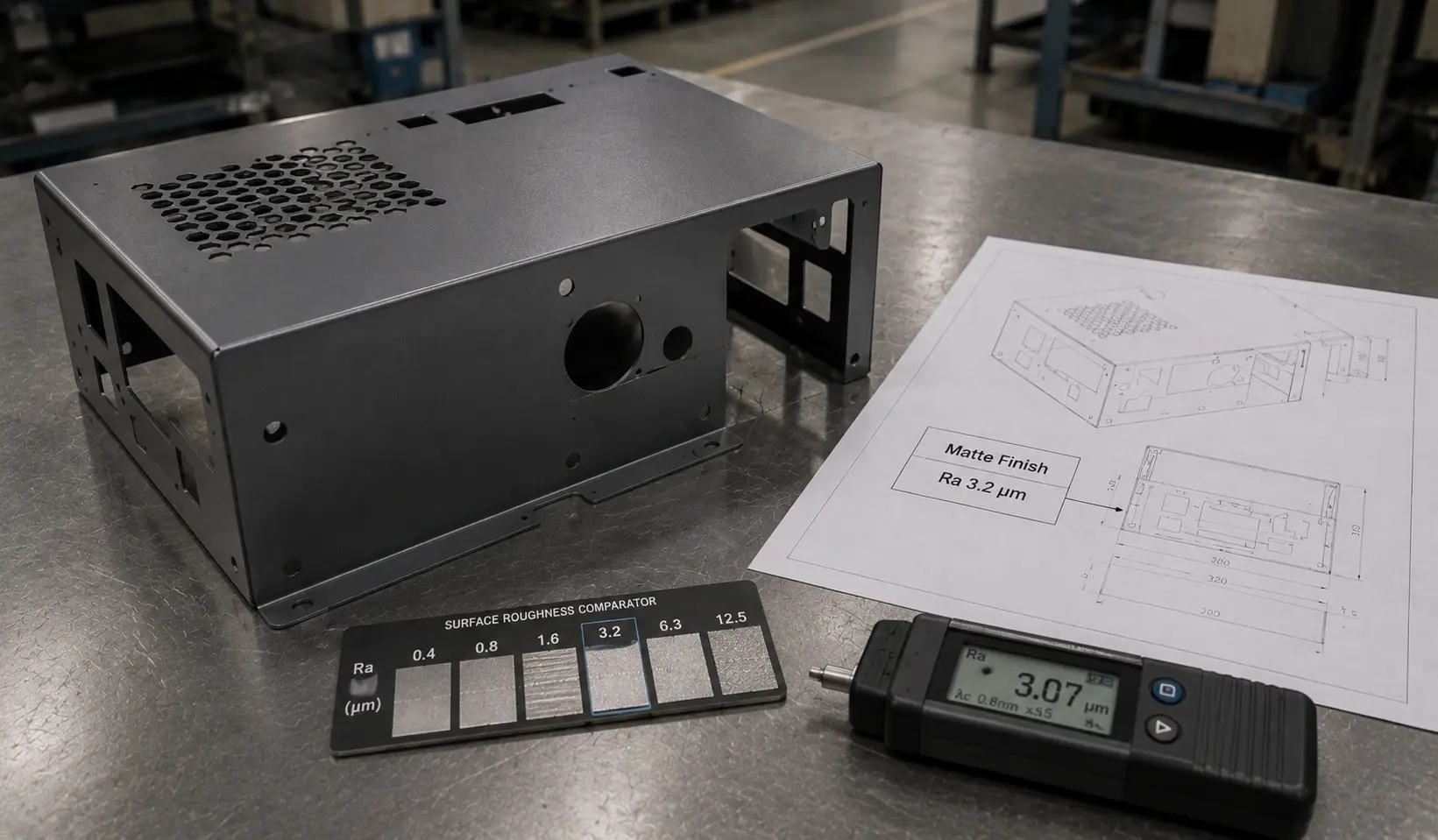
You have added “matte finish” to a drawing callout. The supplier responds asking for a surface roughness value. [...]

Technische Zeichnung

Mai 2026|

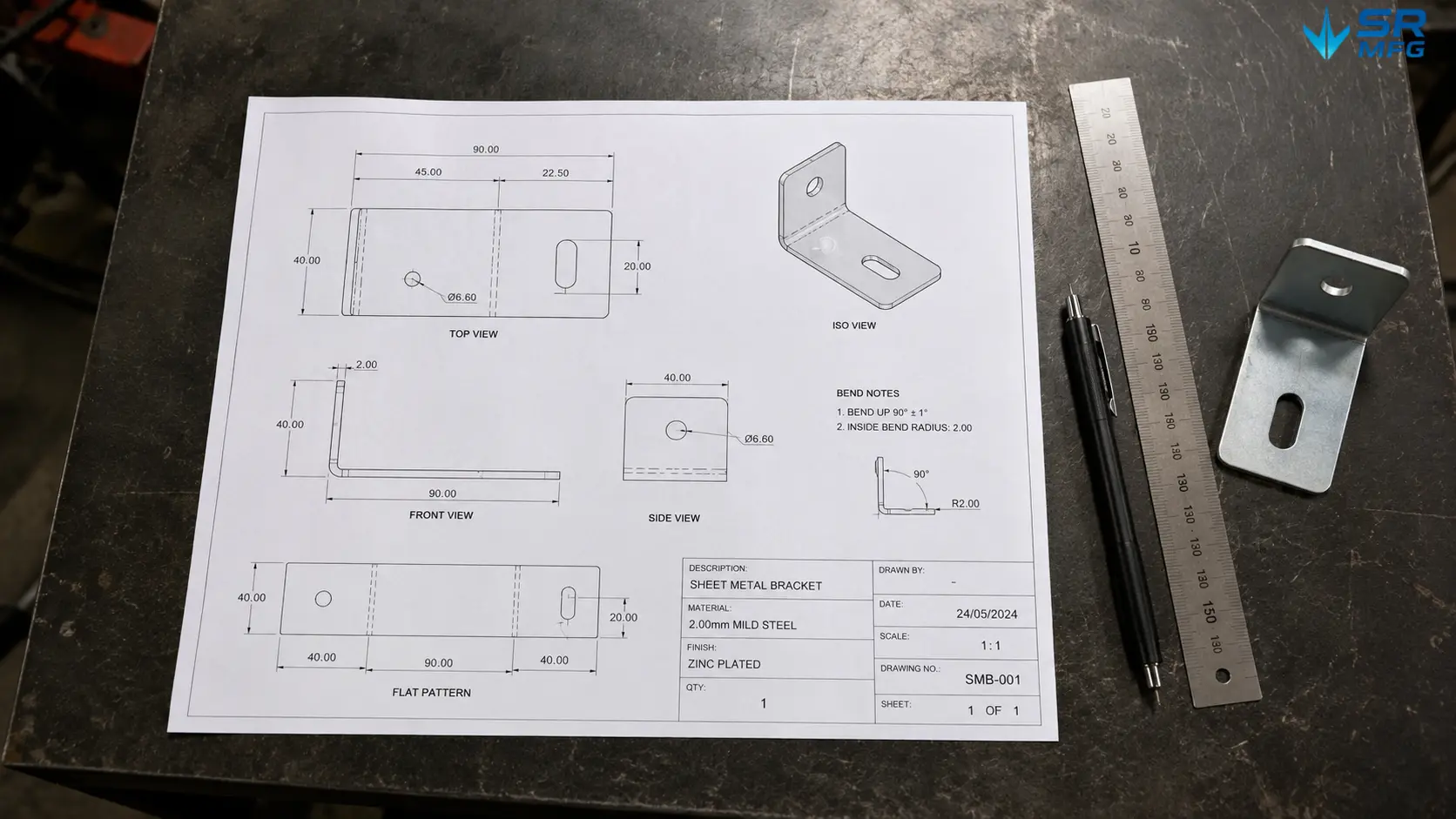
A technical drawing is a standardized, dimensioned document used to communicate the exact geometry, material, tolerances, and manufacturing [...]

Maßprüfung

September 2026|

Dimensional inspection is often described as “checking a part against its drawing.” That description is not wrong, but [...]

Nach oben