
Nasslackierung für Metallteile
SR MFG bietet Nassspritzlackierung für kundenspezifische Metallteile, Gehäuse, Paneele, Halterungen und gefertigte Baugruppen. Wir unterstützen Farbabstimmung, kontrollierten Schichtaufbau, Abkleben für Funktionsbereiche und Prüfprotokolle, um Optik, Korrosionsschutz und Montagezuverlässigkeit in Einklang zu bringen.
Farbabstimmung
Farbabstimmung nach RAL, Pantone oder freigegebenen physischen Mustern.
Abkleben für Funktionsbereiche
Abkleben für Gewinde, Passflächen, Erdungspunkte und Kontaktbereiche.
Prüfungsunterstützung
Prüfungsunterstützung für Optik, Schichtdicke, Haftung und Verpackungsqualität.
Erhalten Sie ein individuelles Angebot in 24 Stunden
Laden Sie Ihre Zeichnungen für die technische Prüfung hoch.
Was ist Metallspritzlackierung?
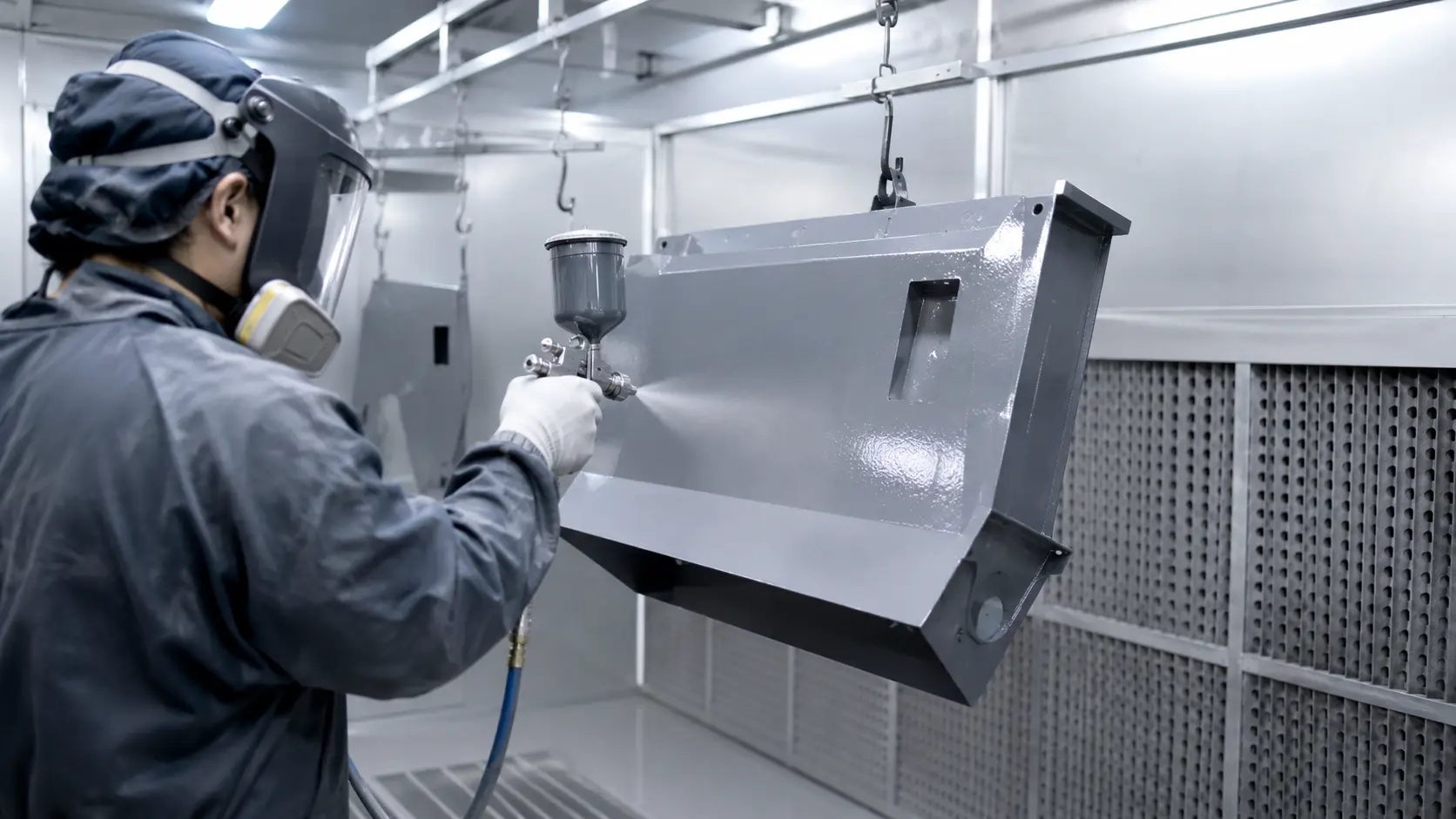
Metallspritzlackierung ist ein Nassbeschichtungsverfahren, bei dem Flüssiglack mittels Spritzausrüstung auf Metallteile aufgetragen wird. Im Vergleich zur Pulverbeschichtung bietet die Nasslackierung mehr Flexibilität bei Sonderfarben, Kleinserienprojekten, großen Teilen, Ausbesserungsarbeiten und Beschichtungssystemen, die Grundierung, Decklack oder spezielle Oberflächeneffekte erfordern.
Warum Nasslackierung funktioniert
Die Nasslackierung unterstützt Mehrschichtsysteme wie Grundierung, Zwischenschicht und Decklack und bietet größere Flexibilität bei der Oberflächenkontrolle und Haltbarkeit.
Sie ist ideal für komplexe Teile, Prototypen, Kleinserienfertigung, übergroße Komponenten oder Baugruppen, bei denen Pulverbeschichtung möglicherweise nicht die beste Wahl ist.
Typische Anwendungen
Geräte
Gehäuse
Maschinen
Abdeckungen
Halterungen &
Rahmen
Kundenspezifisch lackierte
Paneele
Flexible Farb- & Oberflächenoptionen
Breite Palette an Sonderfarben und Glanzgraden passend zu Ihrer Marke und Ihrem Design.
Grundierung + Decklack-Systeme
Langlebige, hochleistungsfähige Oberflächen mit maßgeschneiderten Mehrschichtbeschichtungen.
Geeignet für komplexe oder Kleinserienteile
Ideal für Teile mit komplexen Formen, speziellen Werkstoffen oder begrenzten Stückzahlen.
Metallteile, die wir üblicherweise lackieren
SR MFG bietet Nassspritzlackierung für eine breite Palette kundenspezifischer Blechmetallteile und gefertigter Metallbaugruppen. Jedes Projekt wird anhand von Werkstoff, Bauteilgeometrie, optischer Qualitätsstufe, Abklebanforderungen, Beschichtungssystem und Endprüfkriterien bewertet.
Gehäuse & Umschließungen
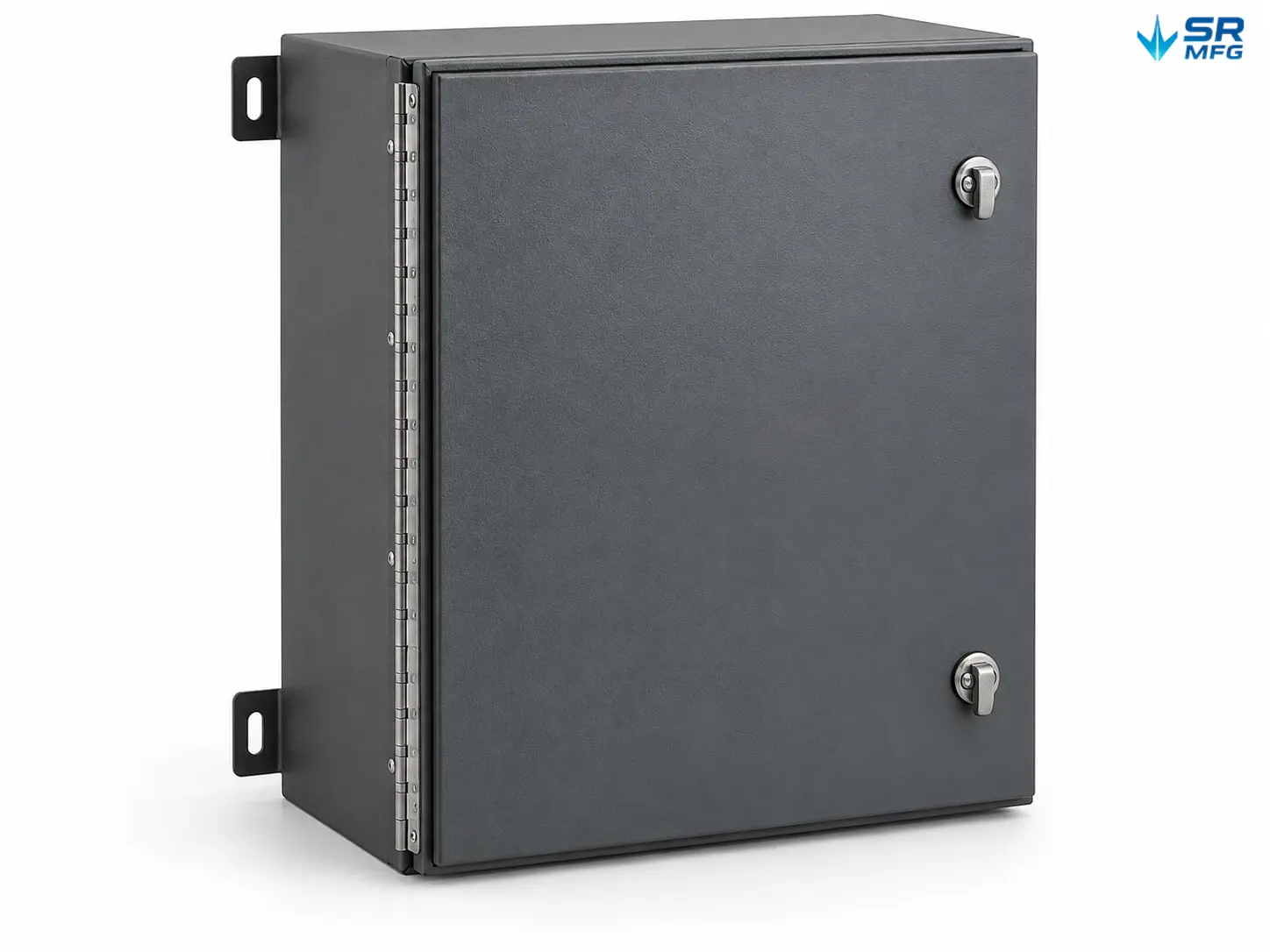
Schaltschränke, Steuerboxen, Telekom-Gehäuse, Server-Chassis und kundenspezifische Gehäuse mit Anforderungen an kontrolliertes Erscheinungsbild und Korrosionsschutz.
Struktur- & Trägerkomponenten
Halterungen, Montageplatten, Träger, Schienenteile, Versteifungen, Rahmen und Stützkomponenten, bei denen Haltbarkeit und Montagepassung entscheidend sind.
Gestanzte & umgeformte Teile
Paneele, Abdeckungen, Wannen, U-Profile, Kastenprofile und umgeformte Teile, die nach Biegen und Stanzen eine gleichbleibende Oberflächenqualität erfordern.
Schweißbaugruppen
Geschweißte Rahmen, geschweißte Gehäuse, Halterungsbaugruppen und gefertigte Strukturen, die Nahtreinigung, Abkleben und gleichmäßige Beschichtungsabdeckung erfordern.
Optische / Class-A-Oberflächen
Sichtbare Paneele und dekorative Metallteile mit definierten Anforderungen an Farbe, Glanz, Glätte und freigegebene Muster.
Lackierbare Werkstoffe & Oberflächenvorbereitung
Wir spritzlackieren üblicherweise Kohlenstoffstahl/Legierungsstahl/Gusseisen, Aluminium und Aluminiumlegierungen, Edelstahl, verzinkten Stahl und—auf Anfrage—Kupfer und Kupferlegierungen. Da jedes Substrat eigene Oberflächenbedingungen und Beschichtungsrisiken aufweist, muss die Vorbehandlungsmethode entsprechend abgestimmt werden.
Nachfolgend finden Sie SR MFGs praxisnahe, projektbasierte Empfehlungen für Lackierung und Oberflächenvorbereitung nach Werkstoff. Wenn Sie andere Werkstoffe oder besondere Anforderungen haben, kontaktieren Sie uns und wir bewerten den besten Prozess für Ihre Anwendung.
Werkstoffe, die wir üblicherweise lackieren
Gängige Werkstoffe für die Metallspritzlackierung sind Kohlenstoffstahl, verzinkter Stahl, Aluminiumlegierungen und Edelstähle. Für beste Ergebnisse sollten Oberflächenvorbereitungsmethode, Grundierungswahl, Lacktyp, Beschichtungsdicke und Härtungsbedingungen vor der Produktion gemeinsam geprüft werden.
Kohlenstoffstahl
Verzinkter Stahl
Aluminiumlegierungen
Edelstähle
Speziell beschichtete Stähle
Kohlenstoffstahl
Gängige Güten: SPCC / DC01 / ASTM A1008
Typische Herausforderungen: Blanker kaltgewalzter Stahl hat ein hohes Korrosionsrisiko. Korrosionsschutzöl, Fingerabdrücke, Schneidflüssigkeiten und feine Oberflächenverunreinigungen können die Lackhaftung beeinträchtigen und Fischaugen, Krater oder ein ungleichmäßiges Erscheinungsbild verursachen.
Vorbehandlungsansatz von SR MFG:
Reinigung & Entfettung: Entfernt Walzöl, Korrosionsschutzöl, Fingerabdrücke, Schneidflüssigkeiten und Handhabungsverunreinigungen vor dem Lackieren.
Rostentfernung & Oberflächenprofilierung: Leichte mechanische Vorbereitung oder Feinschliff kann eingesetzt werden, wenn Oxidation, Kratzer oder Lagerungsspuren vorhanden sind.
Konversionsbeschichtung und/oder Grundierung: Phosphat-, Silan- oder Keramikkonversionsoptionen können je nach Korrosionsziel ausgewählt werden; Korrosionsschutzgrundierung wird für Außen- oder Feuchtanwendungen empfohlen.
Wesentliche Steuerungsparameter: Oberflächenreinheit, Trocknungsqualität, Beschichtungsfensterzeit, Grundierungskompatibilität und Vermeidung von Flash-Rost vor dem Lackieren.
Gängige Güten: Q235B / SS400 / ASTM A36 / S235JR
Typische Herausforderungen: Walzhaut, Rost, Schweißspritzer und raue Oberflächentextur können die Beschichtungshaftung beeinträchtigen und sichtbare Lackfehler verursachen. Die Oberflächenvorbereitung ist kritischer als bei kaltgewalztem Stahl.
Vorbehandlungsansatz von SR MFG:
Reinigung & Entfettung: Entfernt Schneidöl, Bearbeitungsöl, Fingerabdrücke und Fertigungsverunreinigungen vor der abrasiven oder mechanischen Vorbereitung.
Rostentfernung & Oberflächenprofilierung: Strahlen, Schleifen oder mechanische Entzunderung wird eingesetzt, um lose Walzhaut und Rost zu entfernen und gleichzeitig ein geeignetes Oberflächenprofil für die Grundierungshaftung zu erzeugen.
Konversionsbeschichtung und/oder Grundierung: Zinkphosphat-, Eisenphosphat-, Silan- oder Keramikvorbehandlung kann je nach Beschichtungssystem verwendet werden; Korrosionsschutzgrundierung wird für Struktur- oder Außenteile empfohlen.
Wesentliche Steuerungsparameter: Grad der Walzhautentfernung, Konsistenz des Oberflächenprofils, Reinigung der Schweißbereiche, Kantenabdeckung und Beschichtungsfensterzeit vor dem Grundieren.
Gängige Güten: SPHC-P / DD11 / ASTM A1011 P&O
Typische Herausforderungen: Die Oberfläche ist sauberer als bei gewöhnlichem warmgewalztem Stahl, aber der Ölfilm muss vor dem Lackieren vollständig entfernt werden. Restöl kann zu Haftungsversagen, Fischaugen oder schlechter Grundierungsbenetzung führen.
Vorbehandlungsansatz von SR MFG:
Reinigung & Entfettung: Entfernt Beizöl, Korrosionsschutzöl, Schneidflüssigkeiten und Fingerabdrücke vor dem Lackieren.
Rostentfernung & Oberflächenprofilierung: In der Regel leichter als bei warmgewalztem Stahl; Schleifen oder mechanische Vorbereitung kann für Kanten, Schweißnähte oder gelagertes Material mit Oxidation verwendet werden.
Konversionsbeschichtung und/oder Grundierung: Phosphat-, Silan- oder Keramikkonversionsbeschichtung kann die Lackhaftung und Korrosionsbeständigkeit verbessern; die Grundierungswahl hängt von der Innen- oder Außenanwendung ab.
Wesentliche Steuerungsparameter: Ölentfernung, wasserbruchfreier Oberflächenzustand, Kantenreinheit, Trocknungsqualität und Zeit zwischen Vorbehandlung und Lackierung.
Gängige Güten: Q355 / S355 / ASTM A572
Typische Herausforderungen: Ähnliches Korrosionsrisiko wie bei Kohlenstoffstahl, aber Strukturteile haben oft Schweißnähte, dickere Kanten und tragende Oberflächen, die einen besseren Kantenschutz und eine bessere Grundierungsabdeckung erfordern.
Vorbehandlungsansatz von SR MFG:
Reinigung & Entfettung: Entfernt Bearbeitungsöl, Schneidflüssigkeit, Schweißrückstände, Fingerabdrücke und allgemeine Werkstattverunreinigungen.
Rostentfernung & Oberflächenprofilierung: Strahlen oder mechanische Vorbereitung wird für geschweißte oder hochbeanspruchte Strukturen empfohlen, um die Grundierungshaftung und Beschichtungshaltbarkeit zu verbessern.
Konversionsbeschichtung und/oder Grundierung: Phosphat- oder Silanvorbehandlung kann mit Korrosionsschutzgrundierung verwendet werden; Zinkstaubgrundierung kann für höhere Korrosionsbeständigkeit ausgewählt werden.
Wesentliche Steuerungsparameter: Schweißnahtreinigung, Kantenverrundung, Oberflächenprofil, Grundierungsschichtdicke, Überbeschichtungsfenster und Korrosionsschutz um Löcher und Schnittkanten.
Verzinkte Materialien
Gängige Güten: SGCC / DX51D+Z / ASTM A653
Typische Herausforderungen: Die Zinkoberfläche kann die Lackhaftung beeinträchtigen, wenn Passivierung, Weißrost, Öl oder Lagerungsverunreinigungen nicht entfernt werden. Umgeformte oder geschnittene Kanten benötigen möglicherweise zusätzlichen Schutz.
Vorbehandlungsansatz von SR MFG:
Reinigung & Entfettung: Entfernt Passivierungsrückstände, Lageröl, Fingerabdrücke, Schneidflüssigkeiten und Oberflächenverunreinigungen.
Rostentfernung & Oberflächenprofilierung: Leichtes Abschleifen, Sweep-Strahlen oder mechanische Vorbereitung kann eingesetzt werden, wenn Weißrost, Oxidation oder Haftungsrisiko vorhanden ist.
Konversionsbeschichtung und/oder Grundierung: Zinkkompatible Vorbehandlung wie Phosphat-, Silan- oder Keramikkonversionsbeschichtung kann verwendet werden; verzinkungsverträgliche Grundierung wird empfohlen, wenn die Korrosionsleistung wichtig ist.
Wesentliche Steuerungsparameter: Übermäßig aggressives Strahlen vermeiden, das die Zinkschicht beschädigt; Haftung, Weißrostentfernung, Schnittkantenschutz und Kompatibilität zwischen Grundierung und verzinkter Oberfläche kontrollieren.
Gängige Güten: SECC / DX51D+ZE
Typische Herausforderungen: Die Zinkbeschichtung ist dünner und gleichmäßiger als bei feuerverzinktem Stahl, aber Öl, Fingerabdrücke und Oberflächenpassivierung können die Lackhaftung dennoch beeinträchtigen.
Vorbehandlungsansatz von SR MFG:
Reinigung & Entfettung: Entfernt Stanzöl, Fingerabdrücke, Schneidflüssigkeiten und leichte Oberflächenverunreinigungen vor dem Spritzlackieren.
Rostentfernung & Oberflächenprofilierung: In der Regel nur leichte mechanische Vorbereitung; übermäßiges Abschleifen sollte vermieden werden, um unnötige Schäden an der Zinkbeschichtung zu verhindern.
Konversionsbeschichtung und/oder Grundierung: Phosphat-, Silan- oder Keramikvorbehandlung kann ausgewählt werden; Grundierung wird für lackierte Gehäuse, Schränke und Innen-/Außensteuerungspaneele empfohlen.
Wesentliche Steuerungsparameter: Beschichtungshaftung, Oberflächenreinheit, Zinkschichtschutz, Lackbenetzung und stabiles Erscheinungsbild nach dem Trocknen oder Einbrennen.
Gängige Güten: DX51D+ZF / ASTM A653 A40 / A60
Typische Herausforderungen: Die Zink-Eisen-Oberfläche hat im Allgemeinen eine gute Lackierbarkeit, aber Pulverbildung, Umformrückstände und lose Oberflächenpartikel können Erscheinungsbild und Haftung beeinträchtigen.
Vorbehandlungsansatz von SR MFG:
Reinigung & Entfettung: Entfernt Umformöl, Staub, lose Partikel, Schneidflüssigkeiten und Fingerabdrücke vor dem Lackieren.
Rostentfernung & Oberflächenprofilierung: Leichtes Bürsten, Abwischen oder mechanische Reinigung kann für umgeformte Kanten, Schweißnähte oder kontaminierte Bereiche verwendet werden.
Konversionsbeschichtung und/oder Primer: Phosphat- oder Silanvorbehandlung kann eine bessere Haftung unterstützen; der Primer wird basierend auf Korrosions- und Oberflächenanforderungen ausgewählt.
Key controls: Surface powder removal, paint adhesion, formed-edge coverage, weld-area cleaning, and primer compatibility.
Aluminiumlegierungen
Common Grades: 5052-H32 / 5052-H34
Common challenges: Aluminum forms a natural oxide layer and can show scratches, fingerprints, and handling marks after painting. Poor pretreatment may cause adhesion loss or corrosion under coating.
Vorbehandlungsansatz von SR MFG:
Cleaning & degreasing: Removes machining oil, cutting fluids, fingerprints, polishing residue, and shop contamination.
Rust removal & surface profiling: Light sanding, scuffing, or non-ferrous surface preparation can be used to improve mechanical adhesion without damaging the part surface.
Conversion coating and/or primer: Non-chrome or chrome-free conversion coating, silane, zirconium/ceramic pretreatment, or aluminum-compatible primer can be selected based on corrosion targets.
Key controls: Oxide removal/activation, surface cleanliness, pretreatment chemistry compatibility, primer adhesion, and color consistency after painting.
Common Grades: 6061-T6 / 6061-T651
Common challenges: Machined and formed 6061 surfaces may show tool marks, oxide film, and batch-to-batch surface variation. Paint appearance can be affected by sanding marks and surface texture.
Vorbehandlungsansatz von SR MFG:
Cleaning & degreasing: Removes machining coolant, cutting oil, fingerprints, and abrasive residue before painting.
Rust removal & surface profiling: Light sanding, scuffing, or controlled blasting can be used to create a uniform surface for primer adhesion.
Conversion coating and/or primer: Aluminum conversion coating or chrome-free pretreatment can be paired with epoxy or polyurethane primer for improved adhesion and corrosion resistance.
Key controls: Surface profile uniformity, oxide control, primer compatibility, masking accuracy, and protection of threaded or machined areas.
Common Grades: 3003-H14 / 3003-H24
Common challenges: Soft aluminum is easy to scratch or dent before painting. Surface marks may remain visible through thin paint films if not prepared properly.
Vorbehandlungsansatz von SR MFG:
Cleaning & degreasing: Removes rolling oil, handling marks, fingerprints, and forming lubricants.
Rust removal & surface profiling: Light sanding or scuffing can improve paint adhesion and help reduce visible surface defects.
Conversion coating and/or primer: Aluminum-compatible conversion coating or primer can be used depending on indoor, outdoor, or decorative requirements.
Key controls: Handling protection, scratch prevention, surface uniformity, primer wetting, and clean drying before painting.
Common Grades: 5754-H22 / 5754-H111
Common challenges: Good corrosion resistance, but formed aluminum panels can still have oxide film, forming lubricant, and visible surface marks that affect paint appearance.
Vorbehandlungsansatz von SR MFG:
Cleaning & degreasing: Removes forming oil, fingerprints, cutting fluids, and storage contamination.
Rust removal & surface profiling: Light mechanical preparation or non-ferrous surface conditioning can improve adhesion and appearance.
Conversion coating and/or primer: Chrome-free conversion coating, silane, ceramic pretreatment, or aluminum-compatible primer can be selected for outdoor or transportation applications.
Key controls: Pretreatment uniformity, adhesion after forming, edge coverage, surface appearance, and coating performance in outdoor environments.
Edelstähle
Common Grades: 304 / 304L
Common challenges: Stainless steel has a passive surface that can make paint adhesion more difficult than carbon steel. Fingerprints, polishing compound, welding discoloration, and oil can compromise coating adhesion.
Vorbehandlungsansatz von SR MFG:
Cleaning & degreasing: Removes fingerprints, polishing paste, cutting fluids, adhesive residue, and welding-related contamination.
Rust removal & surface profiling: Light abrasive preparation, scuffing, or blasting with stainless-compatible media can improve mechanical adhesion.
Conversion coating and/or primer: Stainless-compatible primer is usually more important than traditional steel phosphating; epoxy primer or adhesion-promoting primer may be selected.
Key controls: Surface roughness, clean passive surface, primer adhesion, weld discoloration removal, and avoiding cross-contamination from carbon steel tools.
Common Grades: 316 / 316L
Common challenges: 316 stainless steel is highly corrosion resistant, but this also means paint adhesion can be more demanding. Marine or chemical applications require careful primer selection.
Vorbehandlungsansatz von SR MFG:
Cleaning & degreasing: Removes oil, fingerprints, polishing residue, cutting fluids, and chloride contamination before painting.
Rust removal & surface profiling: Controlled scuffing or blasting can be used to create adhesion profile without damaging the stainless surface.
Conversion coating and/or primer: Adhesion-promoting primer, epoxy primer, or high-performance coating system is recommended for marine, outdoor, or chemical environments.
Key controls: Chloride contamination control, surface profile, primer compatibility, recoat window, and long-term adhesion under corrosive exposure.
Common Grades: 201 / 201J1 / 201J2
Common challenges: Lower corrosion resistance than 304, and surface quality can vary by batch. Painted 201 parts need reliable pretreatment to reduce corrosion risk at edges, scratches, and welds.
Vorbehandlungsansatz von SR MFG:
Cleaning & degreasing: Removes polishing compound, fingerprints, cutting fluids, and fabrication contamination.
Rust removal & surface profiling: Light sanding or scuffing can improve adhesion; weld discoloration and contaminated areas should be cleaned before primer.
Conversion coating and/or primer: Stainless-compatible primer or epoxy primer is recommended when corrosion protection is needed.
Key controls: Edge protection, weld cleaning, surface uniformity, primer adhesion, and avoiding use in harsh outdoor environments unless coating system is specified.
Common Grades: 430 / 430BA
Common challenges: 430 stainless steel is often used for decorative and appliance parts, but its lower corrosion resistance and lower formability compared with 304 require better edge and surface protection when painted.
Vorbehandlungsansatz von SR MFG:
Cleaning & degreasing: Removes fingerprints, polishing residue, protective film adhesive, and forming oil.
Rust removal & surface profiling: Light scuffing or fine abrasive preparation can improve paint adhesion while maintaining decorative surface quality.
Conversion coating and/or primer: Adhesion-promoting primer or stainless-compatible primer can be used for painted decorative panels and appliance parts.
Key controls: Surface appearance, scratch control, primer wetting, edge coverage, and prevention of contamination from carbon steel particles.
Hinweis: Recommended paint system and coating specifications depend on material type, surface condition, part geometry, application environment, and end-use requirements. Surface preparation, primer selection, paint type, and curing process should be evaluated together for optimal adhesion and finish quality. Please share drawings and technical specifications for engineering review before production.
SR MFG Spray Painting Process Flow
SR MFG Metal Part Spray Painting Process Flow
Requirement & Finish Review
Confirm drawings, color, gloss, masking areas, and inspection standards.
Incoming Inspection & Surface Prep
Check part condition; complete sanding, deburring, or repair if needed.
Cleaning & Pretreatment
Remove oil, dust, and contaminants; apply suitable pretreatment.
Masking & Fixturing
Protect threads, mating surfaces, grounding points, and no-paint zones.
Primer / Topcoat Application
Apply primer, intermediate coat, or topcoat based on the coating system.
Drying / Curing & Cooling
Dry or bake parts per paint-system requirements, then cool carefully.
Final Inspection & Packing
Check appearance, color, film build, masking quality, and packing condition.
Common Paint Colors & Finish Options
SR MFG supports spray painting finishes for custom sheet metal parts based on project requirements, including color, gloss level, surface texture, coating system, and approved physical samples. The color samples below are for reference only and should be confirmed by RAL code, Pantone code, customer sample, or signed production sample before mass production.
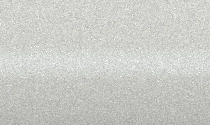
Gloss White
Clean and bright finish for electrical enclosures, control boxes, medical equipment panels, and visible sheet metal housings.
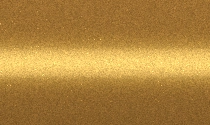
Metallic Gold
Decorative metallic finish for display parts, branded components, covers, and custom appearance projects.
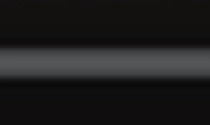
Matte Black
Low-reflection finish for industrial equipment, machine covers, brackets, panels, and functional metal parts.
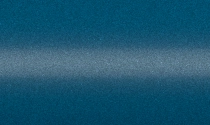
Deep Blue
Brand-color finish commonly used for equipment covers, panels, enclosures, and customer-specific product lines.

Dark Gray
Neutral industrial finish suitable for machinery guards, cabinet shells, structural parts, and general fabricated components.

Silver Gray
Clean technical appearance for control cabinets, instrument housings, panels, and equipment enclosures.
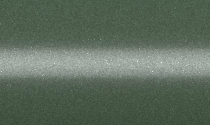
Olive Green
Durable industrial color option for outdoor equipment, utility housings, brackets, and protective covers.
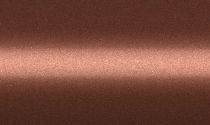
Copper Brown
Warm metallic-style appearance for decorative covers, branded panels, and custom painted metal parts.
Ready to Discuss Your Metal Painting Requirements?
Not sure which paint system is suitable for your project? Contact us with your drawings, material, color, gloss level, service environment, masking requirements, and inspection standards. Our engineering team will review your requirements and recommend a suitable painting solution.
Industries & Metal Spray Painting Applications
SR MFG provides professional metal spray painting services for OEM components used in industrial equipment, cabinets, brackets, frames, enclosures, and structural assemblies. We support both prototype finishing and stable batch production across multiple application sectors.
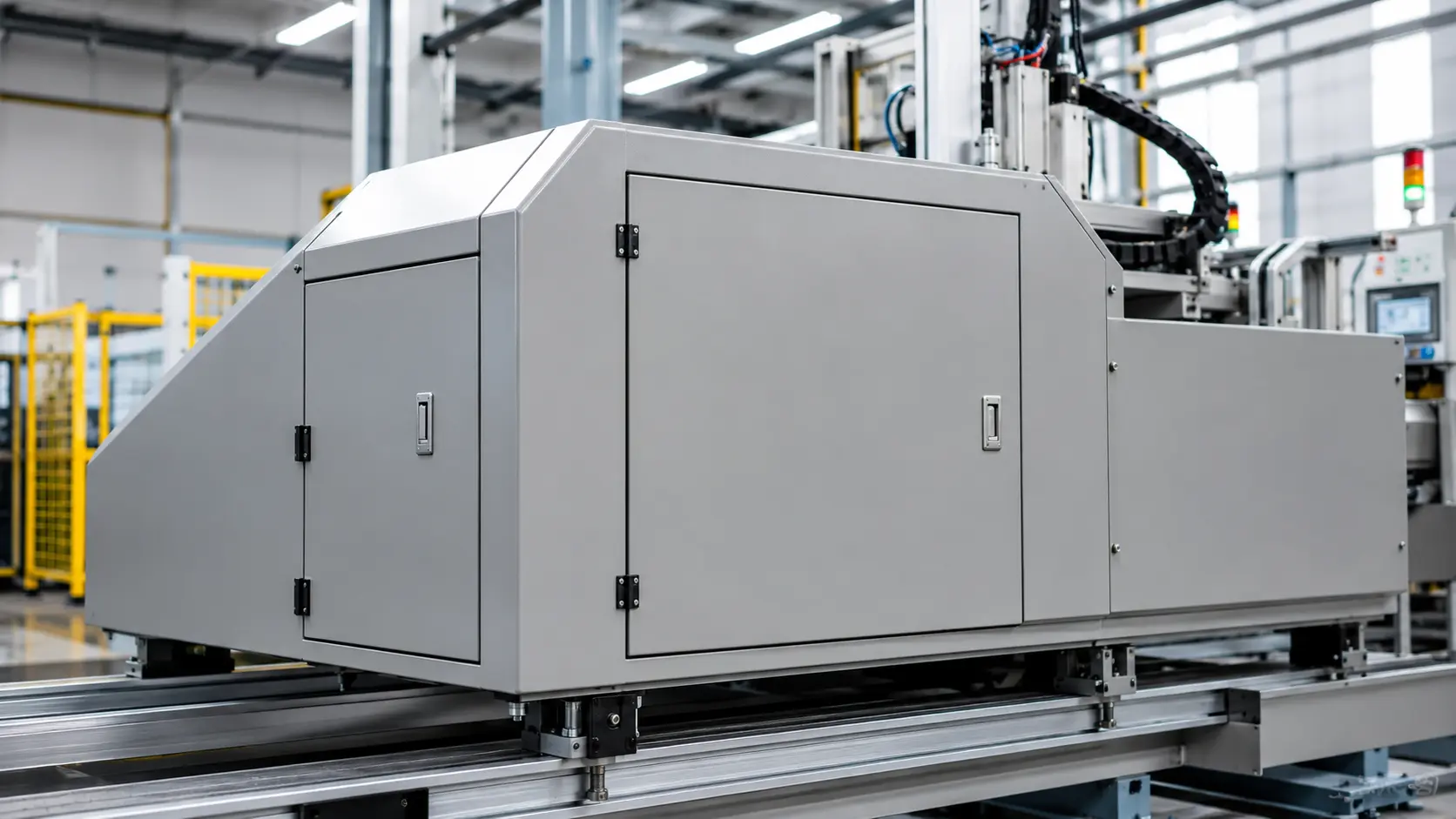
Rechenzentren & IT-Ausrüstung
Metal spray painting for data center components, network infrastructure, and IT hardware, delivering smooth, durable finishes with excellent coverage and color consistency.
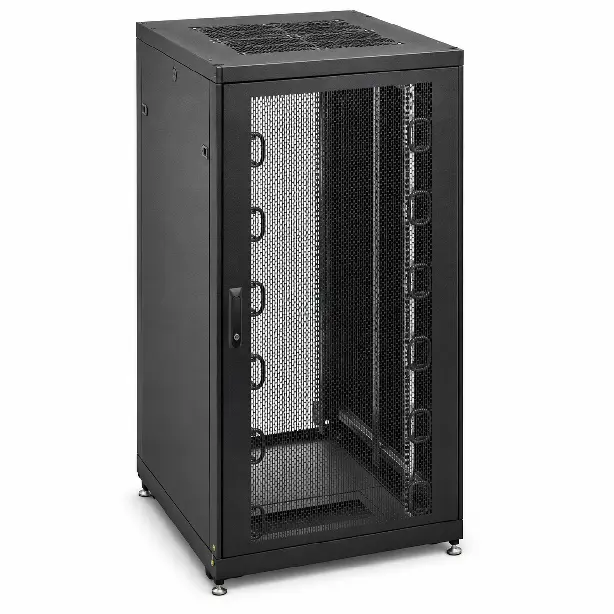
- Server-Rack-Rahmen & -Schienen
- Kabelmanagementwannen
- Schaltschrankpanele & -türen
- Montagehalterungen & -platten
Unterhaltungselektronik
Custom spray painting for consumer electronics housings, internal brackets, display structures, and precision metal assemblies, providing refined surface appearance with scratch and fingerprint resistance.
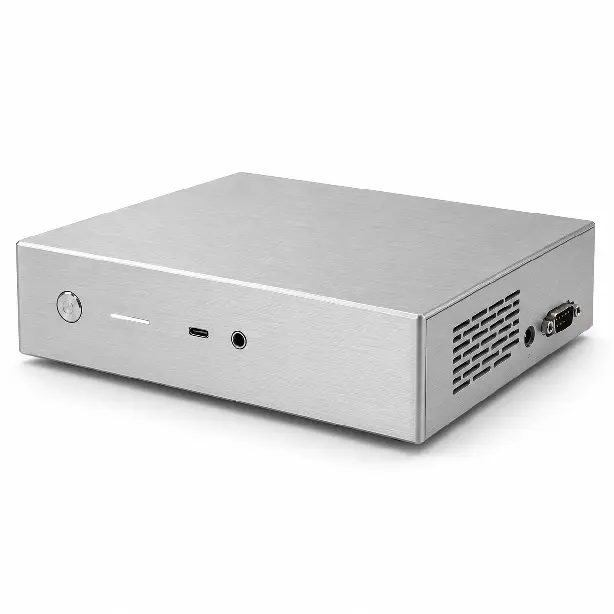
- Gerätegehäuse & -abdeckungen
- Interne Stützhalterungen
- Display-Montagestrukturen
- Metallteile für Lautsprecher & Audio
- Kleine präzisionsgeformte Teile
Elektrische Ausrüstung
Metal spray painting for electrical enclosures, control cabinets, power distribution units, and industrial electrical components, offering strong corrosion resistance and reliable insulation compatibility.
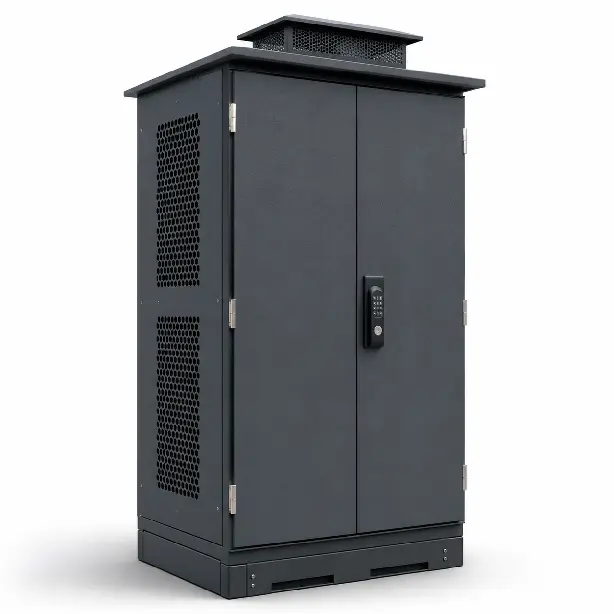
- Elektroschrankgehäuse
- Steuerboxpaneele
- Klemmenmontageplatten
- DIN-Schienenhalterungen
- Lüftungs- und Zugangsplatten
Industrielle Ausrüstung
Durable spray painted finishes for machinery, automation systems, production equipment, and structural machine assemblies, built to resist chipping, abrasion, and shop-floor wear.
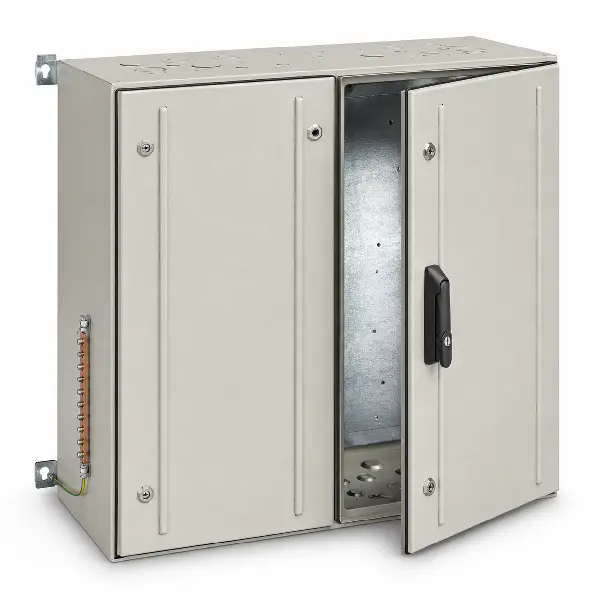
- Maschinenabdeckungen & -schutzbleche
- Ausrüstungsrahmen
- Förderbandhalterungen
- Sensormontageplatten
- Schutzpaneele & -abschirmungen
Neue Energiesysteme
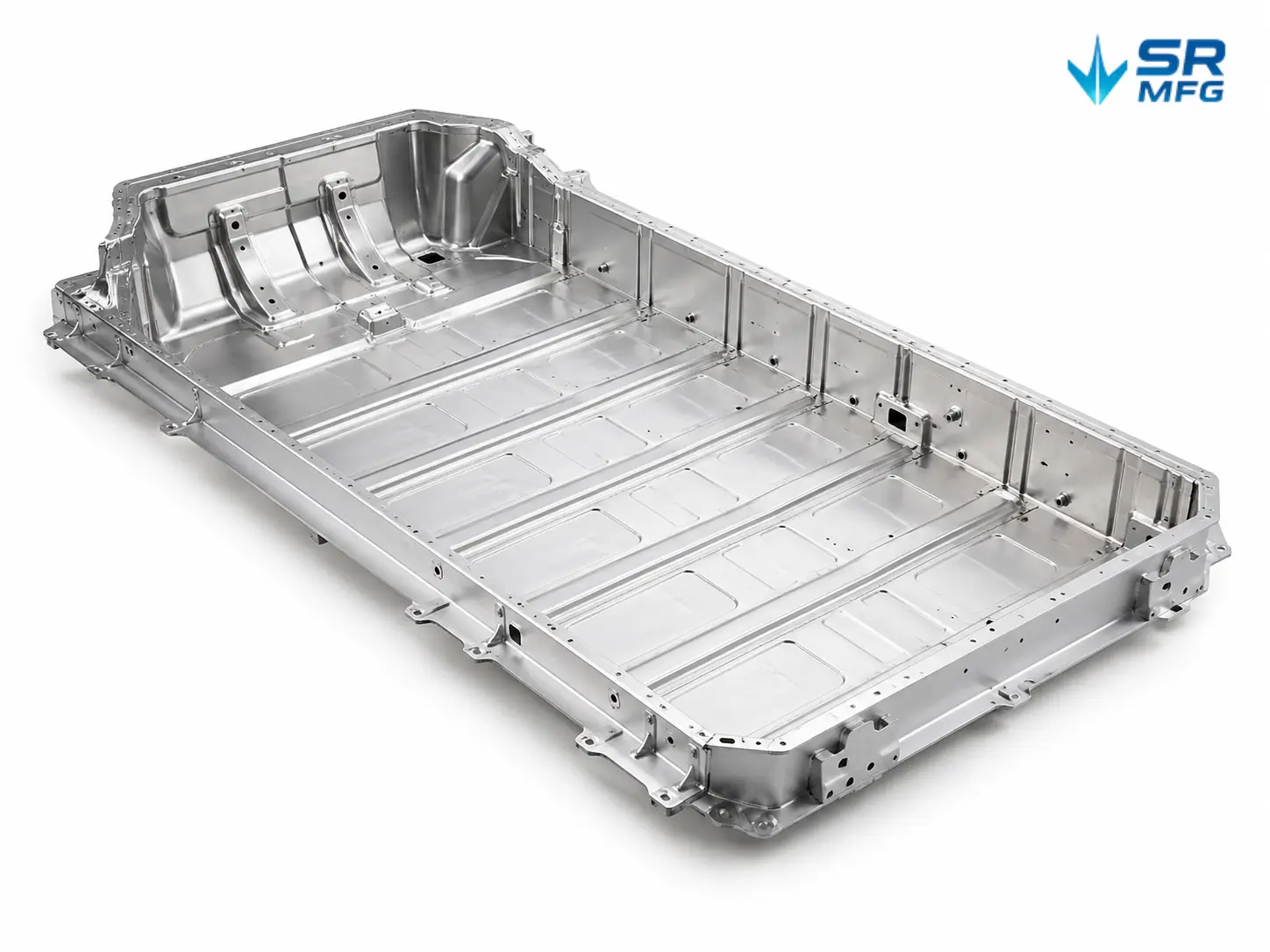
Metal spray painting solutions for EV charging equipment, battery systems, energy storage cabinets, and power conversion units, delivering long-lasting finishes rated for demanding indoor and outdoor environments.
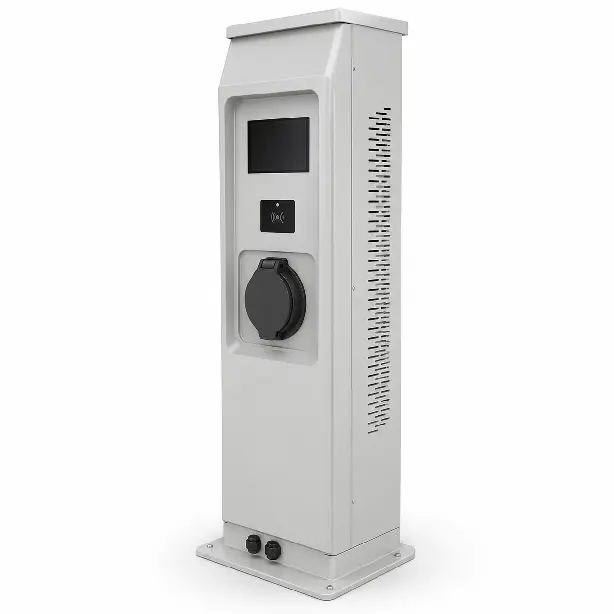
- Batteriegehäuseteile
- Ladestationsschränke
- Energiespeicherschrankpaneele
- Stromschienen-Stützhalterungen
- Leistungsmodulgehäuse
Außenausrüstung
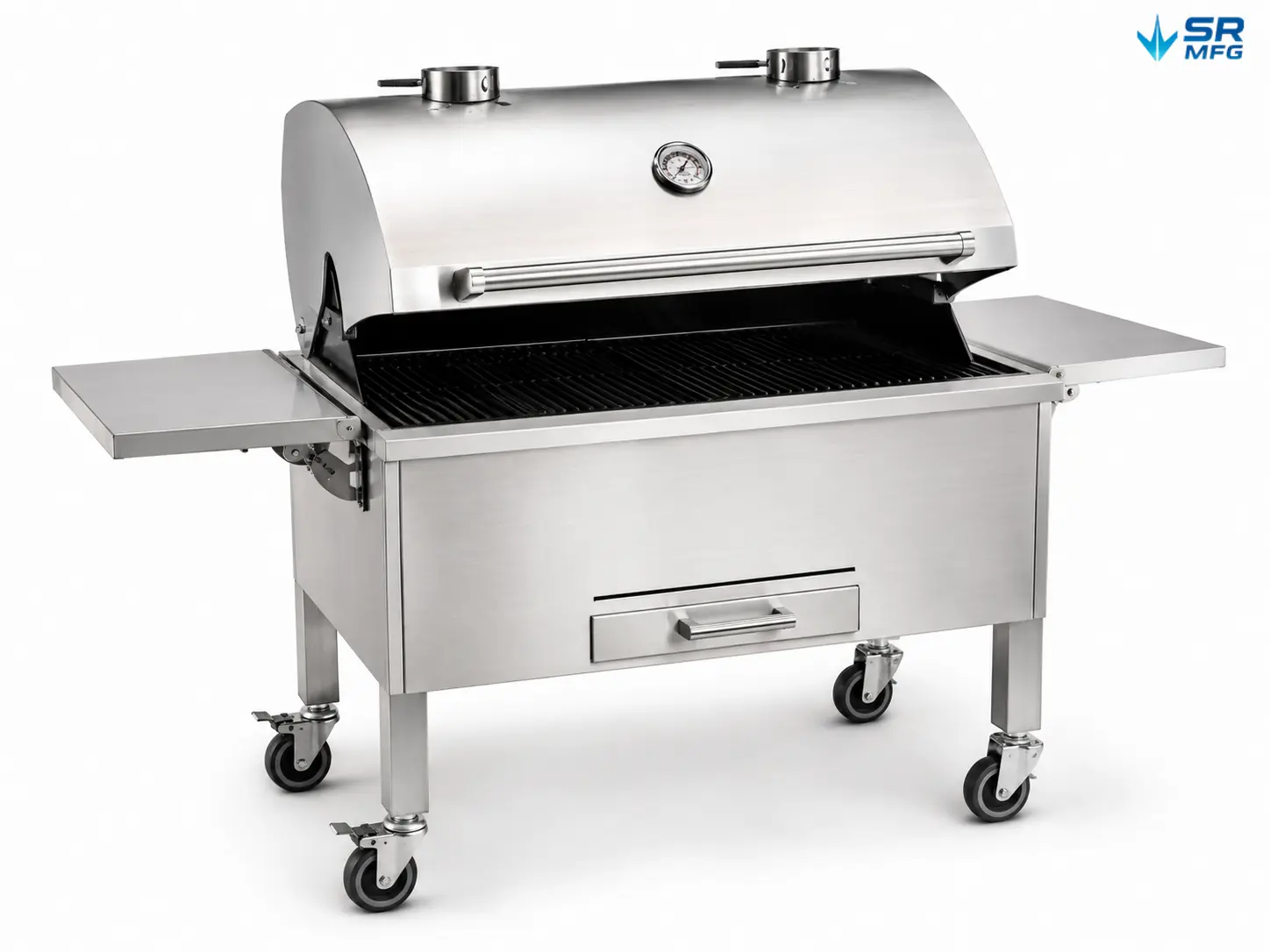
Weather-resistant spray painted finishes for outdoor enclosures, equipment covers, BBQ grills, lighting systems, and structural fixtures, engineered for UV stability, moisture protection, and years of fade-resistant color retention.
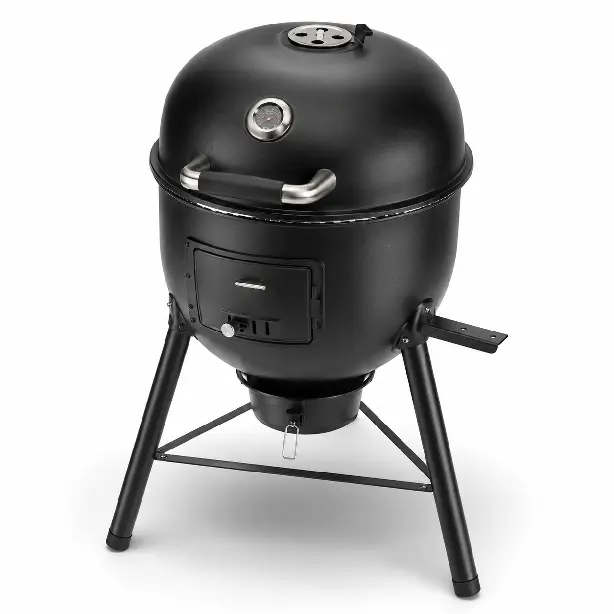
- Außenausrüstungsgehäuse
- Grillblechkörper
- Schutzabdeckungen & Paneele
- Montagehalterungen
- Witterungsbeständige Strukturteile
Für Ihre Anwendung entwickelt
Whether you need a single sample or full production volumes, SR MFG ensures consistent coating thickness, uniform color matching, and reliable delivery for every spray painting project. We work with a wide range of paint systems including polyurethane, epoxy, acrylic, and enamel finishes to meet your exact specifications.
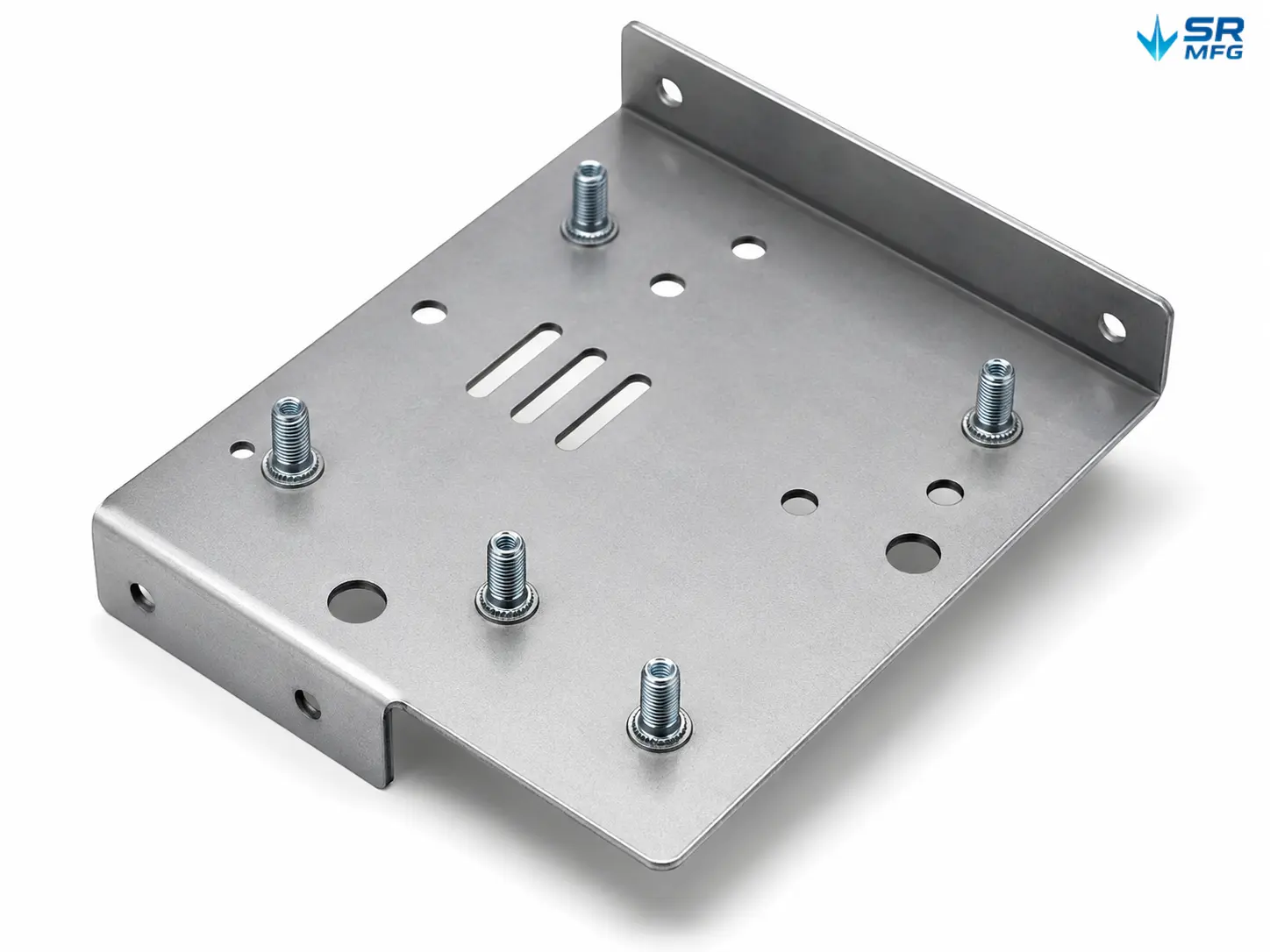
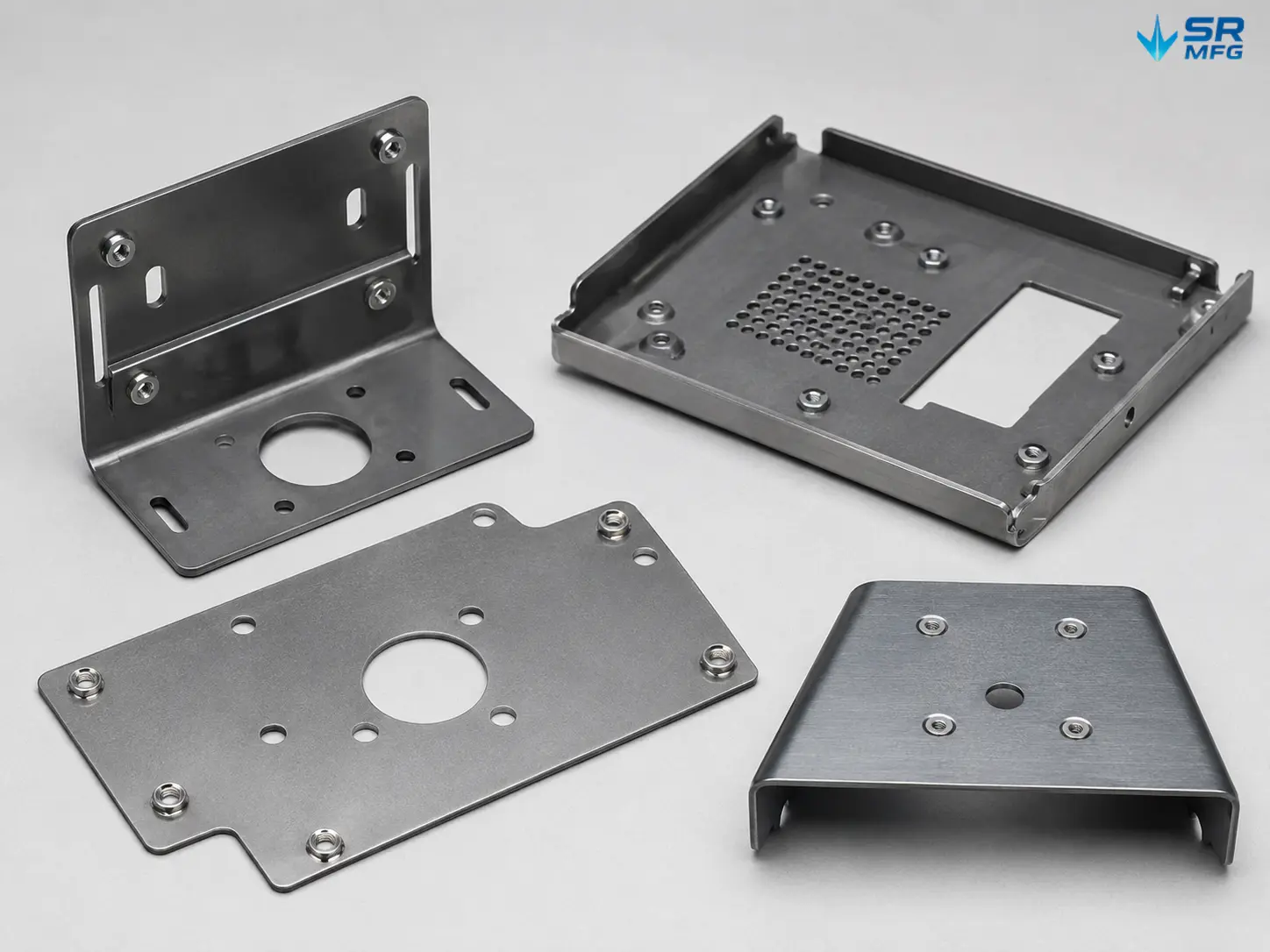
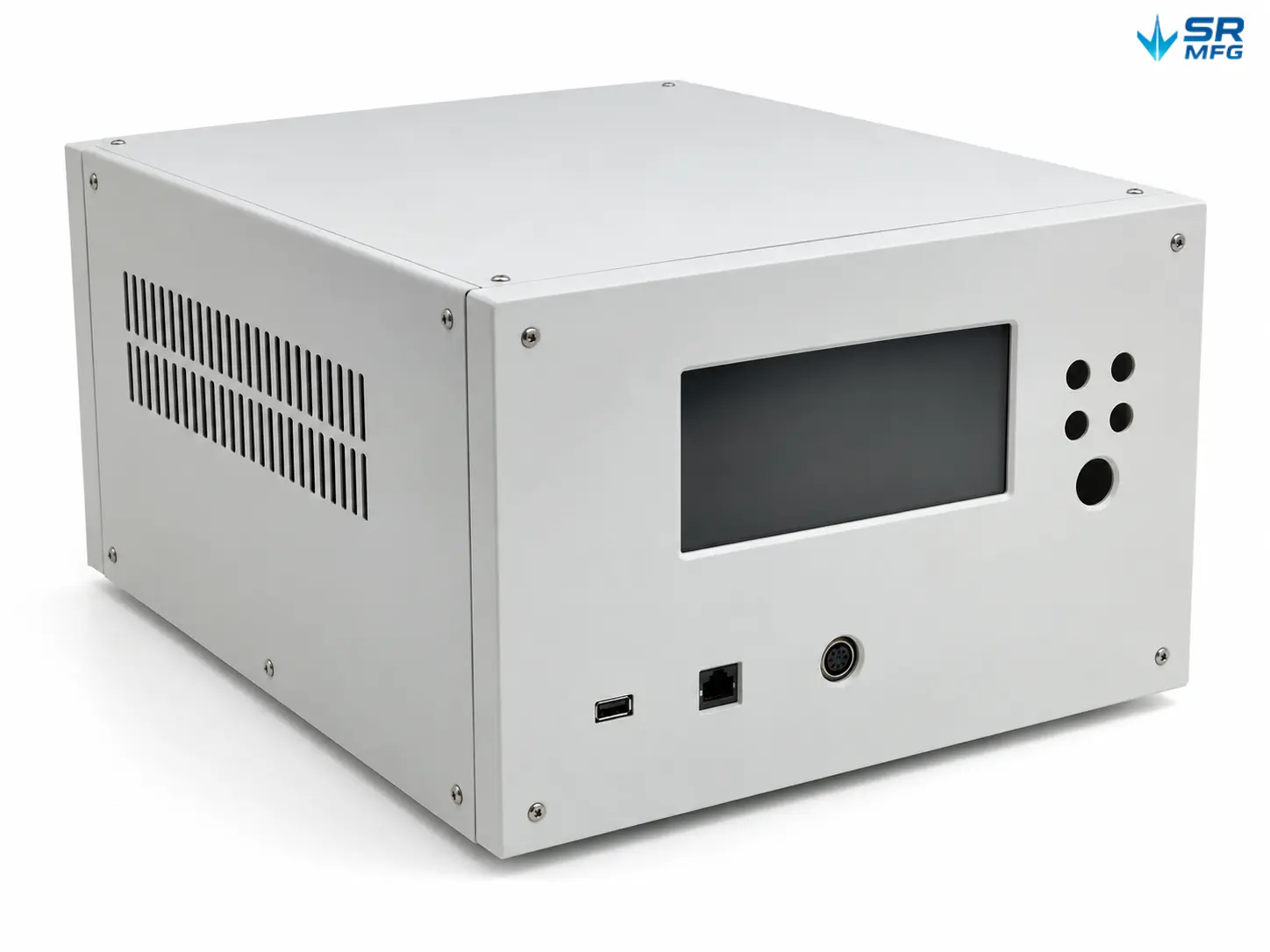
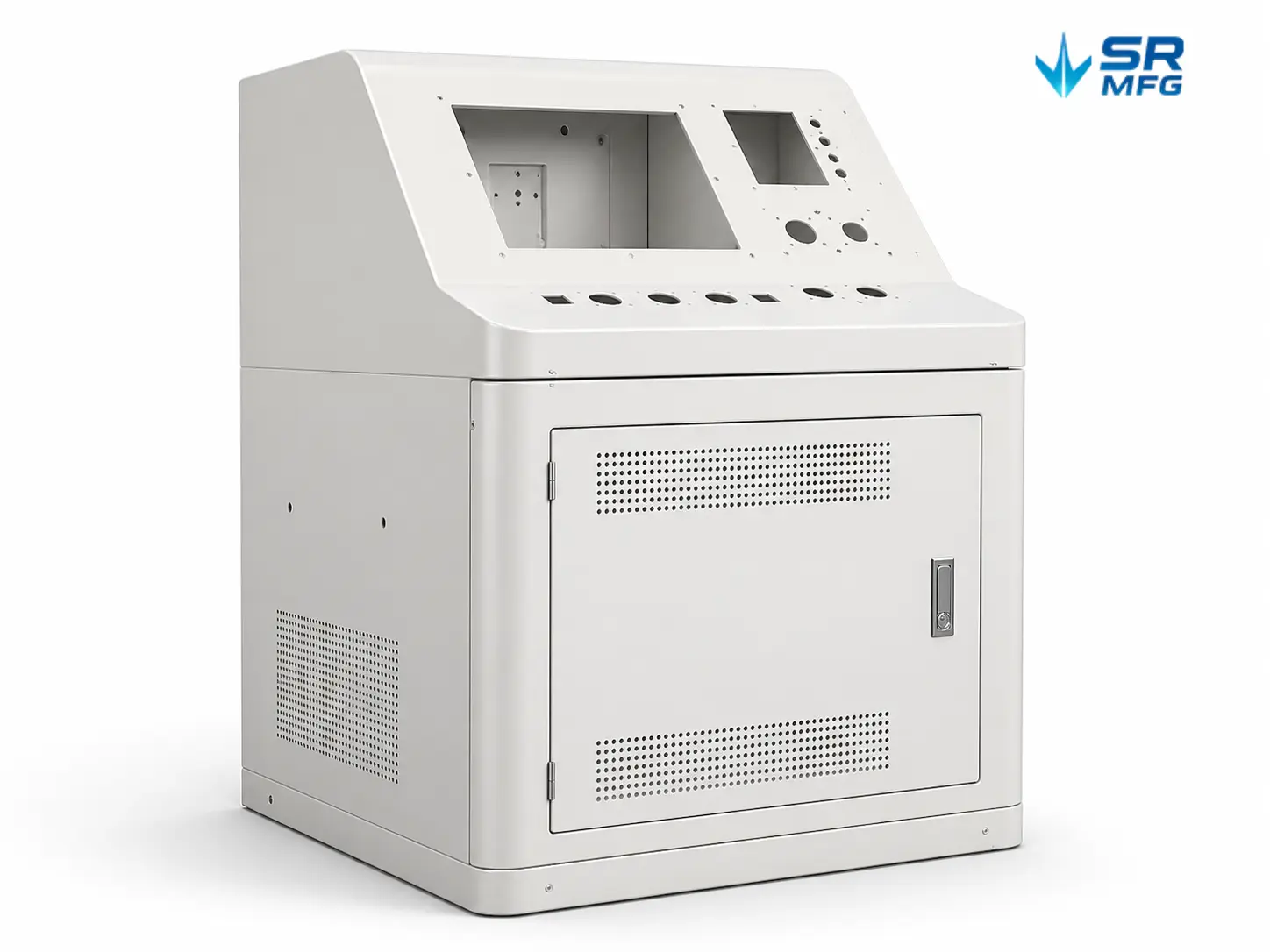
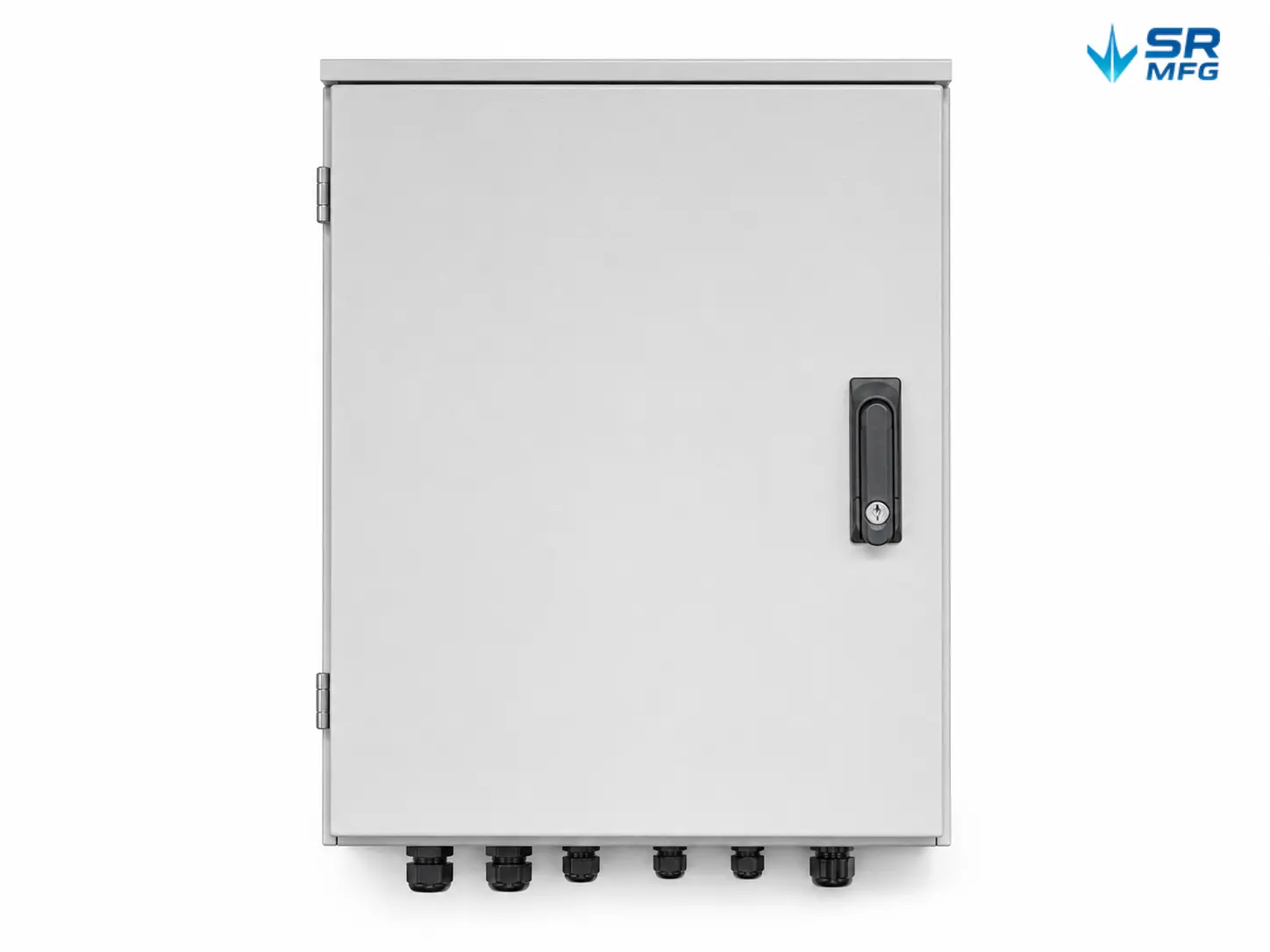
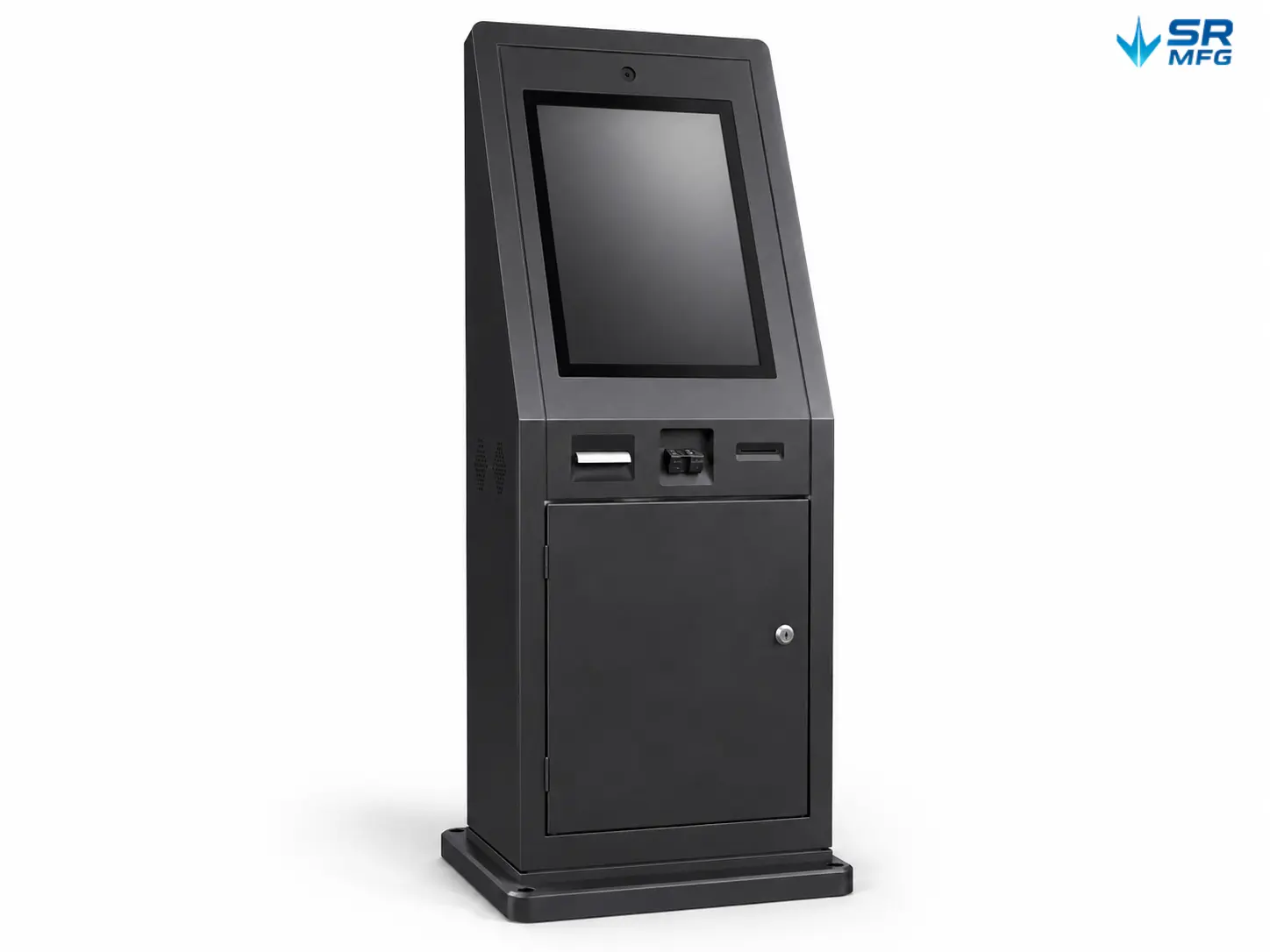
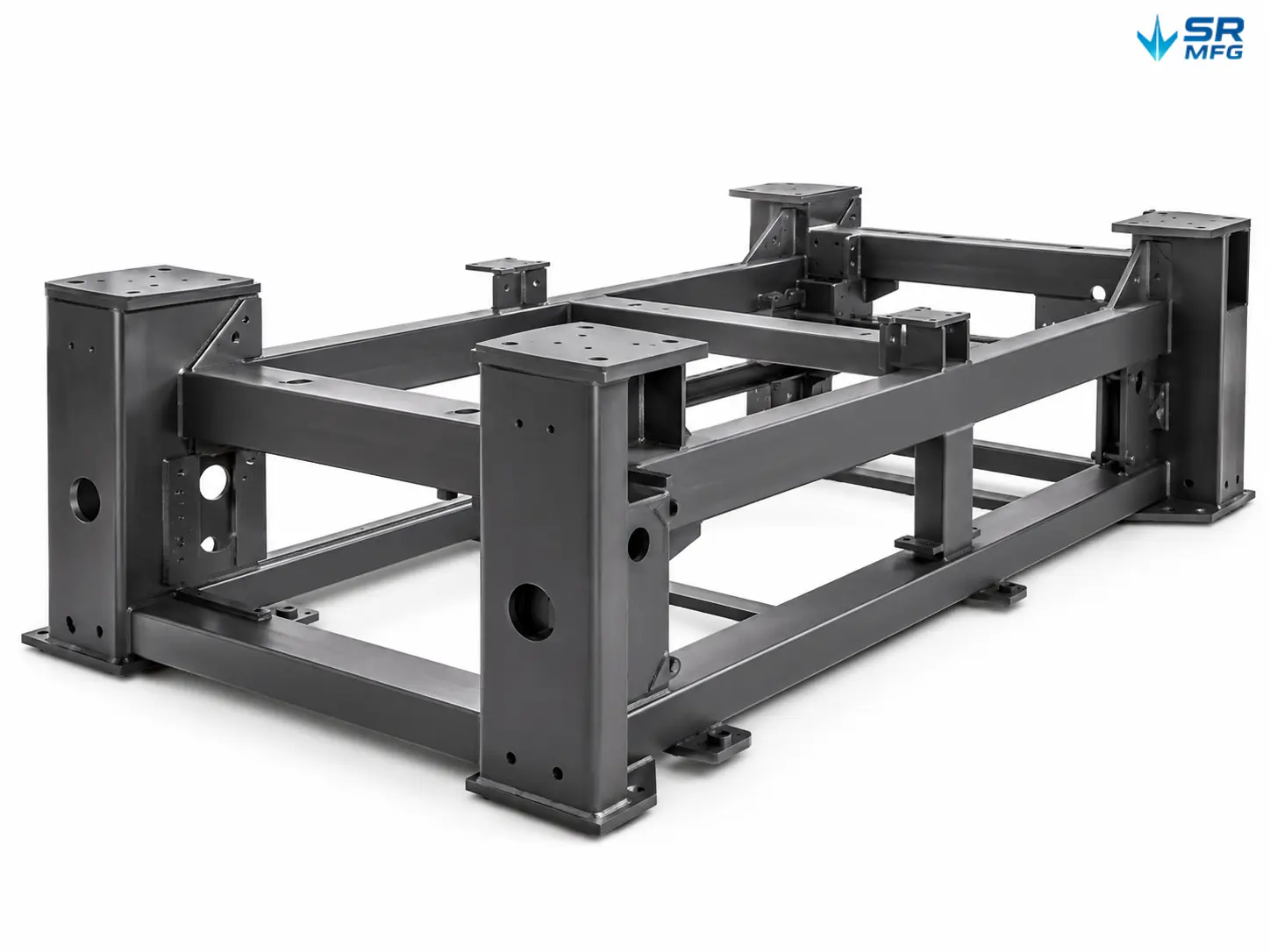
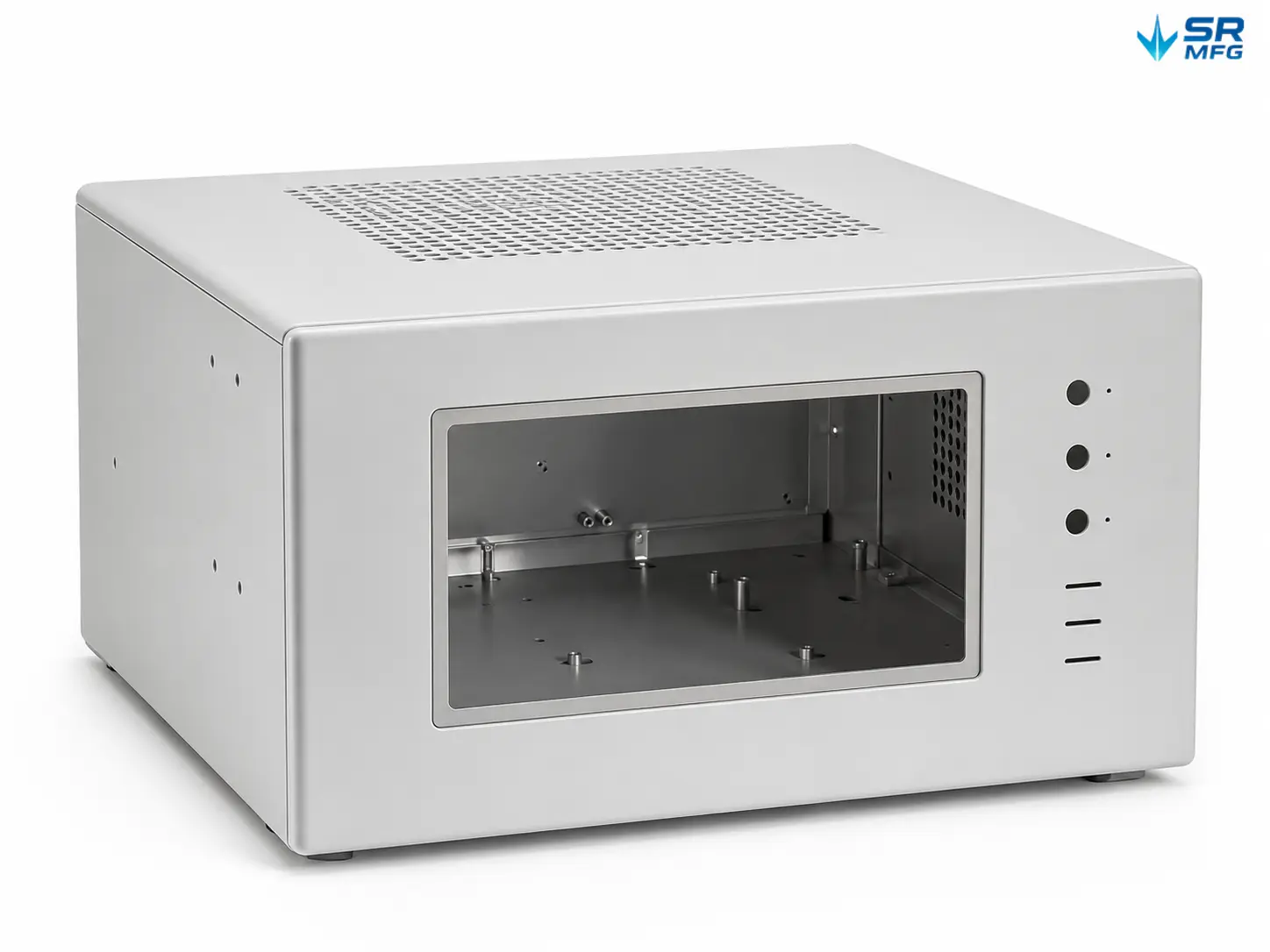
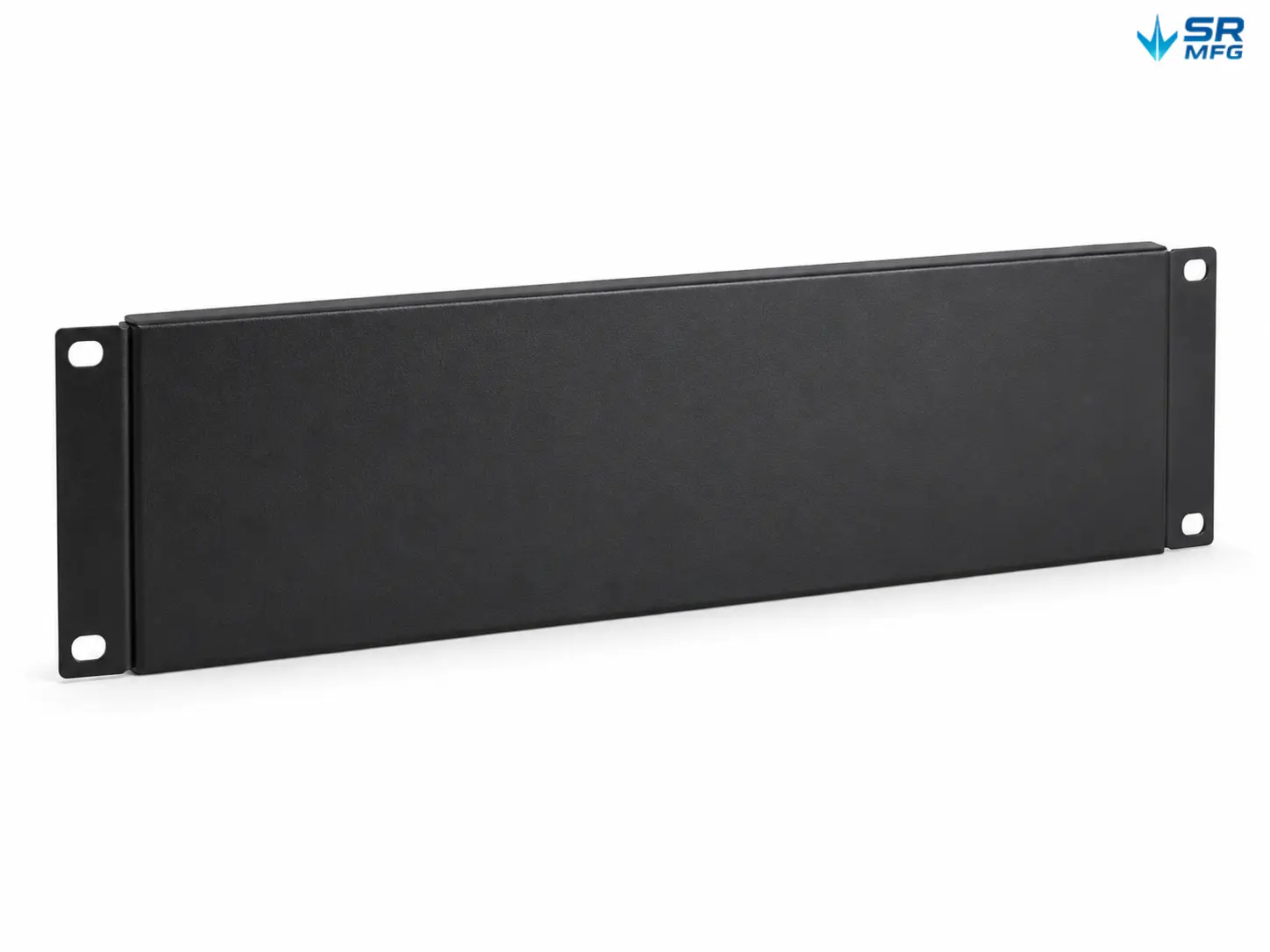
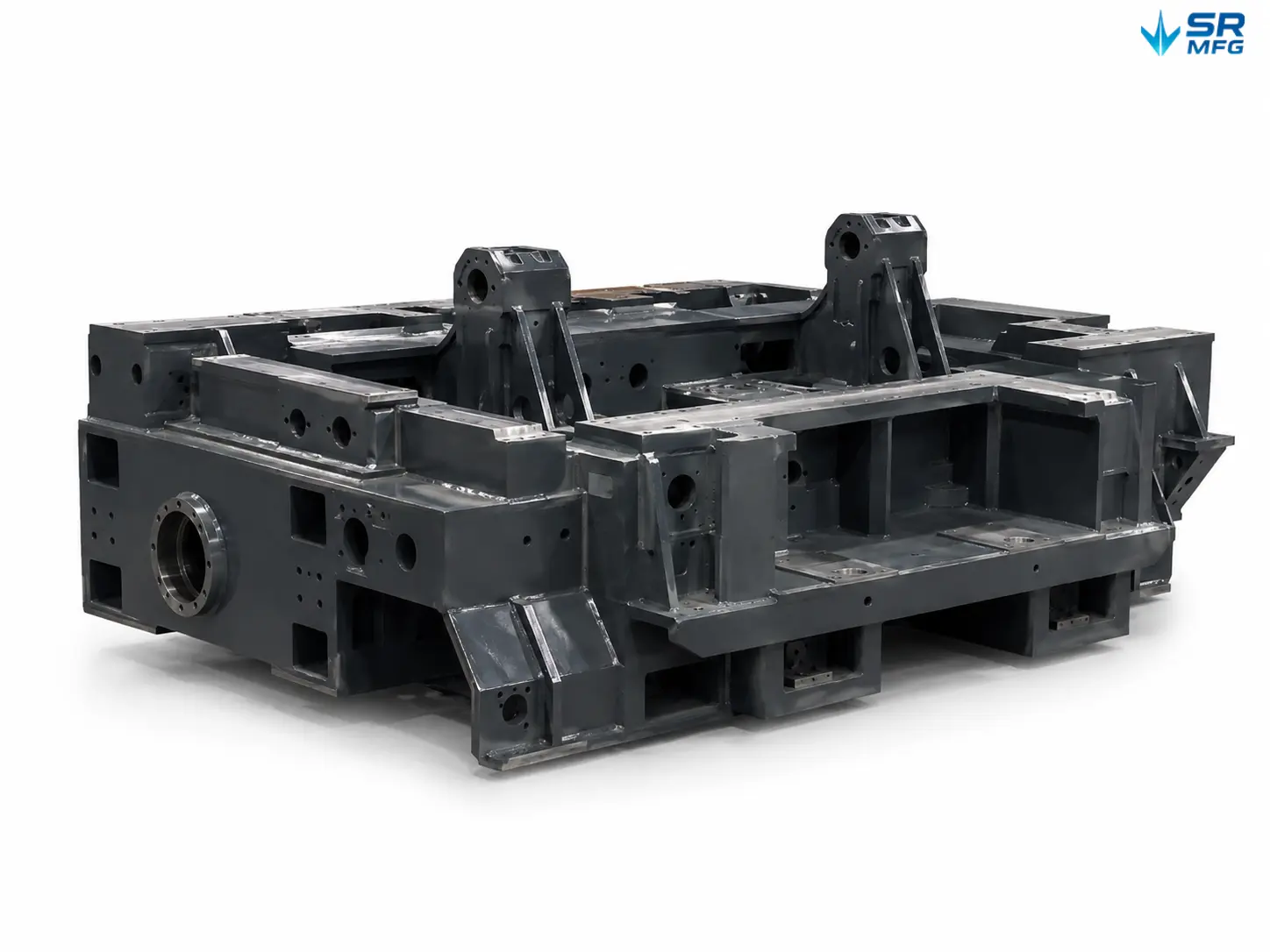
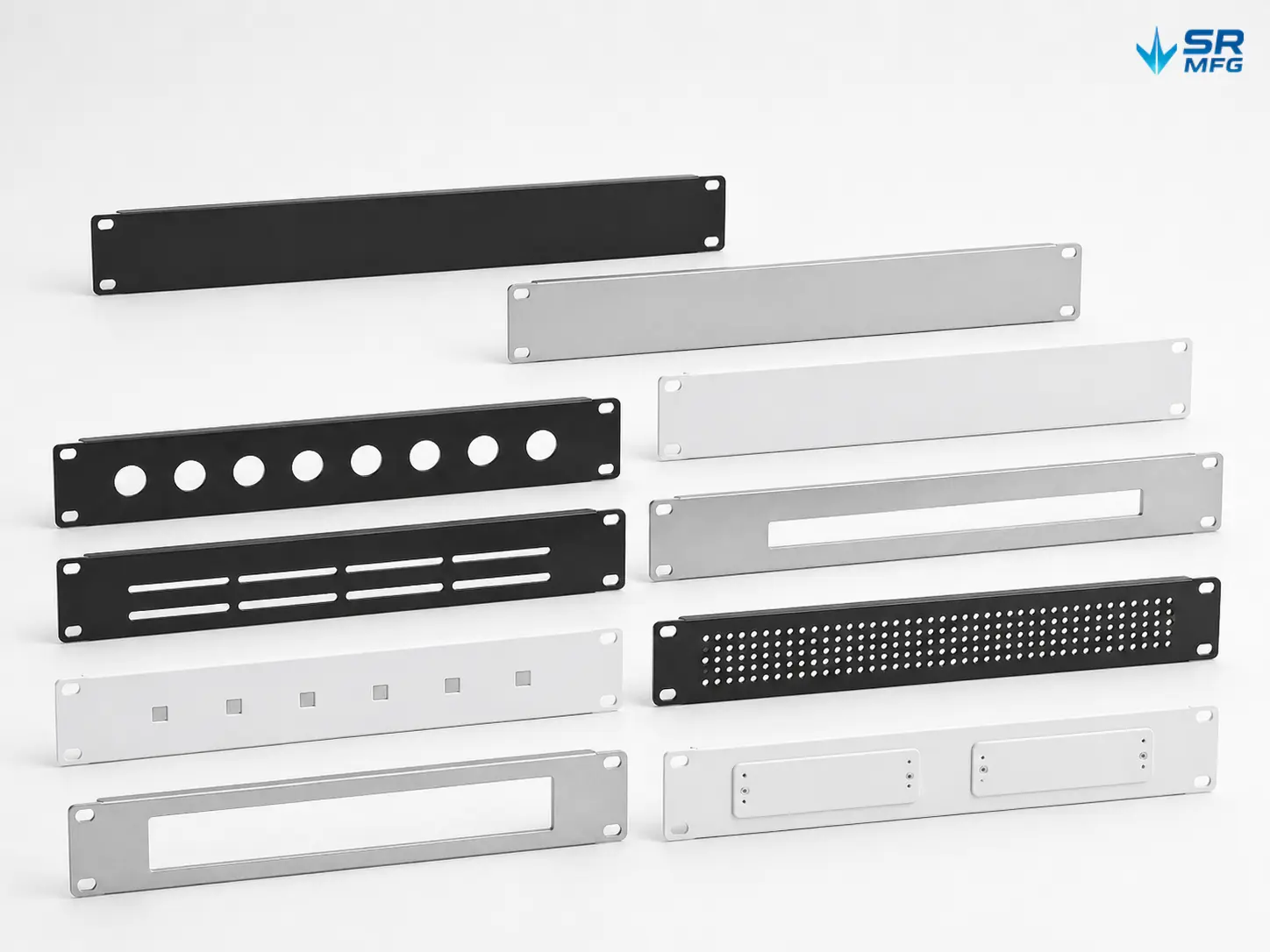
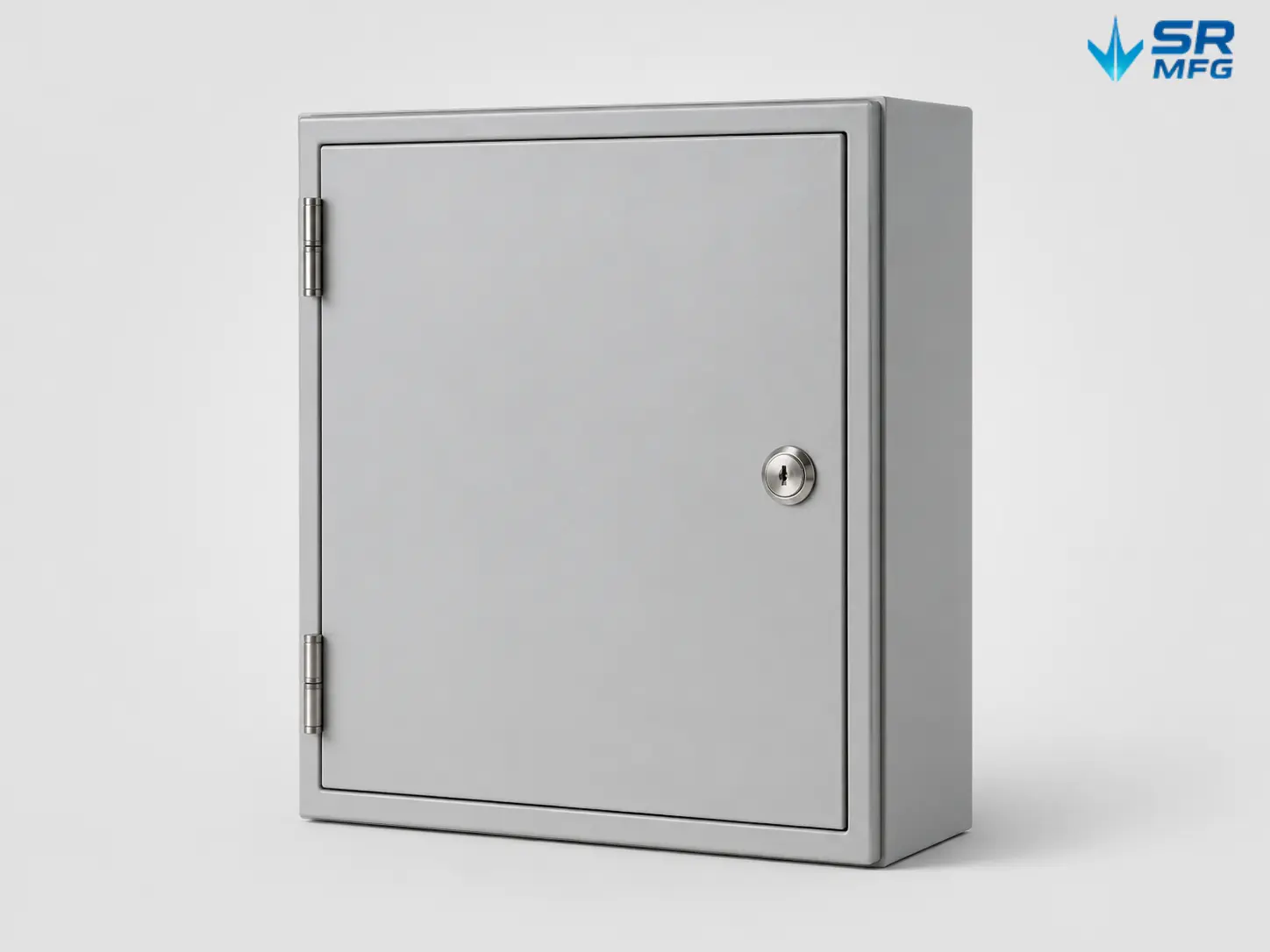
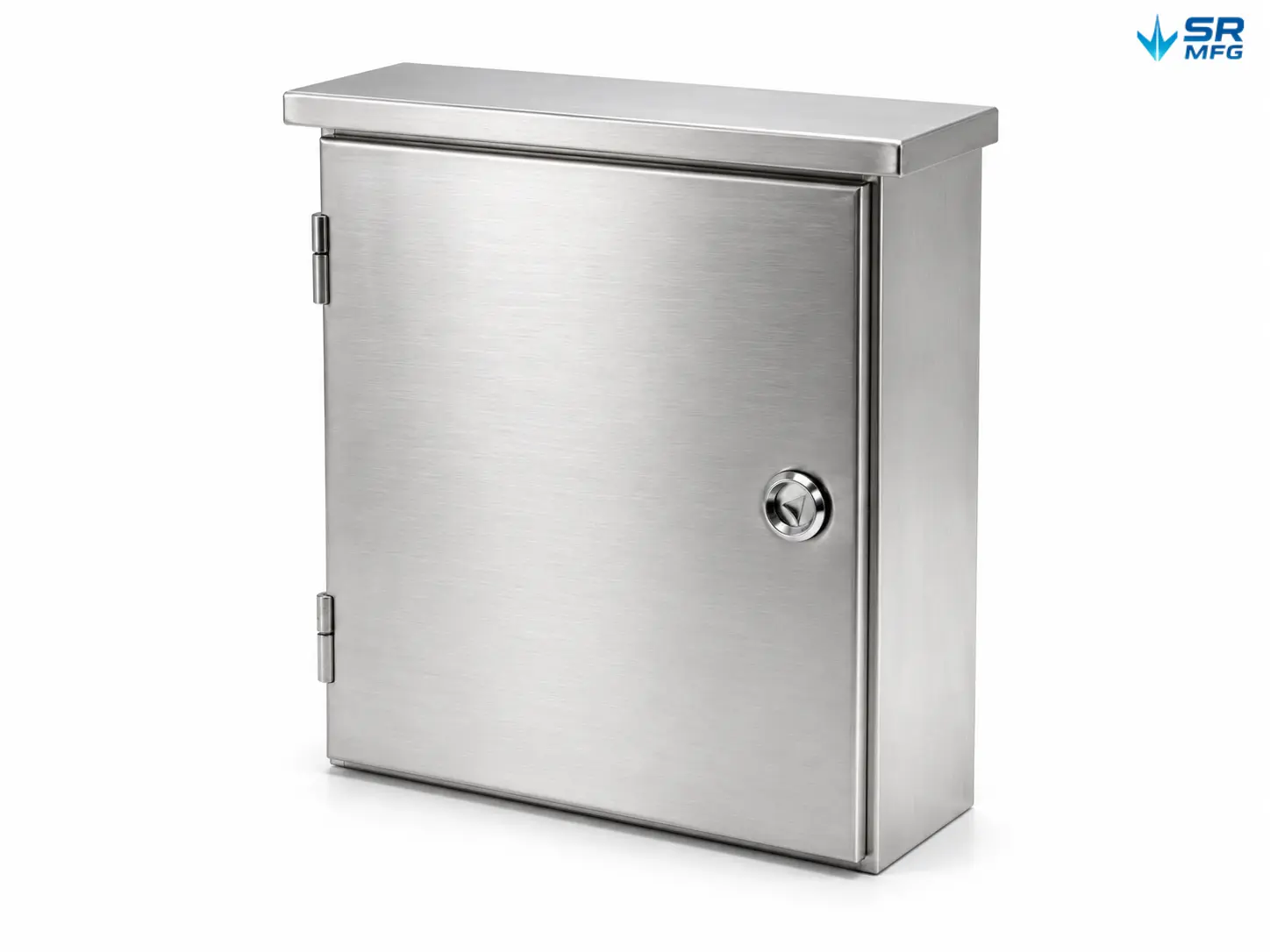
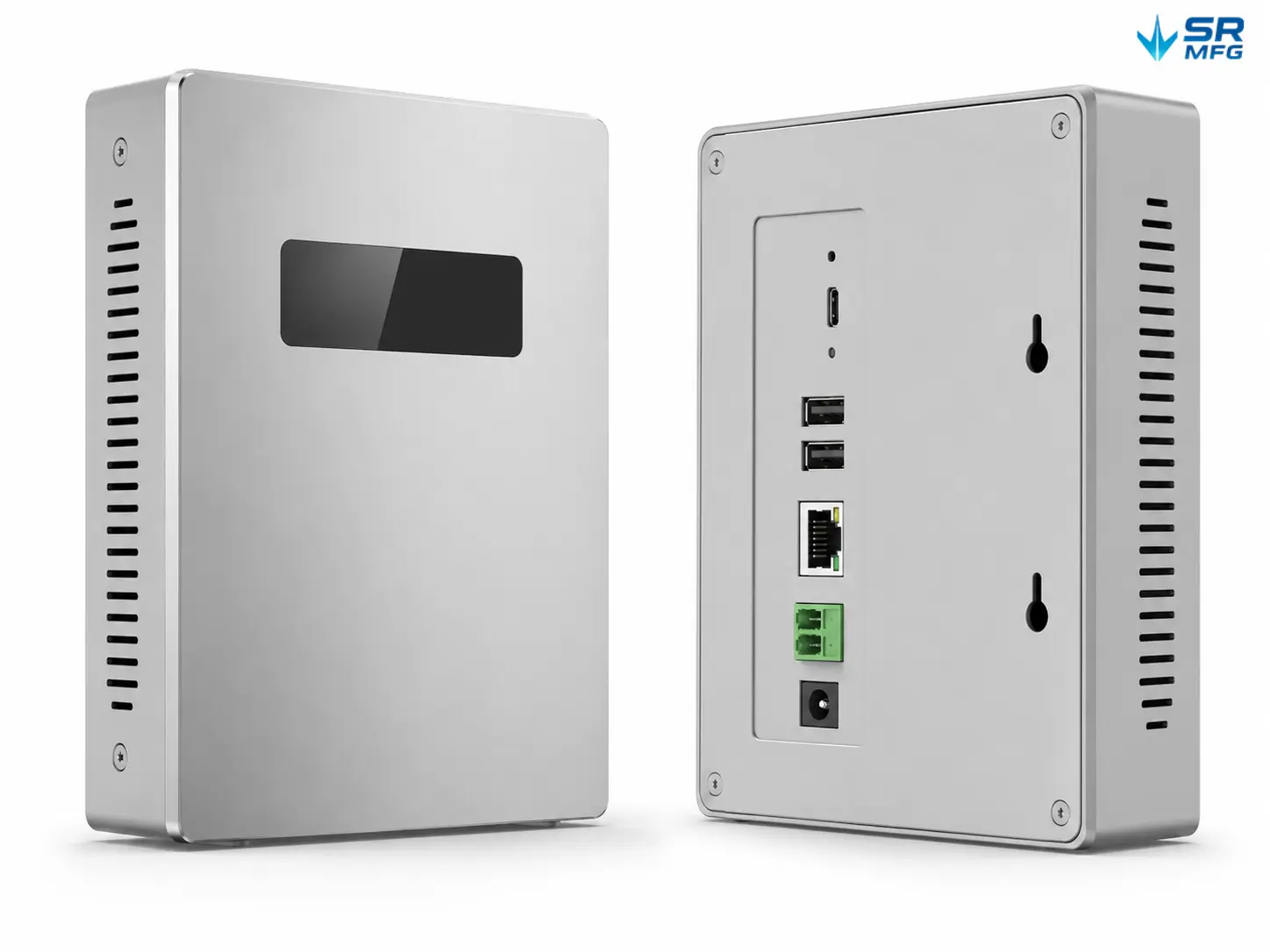
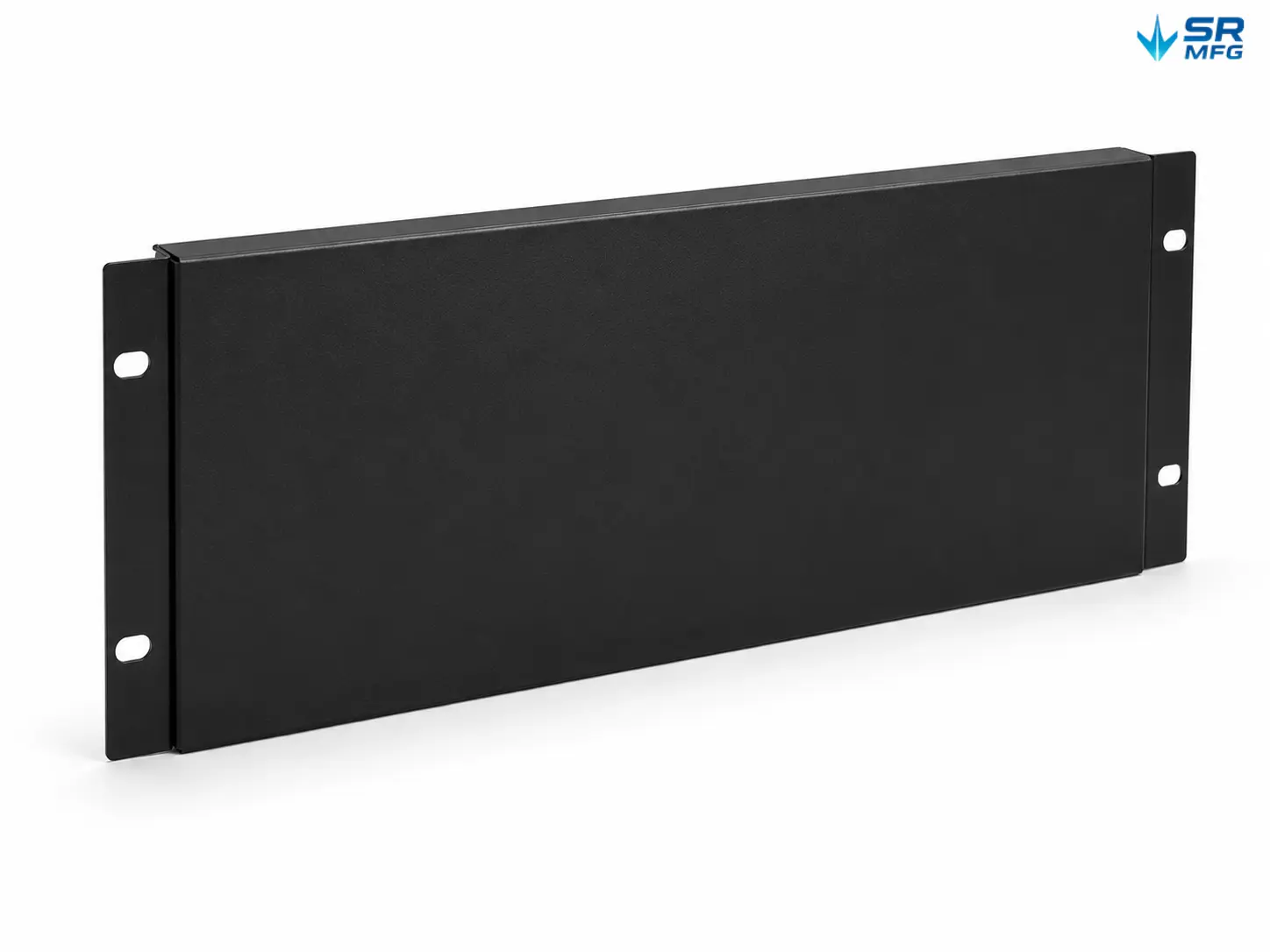
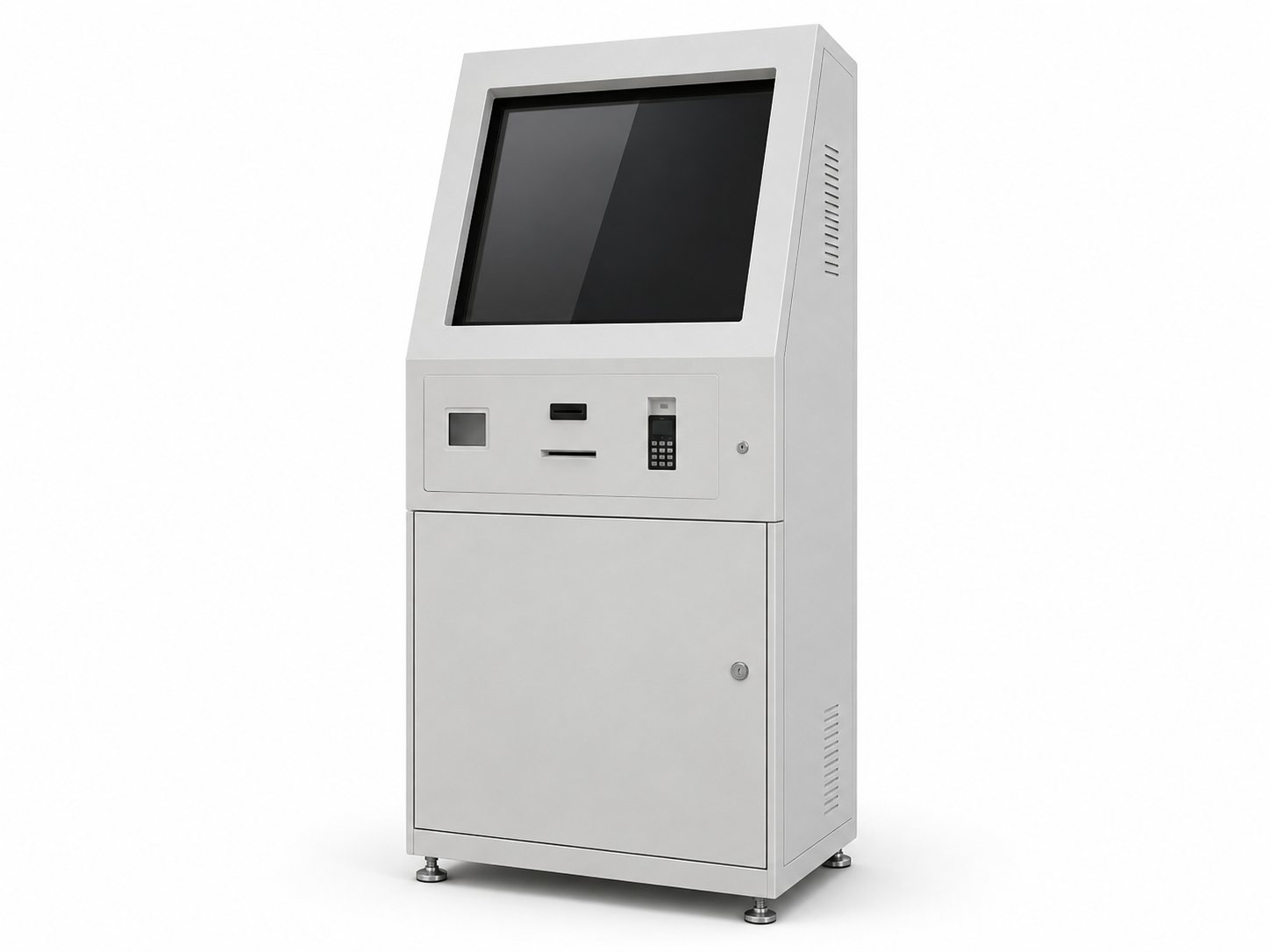
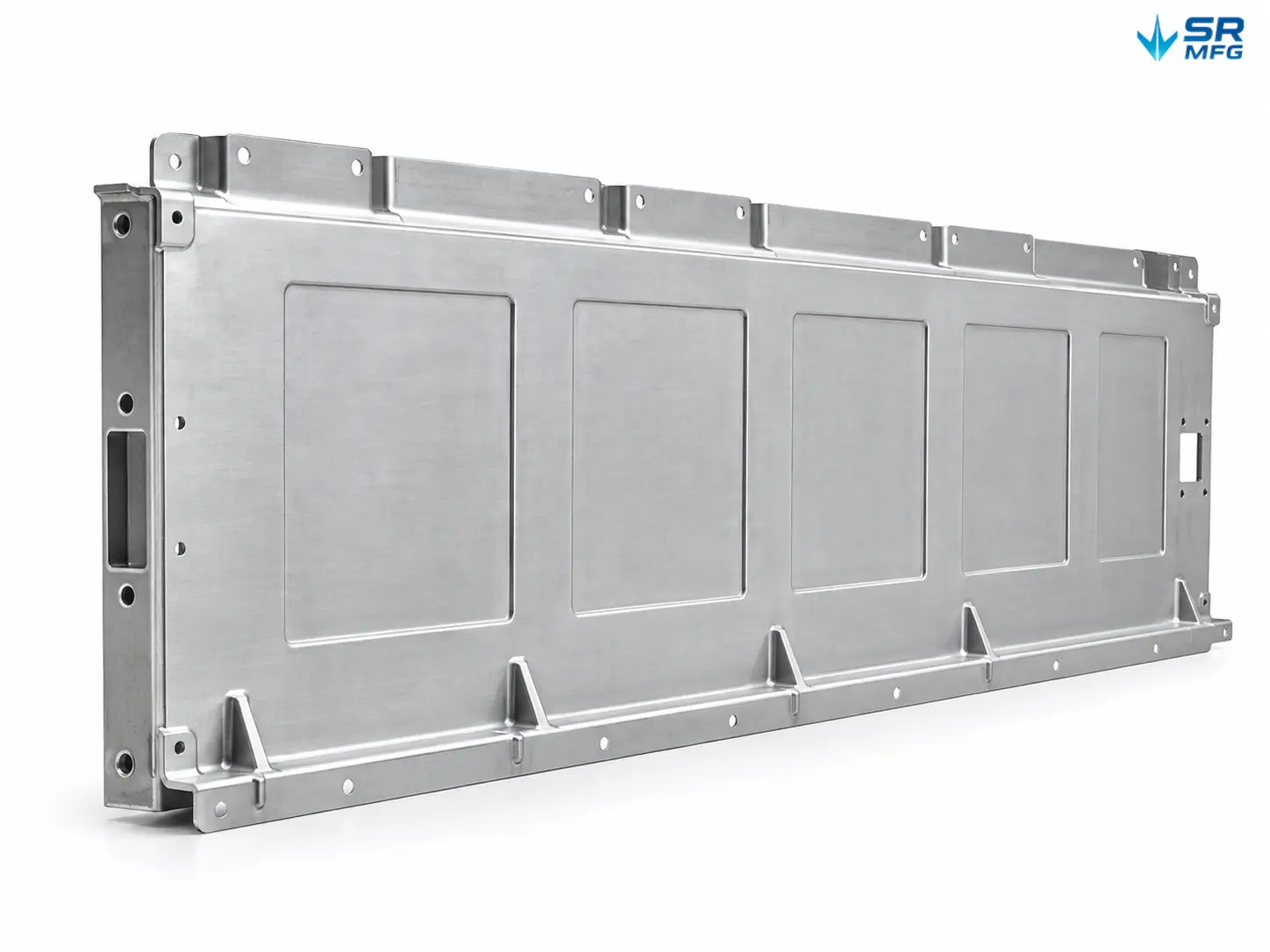
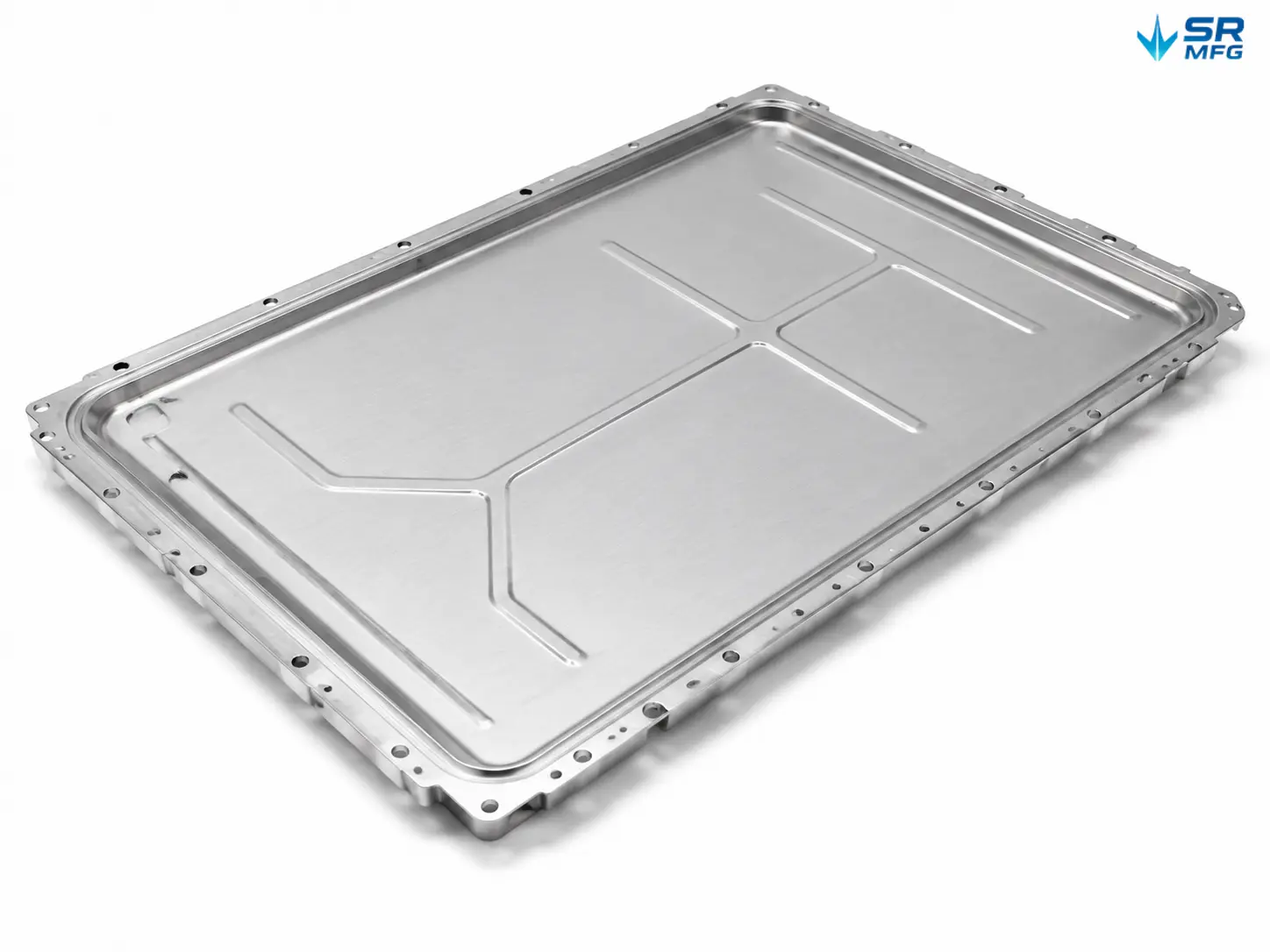
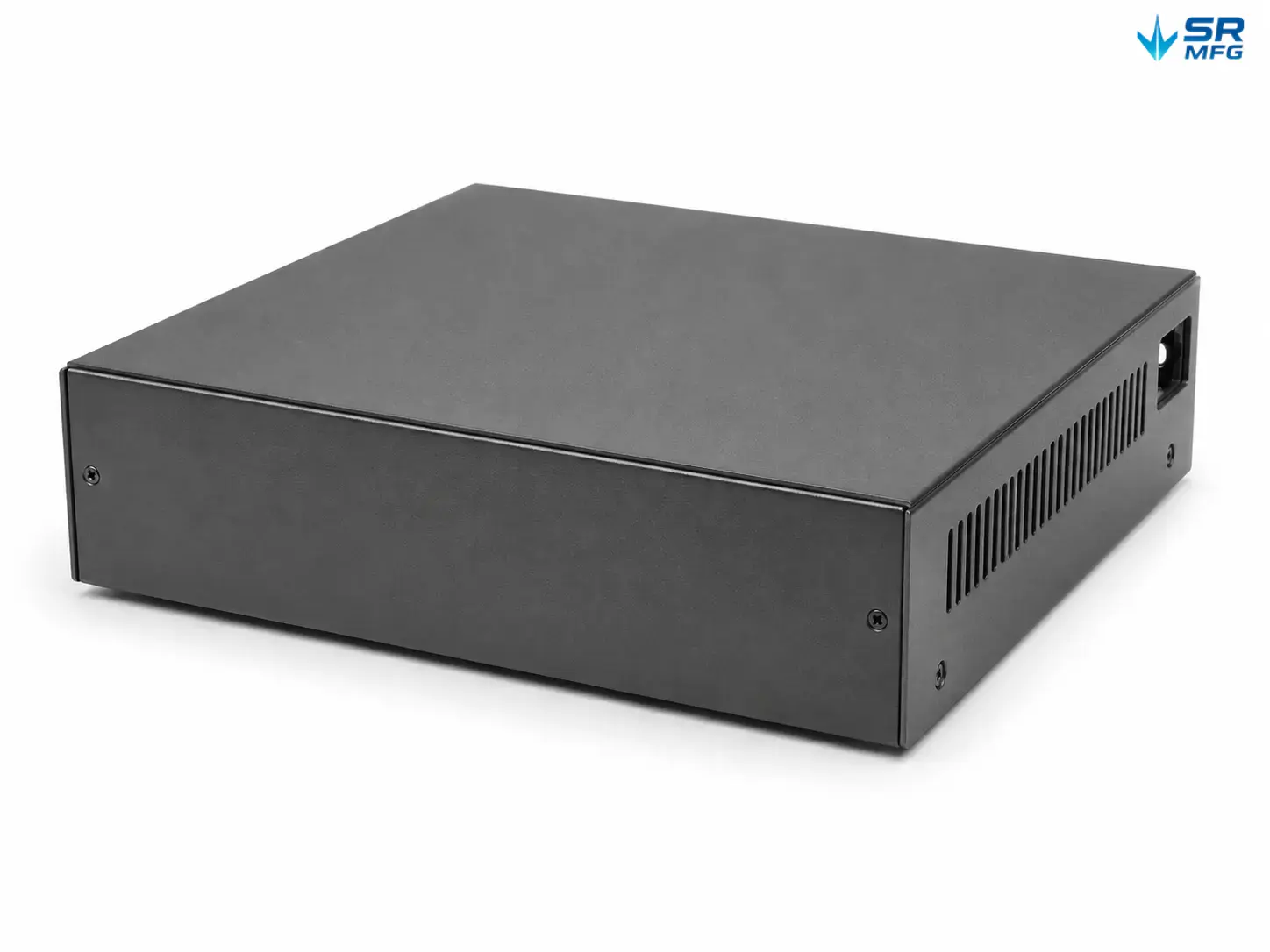
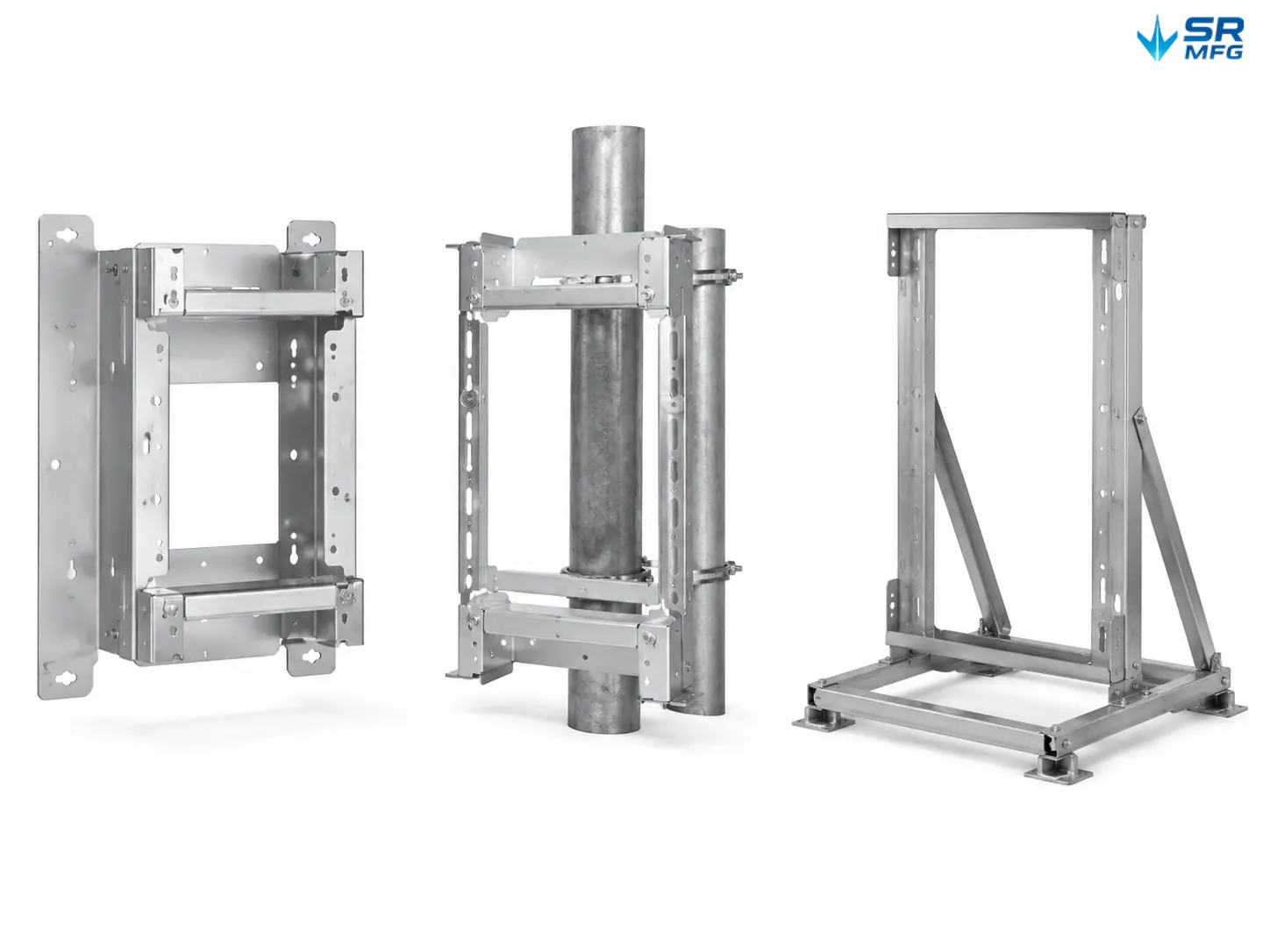
SR MFG Metal Spray Painting Product Showcase
Sheet Metal Spray Painting FAQs
Coating thickness is set based on your desired appearance und corrosion protection requirements. If needed, we can recommend a target thickness range and measurement locations during quoting.
When certain areas require tight thickness control or must remain uncoated, we typically use a combination of:
-
Masking for thickness control: High-temperature tape, masking film, or plugs to protect no-coat zones or limit build on critical areas.
-
DFM design recommendations: Adding small steps/ledges or masking features so masking lines don’t land on visible cosmetic surfaces.
-
Inspection and records: DFT is measured at agreed locations and recorded using ASTM D7091 (or an equivalent standard).
SR MFG matches color to RAL/Pantone standards or your supplied sample. We follow a defined process to ensure consistency: sample approval first, then we lock the standard and maintain color repeatability in production.
In practice:
-
Sample approval first: we confirm color, gloss, texture, and front/back appearance as applicable.
-
Controlled production: we run the same coating material and process to minimize batch-to-batch variation.
-
We support matte, satin, and gloss finishes. For complex geometries, we’ll flag areas where appearance variation is more likely (e.g., deep recesses or shadowed zones).
These functional surfaces must remain assembly-ready and electrically reliable:
-
Threaded holes: High-temperature plugs or thread protectors keep coating out so fasteners install properly.
-
Grounding / conductive contact areas: Either left uncoated through masking or thickness-limited to maintain conductivity.
-
Mating / locating surfaces: Masking is used to control build; we can also provide DFM input to reduce assembly risk.
For best results, please clearly mark on the drawing all areas that are no-coat, must remain conductive, or require thickness limits. We’ll propose the masking approach as part of the quotation.
Yes. If corrosion testing is required, SR MFG can support salt spray validation based on your specified standard, test duration, and acceptance criteria.
A typical report includes:
-
Sample details (material, coating/color, DFT, quantity)
-
Test standard and conditions (method used, duration, pass/fail criteria)
-
Test procedure and results (key photos and conclusions)
-
Lot/order traceability information (when requested)
Pinholes and blistering are often caused by outgassing (gas or volatiles released during curing), insufficient surface cleaning, or an unsuitable primer/system choice.
SR MFG countermeasures include:
-
Galvanized parts: Verify surface condition, ensure proper cleaning/activation, and select a compatible primer system.
-
Castings: Porosity can release gas during cure—when risk is high, we use more robust primers or sealing approaches.
A pre-bake/outgas bake is strongly recommended (and sometimes required) when:
-
The substrate is prone to outgassing (galvanized, cast, welded structures, enclosed cavities).
-
Similar parts have shown pinholes/blistering in past runs—pre-bake helps drive off volatiles and reduce recurrence.
Deep corners, narrow gaps, and hidden recesses are inherently harder to coat evenly. SR MFG typically addresses this by:
-
Optimizing racking and spray path: Adjusting hang orientation, gun angles, and spray sequence for more uniform coverage.
-
DFM recommendations: Suggesting small design changes when features are too deep or narrow to coat consistently.
-
Defining Class A surfaces up front: Aligning on which visible areas require the highest cosmetic control.
Rework is possible, but it follows clear standards. Minor defects may be repaired locally; for larger rework, we evaluate the risk of mismatched color/gloss and may re-confirm the approved sample if needed.
Our goal is that parts arrive ready to use out of the box. Common protections include:
-
Surface isolation: Protective film, individual bagging, or layer separators to prevent rubbing.
-
Shock protection: Corner guards, custom dividers, or locating trays to reduce movement in transit.
-
Packaging matched to cosmetic requirements: Higher cosmetic requirements typically need higher protection (and we’ll confirm the cost impact with you up front).
Pricing and lead time depend on factors such as number of colors, coating system, cosmetic standards, fixture/racking needs, and masking complexity.
In general:
-
MOQ: Depends on color count, fixture cost, and changeover requirements (multi-color programs may run in batches).
-
Color changeover: Depends on changeover frequency, cleaning requirements, and booth scheduling (rules can be defined per project).
-
Lead time: Different for prototyping vs. production; affected by pretreatment/masking complexity and inspection/testing needs (salt spray testing adds time).
For the most accurate quote, please provide drawings, color standard, quantities, and any required test standards—so we can clearly define MOQ, changeover rules, and lead time.
Metal Spray Painting Technical Resources
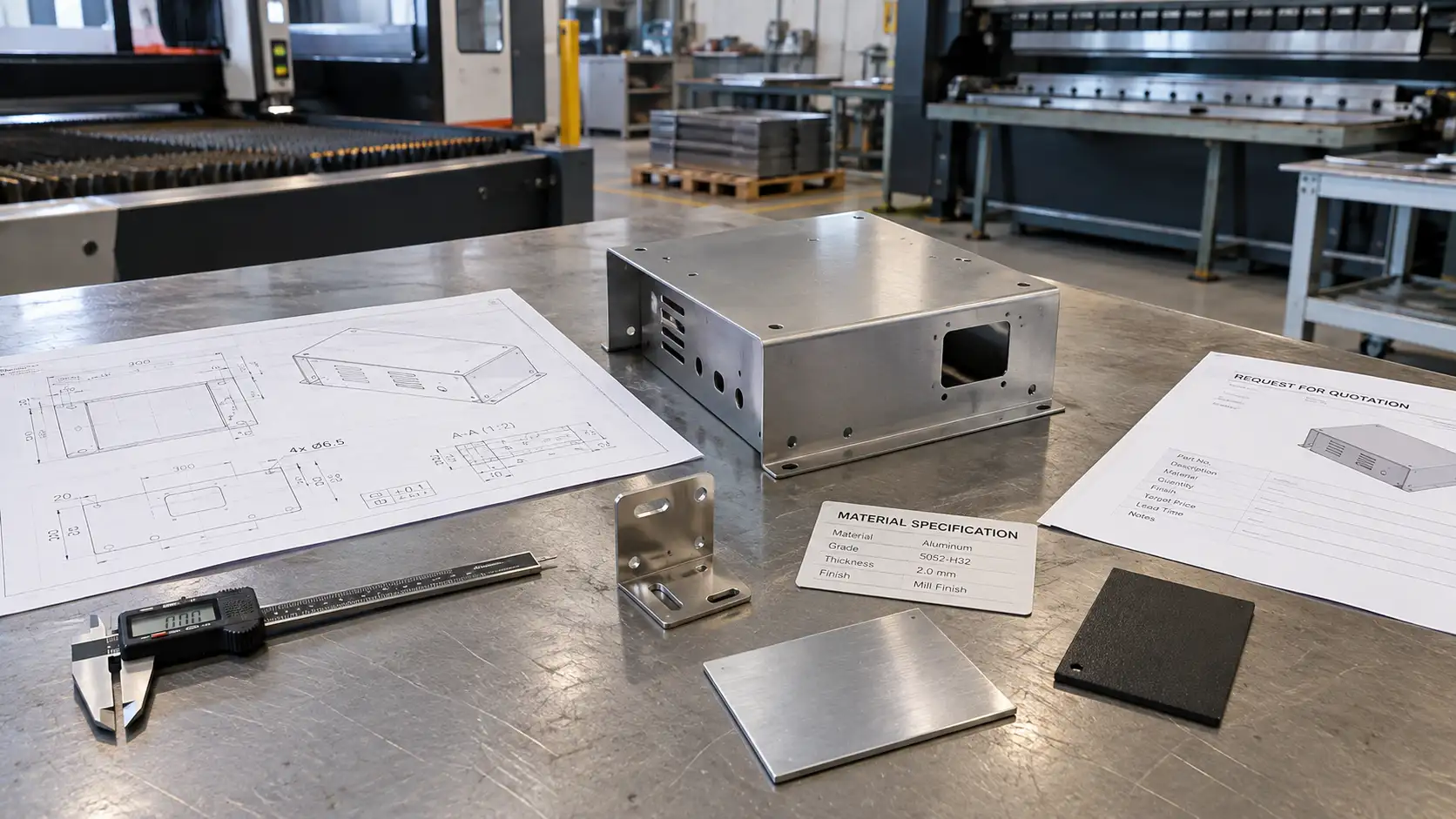
Der komplette RFQ-Leitfaden für die Blechfertigung: Wie Sie Angebote effizient anfordern, Risiken reduzieren und Kosten optimieren
ShuangRui2026-09-11T09:00:28+00:00März 2026|
Preparation Before Requesting a Quote Before sending out an RFQ, the quality of your preparation has a direct [...]
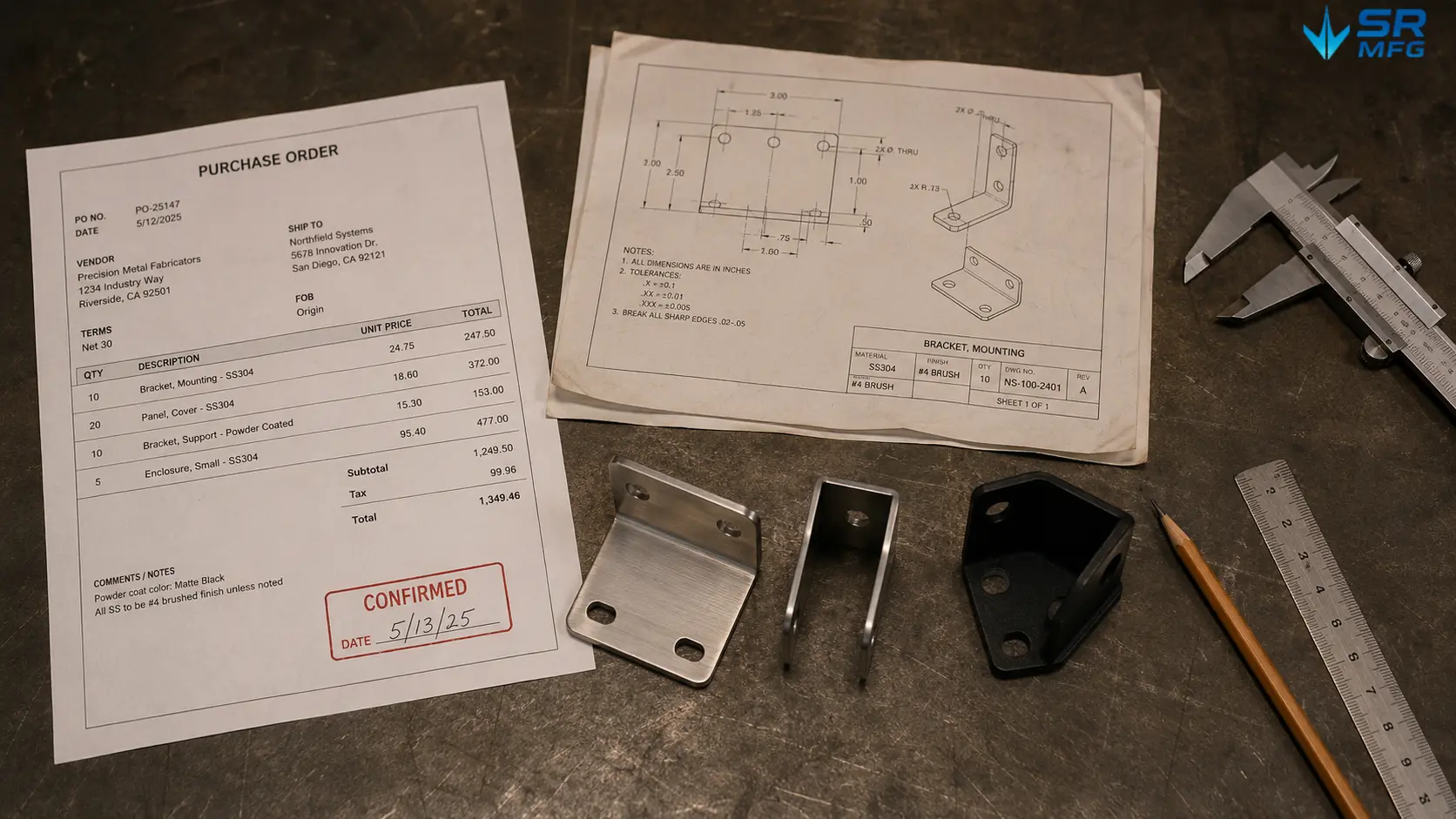
Auftragsbestätigungsdatum
ShuangRui2026-07-04T05:57:52+00:00Mai 2026|
What Is an Order Confirmation Date? Definition in Procurement and ERP Systems In most procurement systems, the order [...]
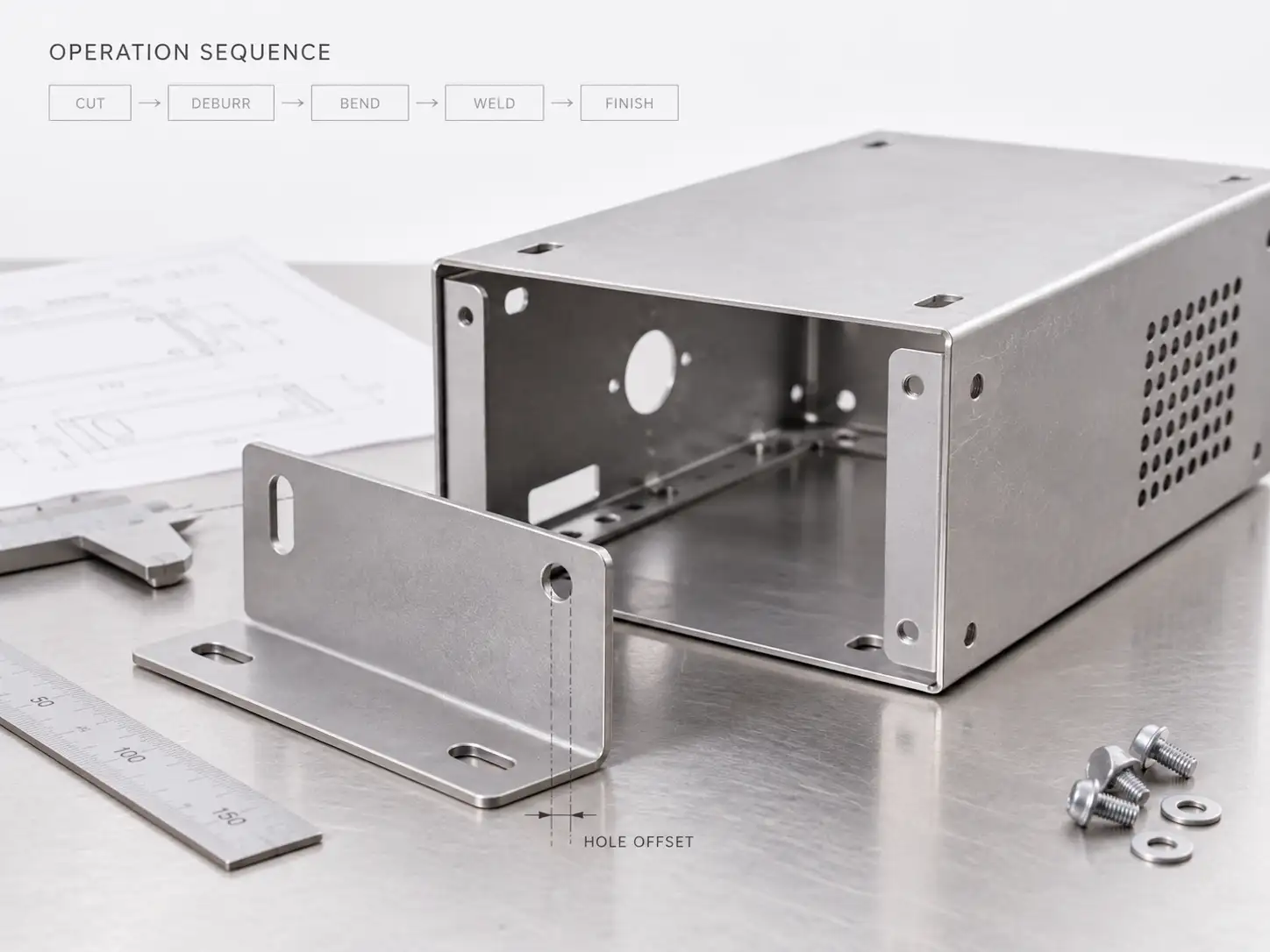
Arbeitsfolge
ShuangRui2026-09-12T08:14:20+00:00September 2026|
A powder-coated enclosure arrives at your facility. The color matches the spec, the dimensions look right — until [...]
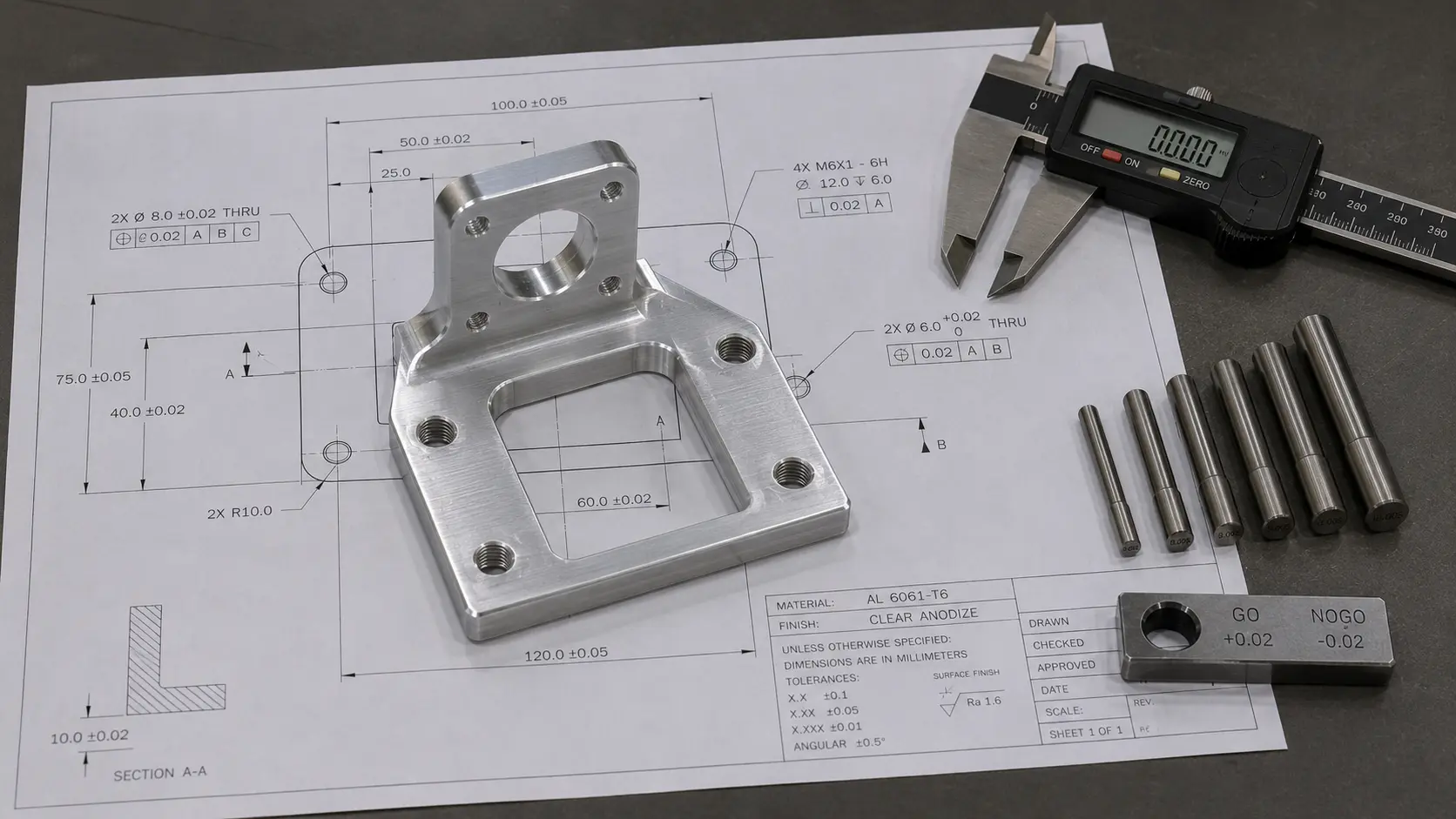
Akzeptanzkriterien in der Fertigung: Wie man Pass/Fail-Regeln auf Zeichnungen definiert
ShuangRui2026-08-27T03:25:20+00:00August 2026|
Acceptance criteria are the pre-established, measurable conditions that a manufactured part must satisfy before it is approved for [...]
